
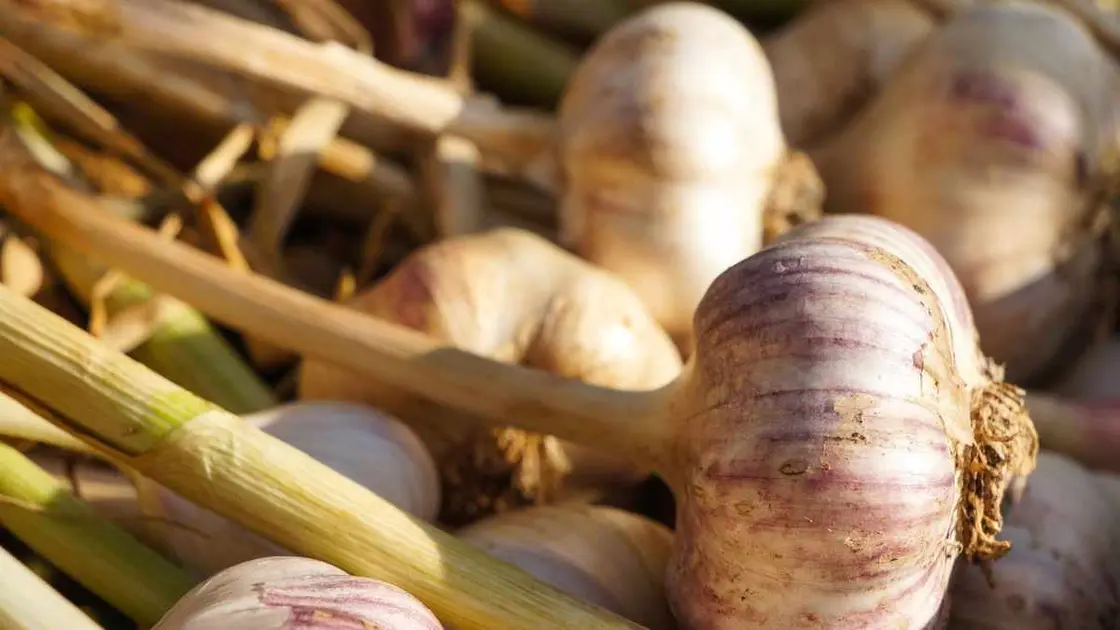
Growing garlic in containers is an excellent solution for those lacking space for traditional vegetable beds. The choice of pot, the quality of soil, and the placement of your container all play crucial roles in ensuring a fruitful harvest.
Garlic is a favorite among home gardeners, and with numerous types and varieties available, it's easy to find the perfect fit for your garden. While cultivating garlic in pots requires some extra consideration compared to in-ground planting, it remains a straightforward and rewarding endeavor.
By learning how to grow garlic in containers, you can enjoy fresh garlic almost year-round, as many varieties can be stored for several months up to a year.
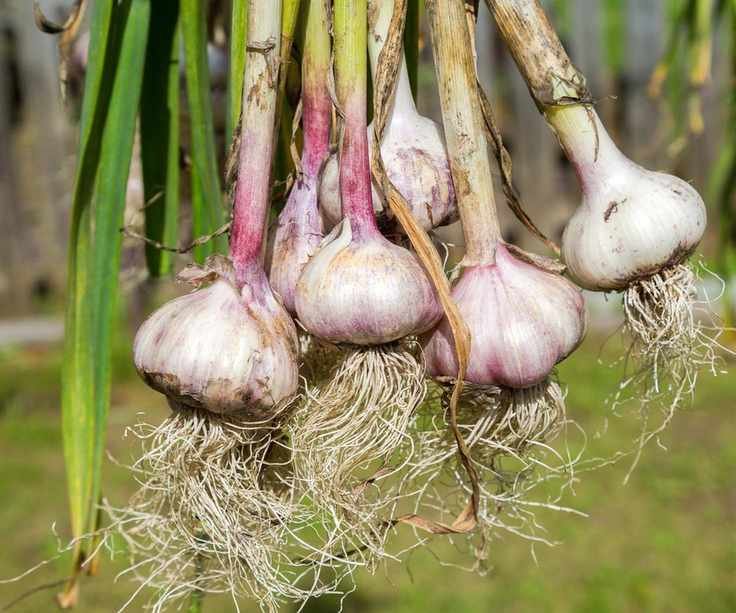
Gently remove as much soil as you can after harvesting garlic
Advantages and Disadvantages of Growing Garlic in Pots
The ability to grow garlic in pots allows anyone to cultivate this kitchen garden favorite, regardless of their living situation. This gardening method is simple, and your pots can be arranged in various locations, including balconies or patios.
Furthermore, container gardening lets you create the optimal growing conditions for your garlic, something that's more challenging to achieve in the ground. You can select the ideal soil type and adjust the location, even moving your pots to capture the most sunlight.
This method is especially beneficial for those who have experienced onion white rot in their gardens, a persistent fungal disease that hinders the growth of alliums like garlic and onions for years.
However, garlic has a lengthy growing season, often taking nearly 10 months from planting to harvest. This long commitment requires careful monitoring, consistent watering, and nurturing throughout the growing season. To ensure a successful garlic crop, you should plant multiple cloves, which may necessitate larger or numerous containers.
For those eager to start, suitable garlic varieties for pots include California Early and Early Italian, both available from Burpee. Additionally, Siberian hardneck garlic, available through Amazon, is another excellent choice.
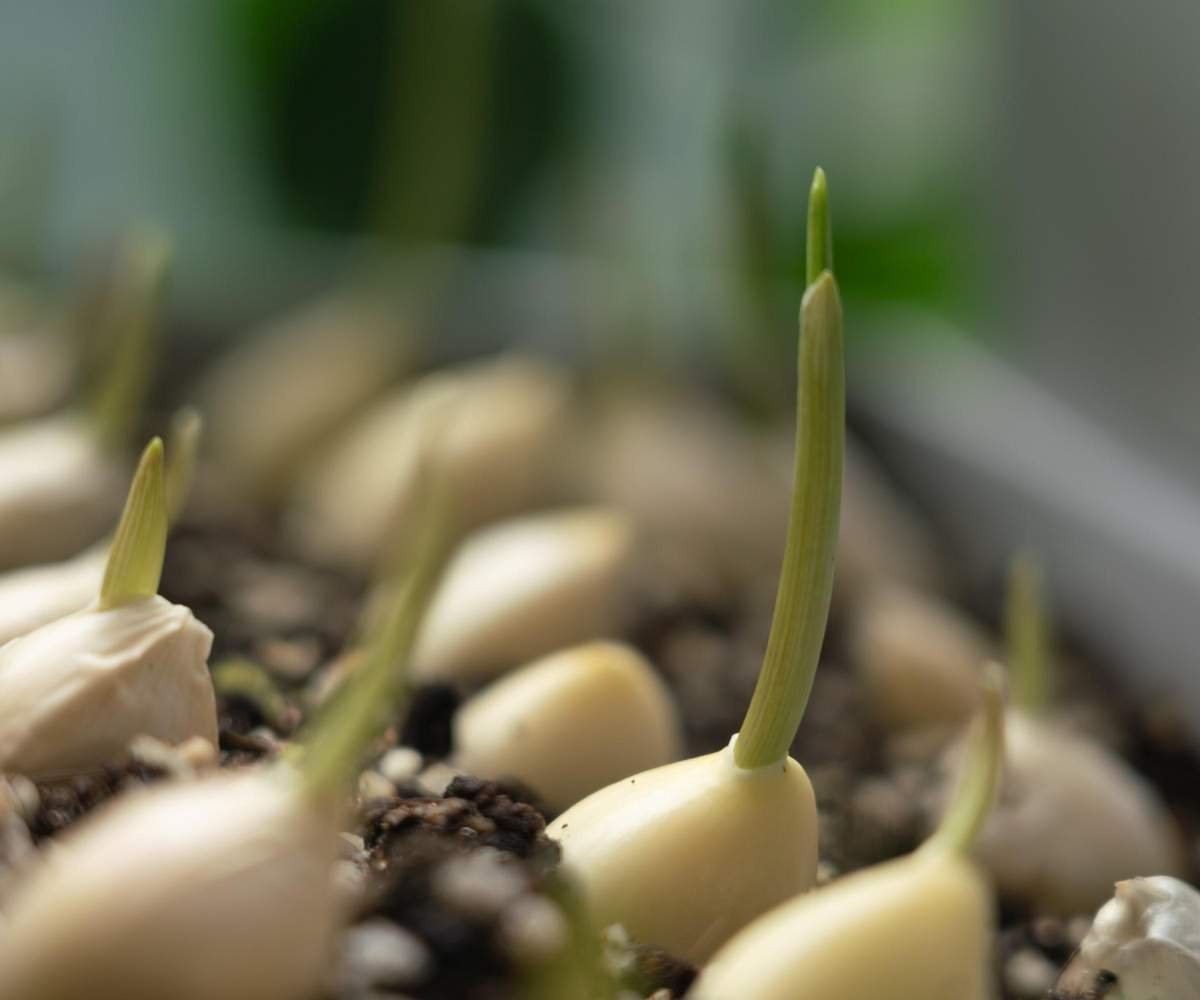
Regular watering is necessary for the growth of garlic until bulbs form
Seven Simple Steps for Growing Garlic in Pots
Cristian DeRusha, Farm Director at Arden, an agrihood community in South Florida, advises that every decision should focus on establishing the best environment for your plants. This includes selecting the right pot and protecting the bulbs from extreme weather conditions.
- Select Your Container: Use a large pot with a minimum depth of 8 inches that has good drainage to allow excess water to escape. Ensure it is spacious enough to provide 4 inches between each clove.
- Fill Your Pot with Soil: Opt for high-quality compost that drains well. Mix one part organic matter or well-rotted manure with two parts compost to enrich the soil. Consider adding a handful of granular organic slow-release fertilizer to the compost before planting.
- Plant Your Cloves: Separate heads of garlic into individual cloves, choosing the largest ones. Press each clove 3 inches deep into the soil with the pointed end facing up, spacing them about 4 inches apart to allow for proper growth.
- Add Mulch: After planting, water your pot and apply a thick layer of mulch or straw on top. Cristian recommends this strategy to insulate the garlic through winter. Wrapping your pot in bubble wrap can also protect it from freezing. You might also consider adding mulch during the season to retain moisture and safeguard the bulbs from harsh conditions.
- Choose the Right Location: Position your container in a sunny area that receives 6-8 hours of sunlight daily. If planting in winter, ensure the spot does not become overly wet.
- Maintain Watering: Throughout the growing season, water your garlic regularly to keep the soil moist, but avoid waterlogging. Excess moisture combined with insufficient sunlight can lead to increased humidity in the pot, raising the risk of disease.
- Monitor for Weeds: Keep the soil free of weeds to minimize competition for nutrients and water.
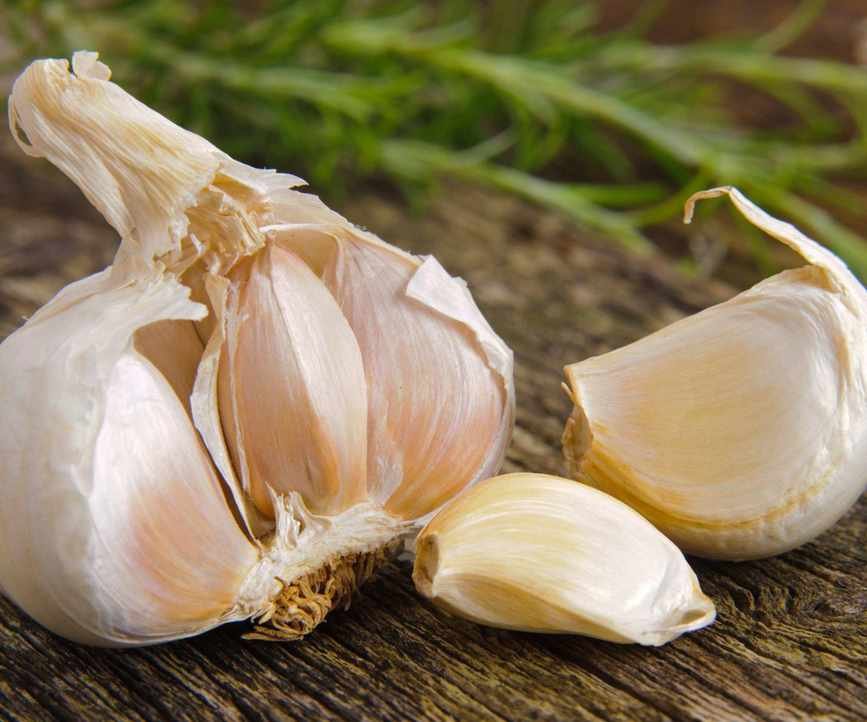
Garlic cloves are separated from the bulb for planting
When to Plant Garlic in Containers
The timing for planting garlic depends on the specific variety you select. There are two main types of garlic: hardneck and softneck garlic. Hardneck varieties are more robust and should be planted in the fall, requiring a cold period for optimal growth, ideally around two months at temperatures of -40˚F. On the other hand, softneck varieties do not tolerate extended cold and can be planted from fall until early spring.
Garlic planted in spring can still thrive, but the bulbs may be smaller. Some cultivars are better suited for late winter or early spring planting.
Avoid using cloves from store-bought garlic, as they may introduce diseases or be treated to prevent sprouting.

Avoid planting garlic cloves too deeply
Choosing the Best Pots for Garlic Cultivation
When it comes to selecting a pot for growing garlic, you have many options. Large planters can come in various sizes and materials, such as terracotta, plastic, ceramic, or slate.
Cristian DeRusha advises steering clear of terracotta pots in favor of plastic or glazed ceramic containers, which are frost-resistant and less likely to crack in cold weather.
Plastic or glazed ceramic pots retain moisture better than unglazed terracotta, which tends to dry out quicker due to its porous nature. This air movement through terracotta can lead to a drier soil, which is not ideal for garlic's need for consistent moisture. When watering plants in plastic pots, the soil remains moist for longer due to reduced air movement.
Besides being more susceptible to cracking in cold conditions, terracotta pots are also heavier and more cumbersome to reposition, making it challenging to add drainage holes if necessary.

Garlic can be harvested starting in early summer
Do You Need Fertilizer for Growing Garlic in Pots?
Garlic is a heavy feeder and requires regular fertilization, especially when grown in containers where nutrients can deplete quickly.
Adding nutrient-rich compost and additional fertilizer or well-rotted manure at planting provides a solid foundation. However, it will need more nutrients in spring, particularly if planted in fall. Feed your garlic with a high-nitrogen fertilizer, such as natural bone meal fertilizer, available on Amazon, at least once a month until early summer.
How Long Does It Take to Grow Garlic in Containers?
The timing for harvesting garlic depends on your local climate and conditions. Generally, garlic does not take longer to mature in containers compared to in-ground planting. There are key signs to watch for that indicate when your crop is ready.
Typically, garlic planted in the fall is ready for harvest by early summer, while spring-planted bulbs are often ready by early fall. A primary indicator that garlic is ready for harvest is when the leaves begin to turn yellow.



