

This winter, many of us are asking: how can we keep our homes warm without breaking the bank?
With energy costs soaring, finding ways to cut down on bills has become a priority. Learning how to winterize your home is vital for reducing expenses. Implementing expert-approved draft-proofing techniques can significantly enhance your comfort during the colder months. Thankfully, these methods are often quite straightforward.
Quick Draft-Proofing Tips for an Energy-Efficient Home
While researching the most cost-effective heating options is wise for future winters, you can take immediate action against cold drafts with these expert tips that genuinely improve your home's warmth.
1. Use Silicone to Fill Gaps in Door and Window Frames

According to architect George Omalianakis, sealing windows and doors is among the most effective ways to retain heat.
Start by addressing any spaces between the window or door frames and the surrounding structure. Silicone or expanding filler works well for this. 'These gaps let a lot of air escape, so prioritize sealing them,' George advises.
He also suggests using adhesive foam tape in the gaps between movable and fixed parts of your windows to block drafts. You can find this product on Amazon to help reduce drafts.
2. Install Draft-Proofing Strips on Doors and Windows

While considering front-door designs, don't overlook draft-proofing. Whether updating an existing door or installing a new one, adding draft-proofing strips can significantly minimize cold air entering your home.
These strips are typically self-adhesive or secured with small screws, making them budget-friendly and easy to apply. Punteha van Terheyden from Solved found that weatherstripping was a quick solution for her drafty door.
Check out Amazon's popular draft-proofing strips for both interior and exterior doors. They're simple to apply and easy to remove come spring.
3. Use Traditional Cushion Excluders

Sealing just the bottom of your front door isn't enough. If your interior doors don't reach the floor, drafts can still flow between rooms. While fixing strips may not be an option for renters, cushion excluders can effectively block drafts.
Consider purchasing charming dog-shaped draft excluders or stylish options from Fowong.
4. Hang Thermal Drapes
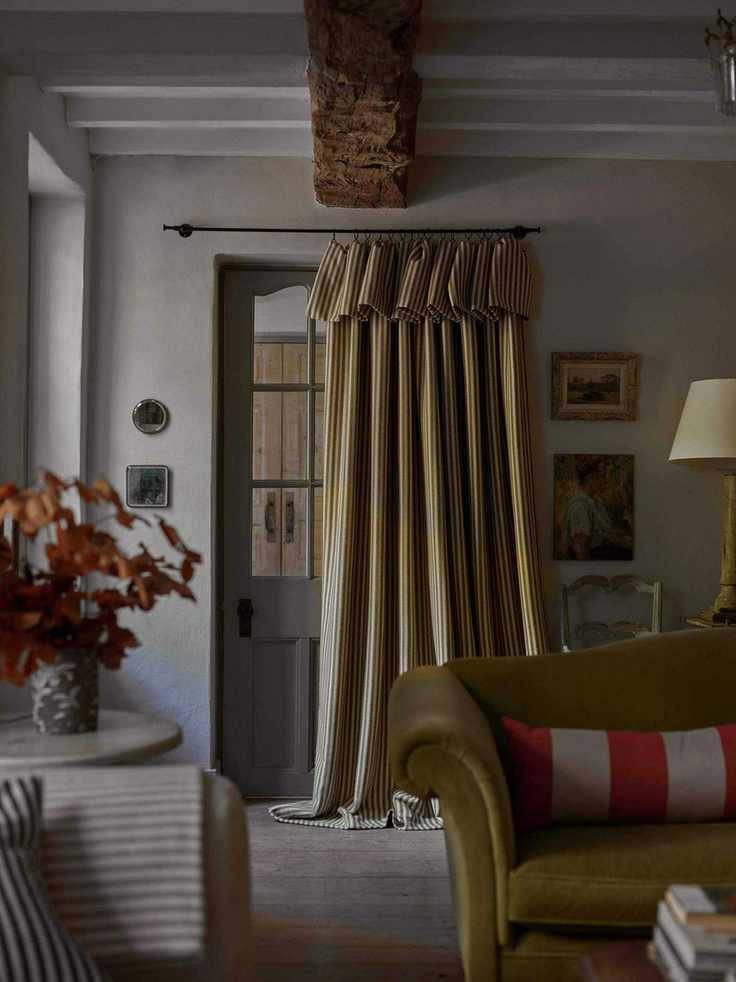
Glass is less effective at insulating than solid walls, so rooms with large windows or glazed doors often feel chillier. While sunlight can provide warmth during the day, thick drapes are essential at night.
If you invest in quality fabric for your drapes, the improvement will be noticeable. You can also enhance the effect by lining your existing curtains with thermal material. Options include ready-made thermal panels or basic thermal curtains from Amazon. These materials help retain heat and minimize drafts.
'Shutters can also greatly enhance window energy efficiency,' says Yvonne Keal, a Senior Product Manager. 'When closed, they can reduce heat loss by up to 62% through single glazing.'
5. Address Keyholes and Letterboxes
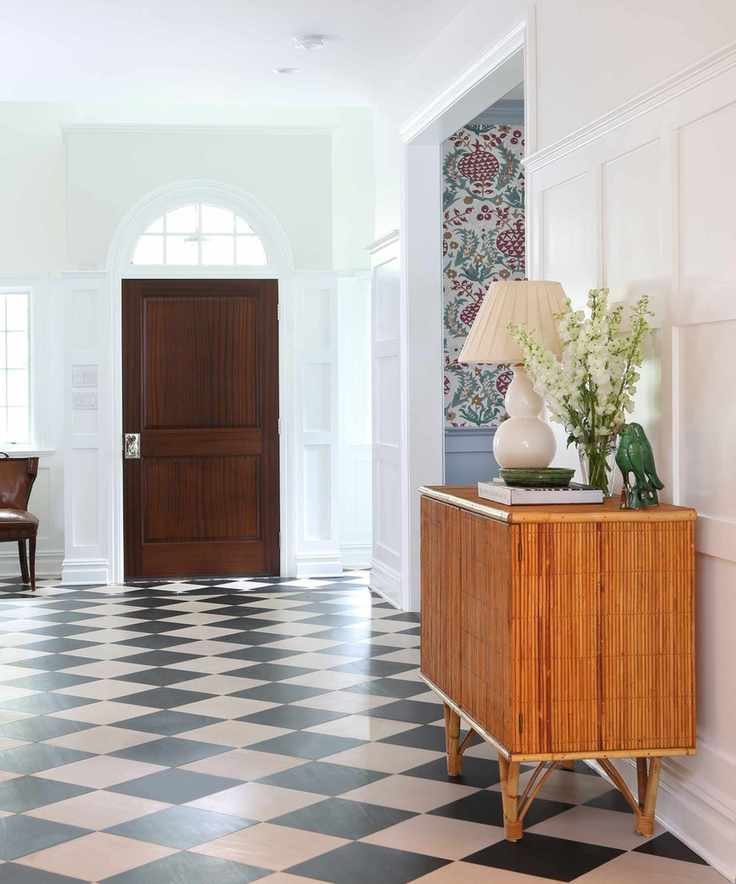
While your front door may be the primary source of drafts, keyholes and letterboxes can also let cold air seep in. Even interior doors with keyholes can contribute to drafts.
The solution? Use metal covers designed specifically for this purpose.
Kamil Kowalsk, president of LimakWay Remodeling, recommends adding insulation if you live in a cooler climate. Insulation can lower energy usage and improve indoor air quality, particularly beneficial for those with allergies or asthma. Adding insulation can be simple, too.
'Homeowners can enhance energy efficiency by installing new windows, drywall, roofs, or reflective insulation in attics,' Kamil explains.
6. Seal Unused Chimneys

During winter, you'll want to use fireplaces and woodburners for warmth, but unused chimneys can let cold air in and warm air out.
A simple DIY fix is to use chimney draft excluders, which can effectively block much of the cold air. You can find basic chimney balloons on Amazon, or try Flueblocker's wool draft stoppers, which are easy to install and remove.
7. Warm Up Original Wood Flooring

While original wood flooring adds charm, it can be drafty. A long-term solution is to insulate under the flooring, but that's not a quick fix.
Instead, opt for thick area rugs, which can help warm up a chilly room. Adding carpet underlay beneath existing rugs can provide extra insulation and extend the life of your area rugs. It's a win-win! Learn more about how to draft proof your living room with our specialized guide.
8. Insulate Attic Hatch Openings
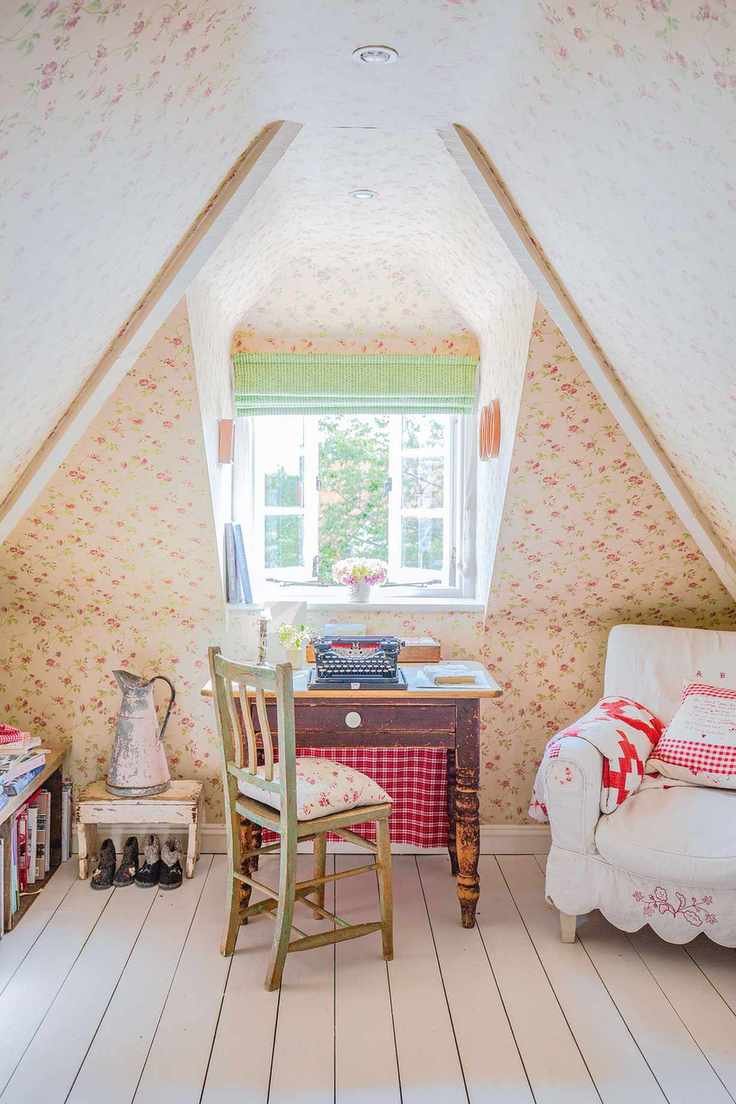
Your attic can be a valuable space, but if it's accessed through a ceiling hatch, insulating the upper side of the hatch door is crucial to prevent warm air from escaping.
George Omalianakis points out that attic hatches often do not fit snugly, allowing warm air to escape into a cold, drafty attic. 'Ensure you seal any gaps with weather-stripping products,' he advises.
9. Close Doors to Infrequently Used Rooms
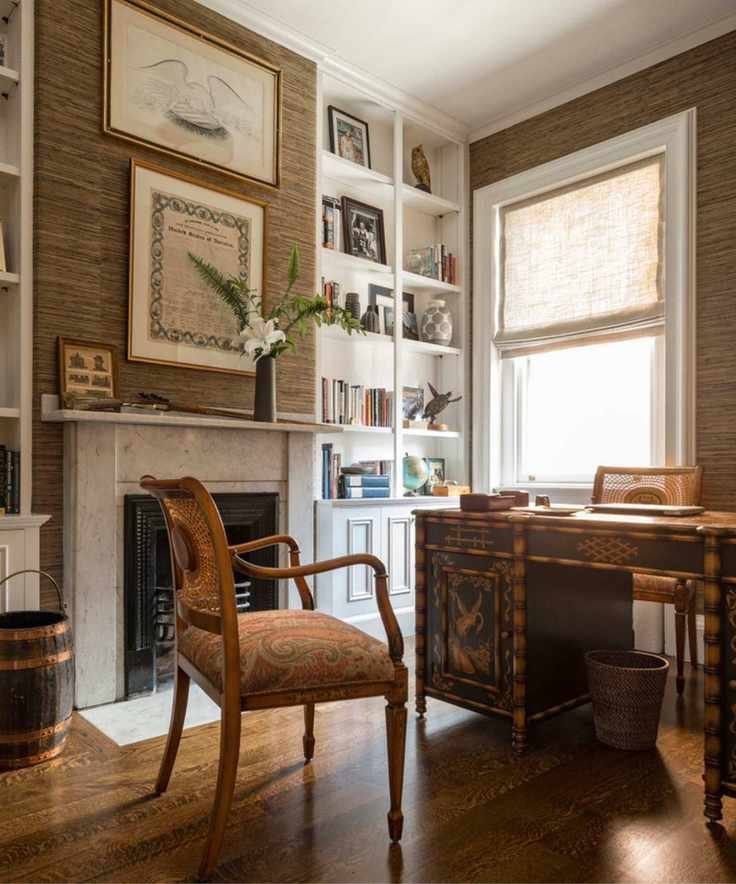
By closing doors to rooms you seldom use, you won't need to heat those spaces, preventing cold air from moving into heated areas. Keeping upstairs doors closed during the day also helps reduce drafts, as does keeping the door closed to your workspace.
What's the Most Common Draft-Proofing Mistake?
George Omalianakis emphasizes the importance of ventilation in maintaining a healthy home, especially in humid areas like bathrooms. 'Draft-proofing should prevent uncontrolled airflow, but always allow for necessary ventilation with trickle vents and fans for a balanced environment.'
Next, discover effective ways to draft proof your garage and your kitchen to minimize heat loss.



