For novice gardeners, perlite and vermiculite can be perplexing. Though they may sound alike and are used similarly in soil mixes, choosing incorrectly can harm your plants, leading to issues like waterlogging or suffocation.
We consulted two gardening specialists to clarify these materials and their best uses for various plants in your home and garden.
Generally, perlite promotes drainage while vermiculite enhances water retention, but there's more to consider.
Key Differences Between Perlite and Vermiculite

Both perlite and vermiculite are loose minerals beneficial in gardening. However, their properties differ significantly.
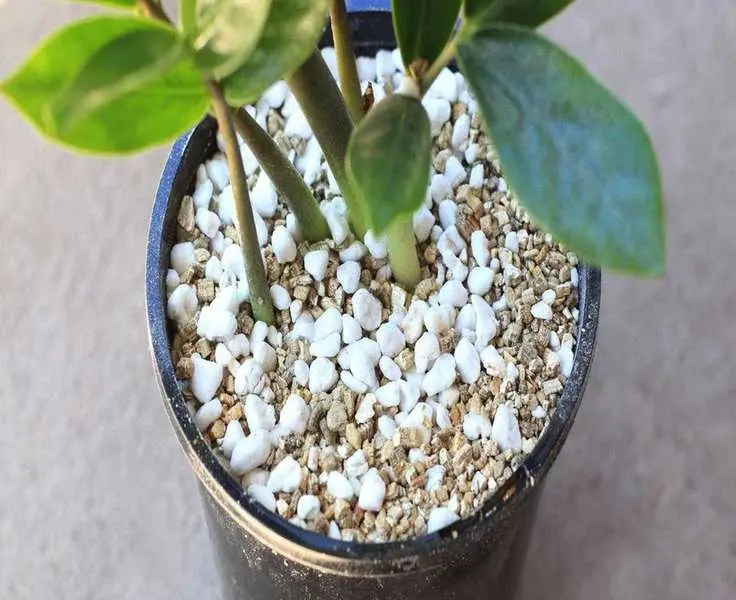
Garden expert Rhiannon Odey describes perlite as a lightweight, volcanic glass that expands when heated, creating a porous structure. This allows for soil aeration and effective drainage.
In contrast, vermiculite expands into a soft, moisture-retentive material. Rhiannon notes that it excels at keeping soil hydrated.
In summary, perlite is ideal for drainage, while vermiculite is preferable for moisture retention.

Rhiannon is a gardening expert.
Advantages of Using Perlite

Perlite is typically used for drought-resistant plants as it facilitates excess water drainage and prevents waterlogging. According to gardening specialist Valeria Nyman, "Perlite creates a loose texture that drains quickly, making it ideal for succulents, cacti, and other plants that dislike wet conditions."
Rhiannon also supports this, stating that perlite allows roots to breathe while preventing soil compaction, making it suitable for drier-loving plants.
This property also makes perlite effective for establishing cuttings.
For optimal results, mix perlite into soil at a 1:3 ratio, and incorporate into compost at a 1:1 ratio.
Plantonix Perlite
This US-made organic perlite enhances drainage while minimizing moisture retention.

Valeria serves as the Chief Product Officer at Taim.io, providing personalized gardening advice.
Disadvantages of Perlite
While perlite works well for desert plants, it's not suited for those requiring more moisture. It can help when potting plants like hydrangeas, which need well-drained soil, but be cautious not to overdo it.
Perlite is safe, though it can create dust that might irritate your respiratory system, so precautions are advised when handling it.
Additionally, perlite can be messy, blowing away in the wind if not properly mixed in. Rhiannon remarks, "Due to its light nature, it can easily scatter around the patio."
Benefits of Vermiculite

In contrast to perlite, vermiculite is excellent for moisture retention. Valeria describes it as "sponge-like" because it absorbs water, retains nutrients, and creates a favorable environment for seedlings and moisture-loving plants.
Rhiannon adds that vermiculite helps retain moisture and nutrients, making it ideal for seedlings and plants needing moist soil. It also aids in balancing soil pH and holds essential minerals like calcium, magnesium, and potassium.
This makes vermiculite particularly useful for houseplants like peace lilies and ferns that thrive in damp conditions, as well as for starting seedlings to boost their water uptake.
Harris Vermiculite
This affordable vermiculite effectively retains moisture in dry soils.
Disadvantages of Vermiculite
Similar to perlite, excess vermiculite can be problematic. It holds substantial moisture, and if used excessively, it can lead to overwatering. Rhiannon warns, "The downside is that vermiculite can retain too much water, leading to flooding of your plants."
While vermiculite helps with soil aeration, over time it may compact and hinder airflow to the roots, negatively impacting plant health.
Combining Perlite and Vermiculite
You can mix perlite and vermiculite to balance their benefits. A 50/50 blend can improve water retention while preventing waterlogging.
Alternatively, use perlite for seedlings and top with a little vermiculite for well-drained yet moisture-retaining soil.
Before purchasing these minerals, remember that other soil amendments can enhance your garden's health.
Rhiannon notes, "Coco coir, sand, and bark also naturally improve soil structure, while biochar promotes water retention and supports beneficial microbes. Mixing various amendments often yields the best results for your garden."
Valeria adds that compost is superior for long-term soil health, and rice hulls or pumice can serve similar purposes without breaking down quickly.