
Soil health often takes a backseat while we focus on cultivating beautiful plants. That's why World Soil Day, celebrated on December 5, is crucial. This yearly event encourages awareness about sustainable soil practices and offers tips to enhance soil quality.
If your plants are struggling to thrive, it might be time to evaluate your soil health. Issues such as nutrient deficiencies, poor drainage, and mold can hinder plant growth. But don't worry! There are many ways to revitalize your soil, and the simplest solution is to grow plants that naturally improve soil quality.
Regardless of the soil type in your garden, specific plants can enhance nutrient levels, reduce compaction, and repel pests. Here are five fantastic plants that will help elevate your soil's health.

5 Plants That Enhance Soil Quality
Before you rush to plant these options, remember that different species thrive in various soil types. Always check your soil's pH level and type to ensure compatibility. A soil test kit from Amazon can help you understand the current condition of your soil.
'Healthy soil is dynamic and teeming with life—just a teaspoon contains more microorganisms than people on Earth,' notes Valeria Nyman, a gardening expert from the app Taim.io.
'Conversely, poor soil resembles a ghost town. Without proper care, it erodes, compacts, and loses its capacity to support crops. By improving soil, we enhance resilience, which is vital for future generations,' she adds.
With this insight and a clearer understanding of your soil, consider growing these remarkable plants that enhance soil quality:
1. Wild Lupine
- US hardiness zone: 3-8
- Soil type: Loam, sand
- Soil pH: Neutral to acidic
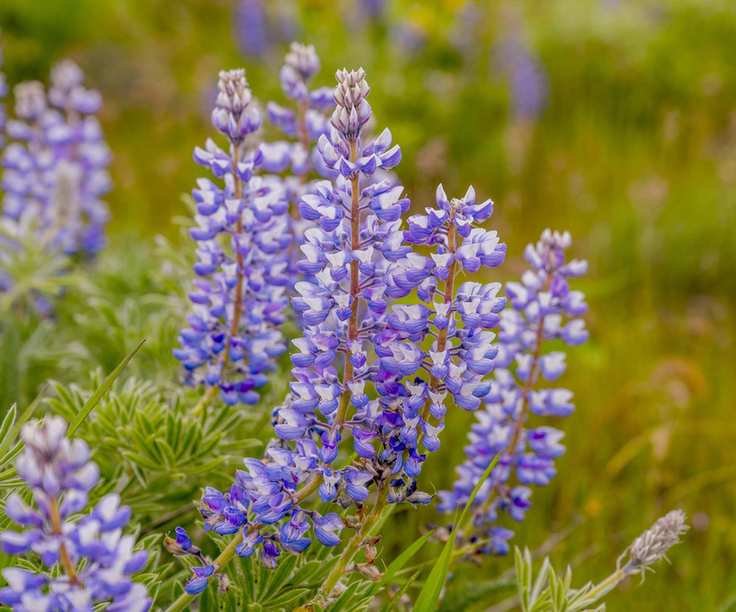
If you enjoy cottage gardens or want to incorporate more of these plants, wild lupines (Lupinus perennis) are excellent for the soil.
'Lupines act as nature's nitrogen factories, collaborating with bacteria to fix nitrogen in the soil, making it accessible for other plants,' explains Valeria.
Nitrogen is crucial for various plant processes, particularly vegetative growth. Signs of nitrogen deficiency include stunted growth and yellowing leaves.
'I once planted wild lupine in a barren corner of my yard, and within a year, it transformed into the most vibrant area of the garden,' says Valeria. 'Their deep roots also help break up compacted soil,' she adds.
You can propagate lupines easily from seeds, cuttings, or division, allowing you to spread them throughout your garden for maximum soil benefits.
2. Borage
- US hardiness zone: 2-11
- Soil type: Chalk, clay, loam, sand
- Soil pH: Acidic, alkaline, neutral
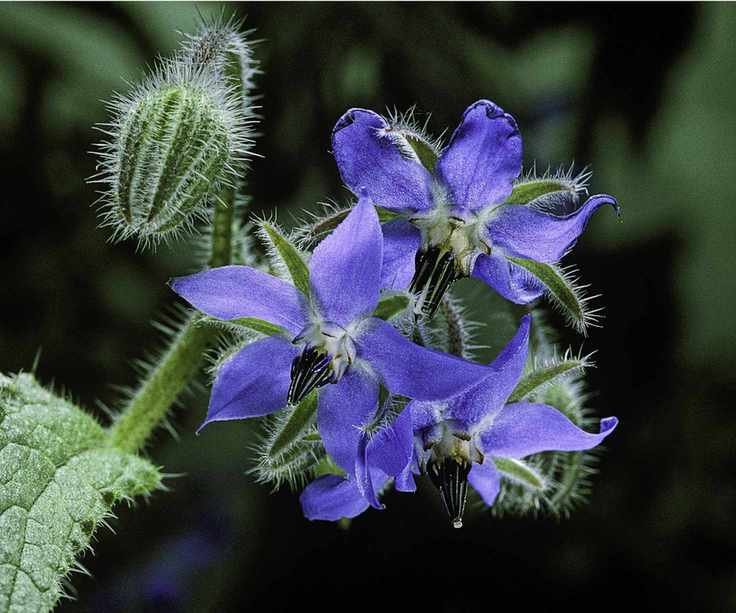
Borage (Borago officinalis) is a popular herb known for its mild cucumber flavor and striking blue flowers, often found in wildflower gardens.
'Its leaves are nutrient-dense, and as they decompose, they enrich the soil,' Valeria explains. 'Bees are also attracted to borage, which enhances pollination for nearby plants,' she adds.
This plant serves multiple purposes in the garden. It releases essential nutrients, such as calcium and potassium, back into the soil.
'Additionally, borage thrives in poor soil, making it an excellent pioneer plant,' Valeria points out.
You can purchase borage seeds on Amazon.
3. Marigold

- US hardiness zone: 2-11
- Soil type: Clay, loam, sand
- Soil pH: Acidic, alkaline, neutral
Marigolds (Tagetes) are well-known for their pest-repelling qualities due to their strong scent. However, they also provide benefits below the soil surface:
'They release compounds from their roots that inhibit nematodes, tiny pests that can harm plant roots,' Valeria explains.
It's essential to note that harmful nematodes, such as root-knot nematodes, can damage plants. The toxins produced by marigold roots can eliminate these pests. 'Healthier roots lead to improved soil structure over time,' she adds.
Marigolds are incredibly versatile plants that can flourish in container gardens, balcony gardens, or vegetable patches.
Start with a marigold grow kit from Nature Hills.
4. Red Clover

- US hardiness zone: 5-9
- Soil type: Clay, loam
- Soil pH: Acidic
Among the flowering weeds beneficial to pollinators, red clover (Trifolium pratense) stands out. Its pink blooms create a lovely carpet in lawns and are rich in nitrogen.
'Red clover excels at fixing nitrogen and enhancing soil texture. It also provides shade, reducing erosion and moisture loss,' Valeria explains. 'Farmers often plant red clover between crop cycles, but it's also great for home gardeners. It acts like a living blanket for exhausted soil,' she adds.
This ground cover plant is also beneficial for maintaining soil structure. Some varieties naturally self-seed, meaning you won't have to worry about replanting it, as long as you're okay with it popping up in unexpected spots.
Find red clover seeds on Amazon.
5. Sunflowers
- US hardiness zone: 2-11
- Soil type: Chalk, clay, loam, sand
- Soil pH: Alkaline, neutral, acidic
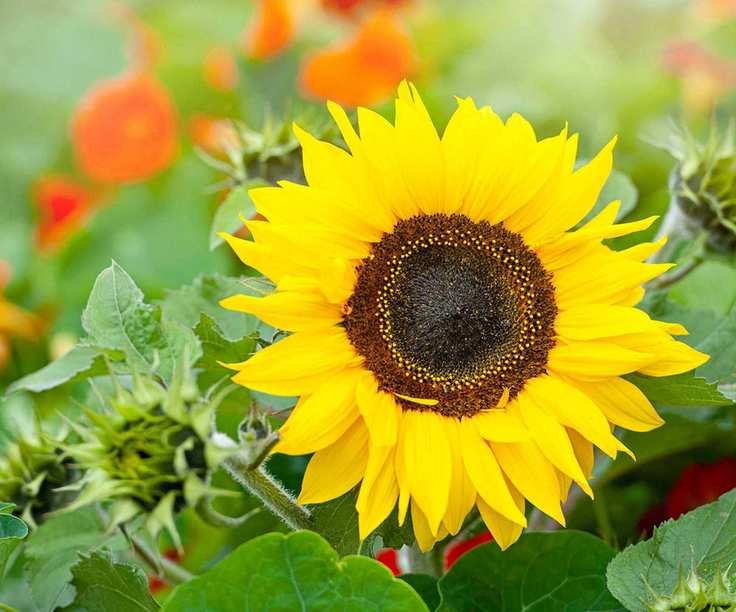
Sunflowers are a favorite on many gardeners' spring to-do lists. These cheerful blooms rise tall in summer gardens before gardeners harvest seeds in the fall. If you're not yet convinced to grow them, consider their remarkable ability to enhance soil health:
'Sunflowers are soil scrapers. They draw up heavy metals and toxins, acting as natural soil cleaners,' Valeria explains.
This process, known as phytoremediation, involves the roots absorbing contaminants from the soil. As Valeria mentions, this leaves your soil 'cleaner.' Furthermore, beneficial nutrients like zinc can be released from sunflowers and shared with nearby plants.
'While they're busy working underground, their blossoms provide food for wildlife,' Valeria adds.
Frequently Asked Questions
Are there any plants that harm soil quality?
While it's not a straightforward issue, certain plants can negatively impact soil and garden health. For instance, invasive species and invasive bulbs often grow aggressively, disrupting ecosystems and altering soil structure. Similarly, plants with taproots can complicate soil management, despite also helping to aerate compacted soil.
Starting with these soil-enhancing plants is a great way to improve soil nutrients and enhance your soil's structure. If you find that you need to adjust your soil's pH, numerous methods are available to acidify your soil.



