
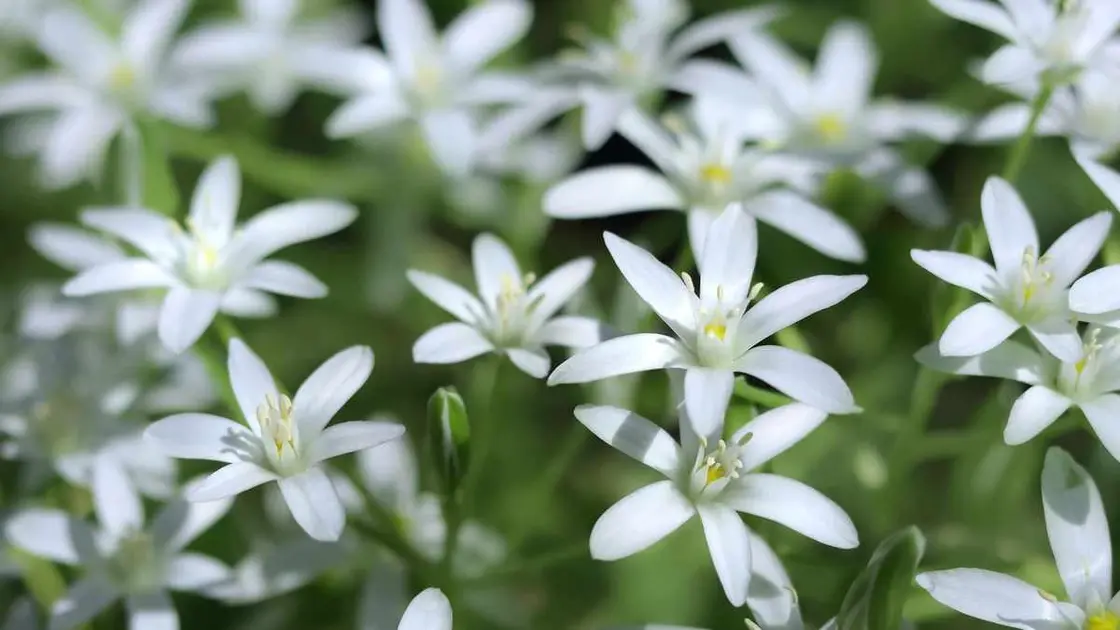
While tulips, daffodils, and hyacinths are beloved for their vibrant colors and delightful scents in spring, there are a few bulbous plants that should be avoided in your garden.
Whether you have a small urban garden or a sprawling rural landscape, invasive bulbs can create significant issues by overshadowing native plants and seizing control of your flower beds.
Having planted tens of thousands of bulbs throughout my gardening career in both public and private spaces across the UK and Italy, I have learned the importance of recognizing which bulbs to avoid. This guide highlights the invasive bulb species to keep out of your garden and suggests better alternatives to cultivate instead.
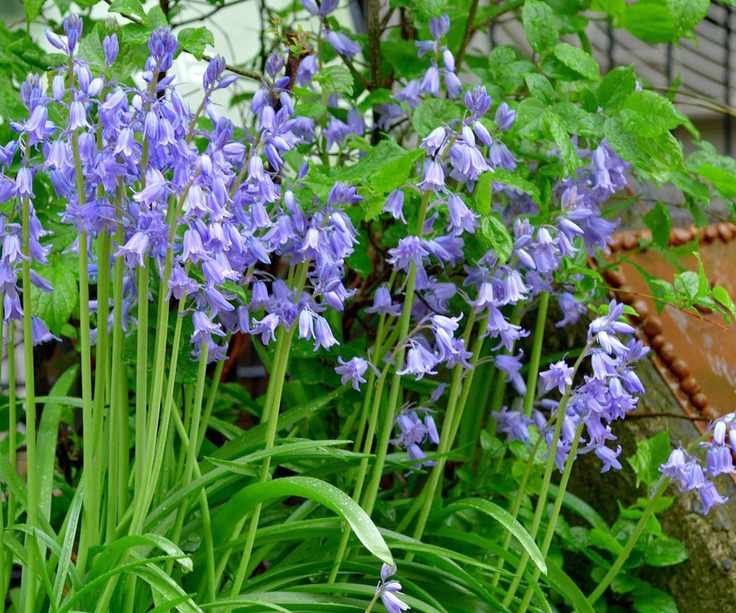
5 Invasive Bulbs to Avoid
Typically, bulb planting occurs in the fall and winter months, although this can vary based on your US hardiness zone. Most gardeners aim to plant bulbs during October, November, and December. With so many beautiful options available, it's essential to be cautious of invasive plants that can disrupt your garden's ecosystem. Avoid making planting mistakes this season by following my recommendations below.
1. Star of Bethlehem
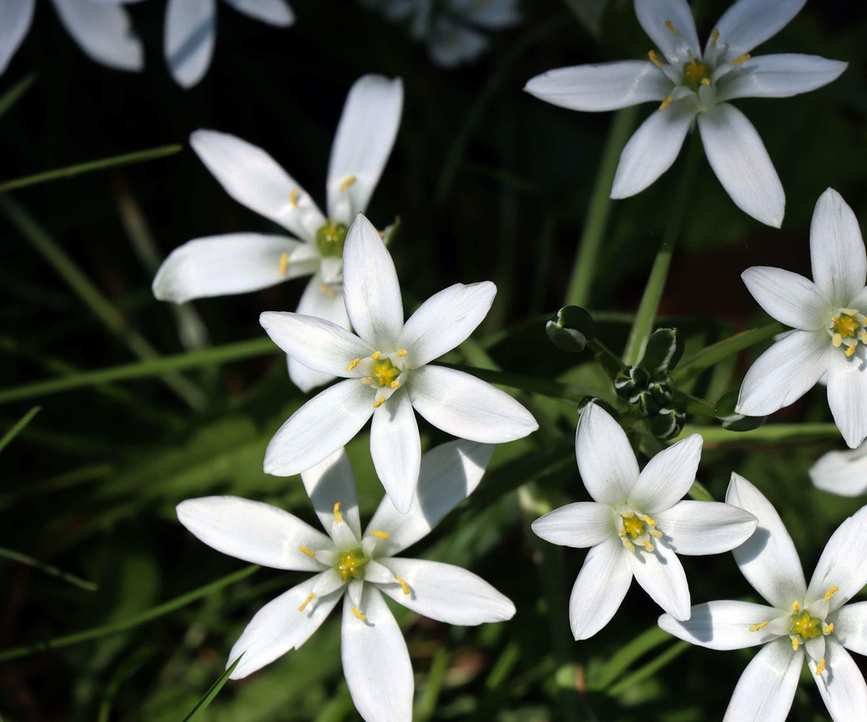
The Star of Bethlehem, known scientifically as Ornithogalum umbellatum, features stunning white flowers that often blanket wooded regions. I have successfully grown this plant in both the UK and Italy, where it harmonizes well with other spring blooms without overwhelming them.
However, in various US states such as Indiana, Kentucky, Maryland, and Pennsylvania, this species is regarded as invasive. It can take over meadows and woodlands, outcompeting native plants.
To stay informed, always check with your local government to determine which plants are classified as invasive in your state. In general, it's best to avoid planting this species in the US.
If you'd like white flowers in your garden, consider planting snowdrops instead. Snowdrops are hardy from US hardiness zone 3 and should be planted before December for a beautiful winter and spring display. Snowdrop bulbs can be found on Amazon.
2. Siberian Squill

Siberian squill, or Scilla siberica, may look delicate, but this bulb can grow quite aggressively. It is native to Russia and the Caucasus and tends to thrive in cold and wet climates, making it a potential invasive species in some areas.
You can identify this plant by its bright blue spring flowers. Although it may appear charming, Siberian squill has become a problem in parts of the Midwest, particularly in Minnesota and Indiana. While it's available at many nurseries, I recommend steering clear of this bulb, especially in regions with mild, rainy conditions.
For a more manageable alternative, consider planting less aggressive varieties of Scilla, such as glory of the snow. Another excellent choice is the species tulip, Tulipa sylvestris, which is gaining popularity among gardeners. These tulips thrive in full sunlight and can be grown in hardiness zones 3 to 7. According to Vanessa Elms, a bulb expert, species tulips are smaller and more perennial, returning reliably year after year in suitable conditions.
Tulipa sylvestris bulbs can be ordered through Amazon.
3. Spanish Bluebells
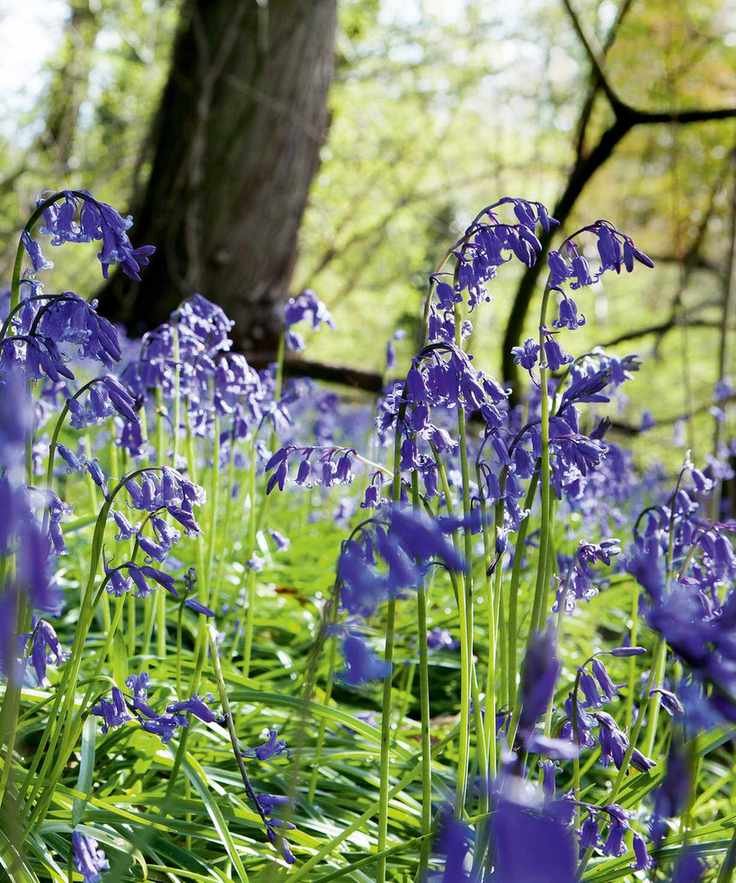
Spanish bluebells, scientifically known as Hyacinthoides hispanica, are regarded as invasive across the UK, Ireland, and the US. While their lilac or blue flowers may seem appealing when blanketing a woodland floor, this species can create significant problems in your garden.
Instead, consider planting other less aggressive teal plants, like grape hyacinths. One of my favorites is Muscari armeniacum 'Valerie Finnis', which can thrive in pots or in the ground from US hardiness zone 4 and above.
'Valerie Finnis' bulbs are available on Amazon.
4. Wild Garlic
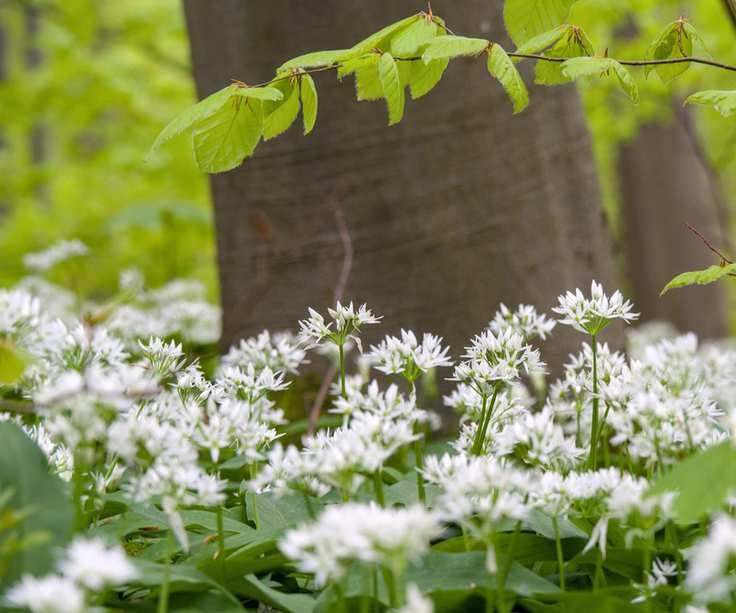
Wild garlic, or Allium ursinum, can create dense carpets in woodland areas. Its delightful aroma makes it a favorite in the UK during spring, with many people harvesting its leaves for culinary use.
Nonetheless, wild garlic can become quite invasive, especially in moist forested areas. It spreads rapidly, forming thick mats that can inhibit the growth of other perennial bulbs.
If you have ample space, wild garlic can flourish; however, for smaller gardens, it's best to avoid this plant. Instead, consider planting chives, which are available at Walmart. They are fragrant herbs that can enhance your garden's sensory elements.
5. Lily of the Valley
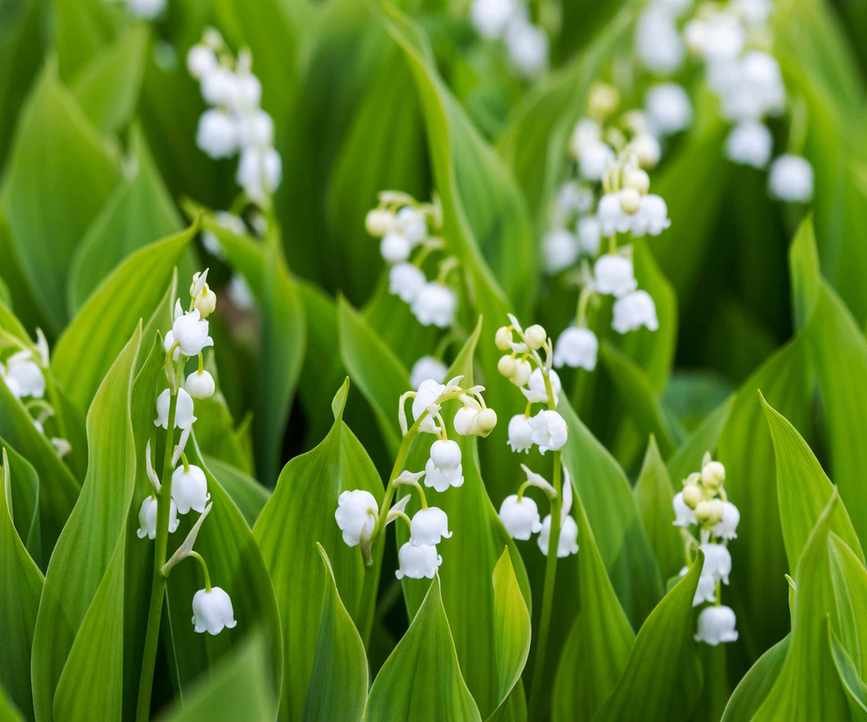
Lily of the valley is often considered one of the best ground cover plants, known for its charming white flowers in spring. While they are commonly referred to as 'bulbs', they actually grow from pips, which are small shoots from a rhizome.
This popular woodland plant can become invasive in certain conditions. 'I would recommend against growing the common species of lily of the valley, Convallaria majalis, as it is notorious for being invasive in many parts of North America,' advises Carolyn Walker, a plant expert. 'In some areas of Maine, it has completely eradicated native flora.'
As an alternative, Carolyn suggests cultivating the pink variety, Convallaria majalis var. rosea, which tends to be less vigorous while still offering the classic lily of the valley blooms that gardeners adore.
FAQs
What Should I Do If My Yard is Overrun with Spanish Bluebells?
If you're dealing with an invasion of Spanish bluebells, there are effective methods to remove them. However, be prepared for a lengthy process, as eliminating them can be quite challenging. During the spring, when they are in leaf, use a garden spade or fork to dig out the foliage, stems, and bulbs.
The bulbs are typically located within the top 10 inches of soil, so take your time to excavate thoroughly. While you may not remove every bulb, repeating this procedure annually should help reduce their presence over time. Dispose of the bulbs in a green waste collection; don't add them to your compost.
As you plan your spring garden, remember that there's an abundance of beautiful bulbs to choose from. Whether you find yourself mesmerized by stunning images of bulbous plants online or in magazines, always select varieties that are suitable for your region and avoid those classified as invasive.
For more inspiration, consider learning how to cultivate snake's head fritillaries, which feature beautifully patterned flowers.
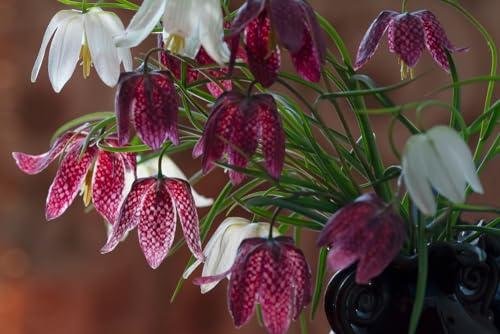
These fritillaries, available in purple or white, are sure to draw attention with their unique checkered petals.



