
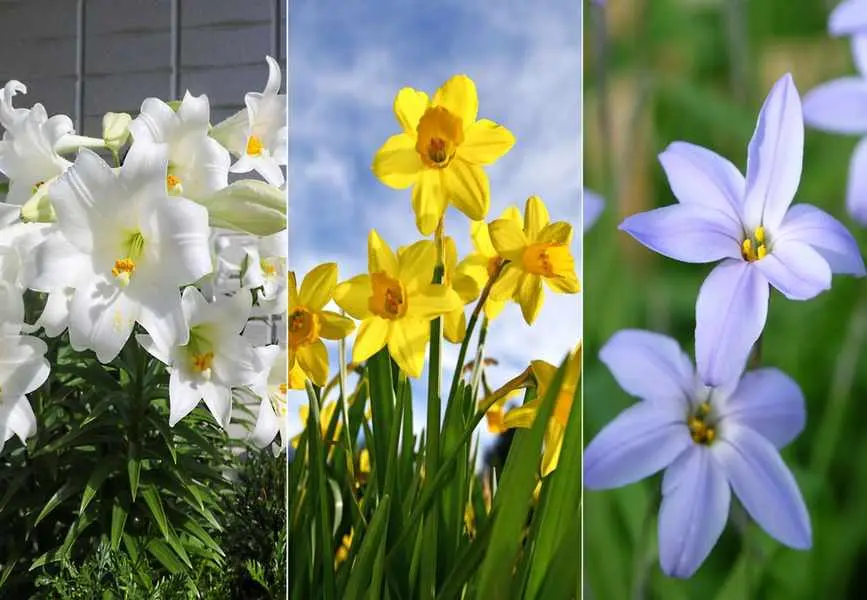
For dependable blooms that return annually, perennial flowering bulbs are the way to go. Many of these can be planted in fall, ensuring flowers throughout spring and summer.
While tulips and hyacinths are often treated as annuals, a variety of spring bulbs are perennial. Additionally, summer-flowering bulbs planted in fall can flourish year after year. With careful planning, you can enjoy blooms from winter through fall. Here, we highlight 12 excellent perennial bulbs to consider for fall planting.

Bulbs can thrive in the ground or containers
12 Perennial Bulbs for Fall Planting
"For optimal results, plant bulbs in cooler temperatures, ideally between 40-50 degrees Fahrenheit," says garden designer Laura Janney.
Fall is perfect for planting bulbs, allowing them to establish before spring and summer blooms. Not sure which bulbs to choose? Explore our top picks below.
1. Allium
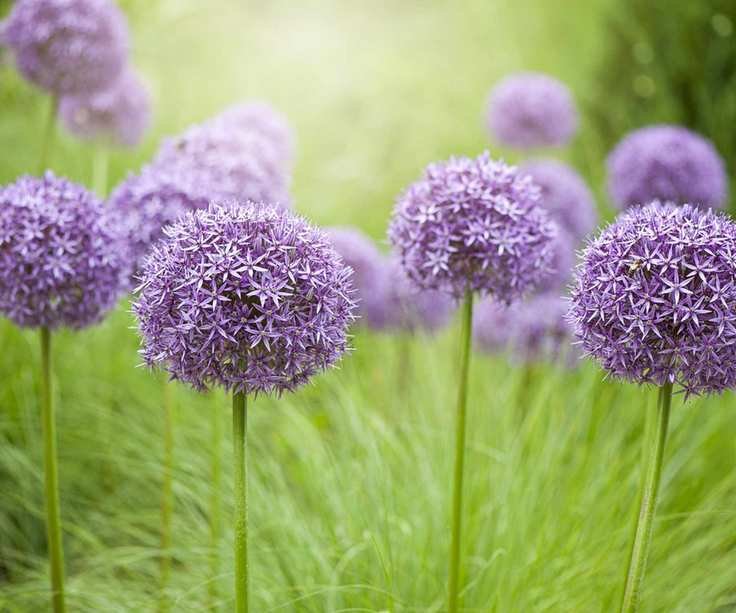
Alliums attract pollinators
- Planting time: October-November
- Planting depth: 4-8 inches
- Flowering time: May-July
Consider alliums for your fall planting plans. Best planted in October, these perennials bloom from mid-May to late June.
Laura notes, "Alliums add height and drama to gardens in mid-spring. They resist deer and maintain their appeal even when dried, contributing texture to your landscape."
Alliums, available in various sizes, can reach heights from six inches to over five feet, with flower heads exceeding eight inches wide. They bloom in shades of purple, pink, blue, and white, and even dried heads remain attractive in the garden.
Plant alliums in full sun; they prefer well-drained, fertile soil and don't thrive in damp areas. Cut back foliage and spent heads after flowering, allowing the bulb to rest over winter.
Allium 'Purple Sensation' is a popular variety, and you can find these and more at Nature Hills.
2. Bluebell

Bluebells have a sweet fragrance
- Planting time: September-October
- Planting depth: 4-6 inches
- Flowering time: April-May
Bluebells thrive in shady areas and are typically planted in groups for a stunning display of blue blooms in April and May. They grow to about one foot tall and are perfect for cottage gardens, attracting bees and butterflies.
They prefer moist, well-draining soil enriched with compost or leaf mold. As woodland plants, they enjoy dappled shade and may take a few years to reach peak bloom.
"Plant them alongside other perennials to disguise dying foliage once they go dormant by early summer," suggests bulb expert Peggy Anne Montgomery.
Check out Virginia bluebell bulbs at Nature Hills.
3. Camassia

Camassias are excellent cut flowers
- Planting time: September-December
- Planting depth: 4-6 inches
- Flowering time: April-June
Camassias produce star-shaped blooms in blue, purple, or white from late spring to early summer, following the earlier spring bulbs. These native US plants thrive in full sun and can tolerate heavier soils.
They range from 12 inches to 3 feet tall and are ideal for meadows or mixed borders. Allow them to die back completely before cutting to ensure energy is stored for next year.
Explore camassia bulbs available at Burpee.
4. Crocus

Crocuses are perfect for spring displays
- Planting time: September-November
- Planting depth: 3-4 inches
- Flowering time: February-March
Crocuses, which grow from corms, are often grouped with spring bulbs. They bloom in vibrant colors, providing early relief from winter's gloom.
"Dutch crocus feature the largest blooms and come in various colors, often with striped petals," says Peggy.
Plant crocuses in the fall, ideally six to eight weeks before the first frost. They thrive in well-draining soil and prefer sunny spots, working well at the front of beds or in grassy areas.
Find a variety of crocus bulbs at Nature Hills.
5. Crown Imperial Fritillary

Crown imperials feature reddish-orange blooms
- Planting time: September-October
- Planting depth: 1 foot
- Flowering time: April-May
Crown imperial fritillaries grow up to three feet tall, displaying large, bell-shaped flowers in late spring. They prefer well-draining soil and should be planted immediately upon arrival.
Plant bulbs at an angle to prevent rot, and position them in sunny spots. After blooming, cut back spent stems and mulch for winter protection.
Find red and yellow varieties, including 'Imperial Red' and 'Imperial Yellow' at Nature Hills.
6. Daffodil
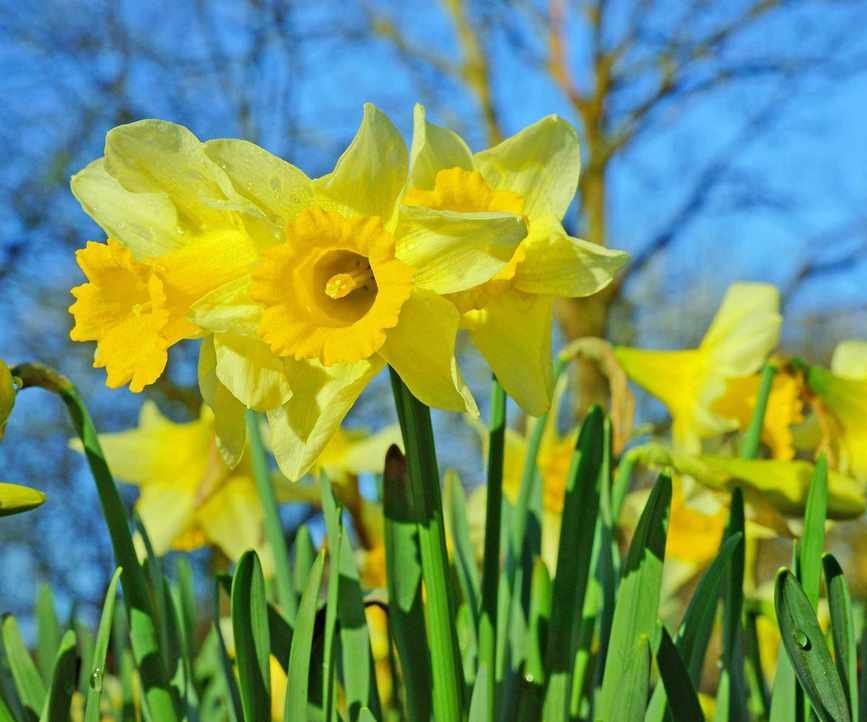
Daffodils bloom for several weeks
- Planting time: September-November
- Planting depth: 4-6 inches
- Flowering time: February-May
Daffodils are among the most anticipated spring blooms, with numerous species and cultivars. They provide vibrant color from February through May.
Plant daffodils between September and November in full sun and well-drained, moist soil. They bloom beautifully each year with minimal care. Deadhead flowers after they bloom, but leave foliage to store energy.
"For an attractive garden layout, position daffodil bulbs a third of the way back in beds to hide fading foliage," Laura advises. Unique varieties, like soft white and peach, can add diversity to your display.
Explore the daffodil bulbs available at Nature Hills.
7. Grape Hyacinth
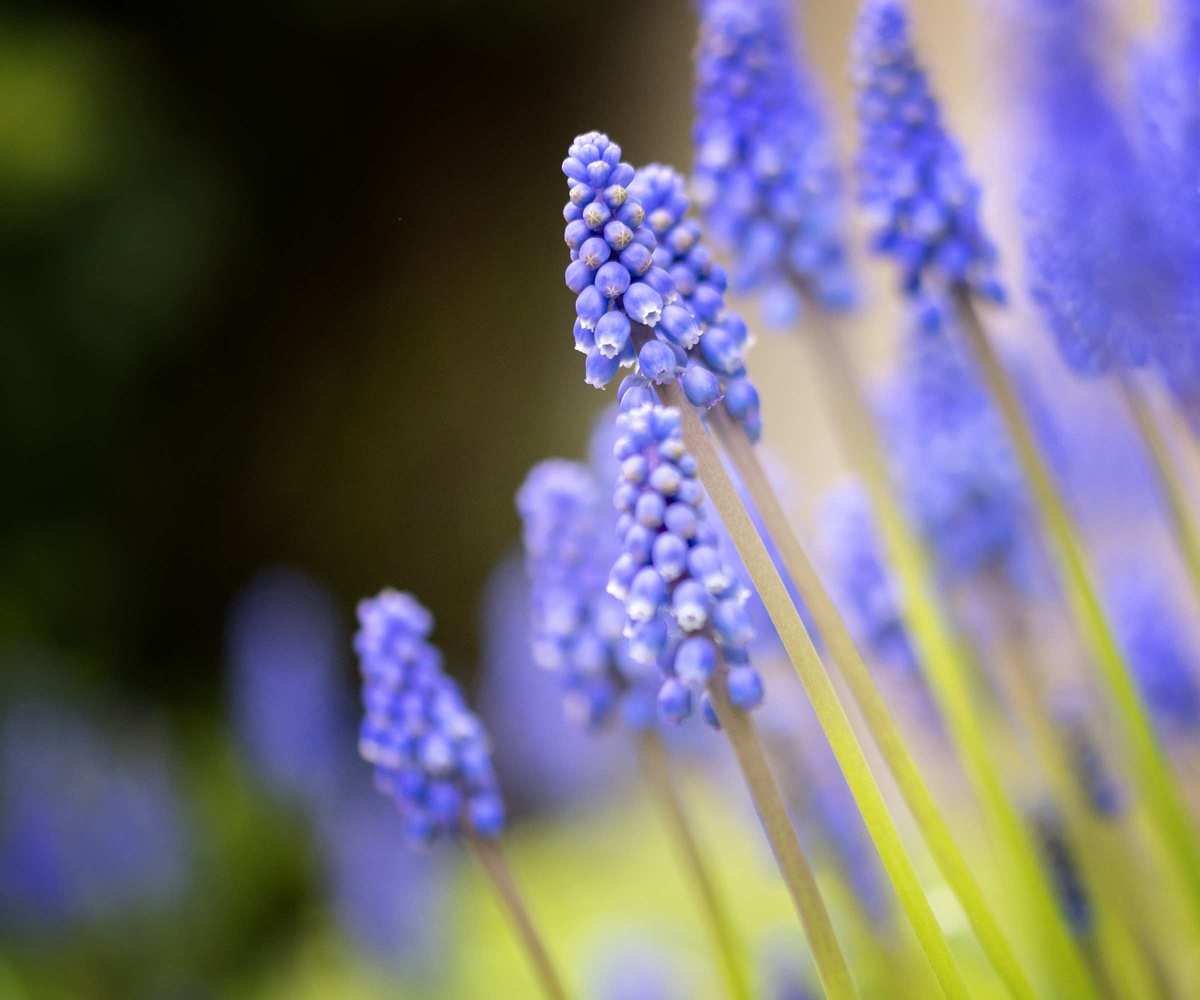
Muscari resemble clusters of grapes
- Planting time: September-November
- Planting depth: 3-4 inches
- Flowering time: April-May
Grape hyacinths, or Muscari, are often planted for vibrant mid-spring blooms in blue, pink, yellow, or white. These versatile bulbs grow to around eight inches and can thrive in borders, containers, or lawns.
Muscari can flourish in sun or shade and are hardy in zones four to nine. They should be planted in groups for best effect and will naturalize over time.
To limit their spread, deadhead flowers to prevent reseeding. Established clumps can be divided and moved as desired. Explore hyacinth bulbs at Nature Hills.
8. Iris
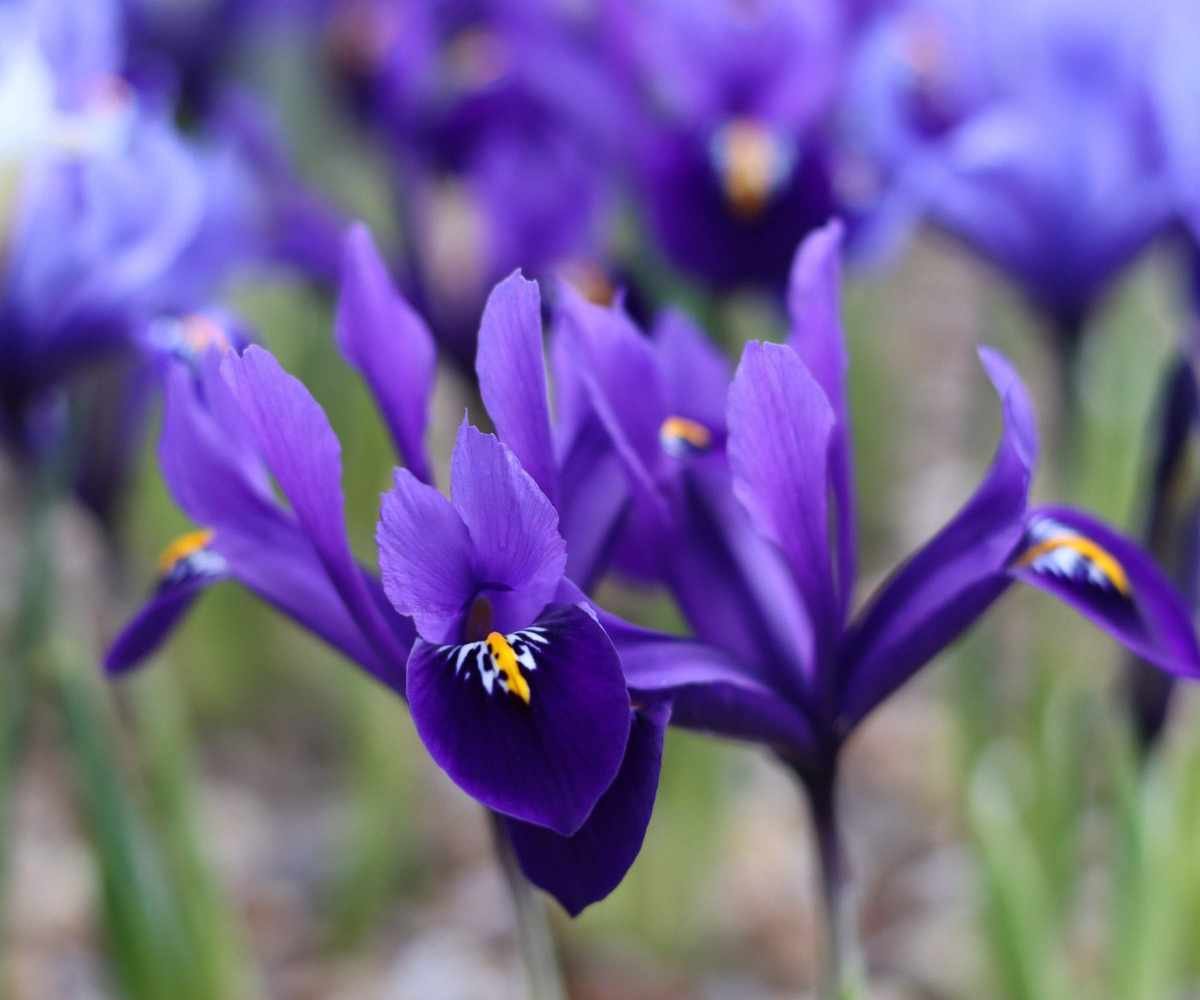
Irises are trimmed in fall
- Planting time: September-October
- Planting depth: 6 inches
- Flowering time: February-June
Irises can grow from bulbs or rhizomes, with smaller types typically grown from bulbs. They are ideal for rock gardens or borders.
Early fall is the best time to plant irises, which can bloom from mid-winter to early summer. They prefer sunny, sheltered spots and often thrive in large groups.
Dwarf irises, like Iris reticulata, are favored for planting under trees or in containers. Minimal maintenance is needed; deadheading is optional, and cut back at the end of the season.
Find harmony dwarf iris at Nature Hills.
9. Lily
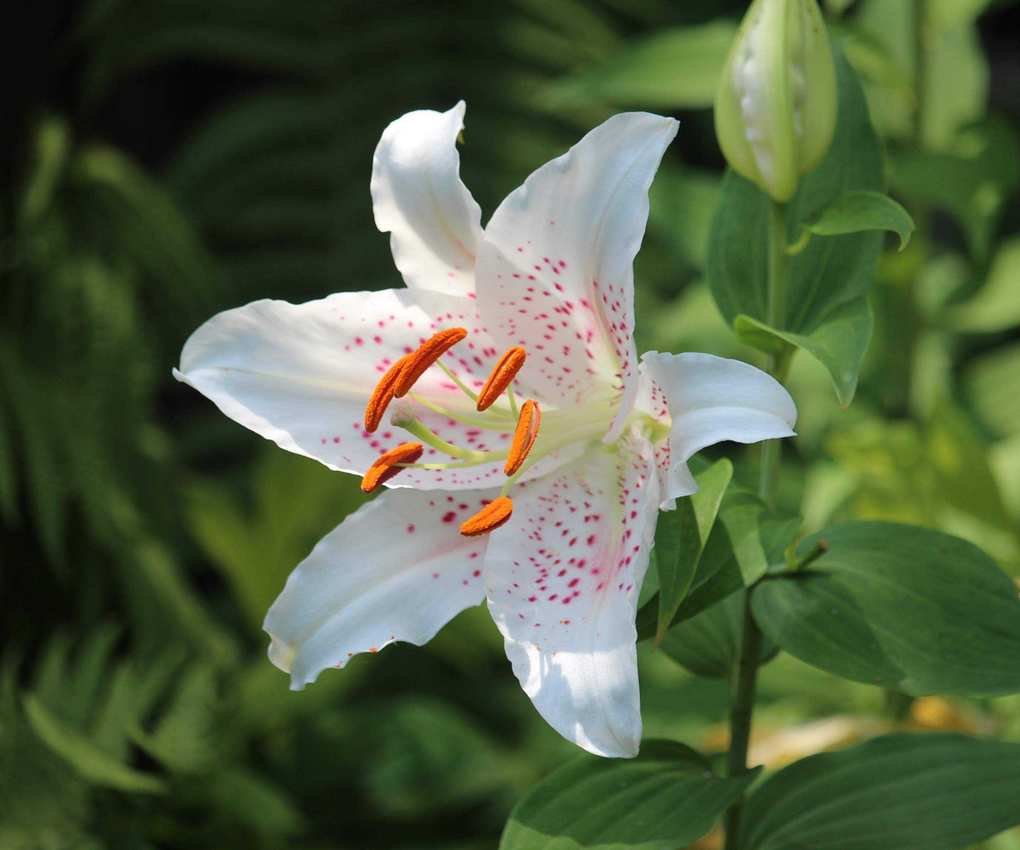
Large lilies can reach six feet high
- Planting time: Late fall onwards
- Planting depth: 8 inches
- Flowering time: June-July
Lilies offer a stunning summer display with their large, fragrant blooms available in numerous colors. Popular types include Oriental and Asiatic lilies, which can be planted in late fall, winter, or spring.
These bulbs require deep planting, around eight inches, to stabilize tall stems and may not need staking. They prefer full sun and fertile, moist, well-draining soil, thriving even in containers.
For larger varieties, staking may be necessary, and deadheading promotes better flowering. Lilies are cold-hardy in zones four to nine. Trim back stems for winter, ensuring the bulbs remain healthy.
Shop lily bulbs at Nature Hills.
10. Snowdrop

Snowdrops dislike drying out in summer
- Planting time: October-November
- Planting depth: 3-4 inches
- Flowering time: January-April
Snowdrops are among the first flowers to emerge in late winter, signaling spring's arrival. Various snowdrop varieties bloom from January to April.
Plant bulbs in fall, making sure they don't dry out before planting. Snowdrops prefer dappled shade under deciduous trees and shrubs and often grow in clumps that can be divided after flowering.
To ensure next year's display, consider replanting snowdrops 'in the green' after flowering.
If you're new to snowdrops, try planting single snowdrop bulbs from Amazon.
11. Starflower
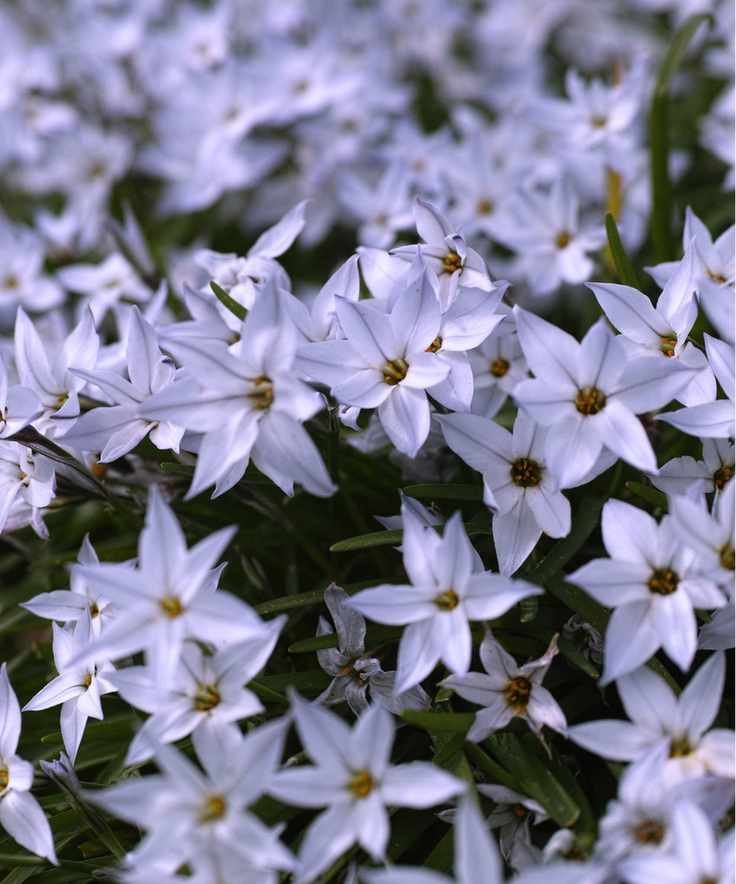
- Planting time: September-mid-November
- Planting depth: 2-3 inches
- Flowering time: April-May
Starflowers, or Ipheion, are delightful spring flowers available in various colors, including pink, cream, purple, and blue.
"Each bulb produces several flowering stems between four to six inches tall," says Peggy Anne Montgomery. Their grass-like foliage adds interest, making them great for spring planters.
Starflowers thrive in well-draining soil and should be planted in early to mid-fall. They are hardy in zones five to nine and require consistent moisture.
Find starflower bulbs on Amazon.
12. Glory of the Snow

- Planting time: September-November
- Planting depth: 2-4 inches
- Flowering time: February-April
Glory of the snow flowers are among the first to bloom in spring, with their blue-purple petals often emerging through the snow.
"Every garden should feature this classic spring bulb with its sky-blue flowers and white centers," says Peggy. They thrive in shaded perennial borders, blooming before other plants take over.
These hardy flowers grow to about six inches tall and make excellent ground cover in shaded areas. Ensure they don't dry out to avoid early fading.
Check out glory of the snow bulbs at Nature Hills.
FAQs
Should you water bulbs after planting in fall?
Water bulbs only if the soil is dry at planting. If soil is moist, no additional watering is needed. Bulbs will receive sufficient moisture over winter, needing extra water only if the ground dries out.
If you're contemplating fall planting, perennial bulbs are a fantastic choice. With a wide variety of options, you can find bulbs suitable for any garden, ensuring years of colorful blooms ahead. Consider exploring some unique bulbs for an even more vibrant display.



