
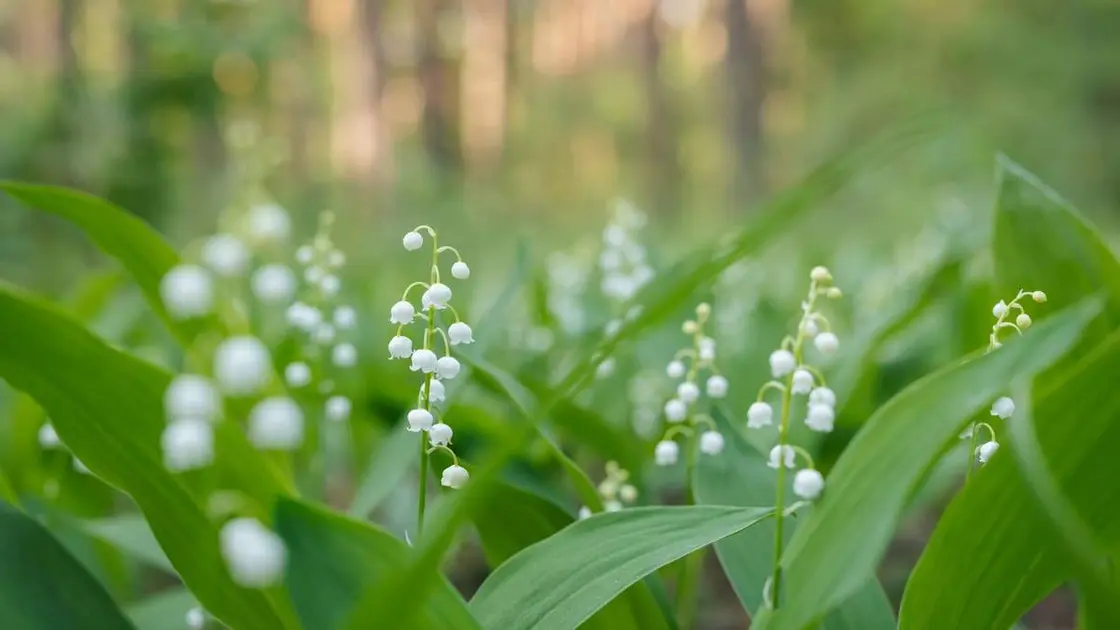
Lily of the valley, Convallaria majalis, is celebrated for its charming bell-shaped flowers that emit a delightful fragrance associated with the arrival of spring. Renowned as one of the top shade plants and fragrant blooms, it's a timeless selection for adding beauty to shaded areas with white fragrant blossoms.
As rhizomatous perennials, lily of the valley plants reappear year after year, with seasonal appeal extending beyond spring. After the white blooms and lush green foliage, red berries emerge in the fall, adding interest to garden borders through winter. However, be cautious; this vigorous perennial can become invasive in certain areas. It's wise to check local guidelines before planting.
Here, experienced gardeners share valuable tips on cultivating lily of the valley in borders and containers, enhancing your yard's floral charm and fragrance.

Growing Lily of the Valley
Lily of the valley is a showstopper each spring, showcasing small, fragrant white or pink flowers. Before planting, remember that in some regions, they are viewed as invasive. Their rapid growth can lead to quick spread.
Essential Information about Lily of the Valley
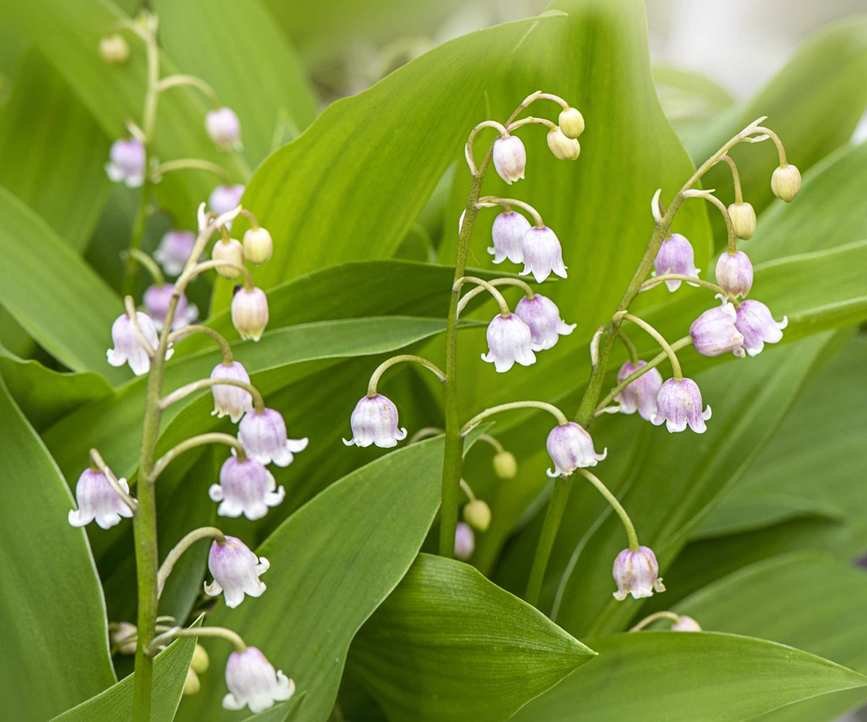
Lily of the valley makes for excellent ground cover, quickly forming a blanket of white bell-shaped flowers. 'These are woodland plants,' explains Carolyn Walker, plant expert and owner of a nursery. They flourish best in partially shaded areas with moisture-retentive soil.
As perennials suited for part shade, they thrive in dappled light beneath large trees or established shrubs. 'This perennial flourishes in US hardiness zone 4 to US hardiness zone 8,' Carolyn notes, 'and blooms from late spring.'
'I advise against planting the standard species of lily of the valley, Convallaria majalis, as it can be highly invasive,' Carolyn cautions. 'I've seen it spread from abandoned homes on remote Maine islands, overtaking native flora.'
'There are non-invasive varieties, such as the pink lily of the valley, Convallaria majalis var. rosea, and the striped variant, Convallaria majalis var. Albostriata. Both feature the classic blooms that emerge in late spring and are wonderfully aromatic,' she adds.
While stunning, lily of the valley is also regarded as poisonous, making it a plant to consider carefully if you have young children or pets. It's advisable to wear gloves when handling them, as all parts of the plant are toxic.

Carolyn is a plant expert and the owner of a nursery in Bryn Mawr, Pennsylvania. She specializes in shady plants, growing in zones 6b/7a.
Tips for Growing Lily of the Valley

- Soil: Optimal growth occurs in nutrient-rich soil, akin to its native woodland habitat, which benefits from decomposed organic matter. Enhance your soil by adding annual mulch to beds and containers, aiming for a neutral to slightly acidic pH (5.0 - 7.0). If unsure about your soil's pH, use a device like this pH meter from Walmart.
- Light: Most varieties thrive in partial shade with dappled sunlight. While they can tolerate full shade, a few hours of sun will enhance growth. Avoid planting in overly sunny or exposed areas, especially in warmer climates.
- Watering: Being a woodland plant, lily of the valley loves moisture-retentive soils. Planting in dry spots can hinder growth and flowering.
- Fertilizing: This plant needs no fertilization. An annual mulch is sufficient for healthy growth.
- Pruning: No pruning or deadheading is necessary. Allow foliage and blooms to naturally yellow and die back, with new growth emerging in spring. Decomposing foliage mimics their forest habitat.
- Additional Tips: While I haven't grown lily of the valley in pots, it's possible. Container gardening can help control its spread. Use nutrient-rich potting soil and place it in a partially shaded area. Ensure regular watering during warmer spring and summer months.
Lily of the valley is among the most beloved spring flowers, offering delightful fragrance and suitability as ground cover in woodland settings or shaded regions of your garden.
FAQs
Can I grow lily of the valley in containers?
Yes, you can successfully grow lily of the valley in pots. Container gardening is an effective method to limit the spread of this vigorous perennial. Use nutrient-rich potting soil and place it in a shaded area. Be prepared to water your containers at least twice weekly during the warmer spring and summer months. After several years, you can divide your lily of the valley plant and expand your collection.
Growing lily of the valley enhances any space with color and aroma. However, take care as this perennial can be invasive, so be mindful when planting. Consider incorporating other full-shade perennials beneath trees and shrubs this year to brighten up those darker corners in your yard.



