
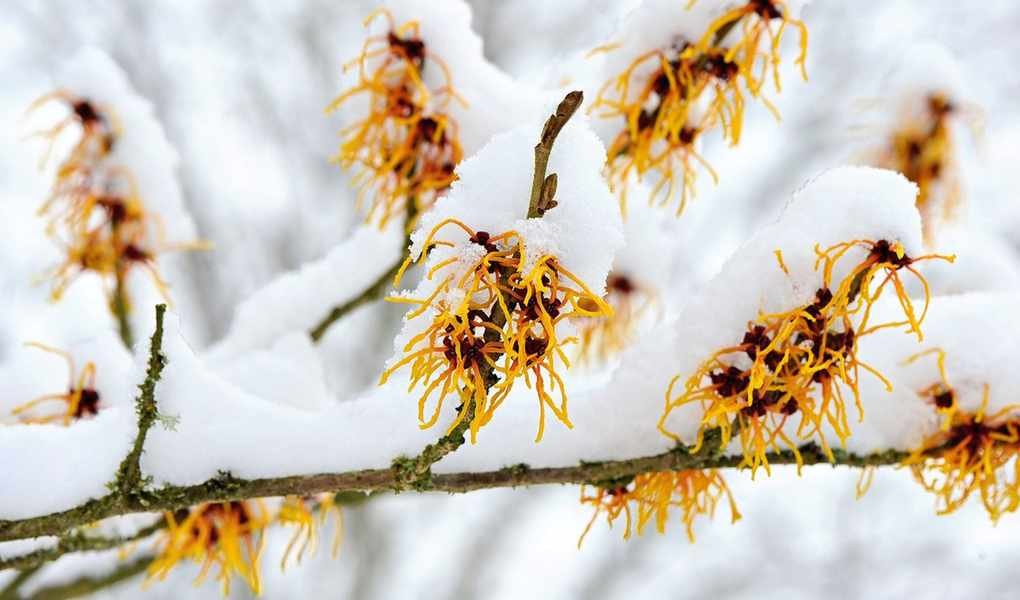
During winter, gardens can seem empty and lifeless. After the lush blooms of summer and the fiery hues of fall, the starkness of winter can feel especially dull.
But winter gardens can be full of life! Certain shrubs and bulbs brighten the landscape, showcasing color and interest even in freezing temperatures. Frost-resistant plants can endure harsh weather, often pushing through the snow.
Many plants can withstand the cold, whether celebrated for their blooms, vibrant stems, or winter berries. By choosing a mix of these unique plants, you can create an eye-catching garden all year.
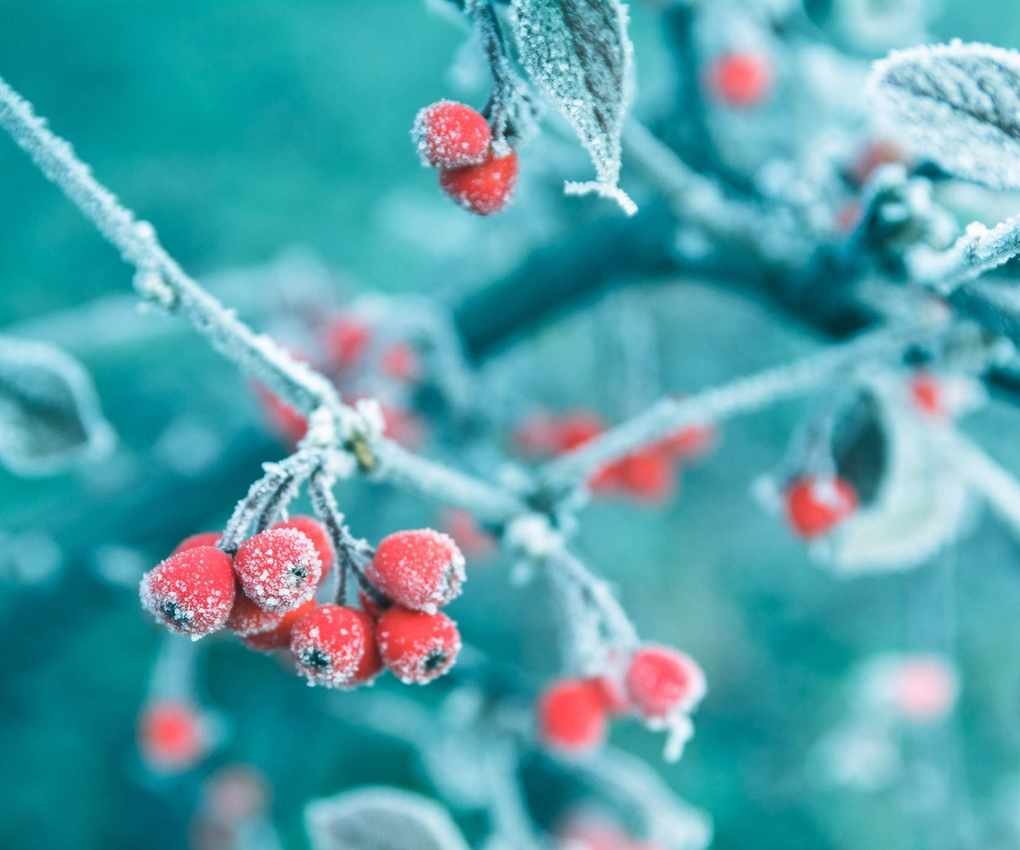
Frost enhances the beauty of many plants
Determining Cold-Hardiness for Plants
Your plants' ability to survive winter depends largely on your hardiness zone. Understanding your local climate is crucial to selecting plants that can thrive in your area during winter. Frost-hardy plants can withstand extreme temperatures, but it's wise to confirm their suitability for your specific garden plans.
1. Snowdrops

Snowdrops are beloved for their early blooms, and rare varieties can be pricey
- Type: Bulb
- Hardiness: Zones 3-7
- Location: Dappled shade
Snowdrops are among the first blooms of late winter, often signaling the approach of spring. They can endure temperatures as low as -25°F, thriving even under frost or layers of snow.
These charming flowers have delicate, bell-shaped heads on slender stems. Plant snowdrops in October or November; they bloom from January to April, die back, and remain dormant until the next winter.
Available as perennial bulbs for fall planting or 'in the green' for late winter or early spring, snowdrops come in numerous varieties and colors. A favorite is the classic Galanthus 'Elwesii', found at Dutch Grown.
2. Winter Pansy
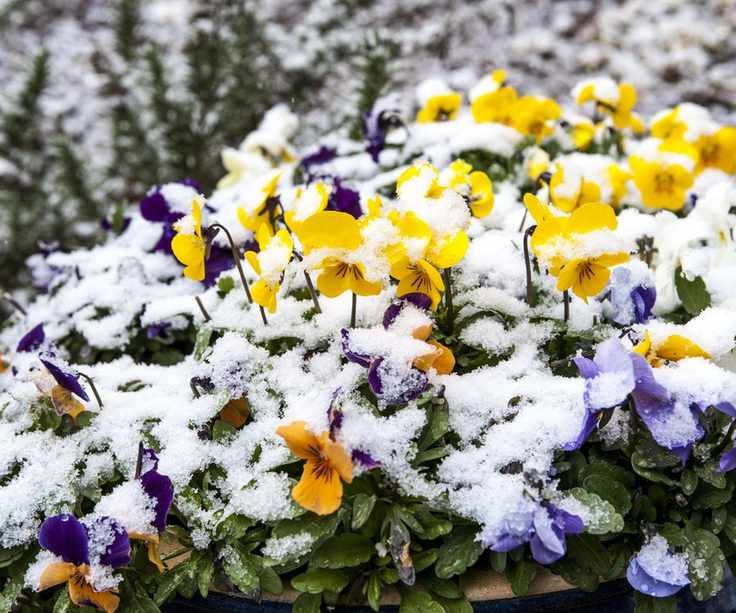
Winter pansies offer a vibrant array of colors
- Type: Biennial
- Hardiness: Zones 4-7
- Location: Borders, containers
Winter pansies bring a burst of color to winter gardens. Bred for cold resilience, these plants can brighten up the bleak winter months.
They thrive when planted in September or October and can be grown as annuals or treated as biennials in chillier climates. While they can endure cold, they prefer sunny spots, requiring four hours of sunlight for optimal growth.
While winter pansies may pause blooming below 25°F, they can survive down to 20°F and will resume flowering when temperatures rise. For those in winter containers, watering is essential even in frosty conditions.
3. Dogwood

Dogwood stems provide striking winter color
- Type: Shrub/tree
- Hardiness: Zones 3-8
- Location: Full sun to partial shade
Dogwood trees, also known as Cornus, are stunning additions to winter gardens due to their colorful stems. These can range from vibrant yellow and green to bright red and orange, making them a year-round visual delight.
Ideal in full sun to partial shade with moist yet well-drained soil, the brighter the sunlight, the more vivid the stems will be. Pruning annually can enhance the color of the stems.
If you want a standout plant for winter and fall color, consider the Arctic Fire Dogwood, a dwarf variety with striking red stems.
4. Winter Heather

Winter heathers make excellent ground cover
- Type: Shrub
- Hardiness: Zones 4-8
- Location: Borders, containers
You'll find winter heathers in garden centers during fall and winter. These low-maintenance shrubs work well in window boxes and are resilient against frost and snow, with colder temperatures enhancing their foliage color.
They bloom small flowers from November to April and prefer sunny locations, becoming more vibrant with ample sunlight.
5. Cyclamen
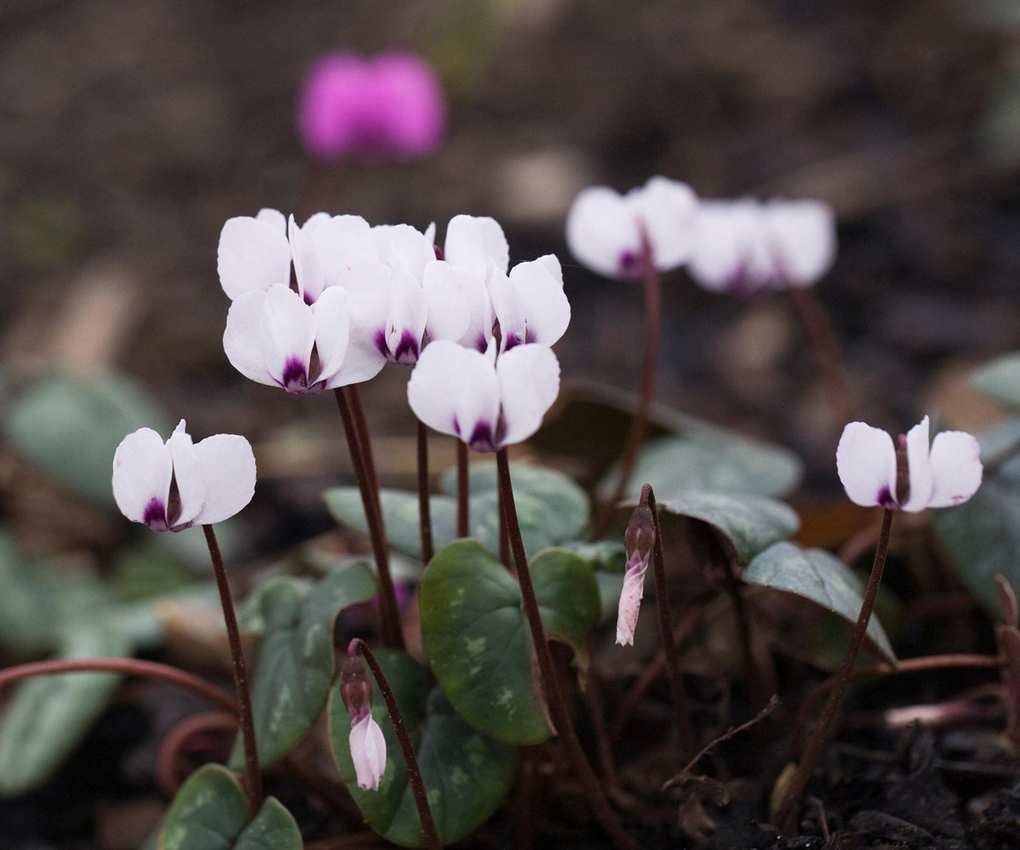
Cyclamen coum typically grows up to six inches tall
- Type: Bulb
- Hardiness: Zones 4-9
- Location: Shady spots, woodland, pots
Hardy cyclamen types can flourish despite snow and ice, blooming from December through winter. The most resilient, cyclamen coum, sprout foliage in early fall and can flower for extended periods.
Growing from miniature bulbs, they require minimal care. Just water during dry spells and mulch annually. Plant tubers no deeper than two inches to ensure flowering; they thrive in shaded, well-drained soils to prevent rot.
6. Winterberry
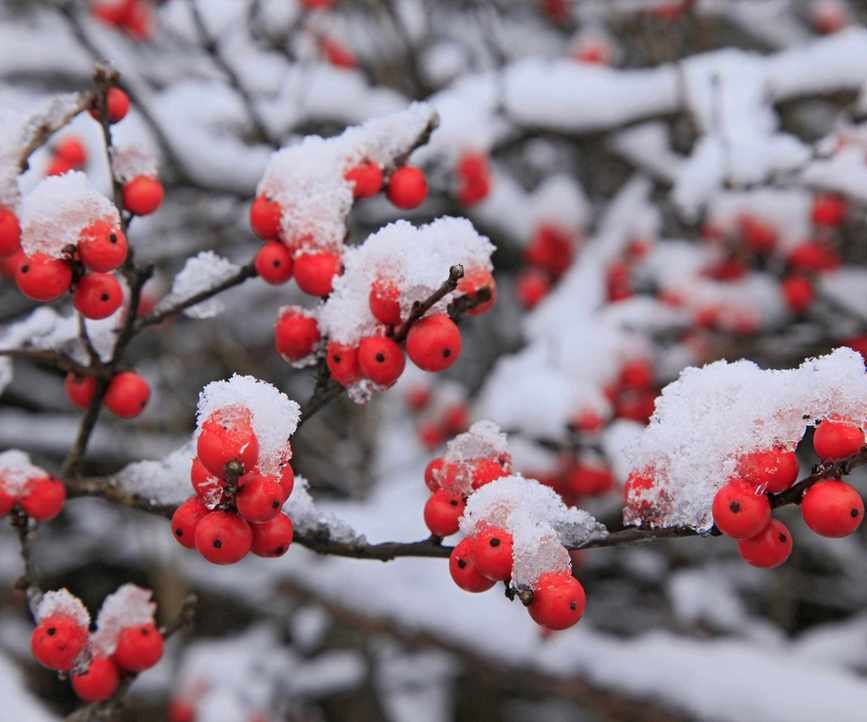
Winterberry's berries stand out against bare branches
- Type: Shrub
- Hardiness: Zones 3-9
- Location: Borders, hedge
Winterberry, a holly type, boasts the classic holly features with dark green leaves and bright berries that persist throughout winter into spring.
Unlike evergreen holly, winterberry is deciduous, losing its leaves in fall, making the vibrant berries even more striking against bare branches. Remember, winterberries are dioecious, requiring both male and female plants for fruiting.
They prefer full sun to partial shade and slightly acidic soil, thriving in various soil types, including poorly-draining options. Regular spring pruning is advisable as winterberry shrubs can grow large and spread significantly.
A great choice is the Little Goblin Orange Winterberry, known for its large, bright orange berries that create a stunning winter display.
7. Witch Hazel

Hamamelis virginiana is a highly resilient witch hazel variety
- Type: Shrub or small tree
- Hardiness: Zones 3-8
- Location: Full sun
Witch hazel is a remarkable shrub that bursts into color with flame-like blooms in yellow or orange during late winter. It can reach heights of up to 20 feet and requires little maintenance.
Highly cold-hardy, the exact resilience depends on the variety. Hamamelis virginiana, or American witch hazel available at Nature Hills, is the hardiest, withstanding temperatures down to -30°F.
These plants thrive in full sun and well-drained soils, preferring slightly acidic conditions. The optimal times for planting are spring or fall.



