Miniature bulbs bring joy as they bloom early, brightening up the dreary days of winter. Dwarf varieties fit seamlessly into any garden, regardless of size.
While fall is the ideal time to plant spring bulbs, consider dwarf bulbs even in late winter or early spring. Many spring bulbs are available in pots at local garden centers, already budding or flowering. These can be placed in window boxes or containers, then planted in the yard after blooming. With proper care, you'll appreciate your foresight come spring.
Miniature spring bulbs can also be planted directly into beds and borders during winter and early spring. Their budding flowers provide instant color.

With a background from the Royal Botanic Gardens at Kew, Graham has authored over 20 books on gardening and has judged at the Chelsea Flower Show. After 20 years of gardening in Pennsylvania, he has returned to England, where he cultivates a variety of spring bulbs, including dwarfs.
15 Miniature Bulbs with Instant Appeal
If you're not ready to plant bulbs, keep track of any miniature varieties that catch your eye for traditional ordering in late summer and fall.
Here are some favorites:
1. Alliums (Ornamental Onions)
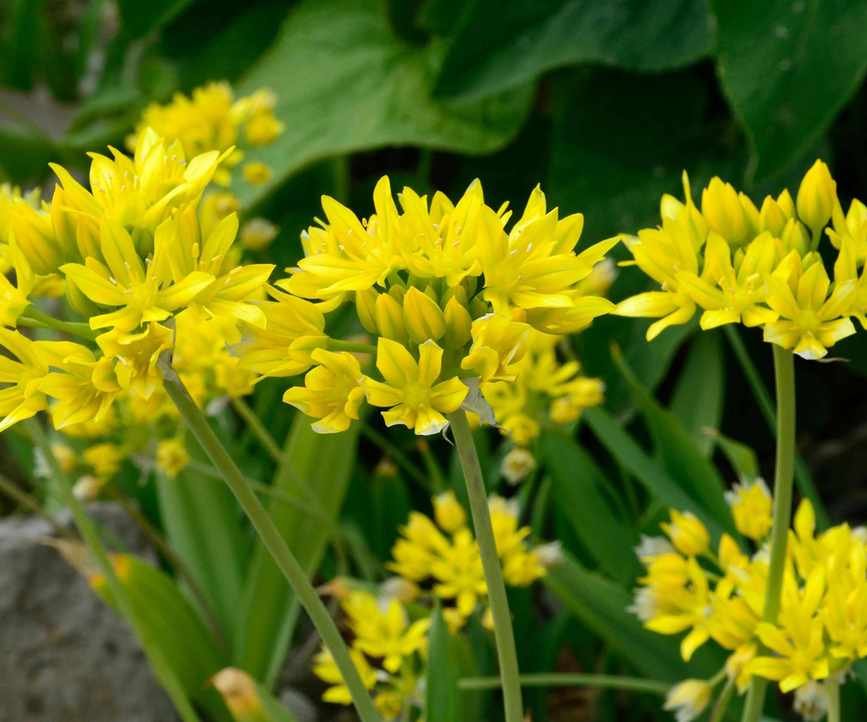
Miniature yellow allium 'Jeannine' flowers
- Hardiness: USDA Z4
- Height: 6-15 in
Most dwarf alliums bloom in late spring, showcasing starry flower clusters on short stems. 'Jeannine' features bright yellow flowers, while Allium christophii resembles a metallic blue firework.
They thrive in sunny, well-drained areas, ideally those that dry out in summer. Pair them with blue-grey euphorbias like Euphorbia mysinites.
2. Anemone (Wood Anemone)
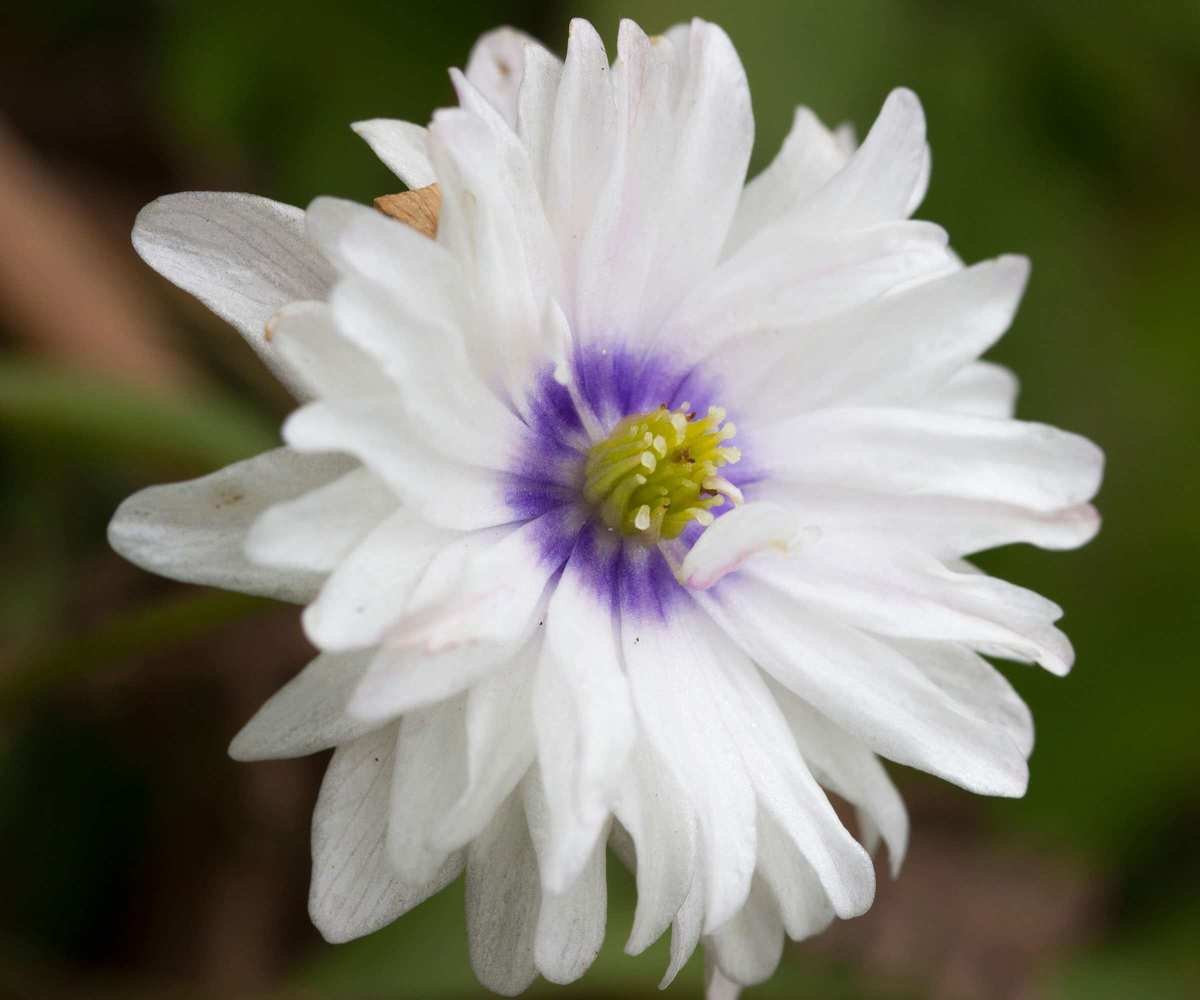
Double blue and white wood anemone 'Blue Eyes'
- Hardiness: USDA Z4
- Height: 6-12 in
These charming woodland plants flourish in shaded areas and blend beautifully with other spring flowers. 'Blue Eyes' features white flowers with blue centers, while 'Virescens' showcases lacy green blooms.
They prefer well-drained soil in light or partial shade. Anemones thrive alongside bergenias, hellebores, and hostas, and can complement primroses and corydalis.
3. Hardy Cyclamen
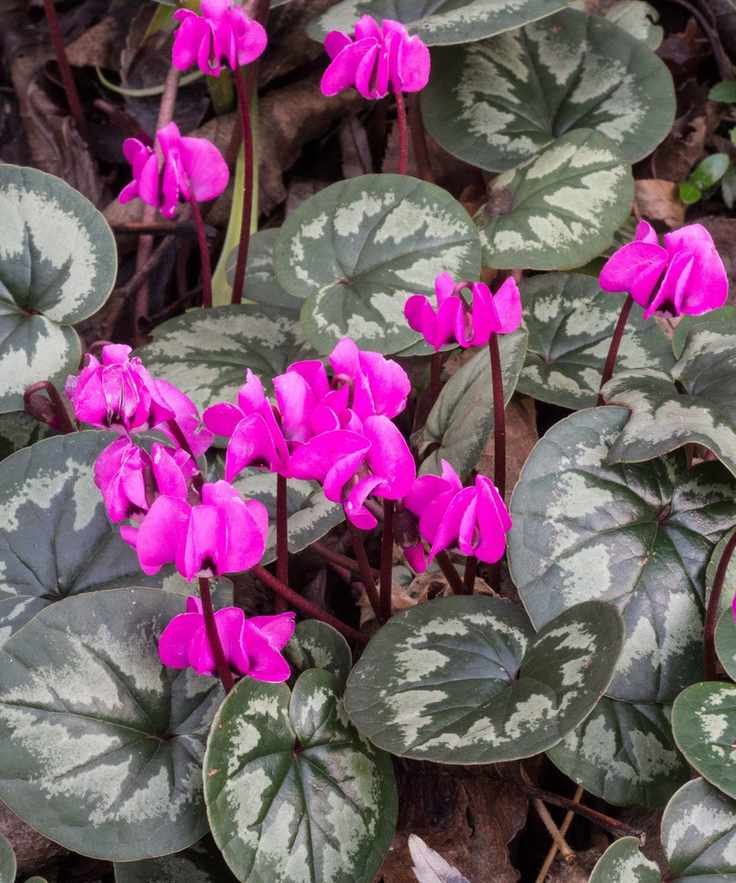
Hardy Cyclamen coum with pink flowers
- Hardiness: USDA Z4
- Height: 3-6 in
This delicate yet resilient spring-flowering plant features pink, white, or bicolored flowers and rounded, patterned leaves. It spreads via seeds.
Thriving in both sun and partial shade, cyclamen prefer humus-rich, well-drained soil and can also grow in containers. They pair well with crocuses, wood anemones, and primroses, along with smaller heucheras and hellebores.
4. Eranthis (Winter Aconite)
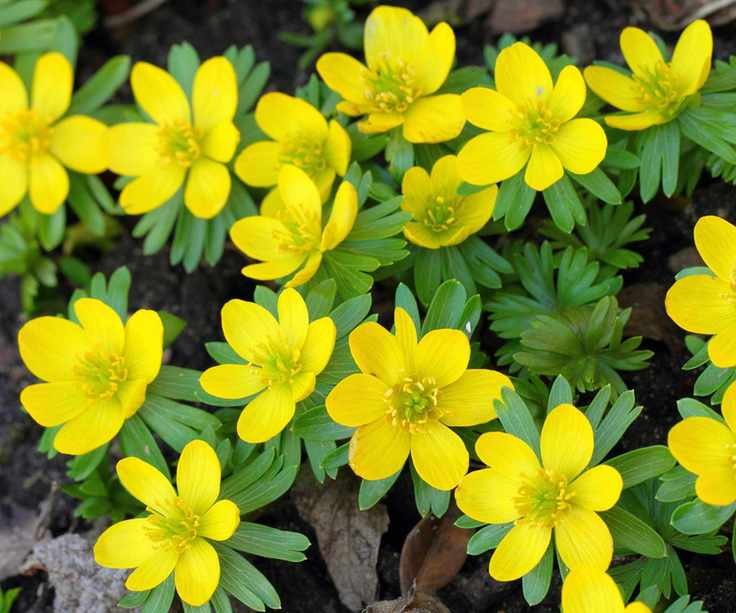
Bright yellow flowers of Eranthis hyemalis
- Hardiness: USDA Z4
- Height: 3-4 in
Golden cups of Eranthis hyemalis bloom in winter, signaling the seasonal shift alongside snowdrops. They spread steadily in optimal conditions.
These bulbs prefer partial shade and well-drained, rich soil. For best results, plant around clusters of snowdrops.
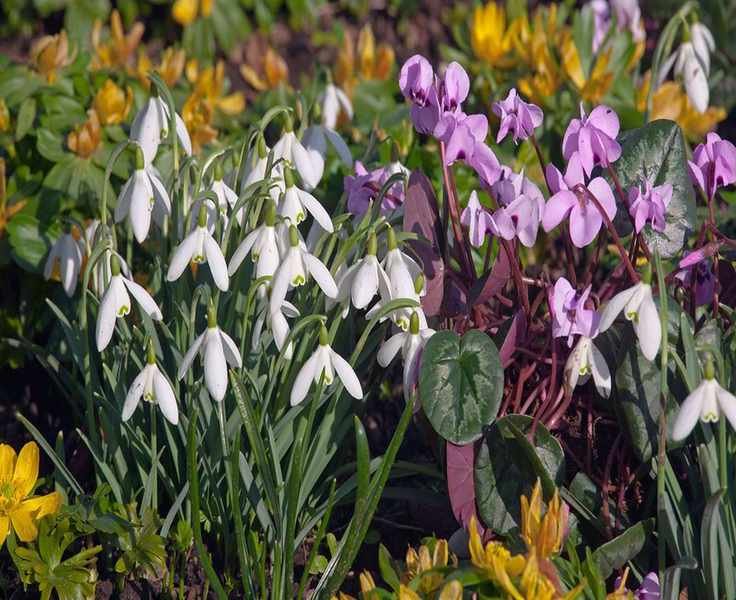
5. Galanthus (Snowdrop)
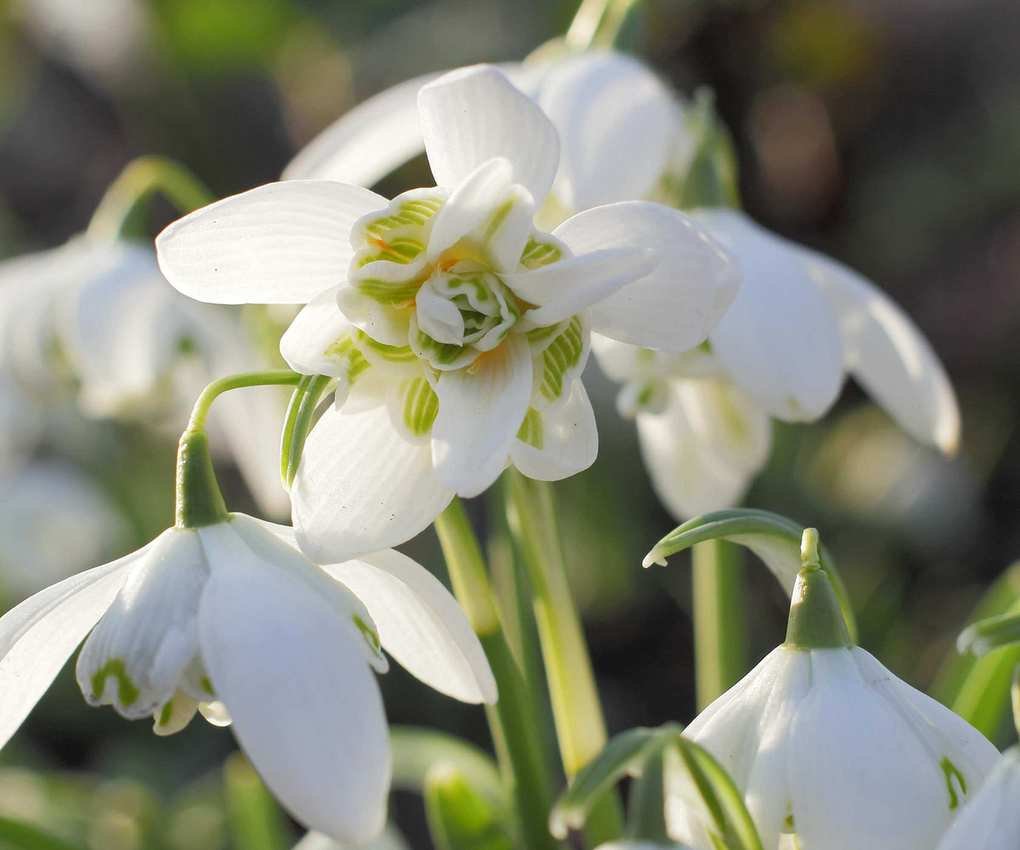
Galanthus nivalis 'Flore Pleno' snowdrops
- Hardiness: USDA Z4
- Height: 4-8 in
These pendulous white flowers create a lovely spring carpet as they spread over time. Various snowdrop types exhibit unique shapes and markings. Start with 'Atkinsii' (fragrant) or 'Flore Pleno' (double flowers).
They thrive in partial shade with rich, fertile soil and can tolerate dry summers. Combine with bergenias, hellebores, and early bloomers like winter aconites for a stunning display.
6. Ipheion (Spring Starflower)
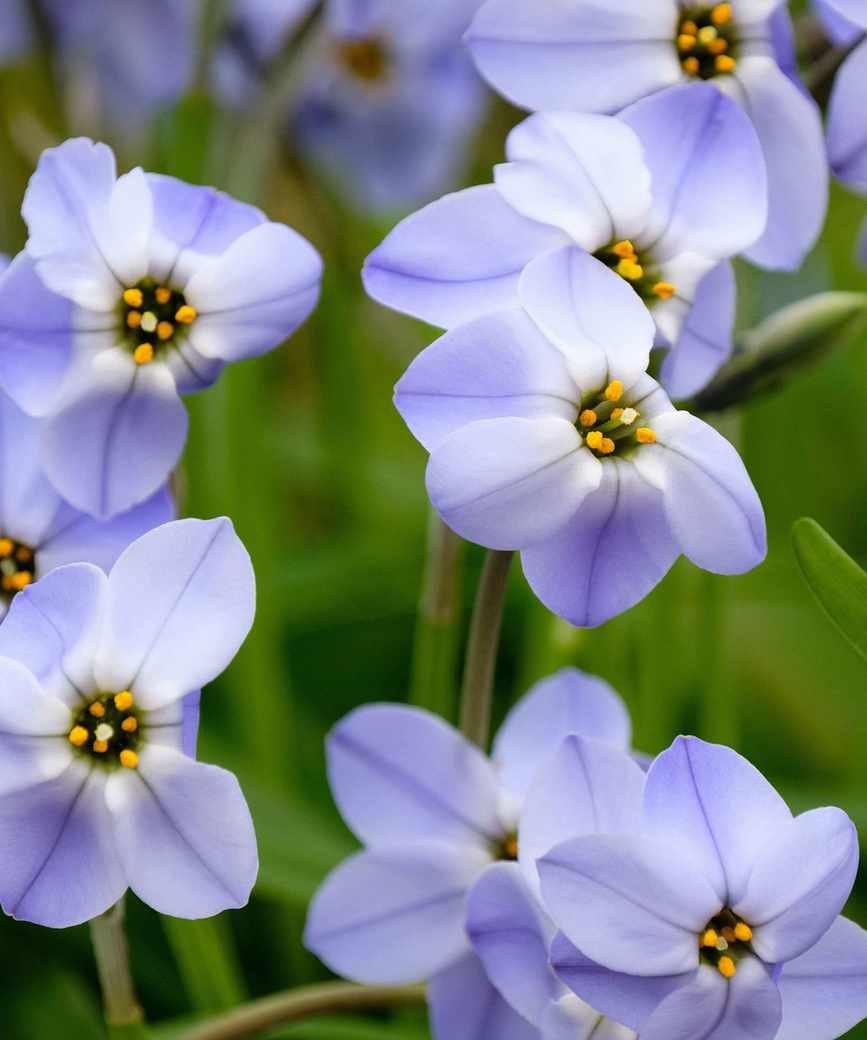
Ipheion 'Rolf Fiedler' flowers
- Hardiness: USDA Z5
- Height: 4-8 in
Sweetly scented six-petalled flowers can almost conceal the slender green foliage. Look for 'Rolf Fiedler' (blue) and 'Alberto Castillo' (white).
These bulbs thrive in rich, moist, well-drained soil, whether in full sun or pots. They create a colorful floral dome.
They pair nicely with peonies or medium-height daffodils.
7. Dwarf Irises
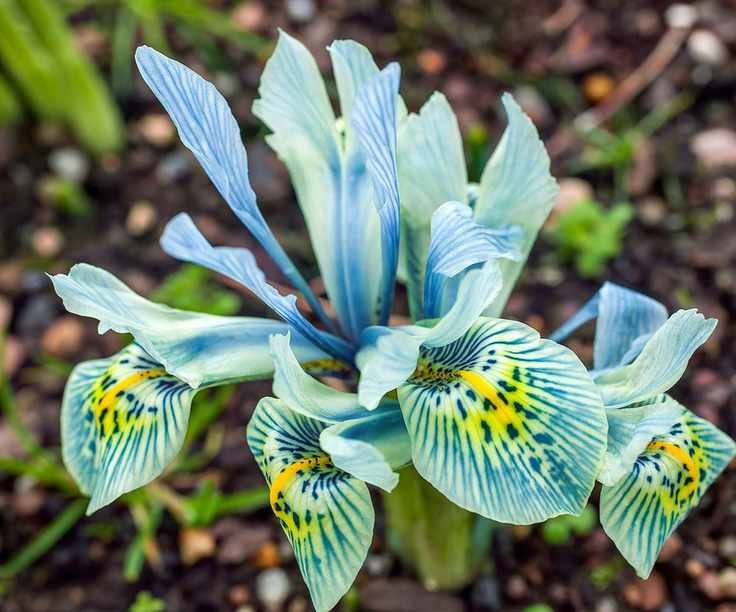
Iris reticulata, such as 'Katherine Hodgkin'
- Hardiness: USDA Z5
- Height: 3-6 in
Dwarf irises display a variety of attractive colors. Try 'Katherine Hodgkin' (greenish yellow and pale blue) or 'Pauline' (purple and white).
Plant them deep in full sun, preferably in well-drained, neutral to slightly limy soil types. They also look lovely in pots or gravel gardens.
8. Muscari (Grape Hyacinth)
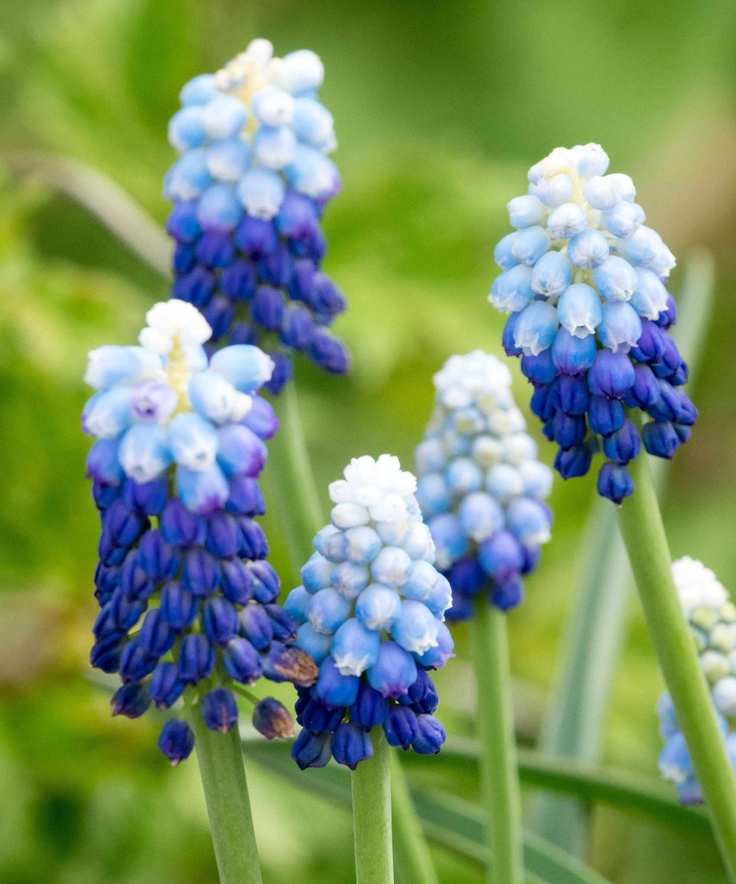
Two-tone grape hyacinth 'Blue Ocean'
- Hardiness: USDA Z4-5
- Height: 4-8 in
Bell-shaped, typically blue flowers bloom from the bottom of pointed spikes. Varieties like 'Ocean Magic' (two-tone blue) and 'Jenny Robinson' (pale blue) are popular.
They prefer full sun and well-drained, fertile soil. When clumps get crowded, lift and divide them after the leaves die down. Great companions include dwarf wallflowers and violas.
9. Chionodoxa (Glory of the Snow)
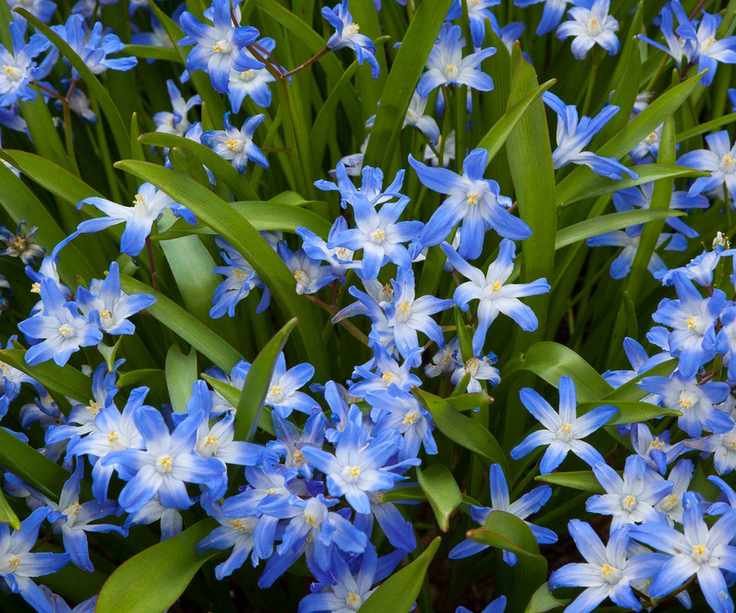
Chionodoxa luciliae flowers
- Hardiness: USDA Z4
- Height: 4-8 in
These short stems produce pale blue flowers with white centers in early spring. Chionodoxa luciliae displays blue-and-white blooms, while C. sardensis is pure blue.
Suitable for well-drained soil, they can be planted in clusters or scattered for a natural look. They spread steadily and partner well with crocus and dwarf daffodils.
10. Puschkinia (Russian Snowdrop)
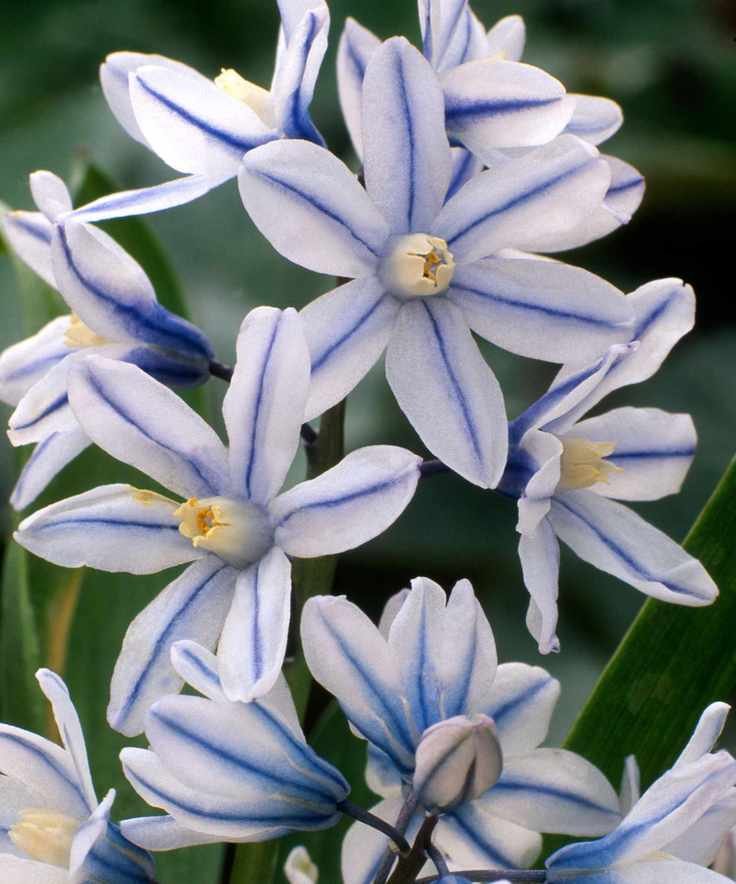
Russian snowdrops (Puschkinia scilloides)
- Hardiness: USDA Z4
- Height: 4-6 in
Similar to Chionodoxa, Puschkinia scilloides var. Libanotica produces clusters of flaring, ice blue flowers with dark blue stripes on each petal.
These bulbs thrive in clumps, flourishing in sun or partial shade and well-drained soil. They spread quickly and pair well with crocus and primroses.
11. Scilla (Squill)
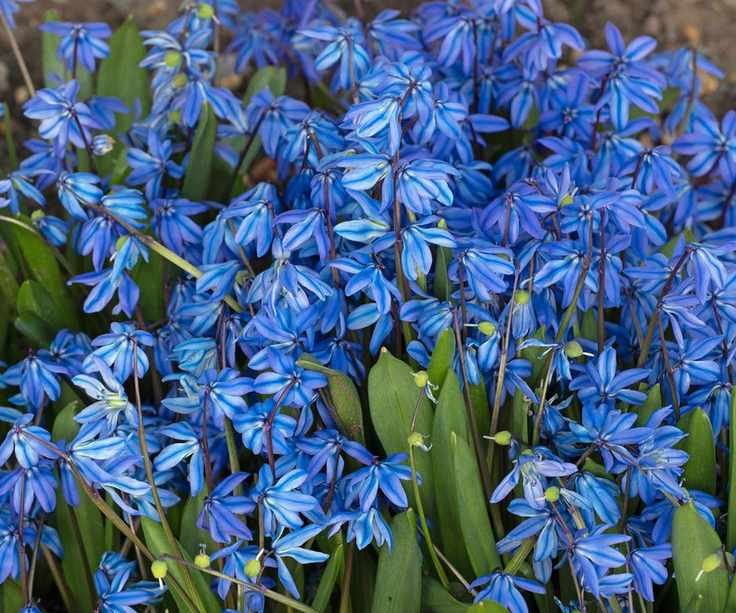
Vibrant flowers of Scilla
- Hardiness: USDA Z2
- Height: 4-8 in
These nodding flowers are often dark blue and can be star-shaped. Look for the striking 'Spring Beauty' or the slow-growing pink 'Rosea'.
They thrive in fertile, well-drained soils in sun or partial shade. These are excellent for containers and are very winter hardy.
12. Crocus
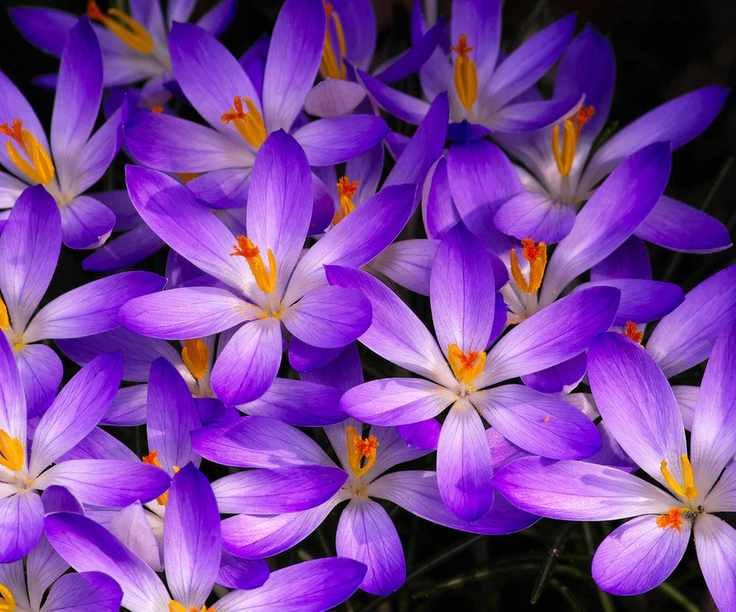
Crocuses are a popular and easy choice
- Hardiness: USDA Z4
- Height: 4-6 in
These well-known flowers include 'Blue Pearl' (delicate blue) and 'Whitewell Purple' (reddish purple). Their goblet-shaped blooms thrive in sunlight.
Crocuses prefer sun or partial shade with fertile, well-drained soil. They flourish in pots and can be paired with hellebores or other dwarf bulbs.
13. Hyacinthus (Hyacinth)

Hyacinths offer wonderful fragrance
- Hardiness: USDA Z4
- Height: 8-12 in
These bold flowers come in various colors and produce a dramatic and fragrant display. They can be forced indoors in winter and planted outside post-bloom.
Best suited to containers or patio gardens, they thrive in sun or partial shade and dislike waterlogged conditions. Pair with pansies or violas for added charm.
14. Narcissus (Dwarf Daffodils)
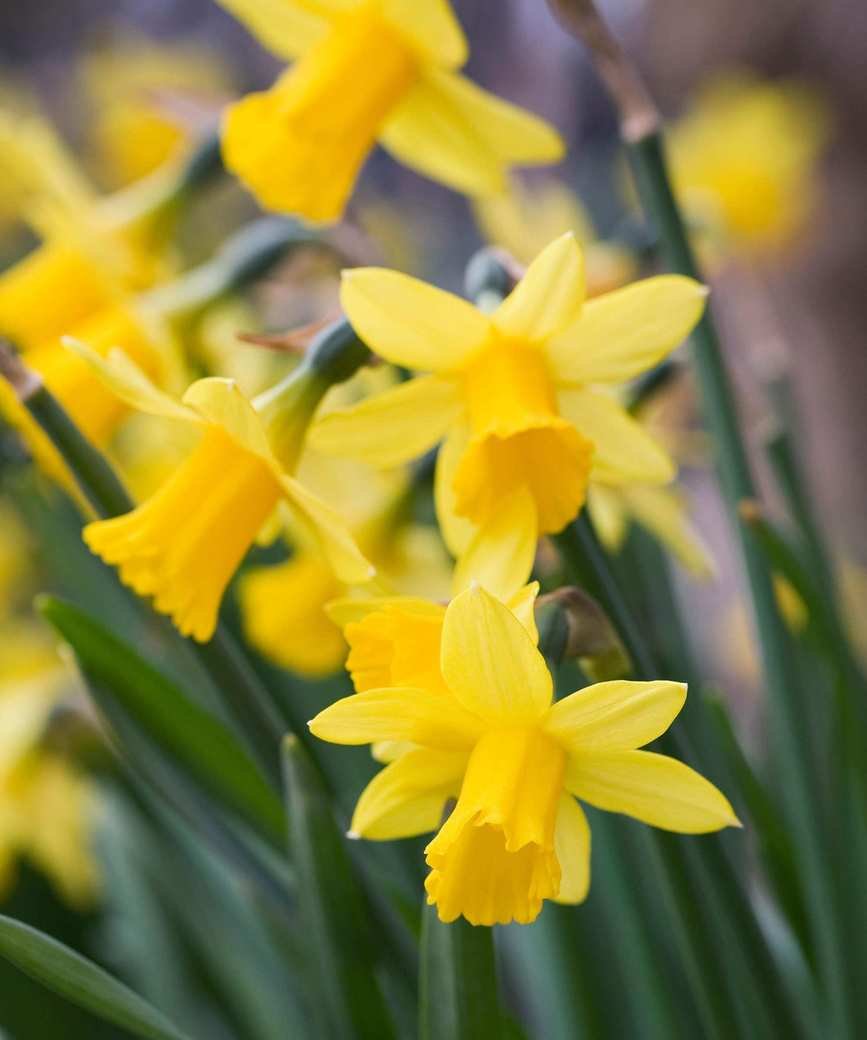
Dwarf daffodils come in an array of colors
- Hardiness: USDA Z4
- Height: 6-12 in
Reliable and steadily spreading, many dwarf daffodils are available. Consider 'Tête-à-tête' (two-tone yellow) and 'Dove Wings' (creamy yellow).
They thrive in sun or partial shade, preferring fertile, well-drained soil that retains moisture in spring. Great for sections between hostas and in containers.
15. Tulipa (Dwarf Tulips)
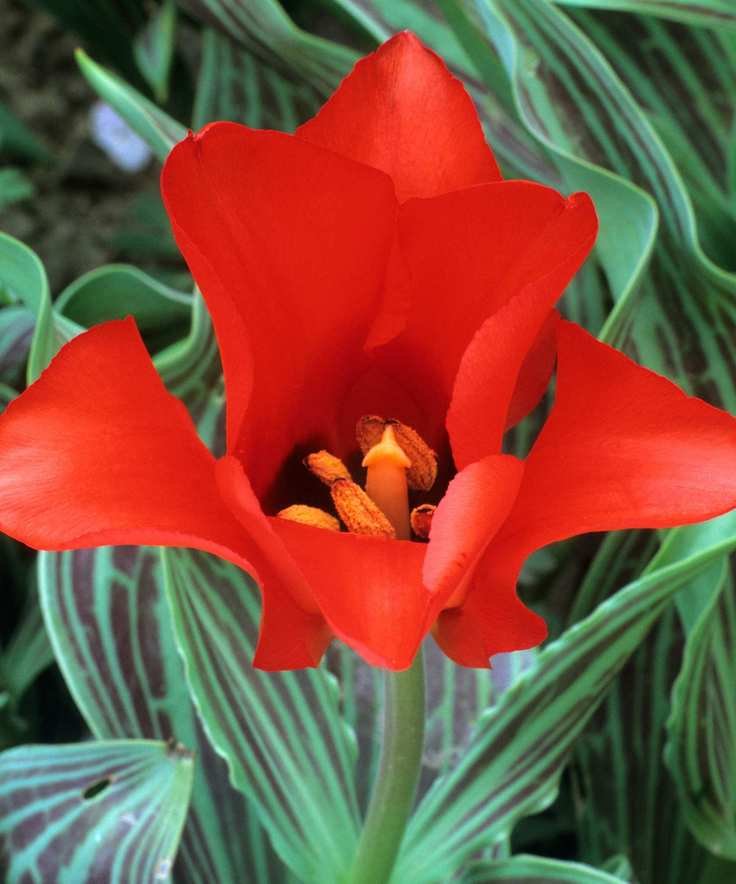
Dwarf tulips like 'Red Riding Hood' bloom for years
- Hardiness: USDA Z4
- Height: 6-12 in
Dwarf tulips, such as those in the Greigii and Kauffmanniana categories, feature bold markings. Try 'Red Riding Hood' for early scarlet flowers or 'Hearts Delight' for a carmine-yellow blend.
These tulips prefer full sun and well-drained soil, thriving in pots. Fertilize with liquid feed as blooms fade, and consider planting them alone to showcase their beauty.
What to Do If Your Newly Planted Dwarf Bulbs Don't Emerge?
They might have been dug up by chipmunks or squirrels, as these animals can quickly detect bulbs buried in the soil.
To deter these creatures, opt for dwarf bulb varieties like allium, chionodoxa, daffodils, hyacinths, muscari, scillas, and snowdrops that are less appealing to them.
If you prefer other bulbs, plant them in clumps and cover them with fine wire mesh to prevent digging.
Which Miniature Spring Bulbs Are Most Deer Resistant?
Deer tend to avoid certain dwarf spring bulbs while being attracted to others. The New Jersey Agricultural Experiment Station evaluates garden flowers for deer resistance and provides insights about which plants deer are likely to leave alone.
Bulbs rated as 'rarely damaged' include alliums, bluebells, daffodils, scillas, snowdrops, and winter aconites.