

Thunderstorms can escalate quickly, leading to power outages and flash flooding despite initially seeming harmless. Properly preparing your home can safeguard both your loved ones and your possessions, potentially saving you significant repair expenses.
So, what steps should you take to get ready for a thunderstorm? Here are crucial tips from experts in insurance and home improvement that cover everything from readying your home for power outages to ensuring your roof is secure.
Steps to Prepare Your Home for Thunderstorms
From flood protection to yard preparations, these six strategies are vital when storms are on the horizon.
1. Get Battery Packs and a Generator
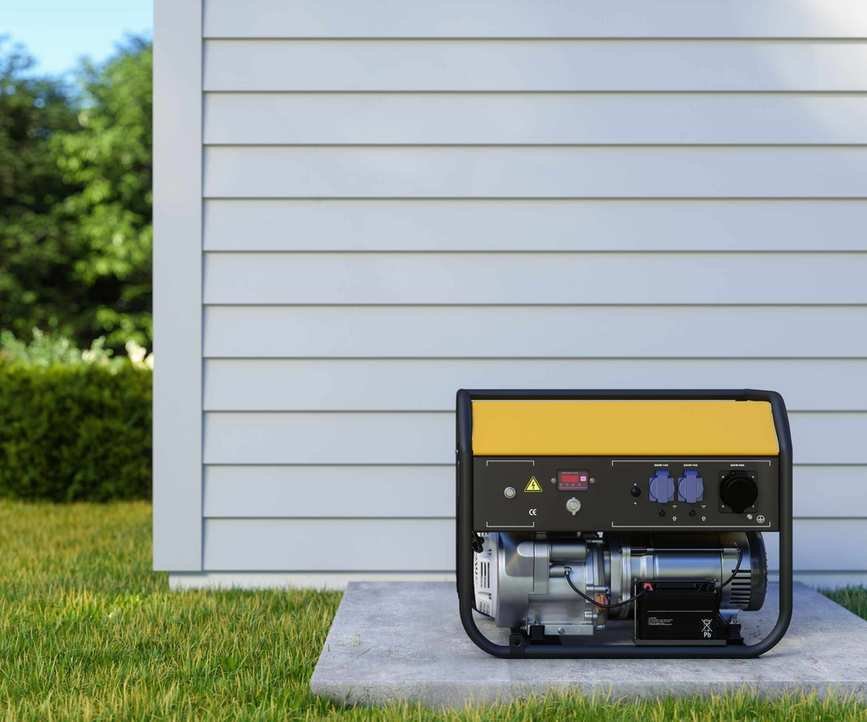
Joel Worthington, president of a local electrical company, emphasizes the importance of standby and portable generators for maintaining power during outages. Standby generators automatically activate when the electricity goes out.
Connecting a generator to your home ensures you can heat your space during outages and keep essential devices charged, allowing you to stay connected and fed. They're also crucial for winter storm preparations.
However, during a flood, Joel advises turning off power in affected areas and relocating electrical devices to higher ground. If flooding occurs, consult an electrician before restoring power due to potential damage. Keep flashlights and extra batteries accessible as well.
Personal favorite: I love using my Iniu Portable Charger for on-the-go phone charging. It holds two full charges, has USB and USB-C connectors, and includes a built-in flashlight — perfect for power cuts during storms.
2. Assemble a 72-Hour Emergency Kit

Stocking up on supplies for at least 72 hours is wise for extreme weather. Pete Walther, an emergency service expert, recommends including:
- Enough non-perishable food and water (1 gallon per person daily) for 72 hours
- A flashlight from Walmart with extra batteries
- Additional clothing, coats, and blankets
- A first-aid kit from Walmart
- Personal hygiene supplies — essential during outages
- Prescription medications and medical necessities
- Maps and local emergency contact numbers
3. Set Up Flood Defenses

Dealing with flood damage can be challenging. To minimize long-lasting harm, Pete recommends implementing temporary flood prevention measures. There are two flood-proofing methods: passive, which involves using flood-resistant materials for doors and windows, and active, which includes barriers and sump pumps during storms.
Sump pumps can be found on Amazon, with many items available for quick delivery for Prime members.
4. Install Surge Protection
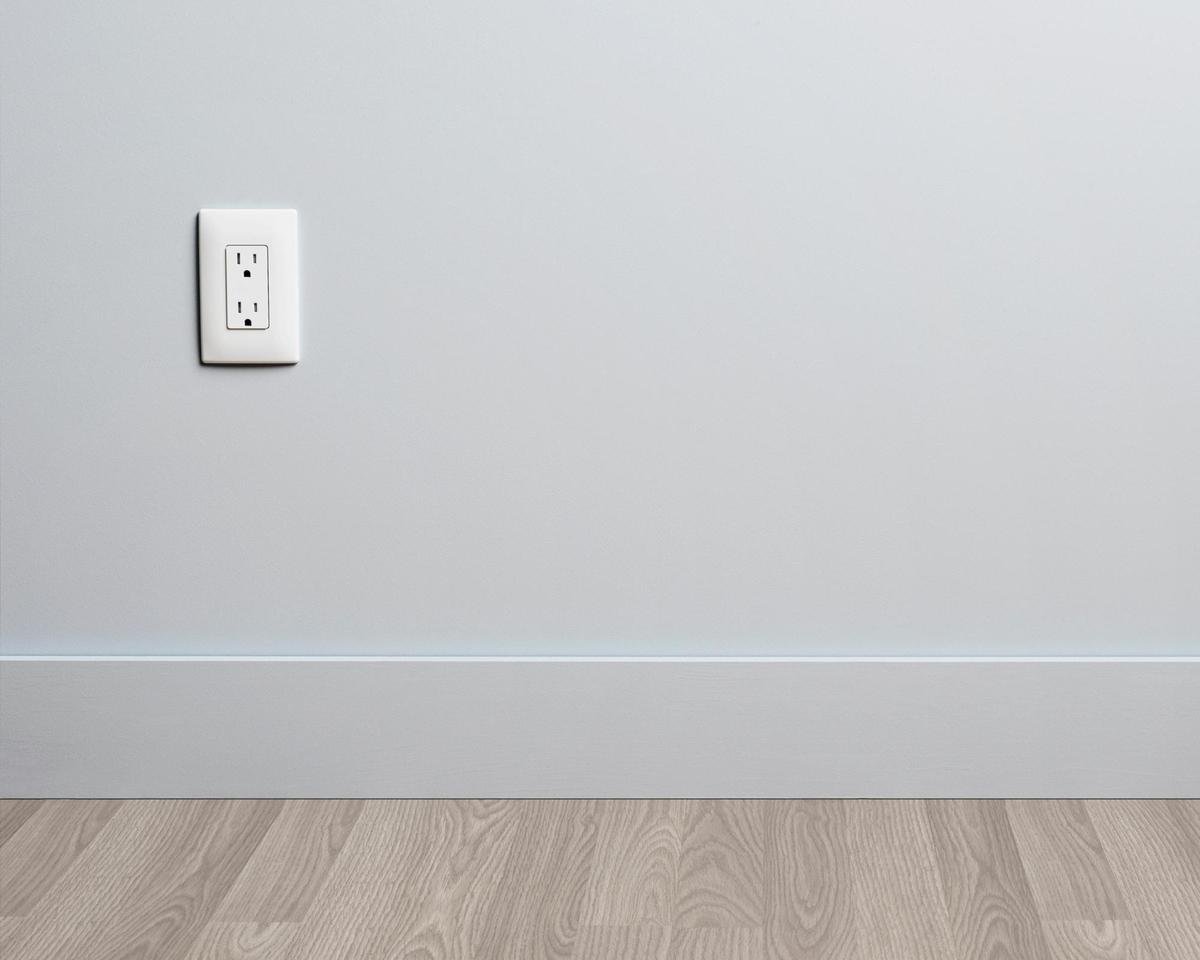
Lightning poses a significant risk during storms, potentially damaging your electrical systems and increasing fire hazards.
Pete advises a layered approach for surge protection, starting with a whole-house surge protector at each electrical panel, along with individual protectors for devices like computers and entertainment systems.
To future-proof your home against severe weather, consider installing lightning rods and having an electrician check your grounding. Innovations are being developed to prevent lightning strikes near buildings. Ensure smoke detectors and fire extinguishers are functioning properly, and remove branches that could damage your home.
5. Inspect Your Roof and Gutters

A compromised roof can lead to leaks and worsen storm conditions. Mike Storey, a roofing expert, stresses the importance of checking for loose or damaged tiles before storms.
Neglecting these checks can lead to serious structural issues. Repairing these is essential to prevent water damage. Also, examine chimneys and other exposed areas to ensure they're properly sealed. If you have solar panels, check for any damage due to debris.
Mike also recommends cleaning your gutters to prevent blockages that can lead to flooding and damage to your home. Clear out any leaves or debris to avoid costly repairs.
6. Seal Windows and Doors

It may seem straightforward, but ensuring windows and doors are tightly sealed can prevent costly water damage and temperature drops.
Mike suggests checking for proper closure and sealing any gaps with weather stripping or caulk. Installing storm shutters or impact-resistant windows can offer additional protection against strong winds and flying debris.
FAQs
What is the 30/30 Rule for Thunderstorms?
The 30/30 rule advises staying indoors if you can't count to 30 after seeing lightning before hearing thunder, indicating the storm is within 30 miles. Stay inside for at least 30 minutes after the last thunder.
Is it Safe to Use the Toilet During a Thunderstorm?
According to safety guidelines, avoid using plumbing during thunderstorms, including toilets and sinks. Filling a bathtub before the storm can assist with hygiene and sanitation.
Also, stay clear of electrical devices and turn off power where possible to protect your home and family from surges and shocks.



