

Severe weather can be challenging, especially when the power goes out, leaving you without heating or electronics.
Whether the outage lasts a few hours or stretches over a day, having essential items ready can keep your home safe and warm until power is restored.
This guide shares how to prepare your space for emergencies like power outages and ensure safety during extreme weather, as recommended by experts.
Get Your Home Ready for Power Outages
It's wise to prepare your home for winter or get ready for hurricane season ahead of time to avoid last-minute panic buying.
1. Ensure Heating Options

If your home depends on electric heating, you need a plan when the lights go out. 'Figuring out how to stay warm is crucial, especially if you expect the power cut to last,' advises a survival expert.
'If you have a wood-burning fireplace, that's a simple solution. Just make sure it's prepared for use, like clearing your chimney beforehand,' they add.
Gas fireplaces are another option, but some require power to function. It's best to test yours without electricity to confirm its operation. A generator can be a valuable investment if you live in a region prone to outages.
In the summer, consider how to keep your home cool during outages as well.
2. Gather Alternative Lighting

Lighting is essential not just for visibility but also for maintaining a positive mood. Stock up on candles, at least one flashlight with extra batteries, and consider wind-up or rechargeable lamps, suggests an electrical expert.
Long Burn Emergency Candles | View at Walmart
These 18 long-lasting emergency candles will provide light during extended outages.
3. Consider Adding a Generator
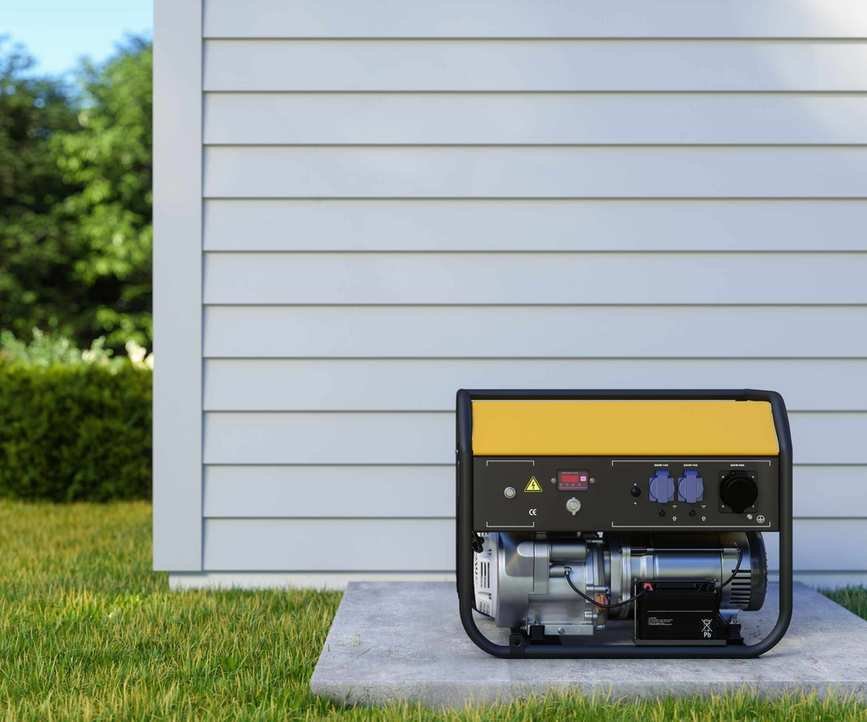
A backup generator can be a smart investment if you frequently experience power outages. 'I always keep a generator available, along with at least 10 gallons of fuel to power it,' shares an outdoor expert.
Having fuel on hand is crucial; it's not feasible to rely on buying gas during an outage. Generators can help power your home's lighting, heating, and essential appliances like your fridge, freezer, and electric stove.
4. Keep Your Phone Charged

While it may seem less important, keeping your phone charged is vital for communication during emergencies. A solar-powered charger can be handy; one option is the Midland ER40 Emergency Crank Radio at Amazon, which features a solar panel, weather radio, and flashlight.
Having a few power banks can also be beneficial if outages aren't frequent.
5. Prepare Water Supplies

If your outage is due to snow, ice, or severe weather, it's essential to prepare for thunderstorms and stock up on water supplies, especially if you rely on an electric water pump.
Start by insulating your water pipes to prevent freezing, ensuring you have non-electric water access. Keep at least one gallon of drinking water per person per day for three days.
6. Find Alternative Cooking Methods

When the power's out, cooking might become difficult. If you lack a gas stove or range cooker, a portable stove can help ensure you can still prepare meals. Some older gas stoves can work without electricity, while many newer models need power to operate safely.
A small generator can power these appliances. 'I recommend the Gas One GS-3400P, available at Amazon, as a reliable emergency stove,' says the expert.
Important Considerations
What should you avoid during a power cut?
Minimize opening your fridge and freezer to maintain the cold temperature and prevent food spoilage.
What is the typical duration of power outages?
Power outages can range from a few minutes to several days or even weeks, depending on the cause. Issues like a disrupted power line may lead to temporary outages, while severe weather can result in extended disruptions.
When preparing your home for a power cut, you don't need to stock up as if for an apocalypse. However, being ready will help you handle severe weather comfortably. Your supplies should vary based on the situation. Not every power cut needs extensive water supplies, but severe storms and freezing temperatures do. Plan wisely to avoid last-minute scrambles.



