
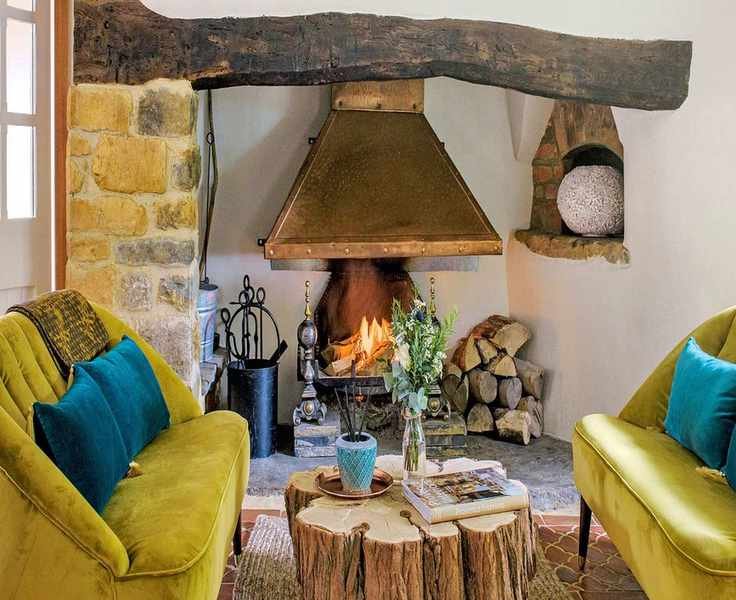
Before lighting your fire this season, make sure your chimney is prepared for a safe and enjoyable winter experience.
Regular maintenance throughout the year is essential. Scheduling a chimney cleaning ahead of time ensures you won't be caught off guard when cold weather hits, as it can be unpredictable.
From arranging a chimney sweep to cleaning your fireplace, here's a concise guide to prepping your chimney to keep your home warm and inviting. This is a crucial part of winterizing your home.
Get Your Chimney Ready for Winter
Check out our step-by-step guide on preparing your chimney and getting your fireplace set for the cold months.
1. Schedule a Professional Chimney Sweep

To ensure your chimney is clear of soot and debris, hiring a professional chimney sweep is key. They'll perform the job safely and correctly.
It's recommended to have your chimney swept and inspected at least once or twice a year to keep it in optimal condition.
Jon Butterworth, a chimney expert, advises, 'Aim to sweep your chimney annually, ideally in spring when it's not in use, and again before winter. This keeps your flue clear and ready for colder months.'
Vicky Naylor, a stove manager, adds, 'Spring or summer is ideal for sweeping to prepare for cozy fires when the temperatures drop. Always ensure your chimney is cleared at least once yearly to prevent blockages.'
Whether you have a traditional fireplace or a modern wood burner, a professional sweep will inspect for damage and maintain cleanliness.
2. Clean Your Fireplace

After your chimney cleaning, it's time to thoroughly clean your fireplace or stove to prepare for that first fire. Here are some cleaning tips:
Scrub the bricks, stone, or tiles around your fireplace to eliminate soot and grime.
Wipe down the glass on your wood burner for unobstructed flame visibility.
Sweep the interior of your stove or fireplace to remove old ash and soot, and consider using a creosote remover.
Dispose of leftover wood ash by adding it to household waste, or recycle it in compost or soil.
Freshen up your fireside tools to have everything ready for use.
Regular cleaning during the winter keeps your fireplace or stove looking great and ensures a healthier fire.
3. Gather Your Firewood

Essential for winter chimney prep is having a sufficient supply of firewood, provided it's permitted in your area.
When choosing wood, Phil Wood advises against burning wet, treated, or varnished woods, as well as waste wood like pallets. Quality hardwoods like ash, oak, beech, or birch burn cleanly and for longer. Avoid softwoods like pine which produce more smoke and burn quickly.
If you're cutting your firewood instead of buying pre-cut logs, make sure they're sized appropriately for your stove or fireplace.
Nic Snell from a firewood supplier recommends cutting logs into 25cm sections, splitting them into 5-15cm diameter pieces, and storing them in a dry area with good airflow. Ash may require 12-18 months to dry, while oak can take up to 3 years. A moisture meter can help ensure logs are below 20% moisture before use.
4. Plan Your Log Storage
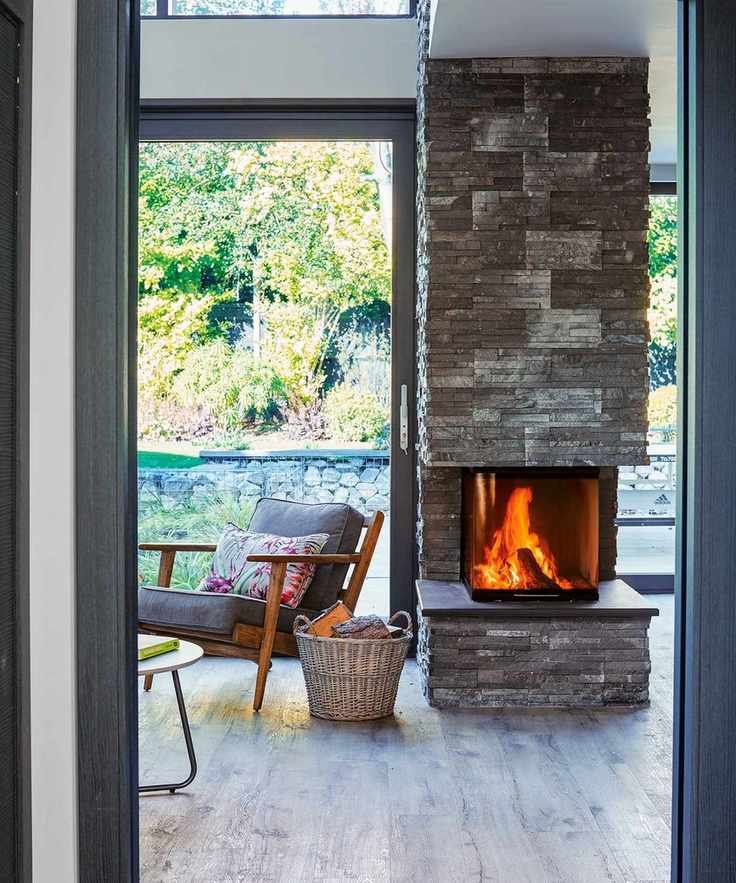
Consider creating an outdoor log store or incorporating wood burner designs with integrated storage. This not only helps with organization but can also serve as a decorative focal point.
From stylish baskets to custom-built shelves, there are countless ways to store logs both indoors and outdoors.
Having a large outdoor log storage and smaller decorative units inside strikes the perfect balance of style and practicality.
5. Add Final Touches

Once your chimney is swept, fireplace cleaned, and logs stacked, don't forget to add some decorative touches to enhance coziness.
Incorporate mantel decor, soft blankets, cushions, and candles to create a warm and inviting atmosphere around the fire.
Your fireplace area often serves as the focal point of the room, so use it creatively with displays and ornaments to make it personal and appealing.
Do I Need to Clean My Chimney Before Use?
As discussed, preparing and cleaning your chimney is crucial for a safe, healthy fire in your home.
Scheduling an annual cleaning and inspection, along with regular maintenance of your fireplace, ensures your stove and fireplace remain in good working order for many winters to come.



