
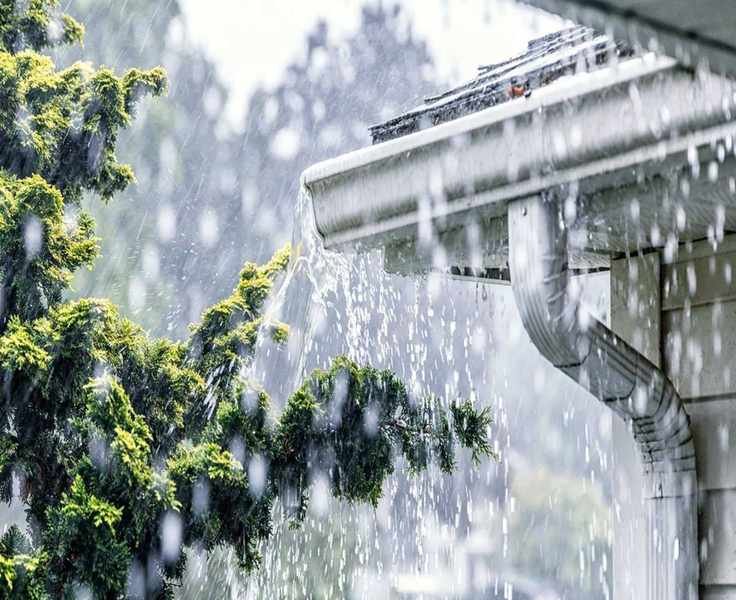
As fall arrives, so do the chances of severe weather. Storms can strike at any time, and without proper readiness, high winds and heavy rain can cause significant damage to your landscape and structures.
With the potential for hail and snow in colder months, it's essential to take precautions now to protect your outdoor space. Here are some expert-approved strategies to prep your yard for upcoming storms.
Preparing Your Yard for Storms
Strong winds and rain can lead to serious damage
As the weather cools, it's the ideal moment to secure your outdoor areas.
1. Strengthen Your Fences
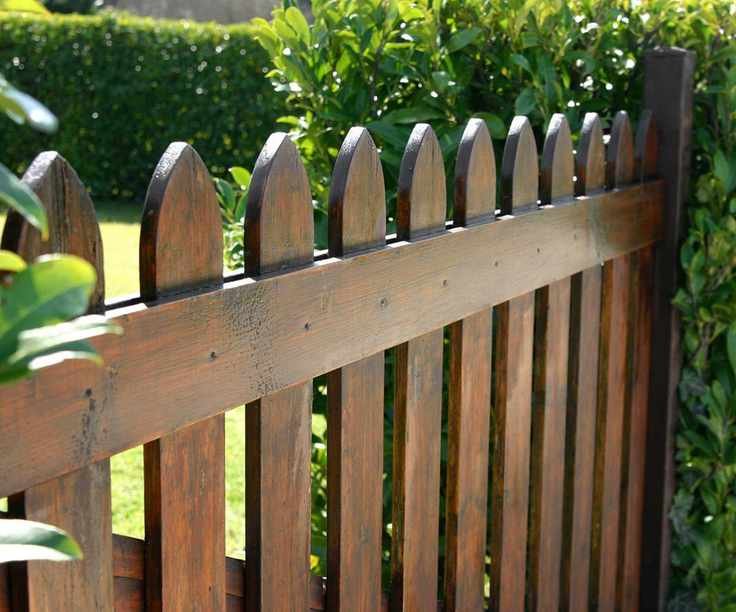
Ensure your fences are sturdy before storms hit
Stormy weather can severely impact fences, leading to bends, breaks, or collapses. If you live in a storm-prone area, consider upgrading to a more robust fence design.
Leigh Barnes from Jacksons Fencing suggests using semi-solid panels with gaps, allowing wind to pass through, thereby minimizing pressure on the posts. He also recommends shorter panels for areas where privacy isn't a priority.
Opt for concrete posts instead of timber for added stability. Timber can shift under high winds. Set posts at least 2 ft deep, and for taller fences in windy regions, consider going as deep as 2.95 ft.
If replacing is not an option, reinforce weak sections with additional support. For leaning fences, consider a repair anchor kit for added strength. For new gates, look for designs with added bracing for extra resilience during storms.
2. Assess Your Drainage

Inadequate drainage can lead to flooding. Aerating your lawn helps break up compacted soil, promoting better water, air, and nutrient flow.
Ensure gutters and drainage areas are clear of debris to prevent ice damming, which can lead to interior damage. Gutter screens can be very effective at keeping debris out.
Consider using a gutter screen for ease of maintenance, and installing heat cables in colder climates to prevent ice buildup.
Rain chains can be a decorative way to manage rainwater, but ensure they're secured to avoid hazards during storms.
3. Secure Windows and Doors

Windows and doors are vulnerable during storms. Consider storm shutters or plywood for reinforcement, and don't overlook garage doors, which often require extra fortification.
4. Store Loose Items
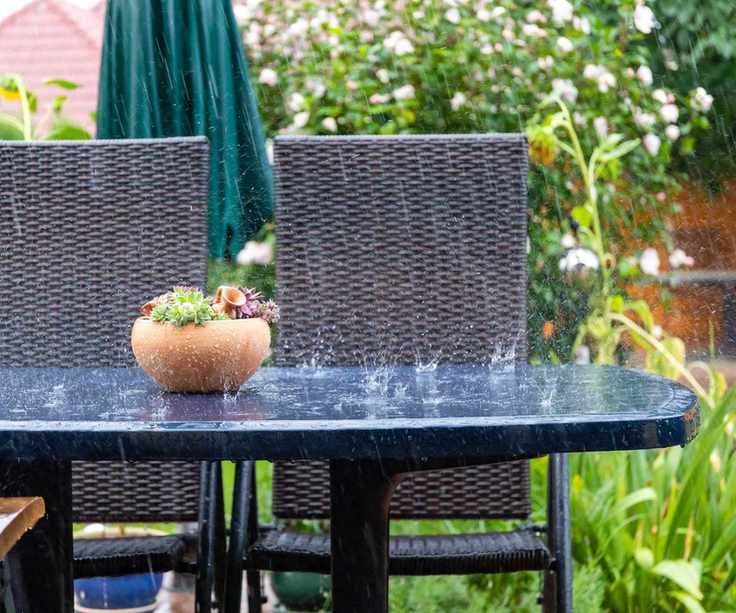
Bring patio furniture indoors if possible
Secure loose items like patio furniture and planters to prevent them from being tossed about. If possible, store them in a garage or shed, or place them against a wall for protection.
5. Shield Your Plants

Protecting your plants can be crucial before a storm. Use buckets or bowls to cover smaller plants, while larger ones can be wrapped in burlap for added protection. Raised beds can also help prevent soil erosion during heavy rains.
For snow, wood covers can help shield your plants. Use markers to prevent plow damage after a storm.
6. Inspect Large Trees

Having an arborist evaluate any large trees on your property is a smart move. They can perform necessary pruning to decrease the risk of falling branches during storms.
7. Secure Outdoor Structures
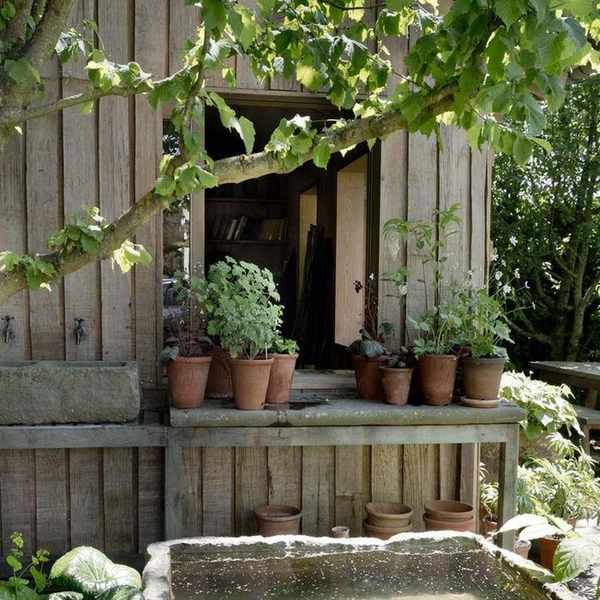
Ensure sheds, greenhouses, and other small structures are anchored to prevent damage from winds. Look for signs of wear and repair as needed, including checking roofs and weatherproofing your shed.
8. Address Foundation Problems
If your home shows signs of foundation issues, take action before a storm. Cracks and leaks can worsen, leading to flooding and structural damage.
Fixing these issues now, whether through DIY methods or hiring professionals, can prevent more significant problems later.
FAQs
How can I prepare a pool for a storm?
Lower the water level by a foot to accommodate rainfall. Secure pool covers tightly and clear any loose items nearby. After the storm, check the pool's chemical balance as rain can alter it.
What should I do to clean up my yard post-storm?
After a storm, clean up fallen leaves and debris, clear drains, and inspect for damage. Consult an arborist if branches have been broken.
Taking the time to prepare your yard for storms can provide peace of mind and ease the cleanup process afterward. Additionally, preparations for winter can also be beneficial as colder temperatures approach.



