

As autumn arrives, deciduous trees drop their brilliant leaves, presenting a fantastic opportunity to utilize this free resource. Fallen leaves can enhance your soil, create compost, and guard your plants from winter's chill.
Leaves serve as excellent insulation for a variety of plants. When applied as mulch, they not only create an aesthetically pleasing layer but also nourish the soil as they decompose.
Incorporating fallen leaves into your garden should be a priority for every gardener in the fall. Before you bag them up, consider the benefits of repurposing them for your plants.
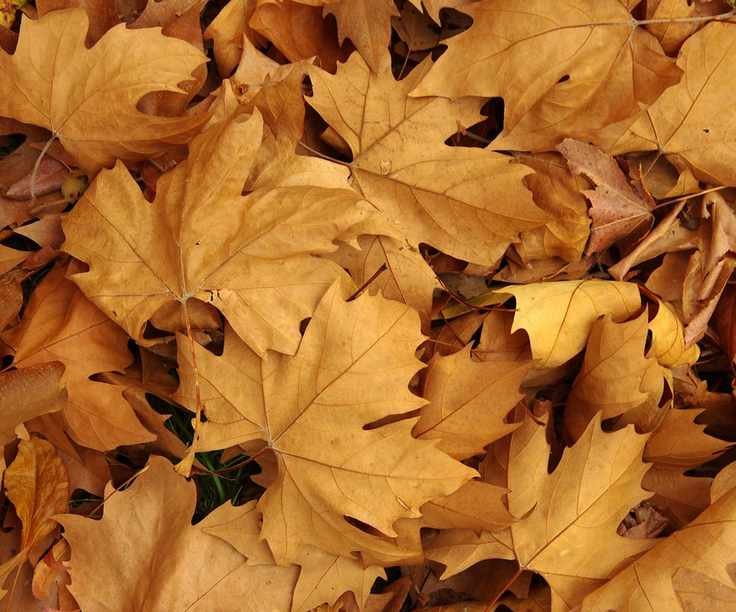
Fallen leaves can provide valuable insulation to plants during cold months
Ways to Incorporate Fallen Leaves in Your Garden
Many people first think of creating leaf mulch by gathering leaves and allowing them to decompose for a year. This leaf mold is straightforward and enhances the fertility and structure of any soil type. Another great option is adding leaves to your home compost system.
However, many don't realize that leaves can also serve as protective mulch or insulation for plants. Here's how to use them effectively during winter.
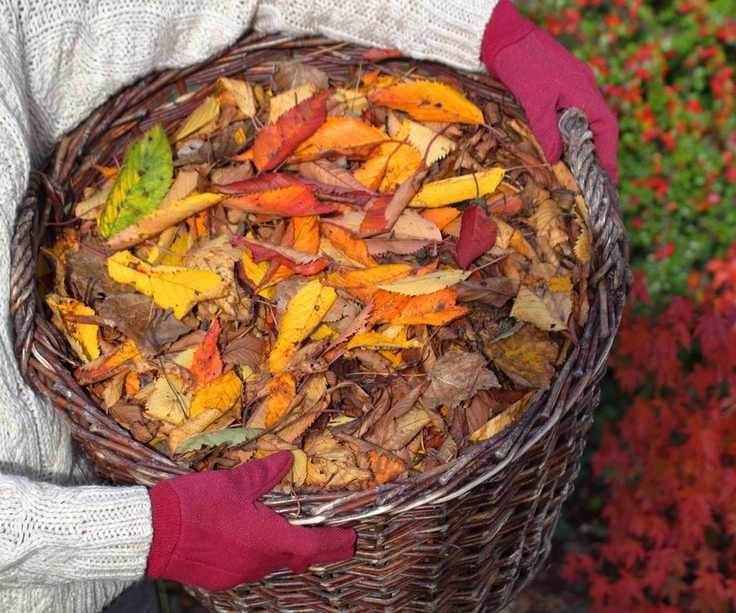
Fallen leaves are incredibly useful in the garden
Applying a Light Mulching Layer on Beds and Borders
Leaves can create a protective layer for various plants, which you can apply directly on the soil in fall to mulch flower beds and borders. This layer offers warmth and insulation against winter conditions like frost and extreme temperatures. Besides protecting your plants, the leaf mulch helps retain soil moisture, reduces erosion, and enriches the soil as it breaks down.
Using leaves on ornamental beds can trap heat and moisture, safeguarding the roots from freezing temperatures. This is especially vital for young or newly-planted shrubs that lack an established root system.
Leaves can also serve as mulch for vegetable gardens during winter. Ren Elizabeth from Eco Friendly Homestead states that they layer leaves every fall to help perennials survive winter.
'Perennials like artichokes, scarlet runner beans, passionfruit, and fennel thrive with a generous application of leaf mulch that keeps their roots insulated during colder months. This allows you to extend your growing season without needing a greenhouse,' says Ren.
'I've even successfully mulched winter-grown garlic with autumn leaves, saving money on organic straw.'
Shredding the leaves before application is beneficial. You can use a gas or electric lawn mower, strimmer, or shears, like these hedge shears available at Amazon. Mike Lansing from Planters Digest suggests shredding leaves first because whole leaves can block water from reaching plant roots.
A proper layer of chopped leaves should be two to three inches thick. Avoid excessive thickness, which could suffocate plants or promote rot. Flowers or spring bulbs can manage a few inches of chopped leaves but may struggle under a thick layer.

Creating Thicker Layers for Tender Perennials
Thicker layers of leaves can be placed around the bases of trees and shrubs to insulate their roots. This method is particularly helpful for delicate plants in colder US hardiness zones during dormancy. Sensitive plants can be shielded with a screen or cage filled with leaves, creating a warm and stable environment through winter.
During my time at a garden in the Midlands, which was zone 8, we used fallen leaves to protect several tree dahlias that weren't fully hardy in our climate. These plants required at least six inches of mulch to survive our winters. We constructed wire cages around them stuffed with leaves for insulation.
Regular dahlias, often admired as cut flowers, also benefit from a thick mulch during winter in colder climates. A six-inch layer of leaves helps protect the tubers from harsh frosts, allowing you to keep dahlias in the ground rather than lifting and replanting tubers annually.
FAQs
Will fallen leaves damage grass?
Removing leaves during winter is crucial, as thick layers can suffocate grass by blocking sunlight. A matted layer can prevent oxygen from reaching the grass, harming its health.
Leaving leaves on the lawn for more than a week risks damaging the grass. Make leaf removal an essential part of your fall lawn care routine.
How long do leaves take to decompose?
Leaves typically take six to twelve months to decompose, depending on the type; some may even take up to two years. Shredding them beforehand accelerates decomposition.
Can I just mow over my leaves?
Mowing leaves into smaller pieces allows them to break down naturally on the lawn, providing nutrients to the soil. This method can prevent thick layers from forming and damaging the grass. Simply use a mulching mower or a regular one without the collecting bag to chop them up and leave them to decompose.
What if leaves aren't cleaned up?
Neglecting to clear leaves can smother lawns, blocking light and oxygen, leading to damage. Decomposing leaf piles can attract pests and foster fungal diseases like snow mold, which creates brown patches on your lawn.
If you're considering what to do with fallen leaves this fall, there are various options. Some prefer the hands-on approach of raking, while others choose mechanical aids like a leaf blower, such as this leaf blower, vacuum, and mulcher from Amazon. No matter which method you choose, your plants and soil will thrive from gathering this valuable resource.



