
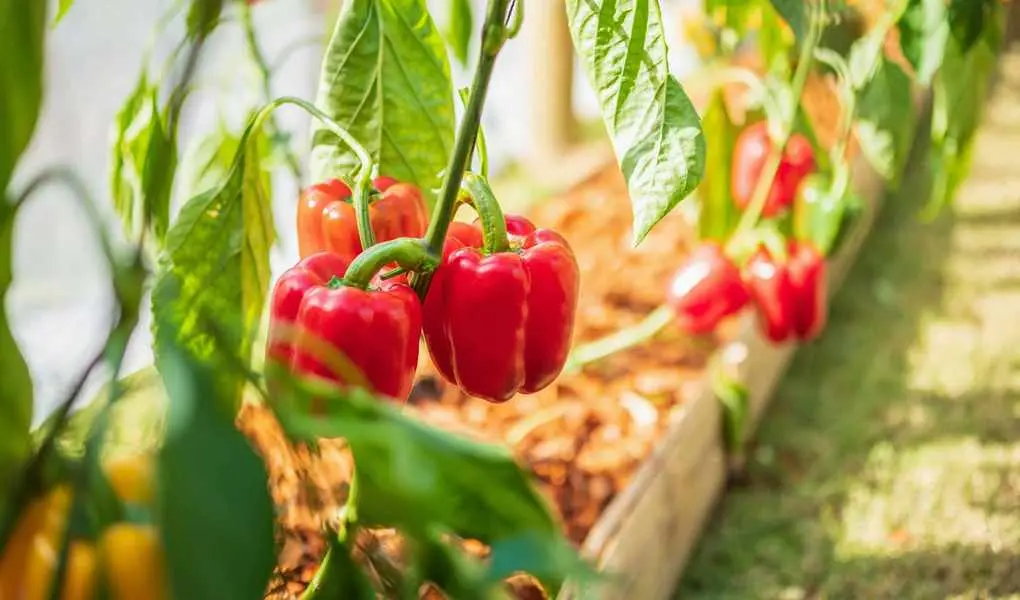
With the right approach, you can cultivate bell peppers and enjoy their vibrant colors in your homegrown harvest.
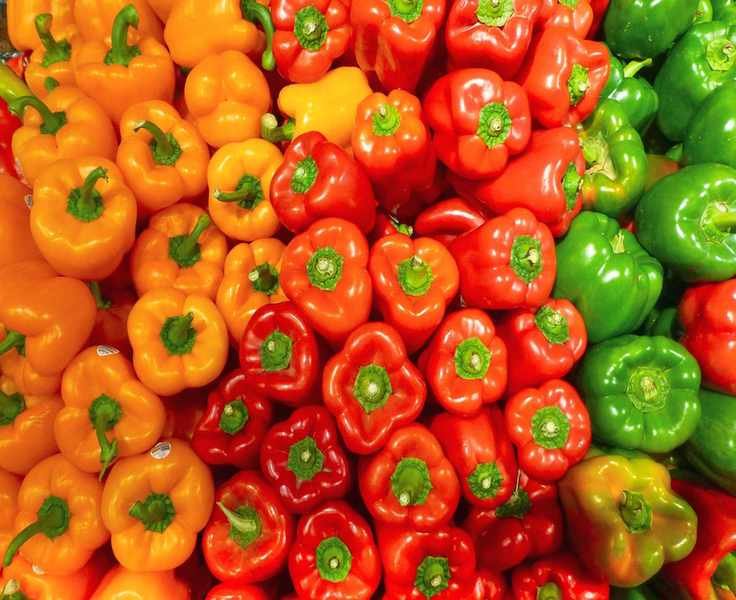
Known as sweet peppers or capsicum, bell peppers come in various colors, shapes, and sizes. They are delicious both raw and cooked, making them a versatile ingredient for countless dishes.
Including bell peppers in your vegetable garden is a smart choice. Growing them from seeds is often more economical than purchasing them at the store, especially since one plant can yield multiple peppers.
Beginner's Guide to Growing Bell Peppers
If you're wondering how to cultivate bell peppers, your local climate will influence the best method for you.
These tender plants love warmth. If you're in a cooler region, starting them in a greenhouse or sheltered area may yield better results. In milder climates, you can successfully grow them outdoors.
Additionally, companion planting can boost the health of your bell peppers, naturally deterring pests and enhancing pollination.
Optimal Locations for Bell Peppers
Assess your local growing conditions before planting bell peppers.
These plants thrive in sunny, warm spots and generally produce better yields when grown under cover in cooler areas. Consider them for your greenhouse plans.
In warmer areas, they can be planted outside, but starting them indoors in a warm environment before transplanting is beneficial.
Another option is to grow them in containers, allowing you to reposition them for optimal sunlight and shelter.
Some gardeners prefer starting with seeds, while others opt to buy young plants ready for transplanting. With proper soil, nutrients, sunlight, and water, you'll see great results, according to Gina Abernathy, an expert from Abernathy Farm Supply.
Starting Bell Peppers from Seed Indoors
To kick off your bell pepper journey, sow seeds indoors for a head start, especially in cooler regions.
Plant seeds indoors 8 to 4 weeks before your last expected frost, as they require time to germinate.
Sam Corfield, an author, recommends this approach for indoor planting:
- Fill a 3in (8cm) pot with compost, nearly to the top.
- Poke four evenly spaced holes about 1/2 in (1cm) deep.
- Place one seed in each hole, cover lightly with compost, and water gently.
- Keep the pot on a warm windowsill, covered with a plastic bag or in a propagator at 65-70ºF (18-21ºC).
- Ensure they don't dry out.
Once seedlings appear, remove the bag and place them in a warm, sunny area, maintaining a temperature of 60-64ºF (16-18ºC).
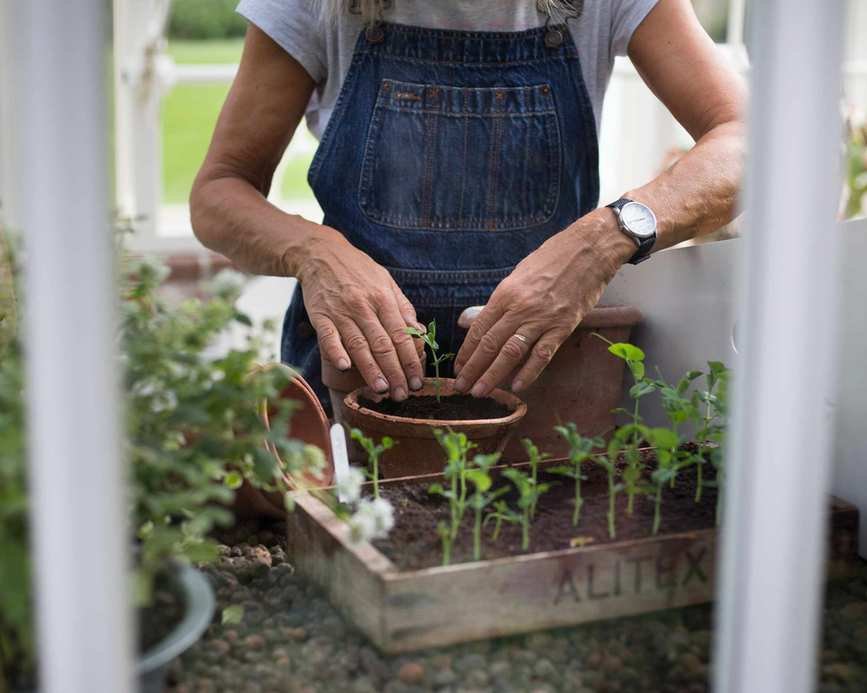
When seedlings reach about 5in (12cm) tall and have two true leaves, transplant them into their own 3in (8cm) pot filled with potting mix.
Continue to repot as they outgrow their containers, eventually moving them to a final pot of about 12in (30cm).
Keep them warm by positioning them by a sunny window or in a greenhouse, advises Sam Corfield.
Growing Bell Peppers from Young Plants

If you're short on time or have missed the seed-planting window, you can purchase young plants at garden centers in late spring or early summer.
Once the frost risk is over, plant them in a sunny, sheltered location or use a greenhouse, polytunnel, or even a sunny windowsill.
Since bell peppers are sensitive to cold, gradually acclimate young plants to outdoor conditions.
Outdoor Bell Pepper Cultivation

In warmer climates, bell peppers can thrive outdoors in sunny, sheltered spots.
'These are warm-season crops that prefer full sun. Plant them after the last frost date in your area,' explains Lindsey Hyland, an expert in urban gardening.
Ensure the soil is well-draining, slightly acidic, and rich in organic matter. Prepare your garden by adding homemade compost or manure.
Avoid planting next to other nightshades, like tomatoes or potatoes, to reduce disease risk.
When planting outdoors:
- Harden off your plants for about 2 weeks by bringing them outside during the day and back inside at night.
- Check the soil temperature is at least 60°F (16°C) — warm the soil with a black polythene sheet or cloche for two weeks if needed.
- Space seedlings 18-24in (45-60cm) apart, depending on variety.
- In cooler regions, cover with cloches or fleece until late June.
Caring for Bell Pepper Plants
Bell peppers thrive with consistent moisture. Water them regularly, ensuring the soil stays moist but not soggy to prevent rot.
In hotter areas, daily watering may be necessary, and ventilate greenhouses properly.
According to Lindsey Hyland, use a balanced fertilizer monthly once plants reach about 8in (20cm) tall. Pinch the growing tip to encourage branching and more fruit production. Stake larger plants to keep them upright.
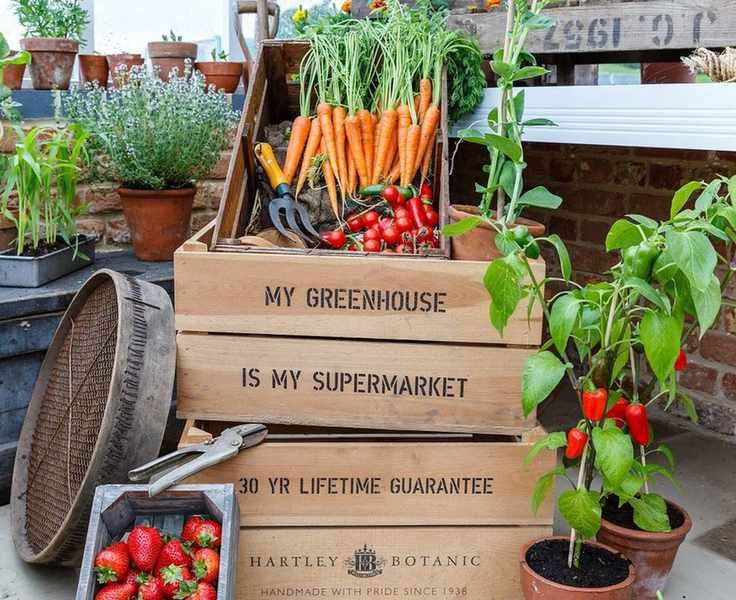
Are Bell Peppers Simple to Grow?
'Bell peppers are relatively easy to cultivate, provided they receive plenty of sun and warmth,' notes Lindsey Hyland.
As long as you create suitable conditions, they require minimal maintenance.
'Apart from watering, you may need to remove some flowers early on to focus the plant's energy on root and leaf growth instead of fruit,' suggests Ashley Pickens from a gardening resource.
Growing Time for Bell Peppers
Sweet bell peppers have a lengthy growing season, typically ranging from 60 to 90 days.
'Expect about 75 days from planting to maturity, with continuous fruit production for several weeks. For extended harvest, pick peppers while still green and let them ripen indoors,' shares Lindsey Hyland.
Peppers grown in greenhouses tend to mature earlier than those outside, from mid-summer into fall, depending on variety and planting time.
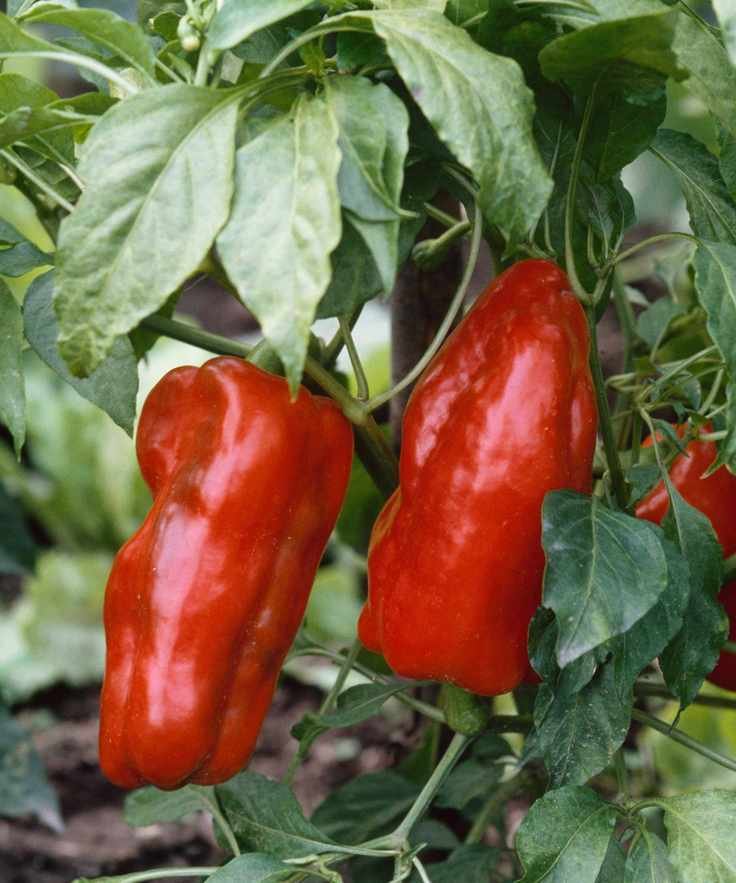
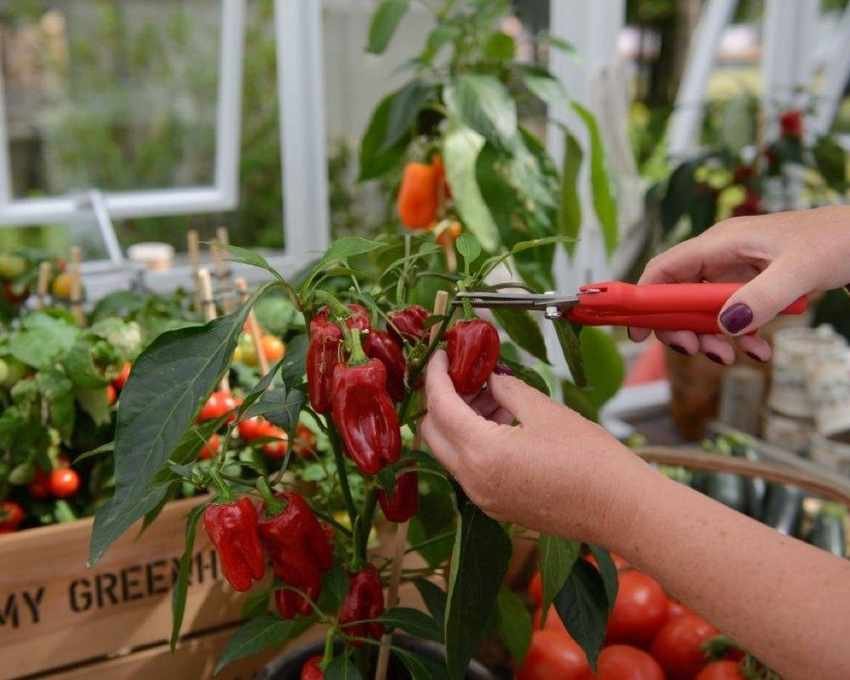
All peppers initially appear green but can eventually turn red, orange, yellow, or even purple, depending on the type. Leaving them on the plant for full ripening may halt further fruit production.
Can You Grow Peppers from Seeds Inside a Pepper?
'It's possible to grow bell peppers from seeds inside ripe peppers. However, ensure the seeds are properly dried and stored prior to planting,' advises Aaditya Bhatta, an expert in plant cultivation.



