
Q: I have a variety of bedding and young vegetable plants I've grown indoors. Some neighbors transplant theirs directly, while others recommend hardening off seedlings first. Do I really need to do this?
A: Hardening off seedlings is the process of helping them adjust to outdoor conditions. Plants raised indoors, whether on a windowsill or in a heated environment, need time to adapt to the elements before being planted in their final locations. If they've been sheltered, they require gradual exposure to lower temperatures and wind.
Transplanting seedlings into larger pots and moving them outside during the first sunny days can be a critical mistake. Chilly nights can harm tender plants that haven't acclimatized. 'Warm days in early spring may seem inviting, but nights can still be frigid, and late frosts aren't uncommon. Transplanting too soon can stunt growth or kill the plants,' warns a gardening expert. Following the right hardening off methods minimizes these risks, helping your plants thrive.

Expert advises that hardening off typically takes two to three weeks, allowing the plants' leaves to thicken and adapt to cooler temperatures, although it won't make frost-sensitive plants hardy.
Steps to Harden Off Seedlings
If you've started flower seeds indoors or vegetable seeds indoors, consider these effective tips:
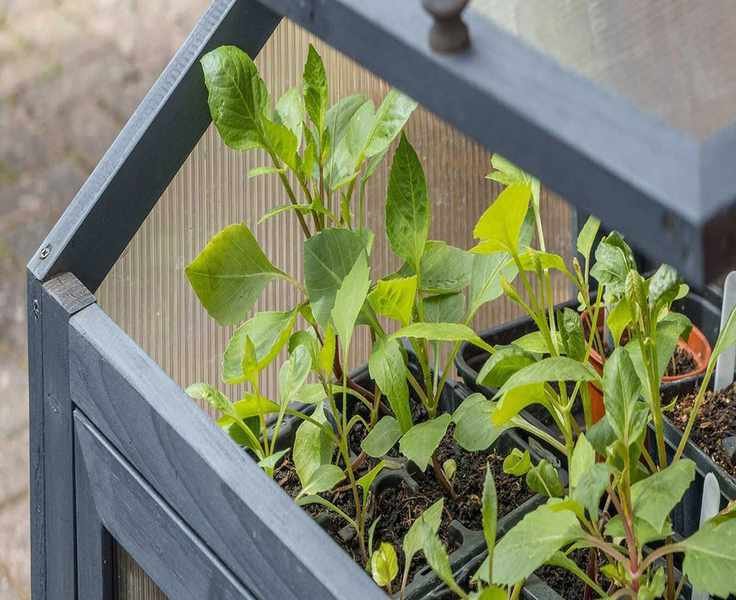
- Begin by relocating seedlings from a heated space to a cold greenhouse for a couple of weeks before introducing them to a cold frame. If you lack a greenhouse, opt for a cold frame with the lid open during the day and closed at night. Alternatively, a mini greenhouse or a DIY greenhouse can work, ensuring it's sealed at night. Should frost be predicted, protect your plants from frost by insulating with bubble wrap or using an old blanket.
- For the next two weeks, keep the lid of your cold frame (or the door of your mini greenhouse) open longer each day until they are fully exposed just before planting.
- By week three, the plants can be left uncovered at all times and should be ready for planting. Late frosts can still be a surprise, so keep some frost protection fabric (available from Amazon) handy and don't store your cold frame or mini greenhouse until it's safe.
After planting, windbreaks can shield plants from chilling winds as they establish. Stay alert to weather forecasts in early spring. If frost is expected, cover young plants with layers of horticultural fleece, and avoid watering them in the evenings to prevent frost damage.
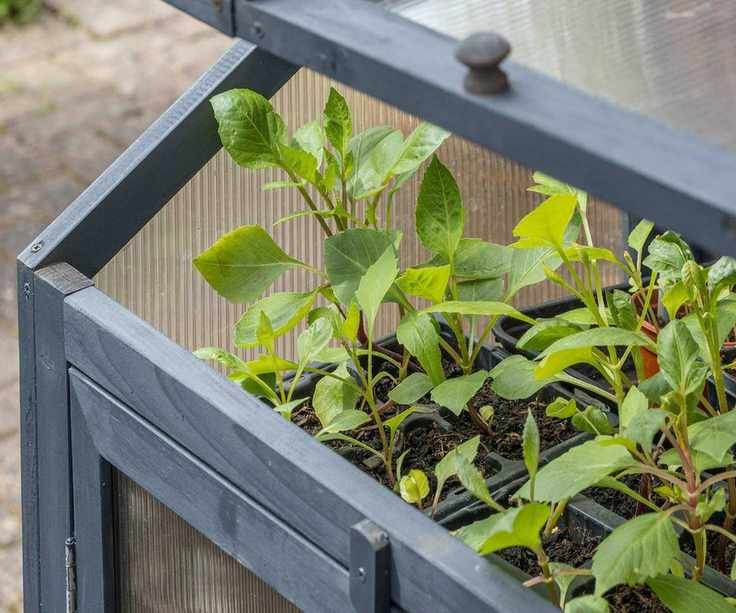
Opening the lid on a mini greenhouse or cold frame during the day will help acclimate tender plants to outdoor conditions.
Hardening Off Seedlings Without a Greenhouse
If you lack a greenhouse, cold frame, or mini greenhouse, there are still ways to prepare your plants for outdoor life.
'Plants grown indoors aren't exposed to full sun, wind, or rain,' says a fruit and vegetable growing expert. 'This shelter makes their leaves soft and prone to damage, so placing them outside abruptly could lead to scorching.'
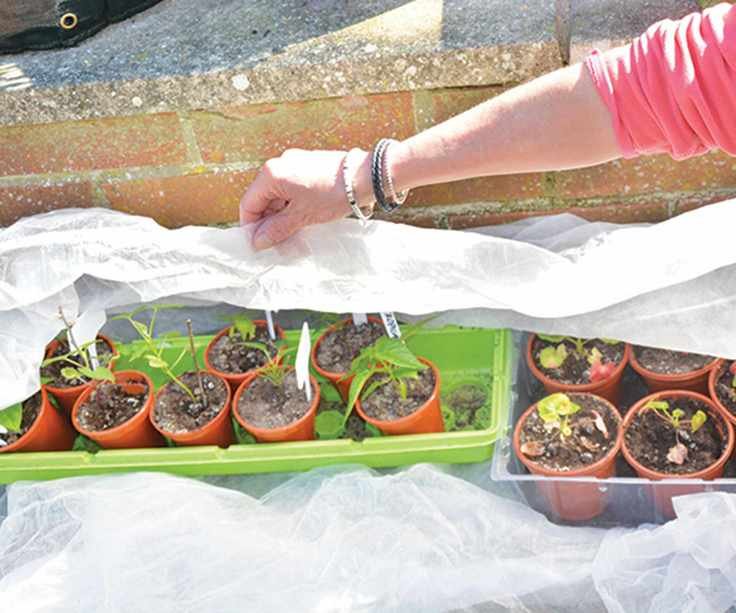
Choose an overcast, calm day for the initial hardening off, as this minimizes stress from strong sun or wind. If necessary, find a shady, sheltered location, such as near a garden wall or on a front porch. For the first 4-5 days, move seedlings outside during the day, bringing them back in at night to toughen them up.
You can also cover the plants with horticultural fleece or frost protection fabric during the day for extra security initially. This Airstar plant cover from Amazon is breathable and can be trimmed to fit multiple seedlings. Gradually remove the fleece after the first week but replace it at dusk until the plants are fully acclimatized.
Next, leave the seedlings outside permanently for a few more days. If they've been in a shaded area, gradually expose them to sunnier spots. By this point, their leaves will have thickened, akin to developing a base tan!
Ultimately, your seedlings will be ready for their new homes. Water them thoroughly prior to planting, and give them a light watering after planting to ensure they thrive.
Do All Plants Need Hardening Off?
According to gardening experts, plants are often categorized as hardy or half-hardy, indicating the level of protection they need against cold weather damage.
Hardy plants can generally withstand freezing and thawing, while half-hardy plants require acclimatization. These plants should not be set outdoors until all frost threats are gone. Examples include antirrhinums, cosmos, diascia, runner beans, tomatoes, and cucumbers. They must be hardened off or risk damage from low temperatures.
Should You Water Seedlings More When Hardening Off?
Seedlings might need more frequent watering during hardening off due to increased sun and wind exposure that can dry out the soil. It's important to keep the soil moist but not soggy.
Transitioning plants from controlled environments to outdoor conditions can be shocking. Gradually hardening off seedlings helps them adapt to sunlight, wind, and temperature changes, preventing long-term damage.
Consider it like sending your seedlings to school! You're training them to thrive in their new environment over a few weeks before they settle into your flower bed or vegetable garden.



