
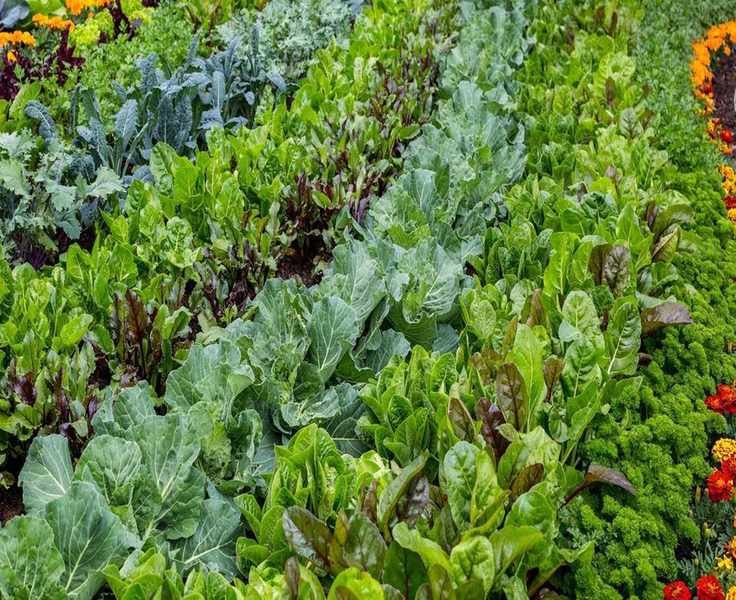
Fast-growing vegetables offer quick results, making it easier to grow your own produce without the wait. If you're eager for a harvest but some plants take too long, these crops can help.
When planning your vegetable garden, these speedy options can yield results while slower varieties mature. By planting them successively, you'll enjoy a steady supply of fresh vegetables throughout the season.
Microgreens, salad greens, and radishes are among the fastest producers, often ready in just a few weeks. They are simple to cultivate, even for those just starting out. My experience as a gardener taught me the joy of sowing seeds, watching them thrive, and harvesting them shortly after.
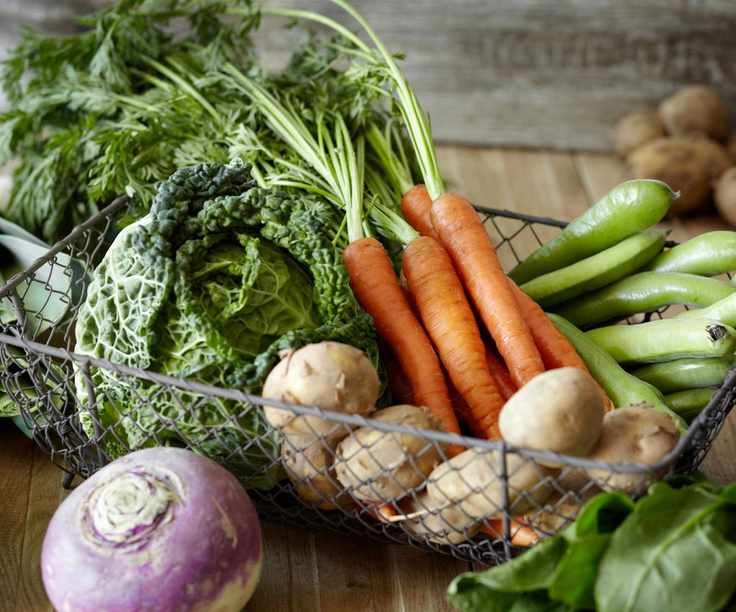
Planting quick-growing vegetables fills gaps while other crops mature.
10 Fast-Growing Vegetables to Try
These speedy vegetables not only grow quickly but are also easy to cultivate at home. They're perfect for garden beds, raised beds, or even in containers.
Always check seed packet instructions and remember that growth rates depend on planting times and weather.
1. Microgreens
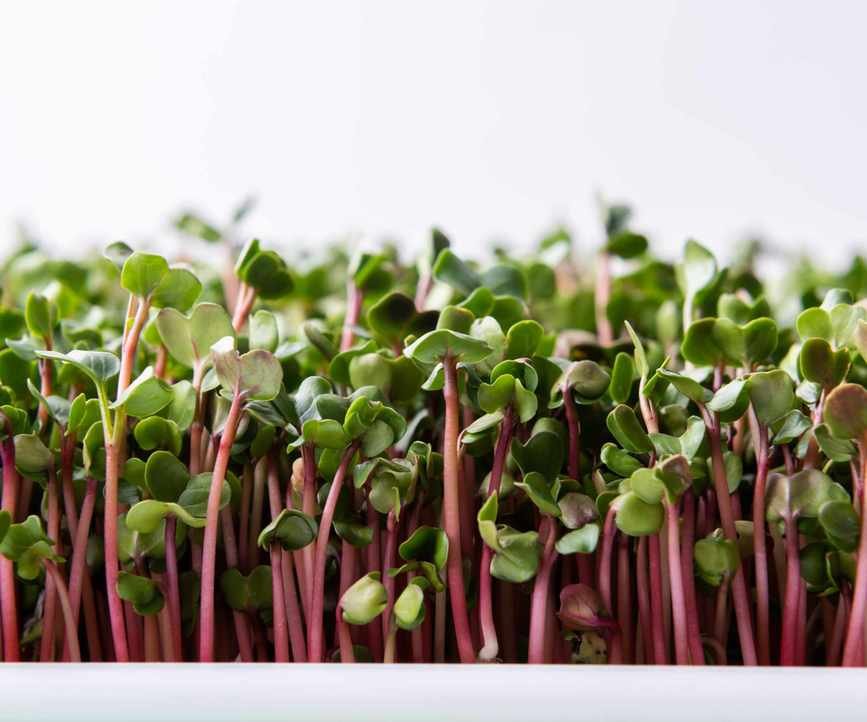
Radish microgreens thrive on kitchen windowsills.
- Harvest Time: 14-21 days
Microgreens can sprout on a windowsill, yielding harvests in as little as two weeks. These nutrient-packed seedlings include varieties like cress, radish, beets, pea shoots, and arugula. For a continuous supply, sow them weekly.
Explore how to grow microgreens year-round for salads or garnishes.
2. Radishes
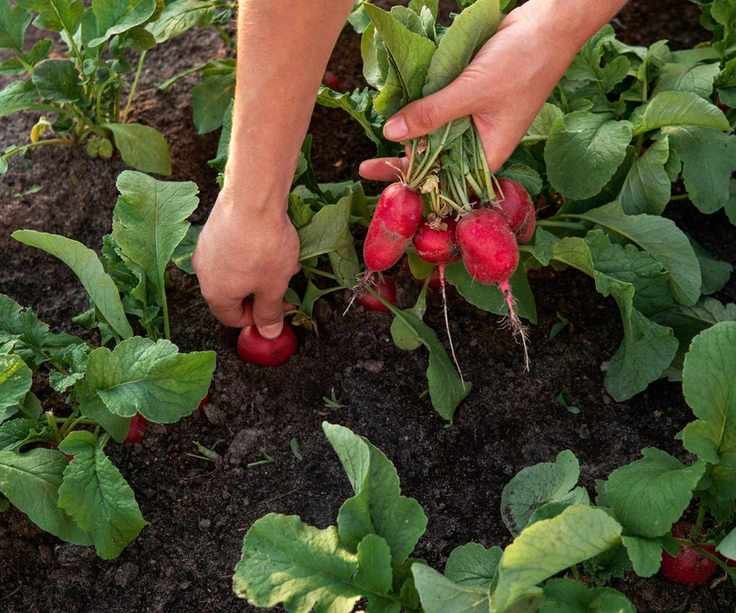
Radishes are excellent for novice gardeners.
- Harvest Time: 20-25 days
Radishes are among the quickest-growing crops, suitable for ground planting or containers. Sow seeds thinly and space seedlings an inch apart. Water frequently and harvest when they reach about an inch wide.
Learn more about growing radishes and their diverse colors and flavors.
3. Arugula
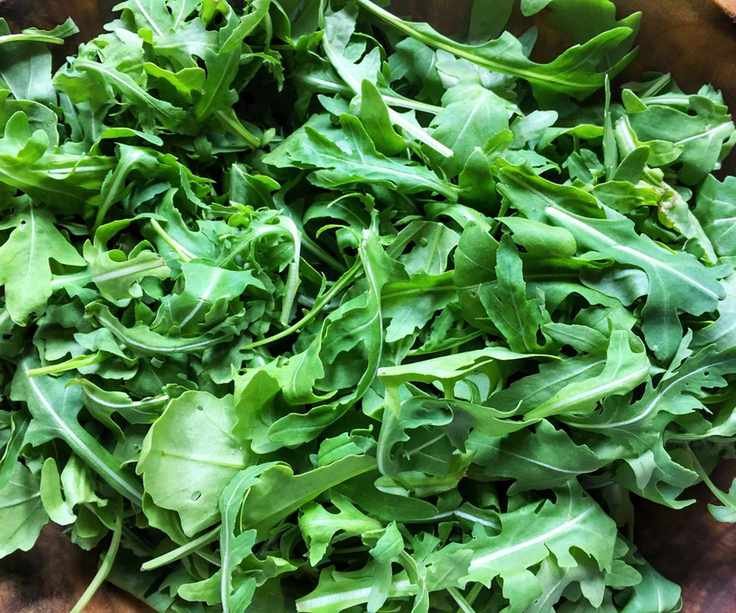
Arugula's baby leaves have a delightful sweetness.
- Harvest Time: 20-50 days
Arugula, or rocket, adds a peppery flavor to dishes. Harvest baby leaves for a sweeter taste, ready in a few weeks. This plant enjoys full sun or partial shade and can grow in the ground or pots.
Purchase arugula seeds on Amazon.
4. Lettuce
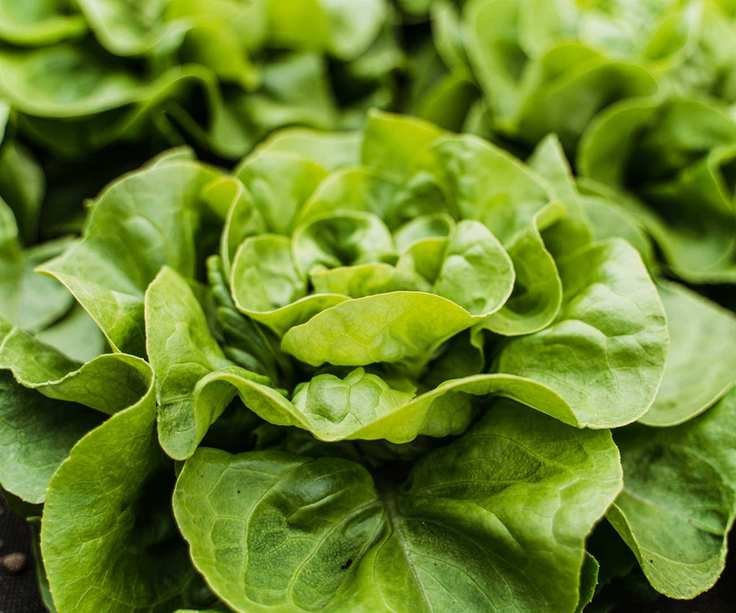
Grow your own salad greens in the kitchen garden.
- Harvest Time: 28-42 days
Lettuce comes in many varieties and is one of the quickest crops to grow. For a consistent supply, plant seeds at intervals. Sow directly where they'll grow and thin to five inches apart.
Opt for cut-and-come-again types for multiple harvests, as they mature faster.
5. Kale
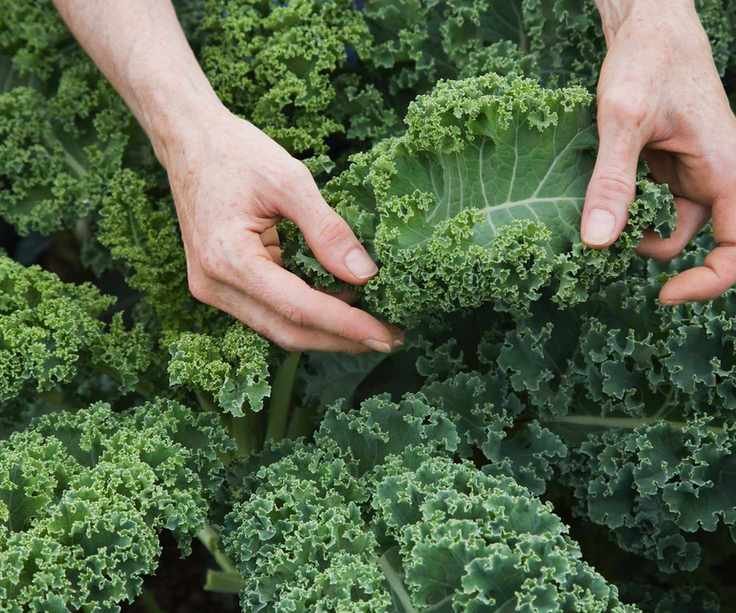
Excess kale can be frozen for later use.
- Harvest Time: 30-60 days
Kale is a resilient plant that can be harvested as baby leaves, offering maximum nutrition. It can be directly sown or started indoors for earlier planting.
Find out how to grow kale and pick leaves as they reach palm size.
6. Tatsoi
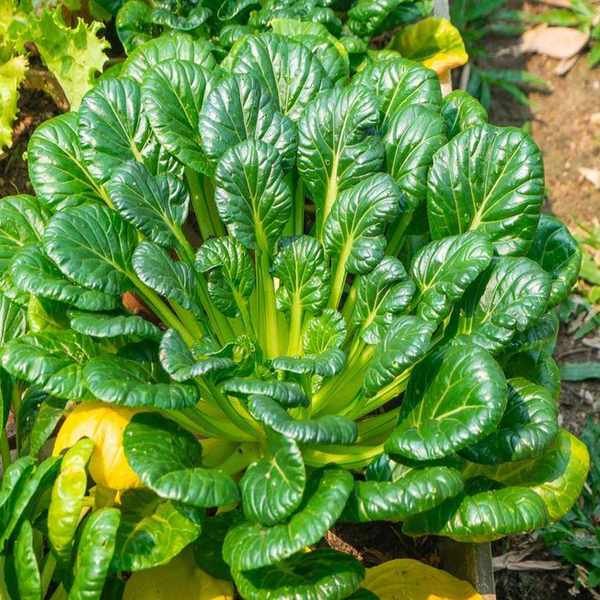
Tatsoi thrives quickly but may bolt in heat.
- Harvest Time: 30-45 days
This Asian brassica resembles bok choy and grows a rosette of leaves. It's best sown in spring or fall and requires regular watering to prevent bolting.
7. Baby Beets
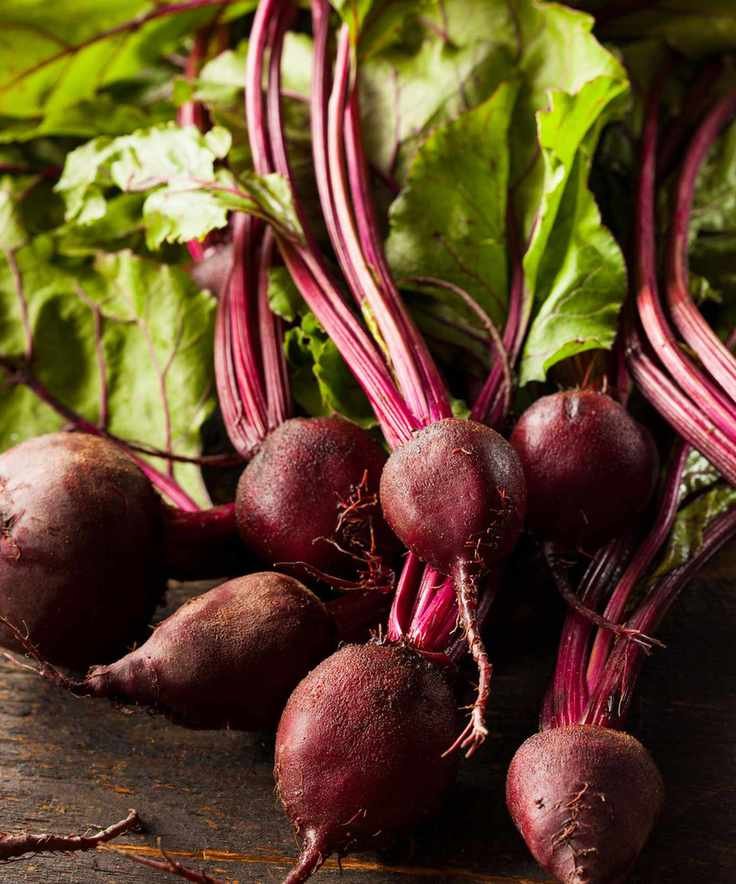
Baby beets are nutritious and colorful.
- Harvest Time: 50-70 days
Beets are easy to grow from early summer to late fall. Sow seeds every three weeks for continuous crops. Thin seedlings to one inch apart, and pick baby beets when they're one to two inches wide.
8. Spinach
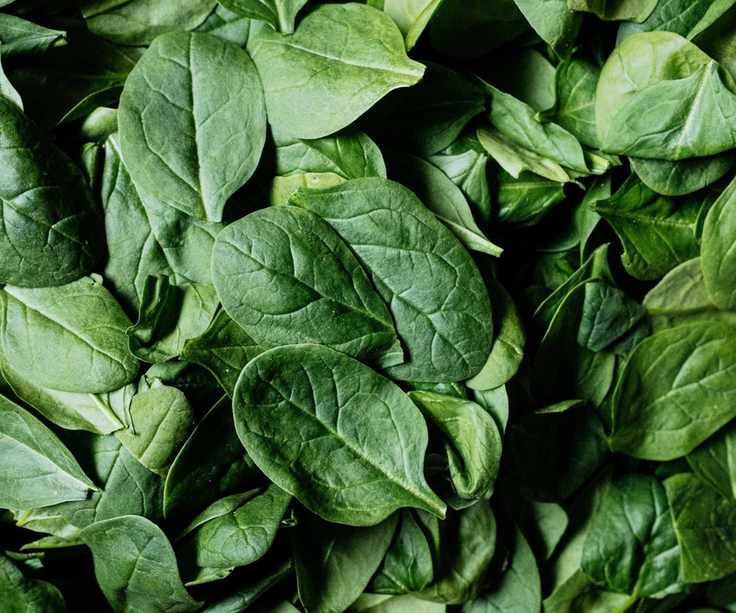
Spinach is versatile in cooking.
- Harvest Time: 50-70 days
Spinach is loaded with nutrition and can be harvested young. Sow seeds with spacing for 10-inch plants. Regular harvesting encourages new leaf growth.
9. Carrots
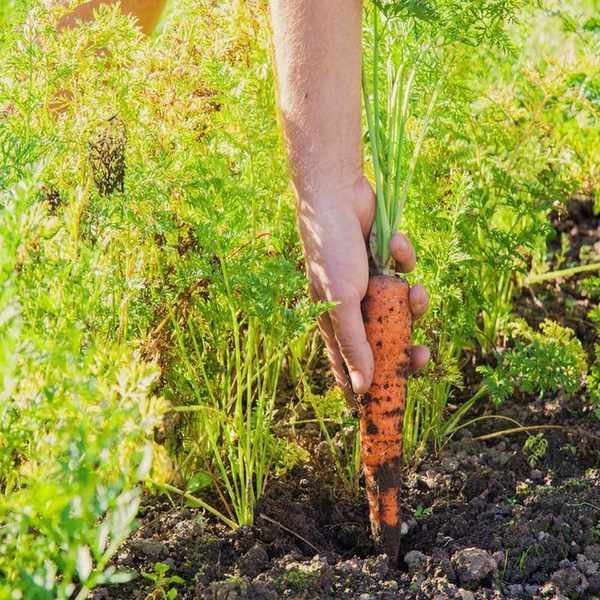
Carrots are fun for kids to grow.
- Harvest Time: 50-80 days
Early carrot varieties can be sown in spring, producing sweet roots in under two months. Space seeds two inches apart in shallow trenches for best results.
10. Spring Onions
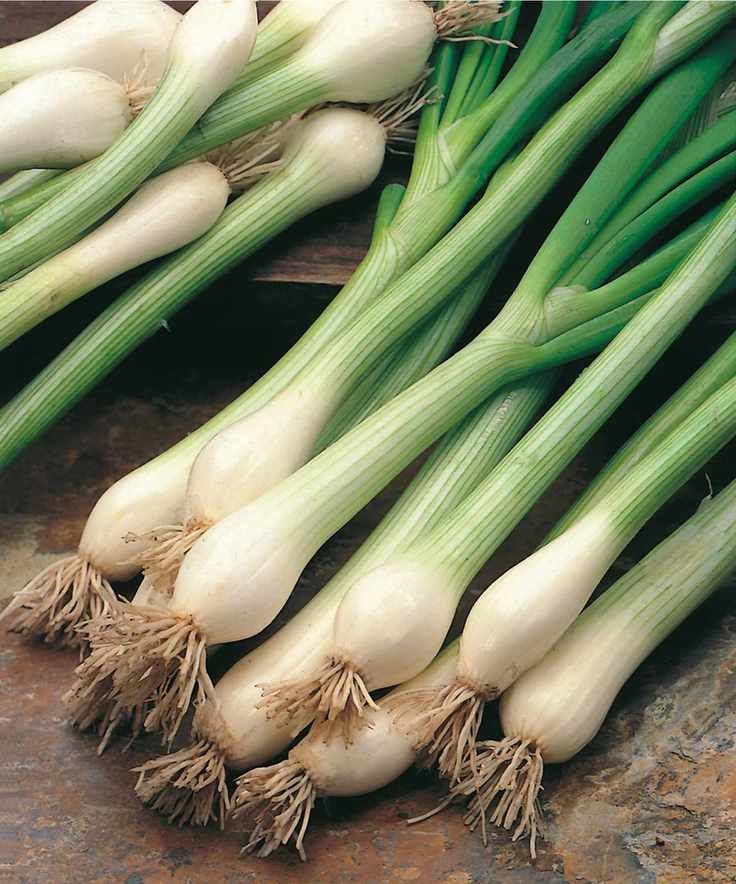
Spring onions are rich in vitamins.
- Harvest Time: 60 days
Also known as scallions, these quick-growing onions are harvested for their slender stalks. Sow seeds in rows, keeping them well-watered for optimal growth.
Using fast-growing crops can enhance any garden, ensuring productivity throughout the season. Regular sowings of these vegetables can lead to a steady supply of fresh produce with minimal effort.



