Growing microgreens is a fun and straightforward method to boost the flavor and nutrition of your meals. These tiny greens, including various lettuces and herbs, are harvested while still young.
Since they command a high price at grocery stores, cultivating them at home offers a budget-friendly way to add a gourmet touch to your dishes.
See: Ideas for your kitchen garden – simple methods to start growing
Microgreens have numerous advantages. According to gardening expert Alex Mitchell, author of Crops in Tight Spots, they concentrate the flavors of mature plants. They add vibrant colors and delightful tastes to salads and sandwiches.

Despite their small size, microgreens are nutrient-packed. Nutritionist Caroline Sherlock points out that young shoots are often more nutrient-rich than their fully grown counterparts. For instance, broccoli microgreens can contain up to 100 times the anti-inflammatory and anti-cancer benefits of sulforaphane compared to a mature broccoli head.
You can cultivate microgreens throughout the year, making them a great choice for limited spaces—just a sunny windowsill is all you need to grow this easy superfood in under a week.
See:Small vegetable garden ideas – from design layouts to optimal crops to grow now
Growing Microgreens Indoors
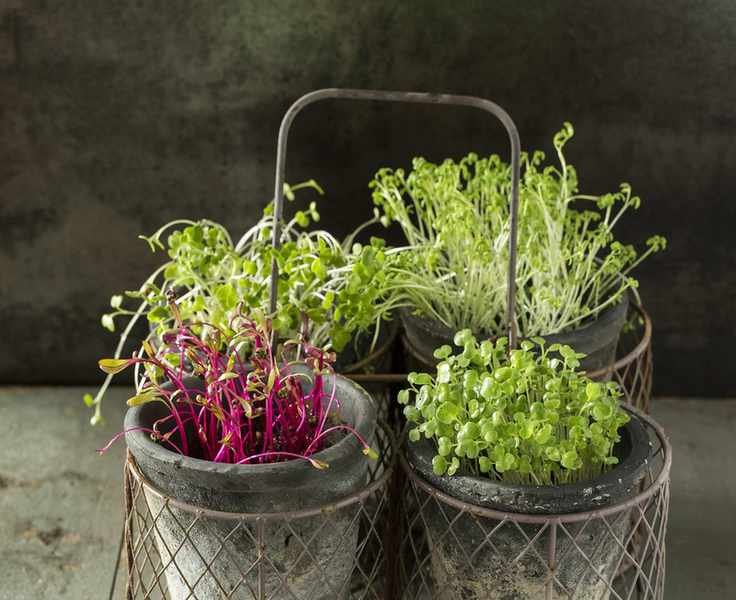
Mastering the art of growing microgreens indoors is simple, requiring minimal time, effort, and space.
- Begin by filling a seed tray or other suitable container with fine compost, pressing it down gently.
- Using fresh compost is ideal, but if you use previously used compost, ensure it's free from disease. Adding a handful of chicken manure pellets can boost nitrogen levels.
- Sow your preferred seeds, either individually or as a mix with similar growth times. 'Sow seeds thickly, almost touching,' advises Mitchell, but avoid overcrowding.
- Cover the seeds with a light layer of compost and water gently using a watering can to keep the soil moist without disrupting the seeds.
- Consider covering the seeds with a plastic bag or lid to retain moisture, but remove it once germination begins to prevent mold.
- Place the tray on a bright windowsill; a grow light may help during winter months.
- Check daily and lightly water when the compost starts to dry. Keep it moist for successful growth.
- When seedlings reach 1-2 inches tall—typically in a few days to three weeks—they are ready to harvest. 'Look for two sets of true leaves,' Mitchell adds.
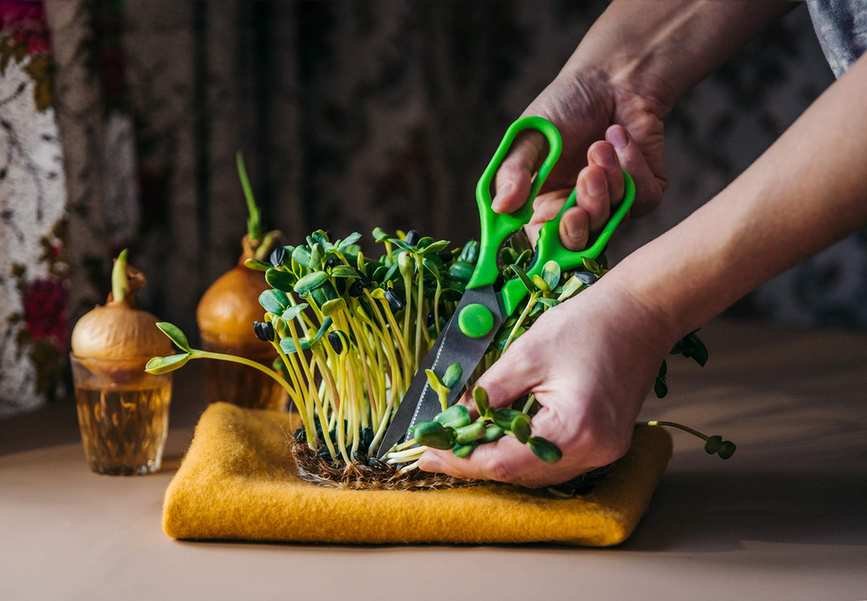
- Use scissors to cut them at the base, rinse gently, and drain on kitchen paper before adding them to your meals.
- For a steady supply, sow new crops weekly.
Microgreens Varieties
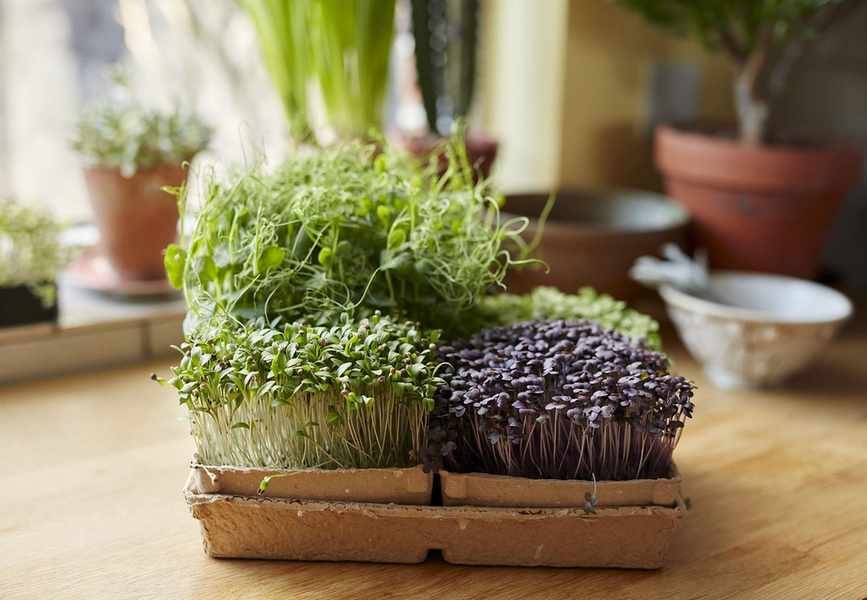
There's a broad range of microgreens to grow, making it exciting to experiment. Here are some top choices:
- Salad greens like lettuce, spinach, red-veined sorrel, rocket, mizuna, cress, and watercress are among the easiest to cultivate.
- Vegetables including beetroot, broccoli, cabbage, carrots, celery, chard, kale, leaf beet, leek, peas, radish, and sweetcorn.
- Herbs like basil, chervil, cilantro, dill, fennel, flat-leaf parsley, mustard, and purple perilla are flavorful, though they may take longer to germinate.
To grow microgreens, you'll need a substantial amount of seeds, which can get pricey if bought in small packets. Check packet seed counts, which range from 20 to several hundred.
For bulk quantities, consider trade suppliers or bulk seeds for your cooking needs. 'You can even try growing microgreens from coriander, fenugreek, and mustard seeds found in your spice rack,' suggests gardening expert Jane Perrone.
See: How to grow cilantro – maximize the use of this versatile herb
Growing Microgreens Without Soil
Microgreens can also be cultivated without soil using hydroponics, a method many commercial growers favor.
Various growing mediums are available, including coir, hemp mats, perlite, and even folded kitchen paper towels.
Place your chosen medium in a tray, sow the seeds on top, and keep it moist for germination.
If you want convenience, consider investing in a hydroponics kit.
Growing Microgreens Outdoors
If you prefer not to grow microgreens indoors, outdoor cultivation is a great option. The process remains largely the same, but you'll need to prepare the soil by enriching it with chicken manure pellets and raking it finely.
Keep in mind that outdoor seedlings face threats from pests like slugs, snails, aphids, and whitefly.
See: How to grow radishes – a colorful addition to your salads
Can Microgreens Regrow After Cutting?

Some microgreens can regrow after being cut, though many cannot. For instance, peas can regrow if cut above the first shoot.
If you wish to try regrowing, leave the lowest leaf on seedlings when cutting, and keep them in a sunny area for photosynthesis.
See: How to grow spinach – in pots, indoors, or raised beds
While experimenting with regrowth can be enjoyable, subsequent crops may be less successful and more prone to mold. Since microgreens grow quickly, it's usually better to sow them successively.