

If you love cooking, knowing how to grow cilantro, also known as coriander, is a must. This herb is one of the most popular worldwide and has been valued by ancient cultures for its rich flavor and medicinal uses.
See: Kitchen garden inspiration – simple ways to start growing
Cilantro is incredibly versatile; every part of the plant is edible. By learning to grow cilantro, you'll be able to harvest it from root to flower. Chef Mauro Colagreco emphasizes this, stating that tasting cilantro at different growth stages offers varying flavors: leaves, flowers, green seeds, and dried seeds.
Once you master growing cilantro, it can enhance a wide range of dishes, from salads and sauces to soups and curries.
Growing Cilantro from Seeds
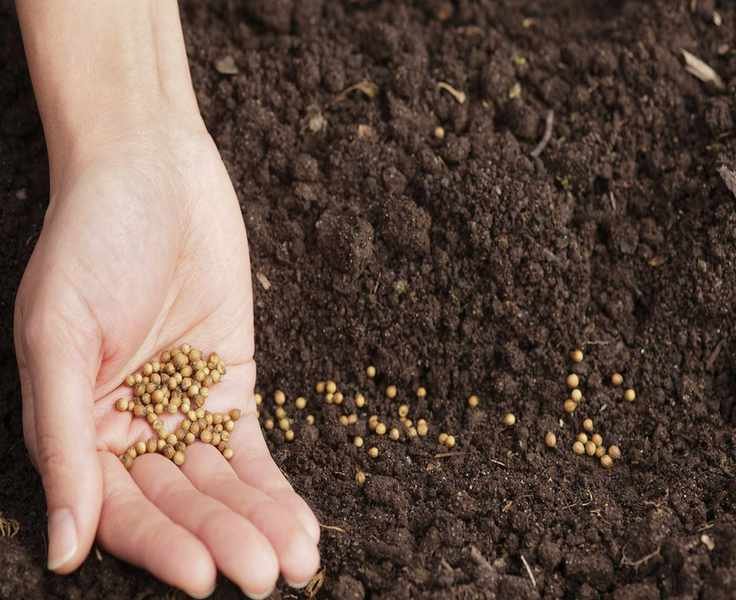
Starting cilantro from seeds ensures a quick and dependable harvest. Timing is crucial; avoid sowing seeds during the hot summer months, as this can cause the plants to bolt and seed prematurely.
Judith Hann advises sowing seeds frequently in early spring and fall, steering clear of hot, dry periods. Since cilantro dislikes being transplanted, directly sow seeds into the garden soil where they are to grow. Use light, enriched soil to retain moisture and prevent bolting.
- Choose a location that receives some shade; cilantro prefers light shade to full sun to avoid scorching.
- Sow seeds thinly in shallow rows about 7-8 inches apart, covering them lightly with soil.
- Maintain moist soil, avoiding waterlogging.
- Seeds typically germinate within one to three weeks.
- When seedlings appear, thin them to 3-4 inches apart, or further apart if growing for seeds.
- To encourage bushier growth, pinch back the main tips of cilantro plants.
To ensure a steady supply, practice succession planting. Monty Don suggests treating cilantro like lettuce, sowing small amounts every few weeks for continuous fresh leaves.
Varieties such as Lemon and Leisure are popular, but if you're in a warmer climate, consider slow-bolting types like Calypso or Santos.
See: Compact vegetable garden ideas – grow your own herbs in limited space
Harvesting Cilantro

Once you've learned to grow cilantro, knowing when and how to harvest is next. Every part of the plant is edible and should be picked at different times for optimal use.
Cilantro's leaves and stems are popular in salads and as garnishes for curries, soups, meats, and fish, offering a fresh, citrusy flavor that diminishes with cooking. To preserve taste, add cilantro just before serving.
For the best flavor, harvest leaves in the morning or evening, before flowering begins. Use sharp scissors to cut the stems.
Cilantro seeds, known as coriander, are aromatic and can be used whole, crushed, or ground. Vicki Edgson notes that dried seeds have a warm, spicy flavor that can elevate many dishes.
Harvest coriander seeds when green or wait for them to brown for unique flavors. To collect brown seeds, hang flower heads upside down in a paper bag until they drop.
Cilantro flowers have a milder taste and are great for garnishing. Harvest them in the morning or evening, just after flowering, to enjoy their subtle flavor.
Even cilantro roots are edible. Judith Hann mentions their earthy flavor, which is a blend of leaf and seed, perfect for soups and stews.
Next, explore how to grow cilantro indoors or in pots.
Growing Cilantro Indoors
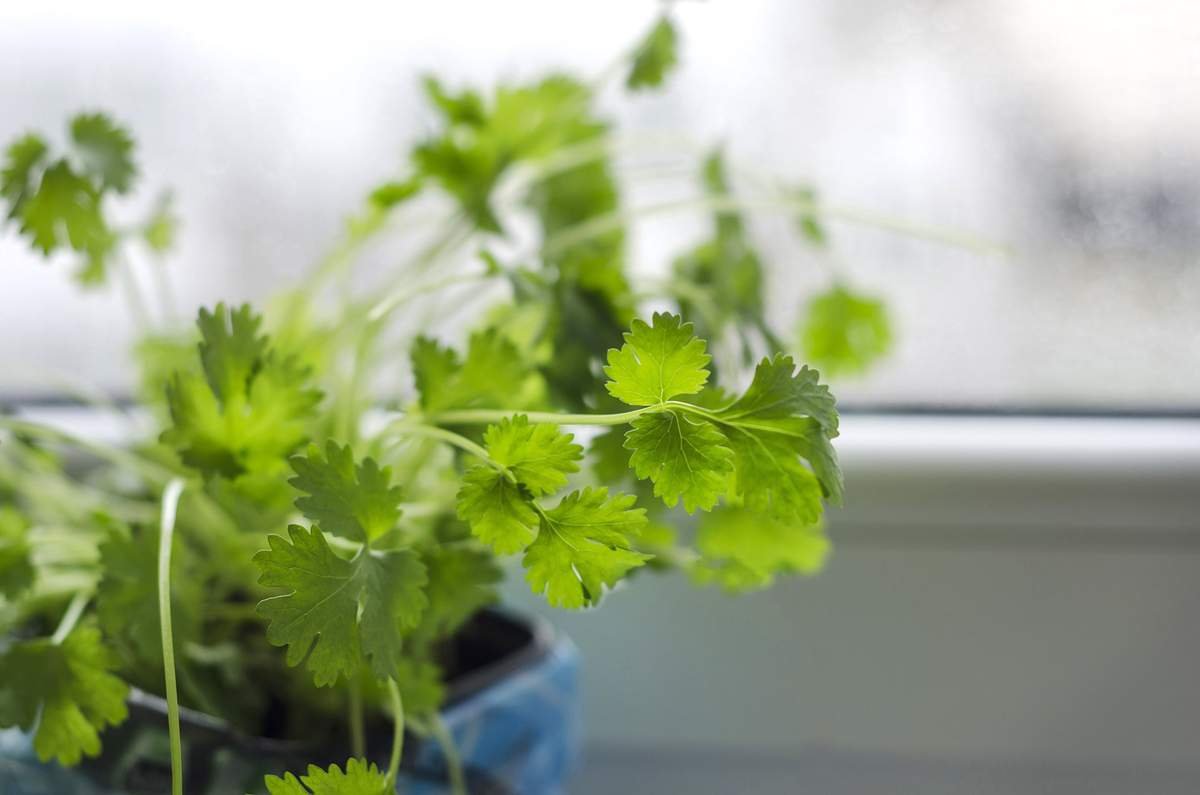
You can grow cilantro indoors if you lack garden space. A bright windowsill and a sizable pot will do.
Ensure the plants receive at least four hours of sunlight daily. If natural light is insufficient, consider using a grow light.
Indoor plants need a well-draining pot with enough space for roots. They may benefit from occasional liquid fertilizer.
Monitor soil moisture carefully; keep it damp but not overwatered.
Growing Cilantro in Pots

If you want a patio herb garden, knowing how to grow cilantro in pots is beneficial. These plants can be moved to shaded areas during hot weather.
Use a large container at least eight inches in diameter to allow for proper root development. Judith Hann notes that small pots can restrict growth and lead to premature flowering.
Sow about three seeds per pot, thinning weaker seedlings as they grow. Keep the soil moist without letting it dry out.
Growing Cilantro from Cuttings

If seeds aren't working for you, try growing cilantro from cuttings. If a recipe calls for cilantro leaves, save 10-15 stems and trim them to about three inches.
Cuttings with roots will grow faster, but you can also use stem cuttings. Space them three inches apart in well-draining potting mix, placing them in a partially sunny location. Keep the soil moist, and they should root in a few weeks.
Alternatively, place stem cuttings in water until roots are about an inch long, then transfer them to a pot.
Is Cilantro a Perennial?

While learning how to grow cilantro, you might wonder if it's a perennial. Unfortunately, cilantro is an annual herb, meaning you'll need to replant it to extend the harvest season. In mild areas, it can survive into winter.
The good news is that cilantro self-seeds. Let some plants flower and go to seed for new seedlings in the spring.
If you're looking for a perennial option, consider growing culantro, which has a similar but stronger flavor and aroma, often used in Caribbean and Asian dishes.
Culantro's leaves differ from cilantro, being long and serrated, making it suitable for shaded gardens.
See: Companion planting – your essential guide
Maintaining a Cilantro Plant

Maintaining cilantro is usually easy. As long as it's planted in well-draining, neutral to acidic soil and not in hot summer conditions, you're off to a good start.
Keep the soil moist but not soggy. Cilantro doesn't need much fertilizing, though occasional light feeding can help.
Preventing bolting is often the main challenge when learning how to grow cilantro, which can happen if conditions aren't right.
If growing in pots, move cilantro to a shaded area during hot weather to reduce bolting.
See: How to grow rosemary – from cuttings and seeds
Avoid transplanting when possible, as cilantro doesn't respond well to root disturbance. If you must, be gentle and keep soil intact around the roots.
Watch for pests like slugs and snails, which can be managed with barriers. Aphids and whiteflies may also pose issues, so monitor and use natural repellents as needed.
Mildew or damping off can occur, usually linked to overcrowding or overwatering.
Most problems can be easily resolved, so don't let them deter you from learning how to grow cilantro.



