

If you haven't yet tried growing parsnips, you might have heard they're tricky. That's a common misconception! The parsnip (Pastinaca sativa) is quite easy to grow and does well in various environments. The main challenge lies in their germination, but with the right approach, you'll soon be harvesting these delicious roots.
These tapered, sometimes knobby roots have a rich history, having been cultivated long before potatoes took center stage. In the past, parsnips were used for sweetening jams and even in brewing. Packed with vitamins C and E, potassium, fiber, and antioxidants, they are great for reducing cholesterol and enhancing immune function.
While often overlooked, parsnips are a fantastic addition to your vegetable garden, particularly in winter when many plants are dormant. They thrive in cooler temperatures and even improve in flavor with light frost exposure. The key is patience and understanding how to cultivate these unique roots.

Frost exposure enhances the flavor of parsnips.
Optimal Conditions for Parsnip Growth
To grow parsnips successfully, focus on three main elements: selecting the right seeds, proper planting, and timing. Although they aren't the top choice for novice gardeners, mastering these basics makes the process straightforward. Unlike many crops, parsnip seeds should be used within the year they are purchased for the best germination rates.
Parsnips flourish in sunny or partially shaded areas and prefer loamy or sandy soils with a pH of 6-7. Avoid overly dry or waterlogged conditions. Soil quality is crucial since heavy soils can hinder their growth. Ensure you till the soil to a depth of 18 inches, remove any rocks, and cover the seeds with a fine layer of soil.
Consistency is key: stones can distort root shapes or halt growth. Some taproots can reach 15 inches in length, so ensure your planting site allows for at least 20 inches of depth. Preparing the soil well gives your parsnips a great start. Warming the soil in advance with a cloche or similar method can also be beneficial.
If you have heavier soils, consider growing shorter varieties like 'Albion' or 'White Gem'. For longer roots, opt for 'Javelin' or 'Viper'. For disease resistance, 'Gladiator' or 'Picador' are excellent choices. For superior flavor, try 'Pearl', 'Hollow Crown', 'Tender & True', and 'Harris Model'.
- Purchase parsnips from Amazon
- Get parsnips from Burpee
- Find parsnips on Etsy
- Shop parsnips from Tomorrow Seeds
- Order parsnips from Walmart

Deep raised beds are ideal for growing parsnips, ensuring good drainage.
Timing and Techniques for Parsnip Cultivation
One critical aspect of growing parsnips is their lengthy growing season. They are not known for rapid growth, typically taking four to five months from germination to maturity. It's common to sow seeds too early, risking failure if the ground hasn't warmed sufficiently. Aim for soil temperatures between 50-55˚F before planting.
As cool-season plants, parsnips tolerate slight temperature drops. They thrive best between 40˚F and 70˚F. Ideal planting times are early spring or late fall in milder climates. Although biennial, parsnips are generally grown as annuals, so timing is crucial, with mid-April to early May being the best sowing window.
Sowing in spring allows for cooler temperatures and consistent moisture. Starting parsnips indoors can be advantageous if done in biodegradable pots that accommodate the long taproots, but many experts recommend direct sowing outdoors. Always let soil temperatures dictate your planting schedule.
Parsnips adapt well in USDA hardiness zones 2-9, and in warmer areas, autumn sowing can yield crops that mature in spring.
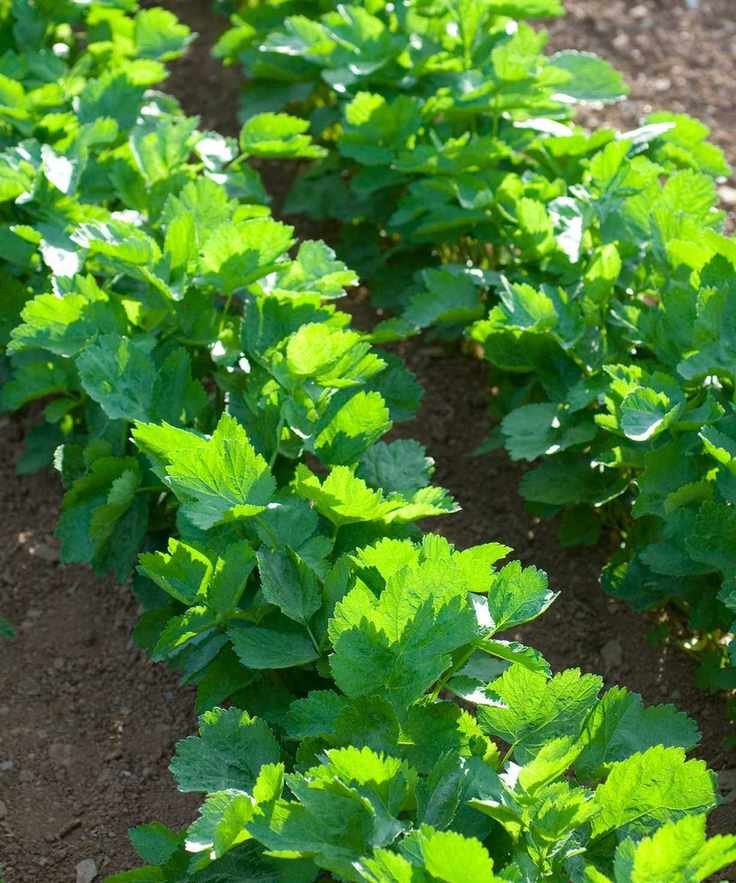
Full sun aids parsnip growth, but avoid drying out during heat waves.
Seed Planting Methods for Parsnips
Fresh seeds lead to better germination. Experts recommend sowing seeds thickly and later thinning out weaker seedlings. Start with a generous sowing to compensate for those that won't germinate. A helpful trick is 'chitting' seeds a week before planting – place them on a damp paper towel and cover with cling film.
To ensure optimal planting holes, use a sturdy pole to create 8-inch deep holes filled with compost, then sow seeds. This technique promotes even growth by allowing the taproot to develop without obstruction.

With extensive experience as a Horticultural Advisor and Head Gardener, Lucy shares these valuable tips for sowing parsnips:
- Choose F1 hybrids for consistent quality and vigorous growth.
- Sow 3-5 seeds per hole, spaced 10 inches apart, covering with a thin layer of compost.
- Label rows with markers to track your planting since these crops take time to sprout.
- Use cloches over sowing beds to maintain temperatures until seedlings reach a few inches tall.
- Germination can take 2-4 weeks; be patient if you don't see immediate results.
- Thin to the strongest plant when the first true leaves appear, aiming for 6-8 inches between plants.
- Water sparingly during early growth to promote root development; avoid excess nitrogen to prevent leafy growth.

Transplanting in biodegradable pots is an option, but direct sowing yields better results.
Container Gardening for Parsnips
If soil drainage is a concern, consider growing parsnips in large containers filled with quality soil. While not the usual choice, they can adapt to this method.
Opt for shorter varieties like 'Albion' or 'White Gem' that produce taproots no longer than 12 inches. Ensure your container has ample drainage holes and is at least 20-25 inches deep to allow for root growth.
Start parsnips in their final pots to avoid transplant shock and maintain spacing of 6-8 inches apart. Keep the moisture levels consistent early on, watering deeply once established. Position containers in sunny areas, moving them into shade during extreme heat. Remember to expose container-grown parsnips to frost for optimal flavor.

Parsnips can thrive in containers if they are deep and kept adequately watered.
Maintenance Tips for Parsnips
After the initial growth phase, caring for your parsnips becomes simpler. Once established, they can tolerate dry conditions, but watch for extreme weather. Provide some shade during hot spells. Watering should be deep but less frequent, about an inch per week, to promote strong roots without splitting.
Parsnips don't need much fertilization; avoid nitrogen-rich options that encourage leafy growth. A monthly application of fish, blood, and bone is sufficient. Mulching in June can help control weeds, which will be your main task as plants mature.
Weeding should be done carefully to avoid disturbing root systems. Companion planting with onions, leeks, or garlic can deter pests like aphids, while herbs such as rosemary can ward off carrot root flies. Interplanting faster-growing crops like radishes or salads can optimize space.

Companion and interplanting enhance the productivity of your parsnip garden.
Common Issues with Parsnip Cultivation
If you've grown carrots, you may recognize some of the pests that affect parsnips, such as carrot flies and aphids. To minimize risk, avoid planting in areas previously occupied by carrots, parsley, or celery.
To combat pests, ensure good soil health before planting, use horticultural mesh, select disease-resistant varieties, and practice companion planting. Here are some issues to watch for:
- Canker: Look for roots with rusty brown spots. This often occurs when roots are damaged. Handweeding and using raised beds can help, as can resistant varieties like 'Albion' or 'Javelin'.
- Forking: Poor soil consistency can lead to misshapen roots. Remove stones and debris before planting.
- Carrot root fly: These pests damage the roots. Use insect-proof mesh and rotate crops to reduce risk.
- Cracking: Inconsistent watering can lead to splits. A regular watering schedule helps maintain root integrity.

Forking occurs when roots grow around obstacles in the soil.
Harvesting Your Parsnips
One of the toughest parts of growing parsnips is the waiting! If you planted in April or May, September is your first indication of readiness. Depending on variety and conditions, expect peak flavor 120-140 days after germination, when the foliage may begin to yellow. The arrival of frost signals that the roots will be sweeter.
Harvesting parsnips requires care; use a garden fork to gently lift them while wearing gloves. Avoid tugging, as this can break roots. Instead, clear away some soil around the root before lifting.
Continue harvesting through fall and winter, as long as the ground isn't frozen. You can store harvested parsnips in sand or cover them with straw. Remember to leave some plants to go to seed for next year's planting.

Varieties like Gladiator are excellent for long, disease-resistant roots.
Frequently Asked Questions
Can you regrow parsnips from scraps?
You can technically regrow parsnips from scraps. Cut the top inch of the root with some leaves and place it in water on a sunny windowsill. New roots and leaves will develop, and after a few weeks, you can transfer it to a pot or garden.
However, this method won't yield a new taproot, just more foliage, which isn't edible. It can be a fun experiment, leading to flowering plants for seed saving.
Can you use toilet rolls for growing parsnips?
Toilet rolls can be handy for starting some crops, but they are too short for parsnips. If you want to use tubes, make sure they are 8-10 inches long. Fill them with compost and plant three seeds, then thin them as they grow.
Can parsnips thrive in a greenhouse?
While greenhouses are suitable for many tender crops, parsnips prefer outdoor conditions. They are cool-season crops that need exposure to frost for flavor development. Starting them indoors can extend the season, but ultimately, outdoor planting is better once they're strong enough. Use biodegradable pots for any transplants.
If space is limited, raised garden beds are perfect for parsnips as they provide depth and good drainage. Avoid planting in areas previously occupied by carrots or parsley to minimize pest risks.



