
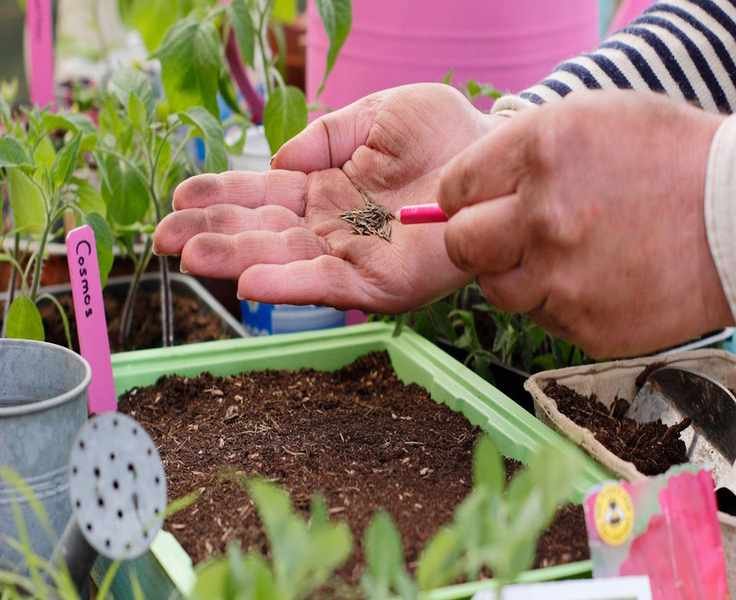
Choosing what to cultivate can bring immense joy to gardeners. As the year begins, you're greeted by a flood of seed catalogs and an array of online plant listings for the upcoming season.
While it's exciting, it can also feel overwhelming with the numerous options available from various retailers. So, how do you streamline your planning? By spending some time to strategize, you can make choices that align with your preferences and garden space.
In my previous roles, I managed extensive plant lists for various gardens, encompassing everything from vibrant flower displays to bountiful vegetable patches. Some favorites returned every season, but there was always room for new experiments.

Expert Advice for Smart Seed Purchases
Based on my years of experience orchestrating large-scale seed schedules, I've pinpointed a few key strategies to help you choose the best seeds. Whether you plan to start flower seeds or vegetable seeds, consider these insights as you explore your options this year.
1. Create a Seed Wish List

Begin by outlining a list of plants you'd love to grow this year. Setting your gardening goals early can make a significant difference. The length of your list will depend on your garden's size and your gardening aspirations—whether it's a vegetable plot, a cut flower garden, flower beds, or even a herb garden.
Sowing seeds is a cost-effective method to cultivate numerous plants. However, you might also want to consider purchasing transplants from nurseries or online retailers. Perennials, such as certain shrubs and flowers, are often better bought as young plants since they take longer to establish.
Utilizing a gardening journal like the Garden Notebook and Planner from Walmart can help you stay organized throughout the year.
2. Review Last Year's Seed Stock
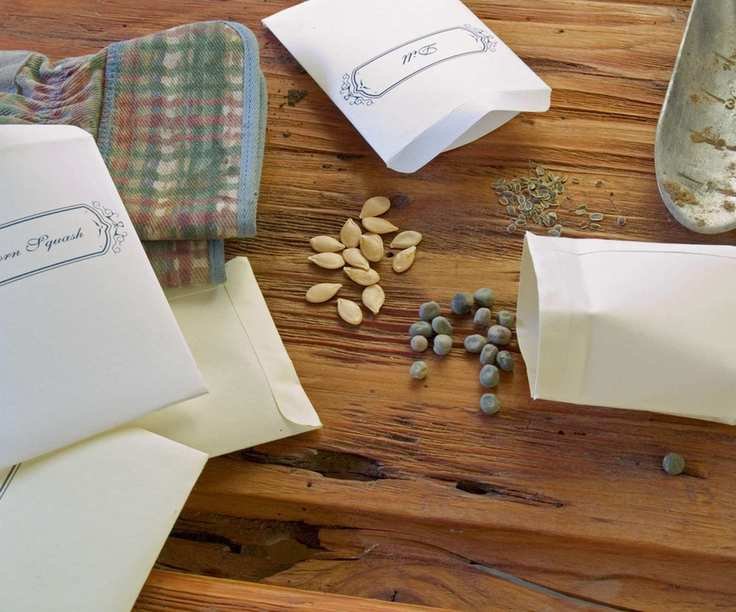
After creating your wish list, check your existing seeds for any leftovers from last year. This could save you some money, as you might find usable seeds that are still good to plant.
Examine both opened and unopened packets, discarding those past their prime. While older seeds may still germinate, their success rate could be lower. Remember, some crops, such as parsnips and carrots, should ideally be planted with fresh seeds each year.
3. Assess Suitability for Your Space
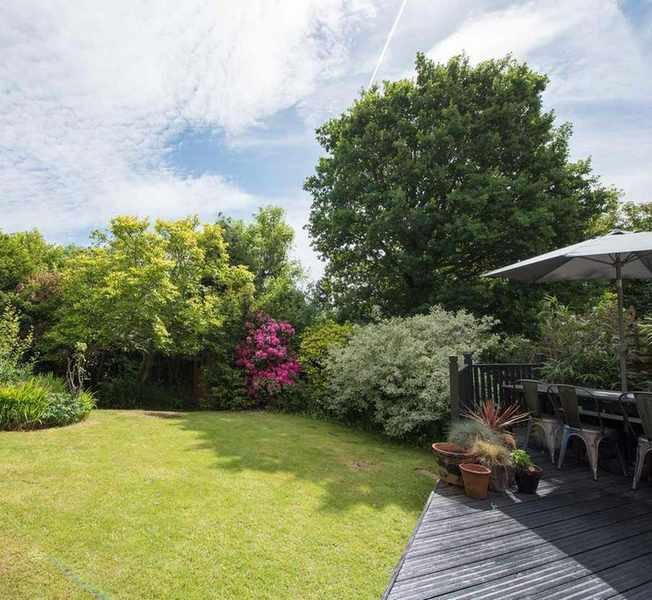
Are your desired plants suitable for your garden conditions? It's easy to get carried away, but selecting plants that thrive in your environment is essential.
Factors such as sunlight and shade (influenced by garden orientation and nearby structures) and soil type significantly affect plant health. A DIY soil test kit, like this digital soil kit from Amazon, can provide insights into your soil's composition.
If you're using raised beds or containers, you have more control over soil conditions and placement.
4. Map Out Your Garden Layout
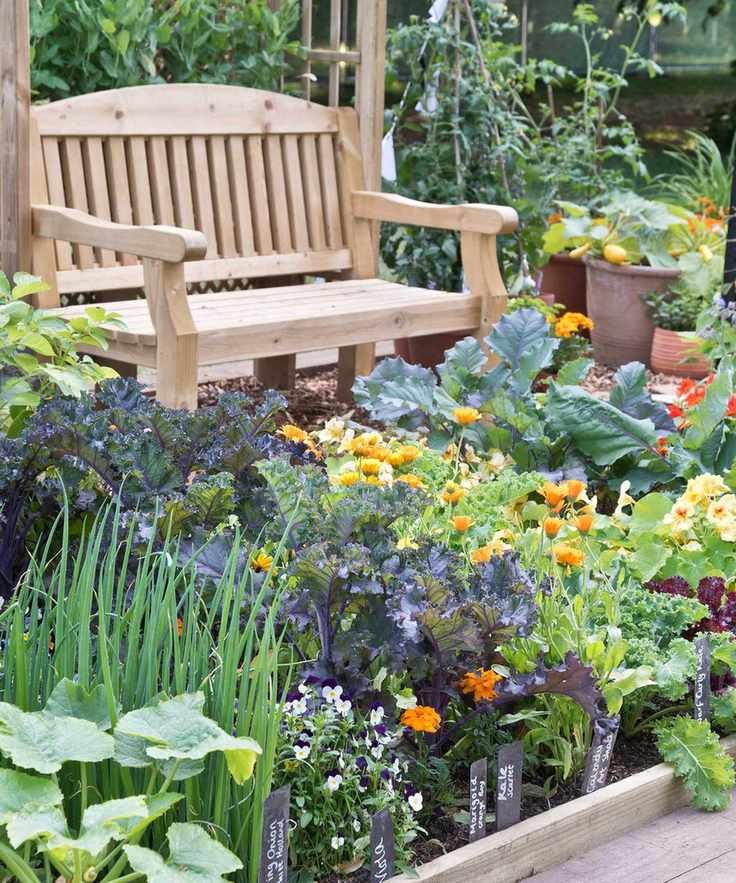
Knowing which plants suit your garden is just the beginning—do they all fit together?
Mapping out your garden layout helps visualize where each plant will go and how many you'll need. It can feel like solving a puzzle, but this approach will clarify spacing and seed requirements.
For vegetable gardens, consider succession planting, where you sow a new crop in the same spot as one that has finished, maximizing your harvest.
5. Explore Various Seed Suppliers

One retailer likely won't have everything you need. Enjoy exploring different suppliers to find unique varieties. This stage allows you to compare options and prices.
Browsing catalogs and websites can be delightful—like a kid in a candy store, you can choose your favorite varieties. Stick to plants proven to thrive in your conditions, but don't shy away from experimenting with something new.
Always purchase seeds from reputable sources to avoid potential issues with diseases that could harm your garden.
6. Verify Seed Quantities
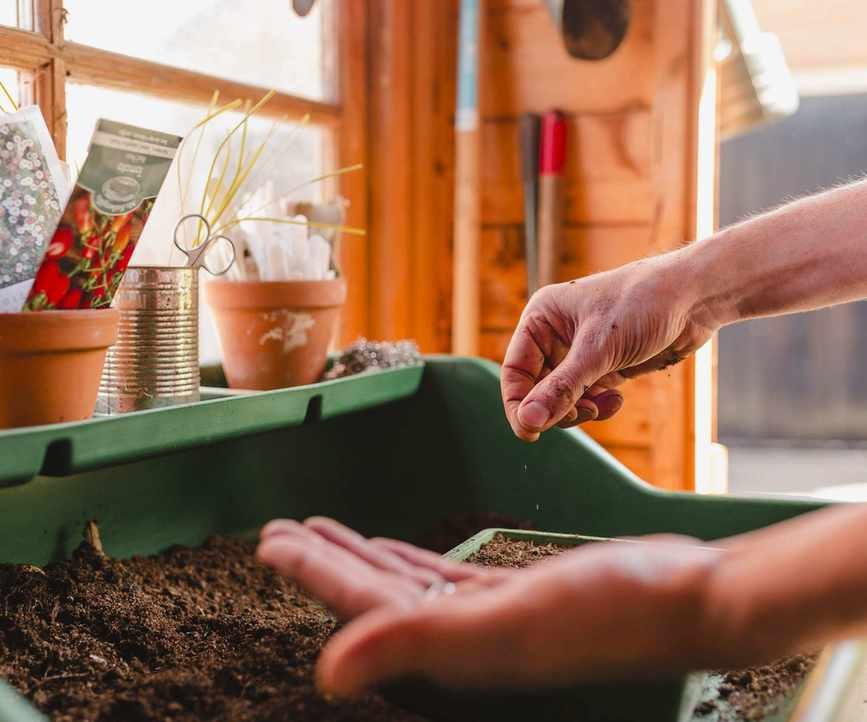
After deciding what to grow and where to buy, check the seed quantities in each packet. Catalogs and websites usually state how many seeds are included.
Some packets contain hundreds of seeds, while others may only have a few. Ensure you order enough seeds for this year but avoid over-purchasing. Seeds can last for a season or two, but you don't need stockpiles for years to come.
A sturdy box, like this Seed Storage Box from Amazon, is essential for keeping unplanted seeds safe and dry.
FAQs
When is the best time to order seeds?
Ordering seeds early in the year is advisable. While flower, vegetable, and herb seeds are generally available year-round, some specific varieties may sell out quickly. Shopping early ensures you have a broad selection to choose from, with winter being an ideal time to secure your seeds.
Is it more economical to buy seeds or plants?
Seeds are typically cheaper than plants and offer a wider variety than what you might find at local garden centers. While young plants can save time and effort, seeds are the more budget-friendly choice.
Is growing from seed worth it?
I always encourage gardeners, whether new or experienced, to grow from seed. It's not only cost-effective but also incredibly rewarding. Watching your own flowers or vegetables flourish is immensely satisfying. Even if you start with just a few seeds, it's a worthwhile endeavor. You don't need a large setup; many flowers and vegetables can be directly sown in your garden.
If you enjoy seed planting, consider collecting seeds from your own plants in future seasons. This method can be a fulfilling and economical way to expand your garden.



