Finding space to stash things around the house is hard enough, but the problems multiply when you stuff them in the wrong spot. Storing items incorrectly doesn't just make your life harder—it risks damage from damp, mold, and mildew.
We asked professional organizers and storage experts to reveal the biggest storage blunders and where those items should really live.
Why the wrong storage spot ruins your stuff
Billy Kornfield, owner of Camelot Moving and Storage Company, explains, 'The main threats are temperature shifts, light exposure, and moisture. Whether you're choosing a spot for convenience or looks, think about how that item's environment changes throughout the day.'
1. Books
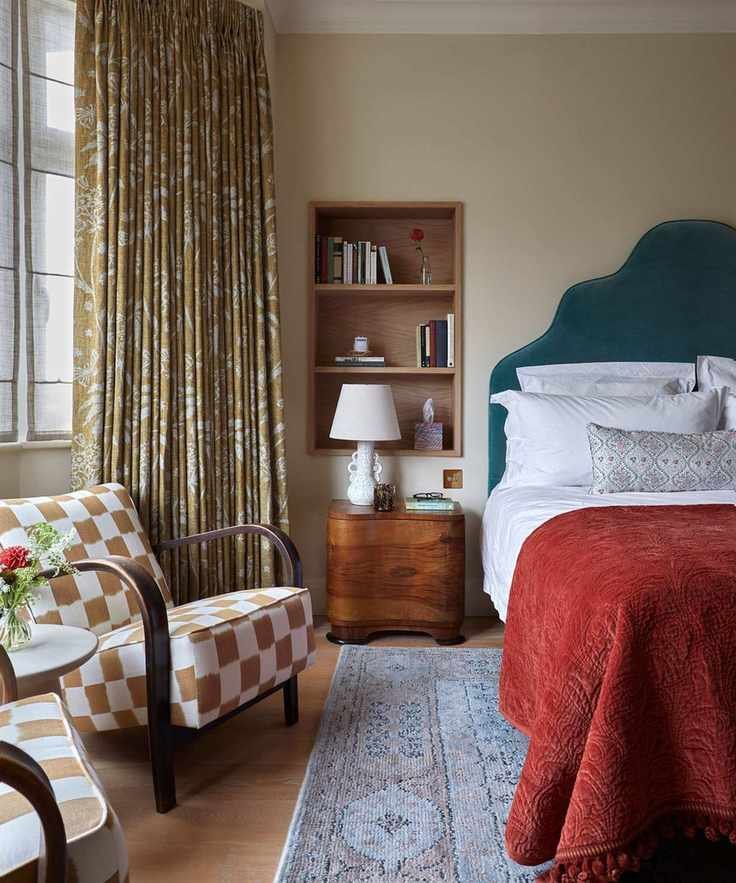
Bookshelves make a beautiful display and add cozy charm, but Peter Corry, founder and CEO of Moore Storage, notes that many people stash books in bedroom closets due to limited shelf space.
He says, 'Out-of-sight books often go unread and collect dust. Depending on the situation, they may even get moldy.' They can also attract cockroaches (which eat the glue), silverfish (which eat paper), and other indoor pests.
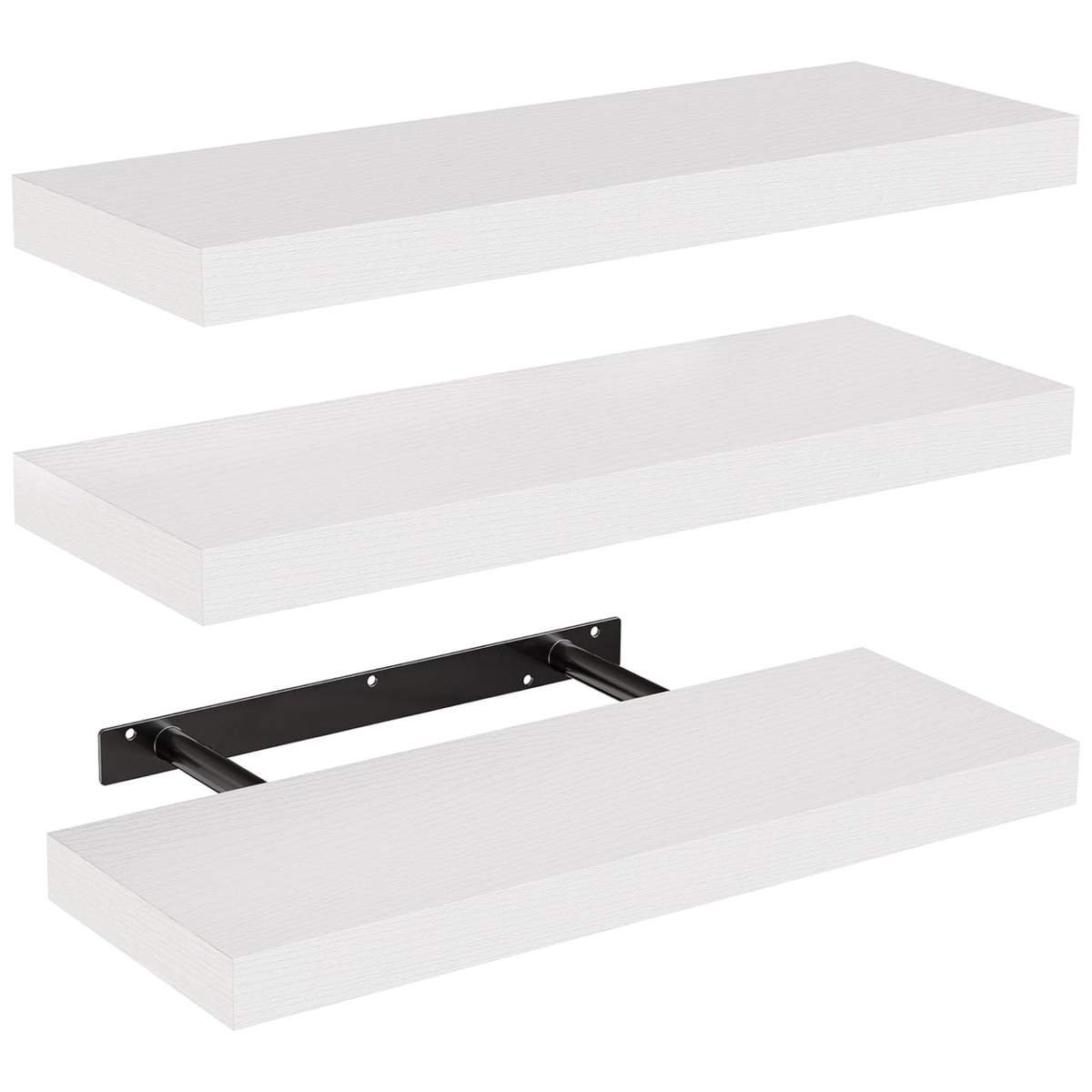
To avoid this, Corry recommends installing floating shelves in your living room or creating a reading nook. 'The Homfa Floating Wall Shelves from Walmart work great for book displays,' he adds. It's important to dust open shelves regularly, says Kornfield, and keep bookcases against interior walls only. 'Exterior walls experience greater temperature changes and are vulnerable to moisture and condensation.'
All prices correct at time of publication.
 Extendable handle
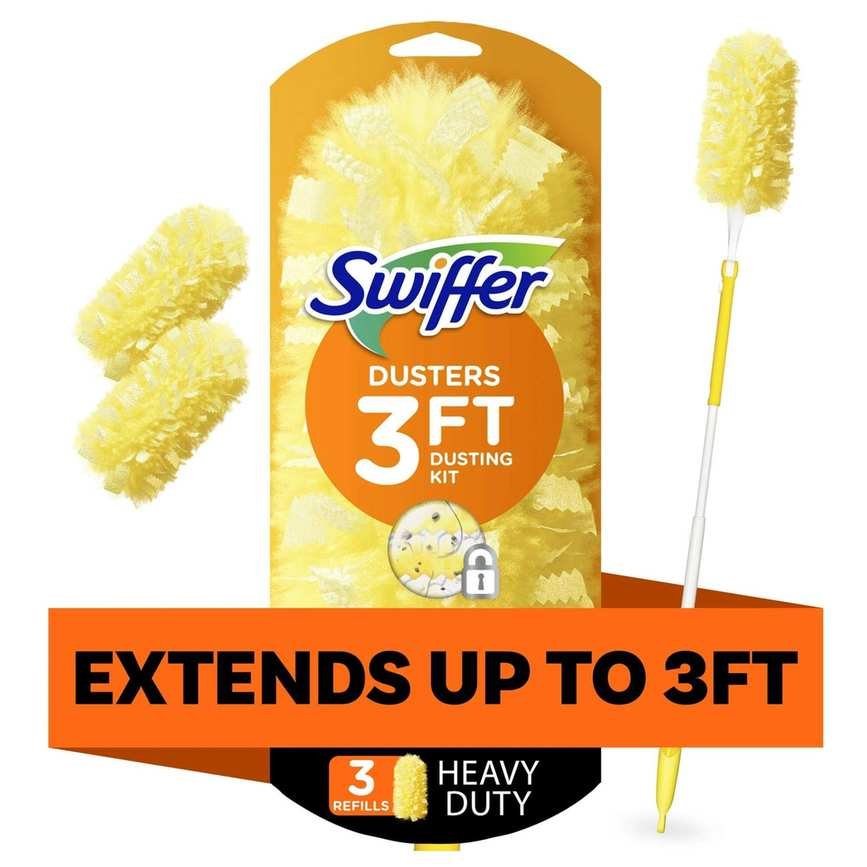
This Swiffer duster traps and locks dust to prevent it being spread while cleaning, with an extendable handle to make cleaning up high and down low easy.
 Invisible metal brackets
These MDF laminate bookshelves have sturdy brackets, and are easy to install and assemble, with all the necessary hardware included.
 H&G recommends
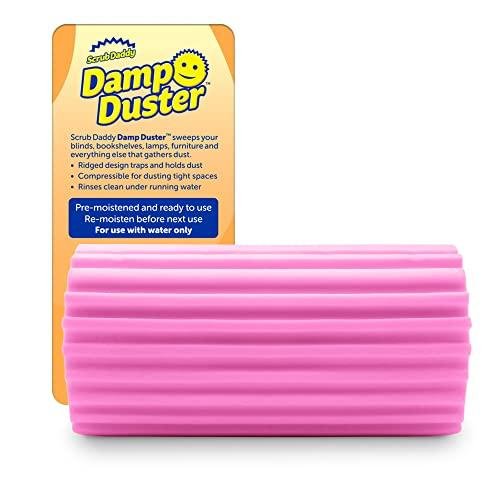
Chiana Dickson, Solved content editor here at Homes & Gardens recently tested the damp duster, and is now 'truly hooked' on its cleaning ability.
2. Rarely used kitchen gadgets
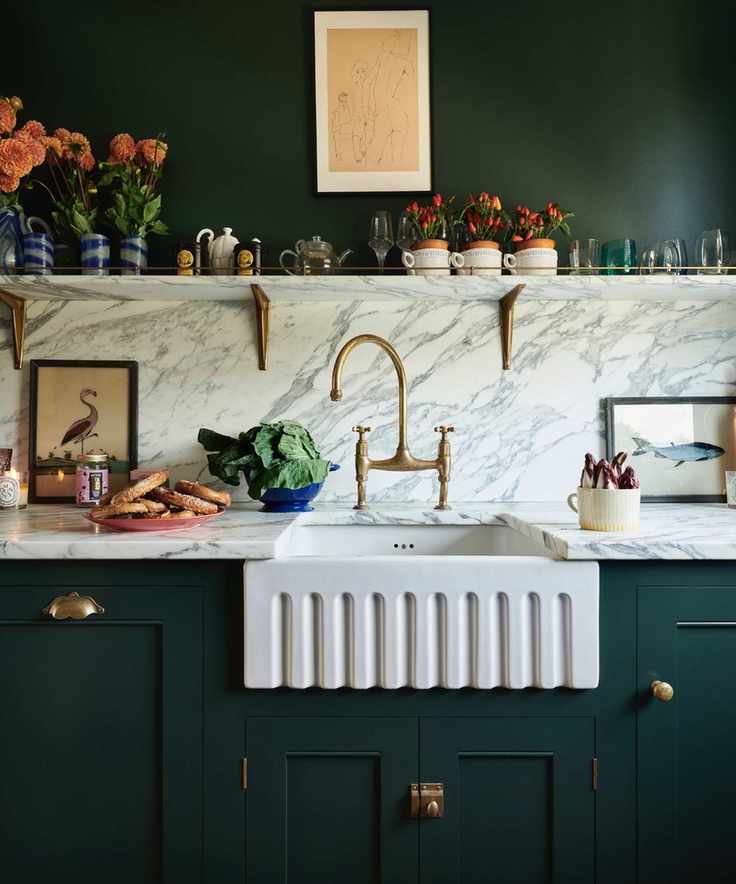
Kitchen appliances are essential, but ones you rarely use shouldn't hog prime drawer space, says Di Ter Avest, professional organizer and founder of Diisorganized. Reserve that space for everyday essentials.
She explains, 'Appliances like waffle makers, fondue pots, or pasta rollers take up valuable real estate while seeing little use. That makes your daily tools harder to access.' They end up cluttering your drawers.
'Move rarely used items to higher shelves, the pantry, or even outside the kitchen if space is tight,' recommends Ter Avest. 'Keep knives, spatulas, and measuring cups in accessible drawers near your cooking zone.' To organize kitchen drawers, try an expandable organizer like the Pipishell Bamboo Drawer Organizer available at Amazon.
3. Medicine
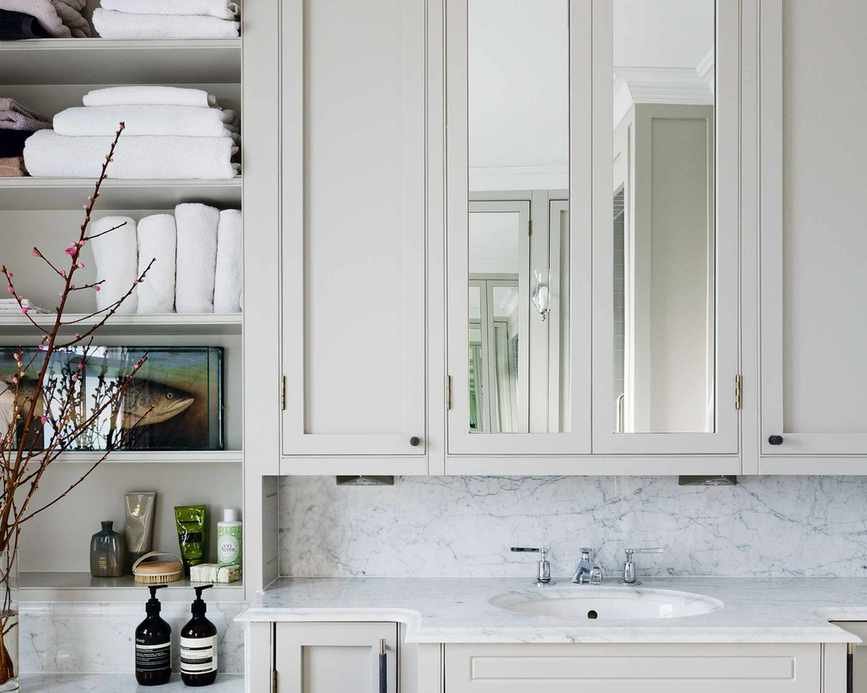
When organizing a medicine cabinet, keep medications away from bathing products, says storage expert Kornfield. 'While the bathroom cabinet is handy, it's also humid and warm. Store medicine in a cool, dry place, like a dresser drawer out of kids' reach,' or, as Ter Avest suggests, in a small linen closet.
4. Seasonal items
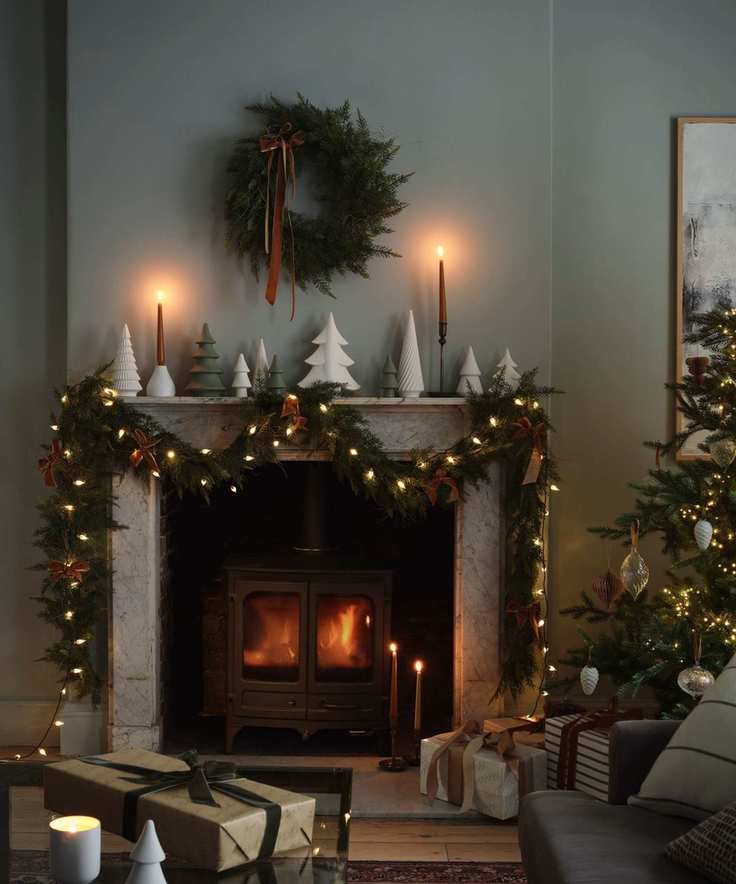
Since Christmas decor, spring decorations, and other seasonal items only come out once a year, don't let them take up prime storage spots. Storage expert Corry says, 'Use higher shelves or less accessible spaces for seasonal items,' like garage shelving. 'For frequently used items, I recommend the mDesign Storage Bins available at Amazon.' Store them in the basement, attic, or garage in lidded plastic containers to keep pests out.
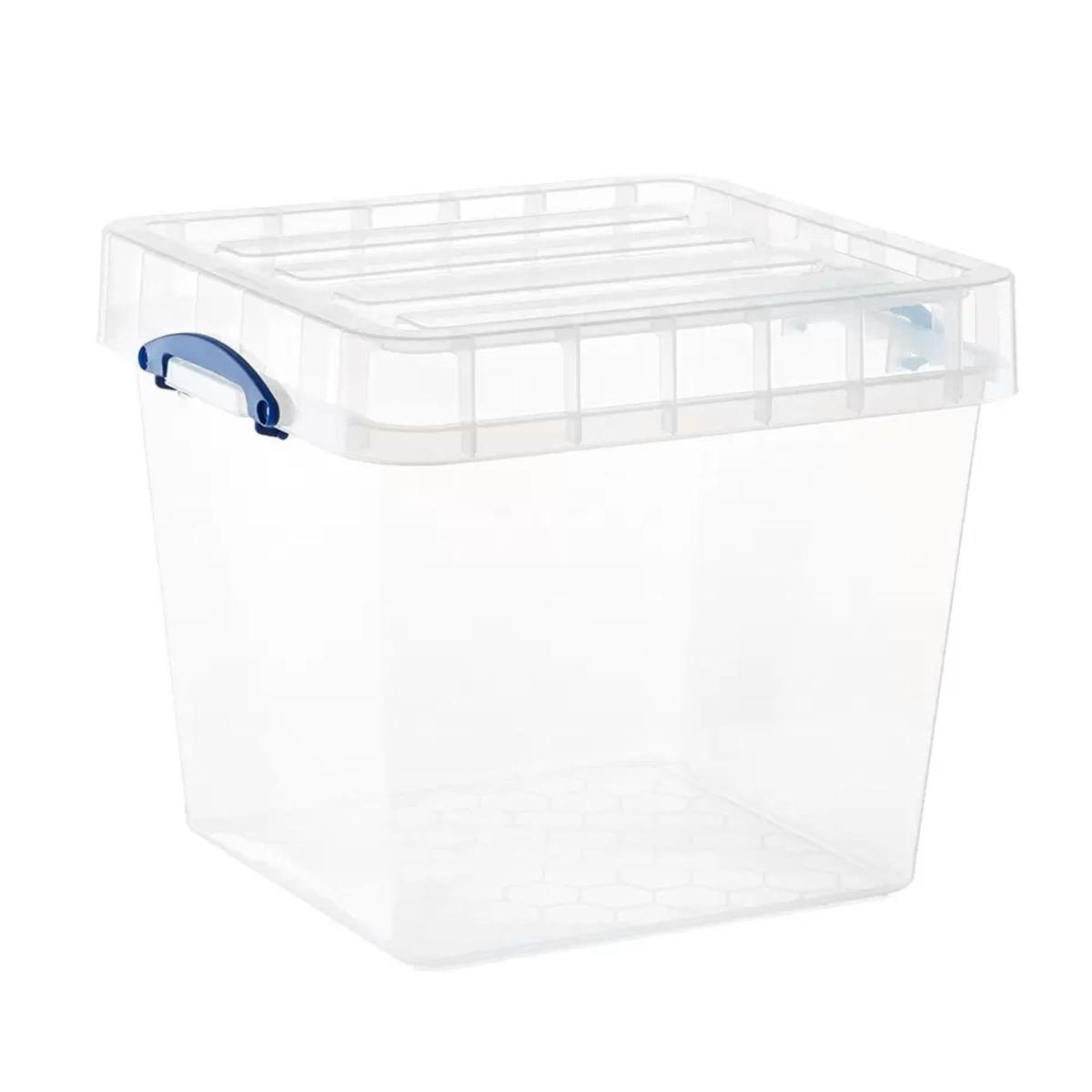
Stackable 60 ltr. X-Large Premier Modular Square Tote Clear. Available in 60 liter, 96 liter and 134 liter capacity, and made from durable polypropylene, these storage bins are perfect for shelving, with a clear design for easy identification.
5. Important documents
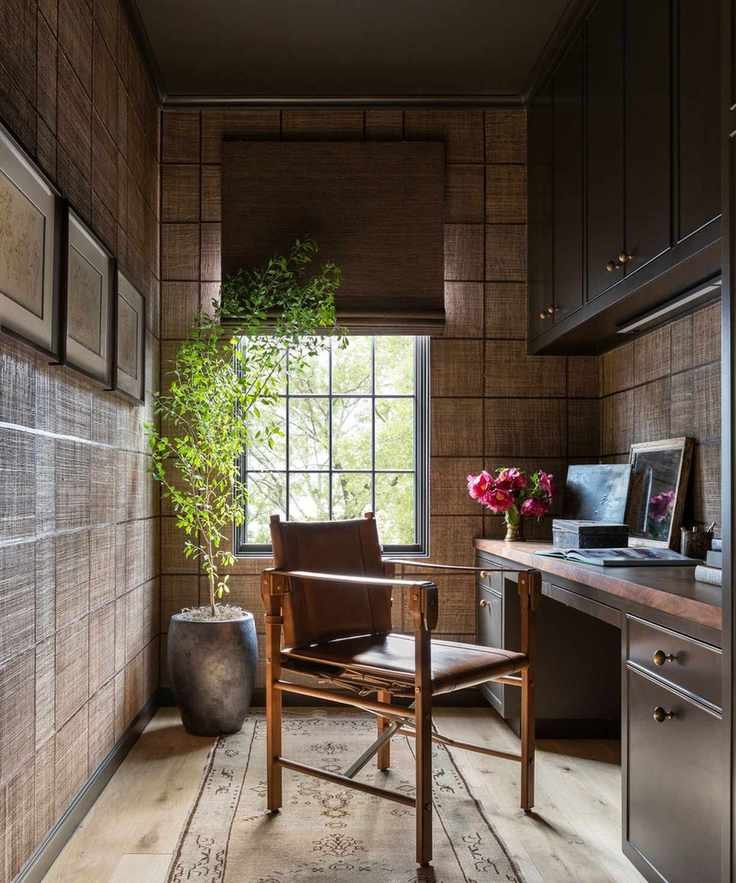
Even after decluttering paper, organizing paperwork at home can feel overwhelming. Professional organizer Ter Avest says, 'Scattering documents like birth certificates, passports, or tax records makes them hard to find and raises the risk of damage. Use a fireproof document organizer or file cabinet. Keep it in a secure, consistent spot, like a home office or closet.' Never store important documents in a basement or attic—those spaces aren't climate-controlled, and a leak or flood can ruin everything.
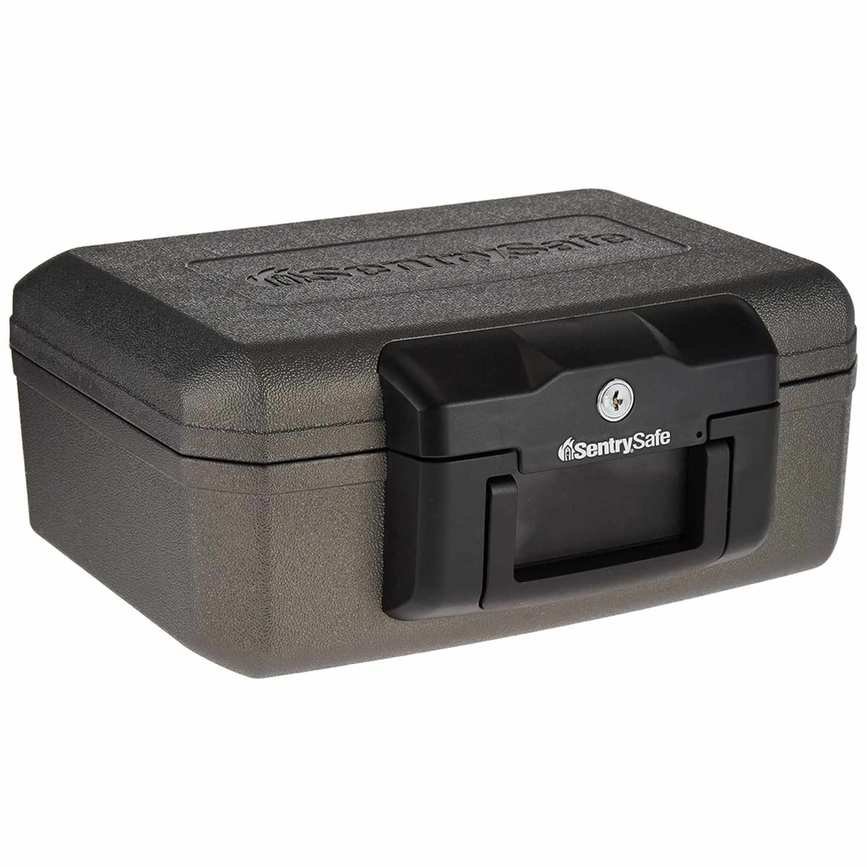 Compact
SentrySafe Fireproof Safe with Key Lock. This fireproof box protects valuables for up to 30 minutes at 1550°F, with a built-in carrying handle for easy transport.
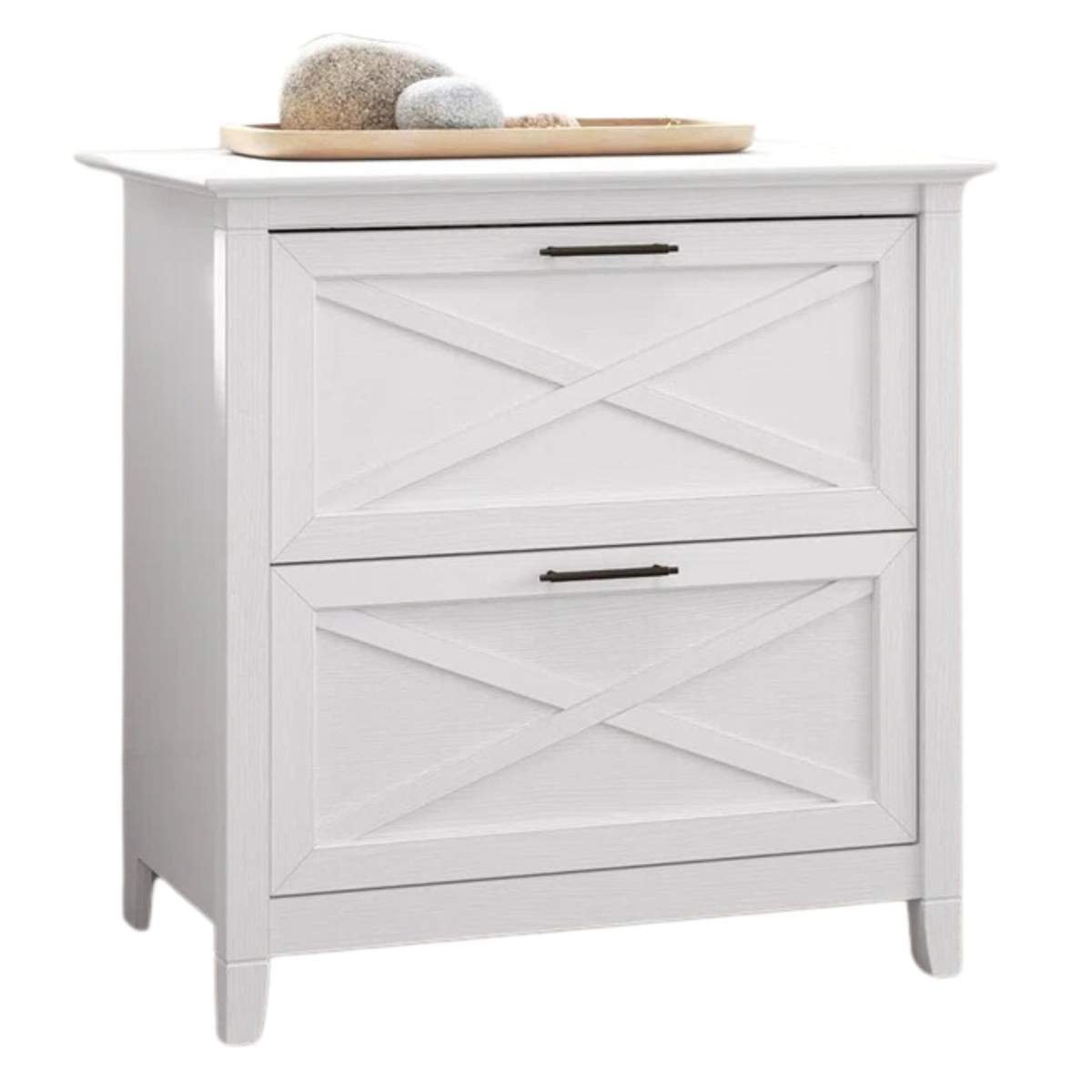 Thousands of 5* reviews
Huckins 30'' Wide 2-Drawer File Cabinet. This cabinet makes filing stylish, with smooth full-extension ball-bearing slides for easy access to items at the back.
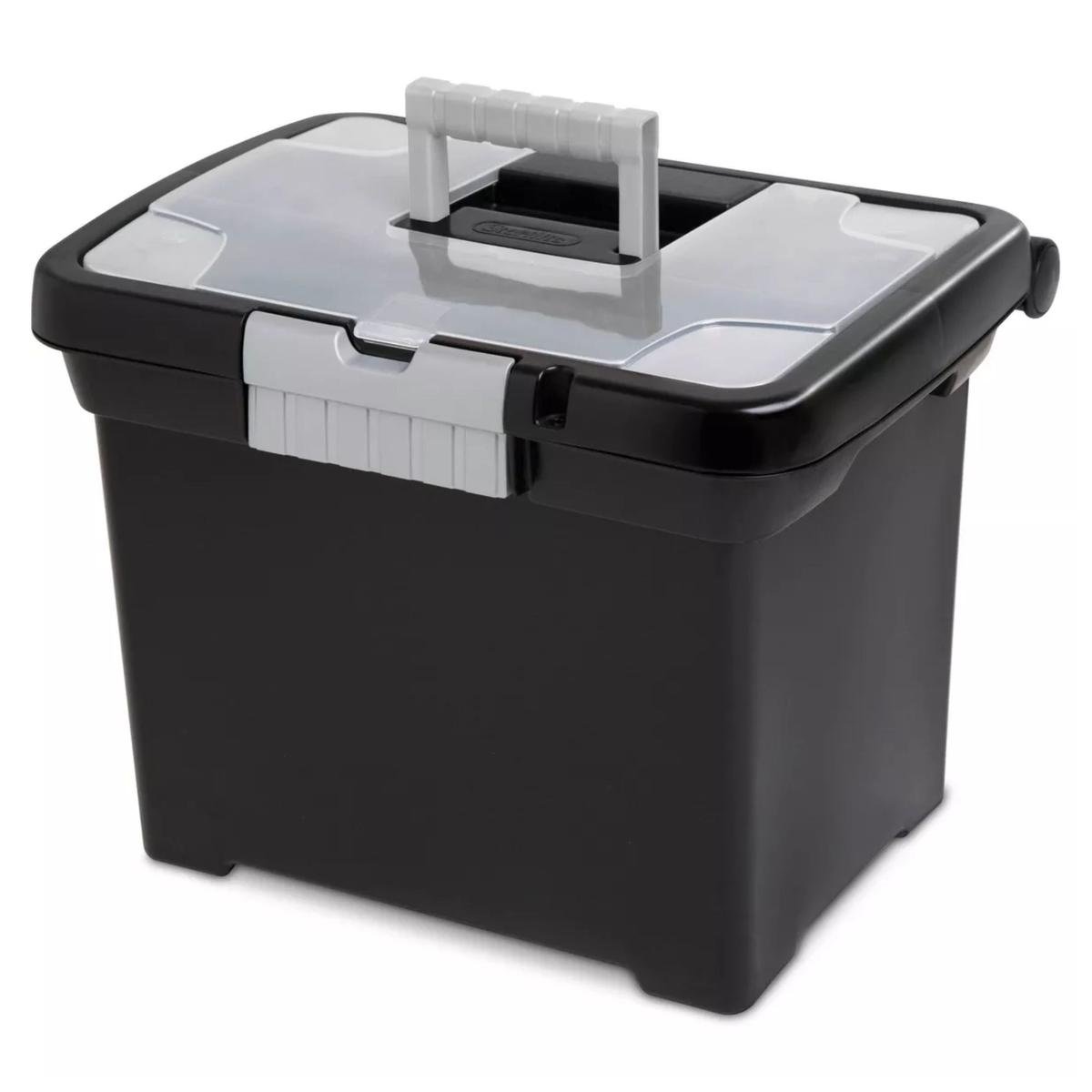 Comfort grip handle
Sterilite Medium Letter File Box Black. This filing box has a small in-lid compartment for small items and a durable latch to keep the lid secure.
6. Photo albums
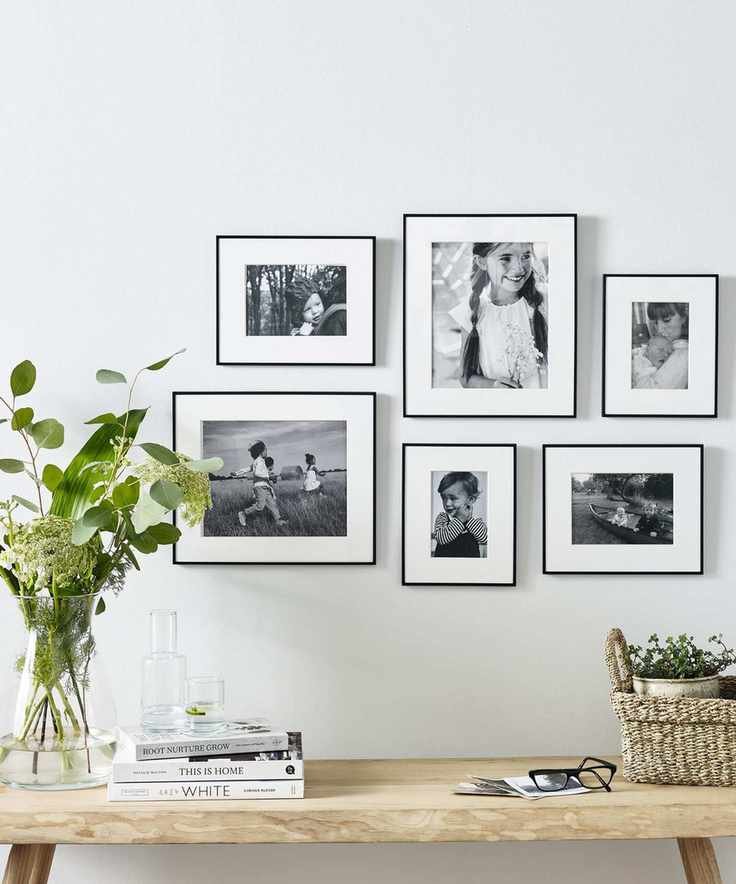
Photo albums hold memories meant to be enjoyed, not buried in a closet, say Scott and April Goodger, franchise owners of Kitchen Wise and Closet Wise. 'A disorganized closet adds daily stress. We often see master closets packed with random items like photo albums that belong elsewhere.' They suggest keeping albums in a home office or on a bookcase. Or display them in a gallery wall—our step-by-step guide shows you how to hang one without mistakes.
7. Luggage

Finally, professional organizer Ter Avest says, 'Luggage takes up closet space better used for clothes or shoes. Store it in the attic, basement, or garage. You can even use the interior of suitcases to store seasonal clothes'—a clever closet organization trick if you lack seasonal storage.
Are you making underbed organizing mistakes? It's a great spot for storage, but maximizing that space can help cut clutter around the house.