
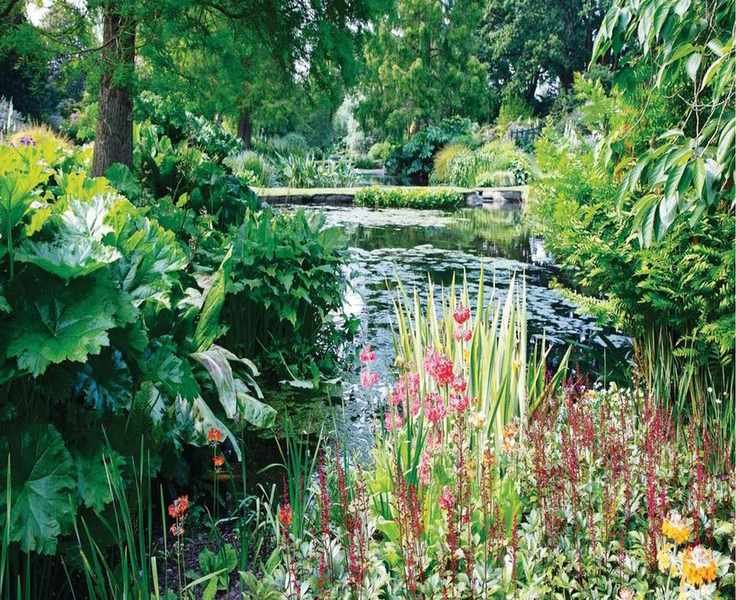
For nature enthusiasts, having diverse wildlife in the garden is always a delight. A frog house is essential for attracting frogs to your pond.
Providing a safe haven for frogs allows them to rest and find shelter. A pond alone doesn't offer enough protection from predators, but a frog house creates a moist, shaded retreat for them. In colder months, it even serves as a cozy spot for hibernation.
Attracting frogs also means gaining a natural pest control ally, as they feast on slugs, snails, beetles, and more. Installing a frog house, whether you buy one or make your own, is an excellent way to promote their presence.
Importance of a Frog House
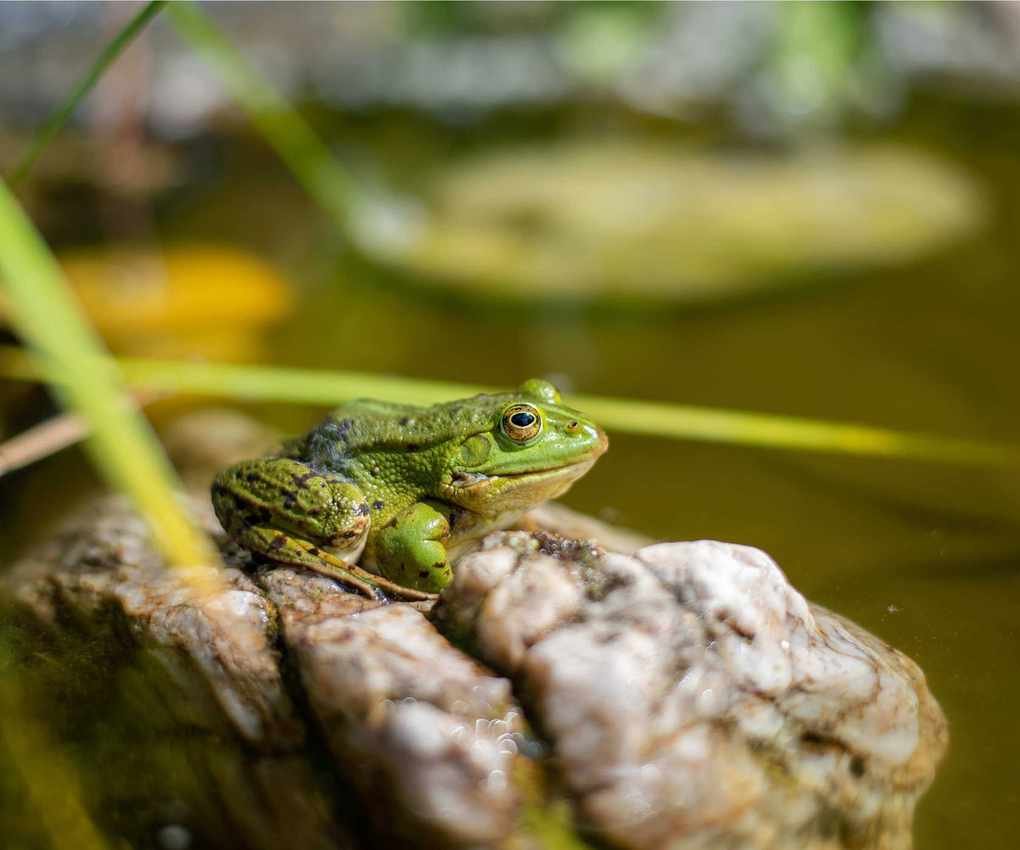
To create a wildlife-friendly garden, adding shelter is crucial. A frog house benefits not just frogs but also newts and toads.
Wildlife expert and veterinarian Iryna Smyrnova emphasizes the need for moisture and cover for frogs. A well-designed shelter keeps them healthy and encourages them to thrive in your garden.
Frogs split their time between water and land, making a frog house invaluable for protection against predators like birds and mammals.
Frogs also absorb moisture through their skin, so a damp, shaded area is vital to prevent dehydration. A frog house provides a perfect retreat for hibernation during the winter.
Frog House Options
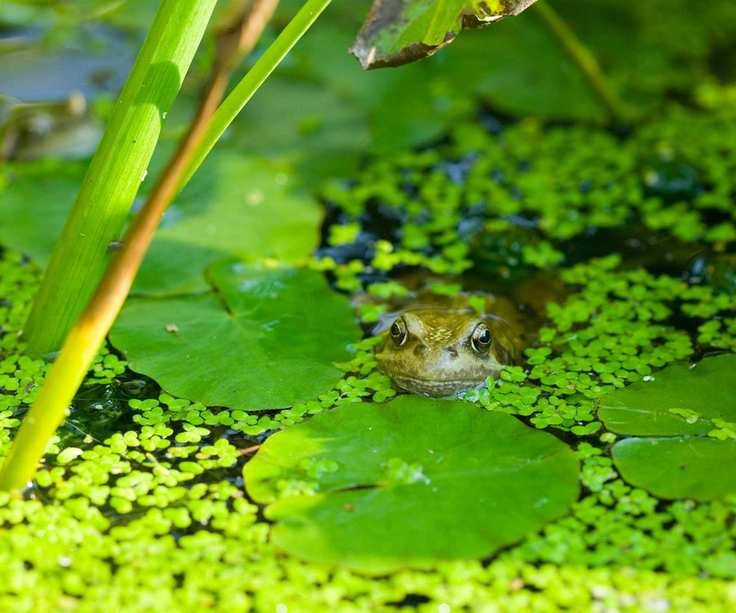
Many pre-made frog houses are available, typically crafted from wood or ceramic. Here are a few options:
- Green Frog House: Made from resin, it provides secure shelter for amphibians.
- Wood-Style Frog House: Features a natural look and can accommodate both amphibians and reptiles.
- Clay Frog House: Constructed from porous clay, it maintains a cool and moist environment.
You can also create a DIY frog house. Iryna suggests using natural materials like rocks and logs, ensuring there are small crevices for easy access.
Find these materials in your yard to maintain a natural landscape. Old planters can also be repurposed as hiding spots.
Avoid using chemically treated wood, as frogs can absorb toxins through their sensitive skin, Iryna warns.
Stack rocks and logs to form a cave, leaving an opening of about 3-4 inches.
Consider adding wildlife-friendly plants and moisture-loving greenery, like ferns, around the shelter for additional coverage.
Ideal Placement for Your Frog House
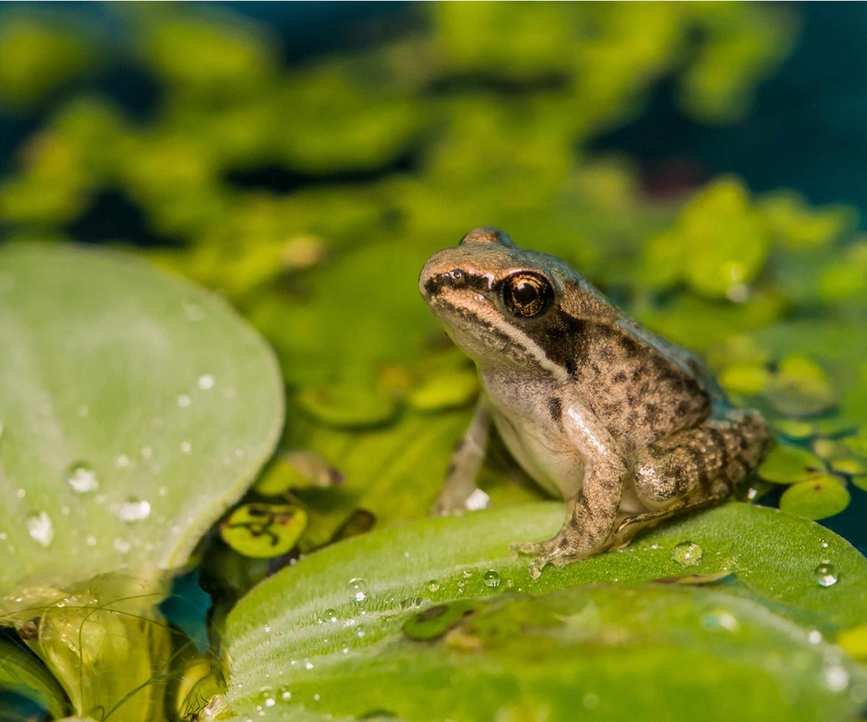
Choosing the right location for your frog house is just as crucial as its construction.
Iryna advises placing it in a shallow area near the pond's edge. A good shelter should allow frogs to enter and exit easily, while providing a cool, damp environment.
Creating a gentle slope with rocks or bricks can help if your pond lacks natural access points. You can also use a wildlife ramp.
Ensure there's plenty of nearby vegetation to retain moisture and provide shade. Extra logs and rocks can also offer retreat options for frogs.
FAQs
What Depth is Best for a Frog Pond?
A frog pond should ideally be 2-3 feet deep, with gently sloping sides for easy access. This depth helps prevent the pond from freezing solid during winter.
Consider adding oxygenating plants to keep your pond healthy and clear, while combating algae growth.
For more ideas, explore our guide on the best plants for ponds.


