
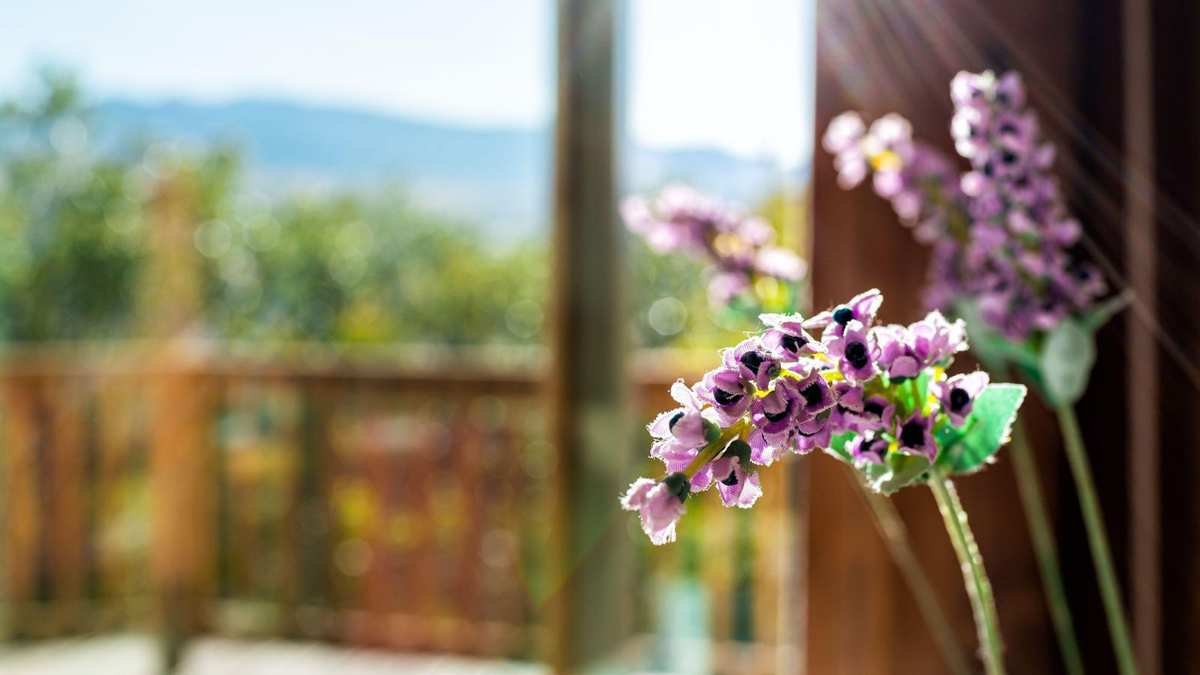
Lavender adds a delightful fragrance and vibrant color to any space. As summer fades, you might wonder if you can successfully grow lavender indoors.
If you're familiar with cultivating lavender outdoors, moving it inside offers benefits like winter protection and bringing its aromatic blooms into your living space.
Experts share tips on successfully growing lavender indoors and maintaining a healthy houseplant.
Can Lavender Thrive Indoors?
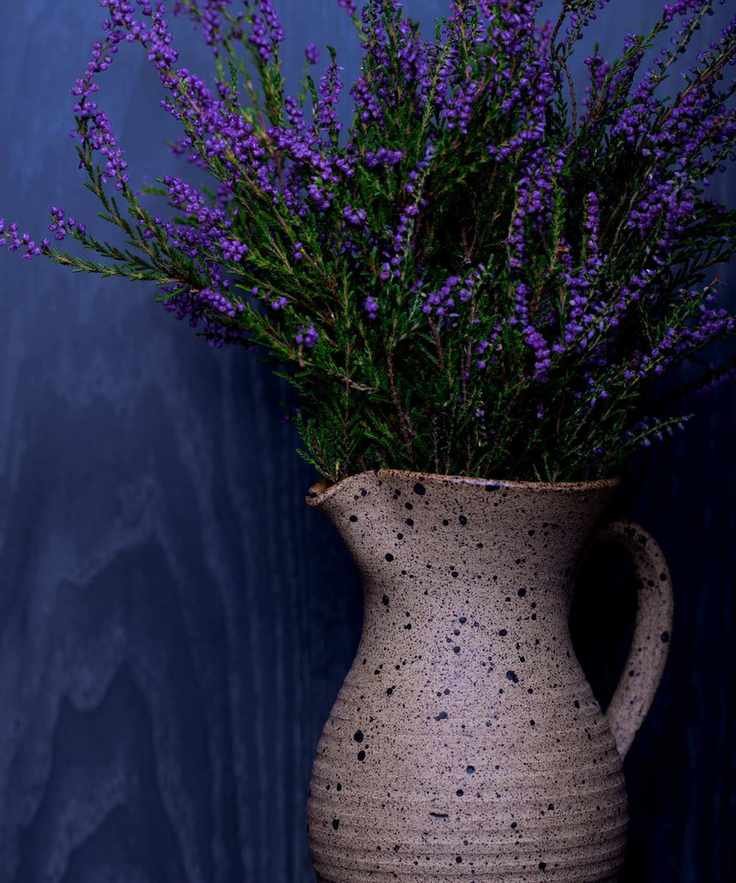
"Lavender is an excellent option for indoor growth," says Rachel Crow, a gardening expert. "This resilient plant flourishes in pots and requires minimal care, making it one of the top low-maintenance indoor plants for enhancing your decor."
Indoor lavender boasts numerous health benefits, promoting calmness and providing relief from stress, low mood, and headaches.
Its strong aroma also helps deter common household pests, making it a wise choice for maintaining a pest-free home.
"If you're transitioning lavender from outside, learning how and when to move it is essential for its survival during harsh weather," Rachel explains. "Unlike many plants, lavender can adapt and may bloom longer if transferred indoors with care."
Starting Lavender Indoors from Seeds

If you haven't purchased a starter plant and want to grow lavender from seeds indoors, it's important to know how to cultivate these lovely flowers and when to sow them. You can find lavender seeds on Amazon, and Burpee's Lavender Phenomenal is touted as their most resilient variety.
"Choosing the right container is crucial when growing lavender indoors," Rachel advises. "Opt for a breathable pot like terracotta, filled with a potting mix combined with compost."
To germinate seeds indoors, ensure they receive consistent warmth and light. Using seedling trays can help maintain ideal conditions, with covered seedlings positioned in sunny windows.
Germinating lavender seeds can be tricky, as they often sprout unevenly and have a slow germination rate. "A controlled environment aids in achieving steady germination," Rachel notes. "It may take a year for the plants to fully bloom, with only light flowering in the first season."
Caring for Indoor Lavender
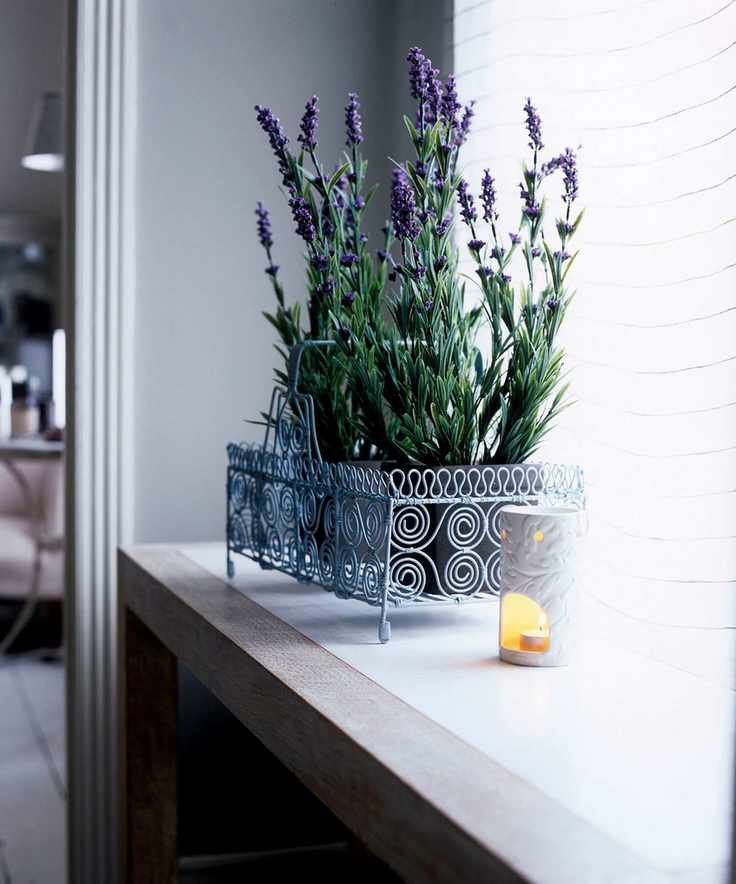
Indoor lavender is relatively low-maintenance, requiring watering only when the top few inches of soil feel dry. When watering, ensure the soil is thoroughly soaked and allow for proper drainage to avoid standing water.
"Providing adequate light is essential for indoor lavender," Rachel warns. "It thrives in a south-facing window with at least three to four hours of direct sunlight daily. Rotate the plant every few weeks for even growth. Insufficient light can result in weak, spindly stems and increased disease susceptibility," she adds.
Pruning is also important for indoor lavender, according to Rachel. "Trimming old stems not only enhances its appearance but also stimulates new growth."
Best Lavender Varieties for Indoor Growth
French lavender is the ideal choice for indoor cultivation. Known for its hardiness, it adapts well to changing temperatures and produces longer blooms compared to other varieties.
Is Lavender Safe for Dogs?
While lavender isn't considered toxic to humans, it is harmful to dogs and is also toxic to cats. The plant contains a small amount of Linalool, which can be dangerous in large quantities. If you have pets, keep lavender plants out of their reach and avoid leaving them unattended in the same room as potentially hazardous plants.


