
Kitchen Appliances
A wise French friend once suggested a simple way to clean a French press: discard the coffee grounds and rinse the carafe with water. Unfortunately, that's not the best approach. Proper care ensures your coffee remains café-quality over time.
Having cleaned countless coffee spills as a barista, I can tell you that while a French press needs a bit more love than a pour-over, the cleaning process is still quite easy if you know what to do.
Here are the essential tips and techniques that have become second nature to me. You can trust that you're maintaining your favorite French press just as it should be.
Cleaning Your French Press
This process is straightforward, but be aware of common mistakes. Skipping steps can affect your coffee's flavor over time. First, let's cover the basics:
How Frequently Should I Clean My French Press?
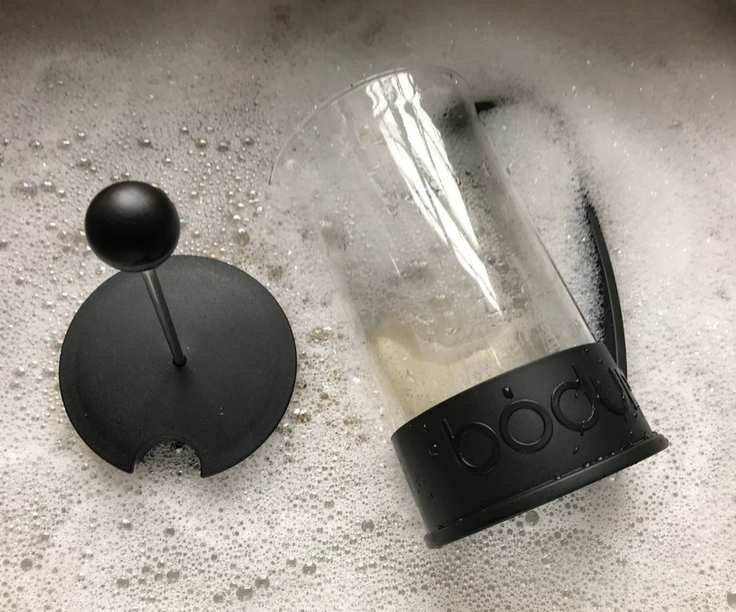
Just like your favorite mug or plate, clean your French press after each use. To make cleaning less of a chore, consider doing some prep work before brewing.
Remove the plunger and fill the carafe with cold water. This prevents the filter and plunger from sitting in wet grounds, which can stain and become more difficult to clean over time. If you do this consistently, a thorough cleaning session once a week should suffice. A detailed clean removes leftover grounds, water residue, and oils that can make your coffee taste bitter.
Steps for Cleaning Your French Press
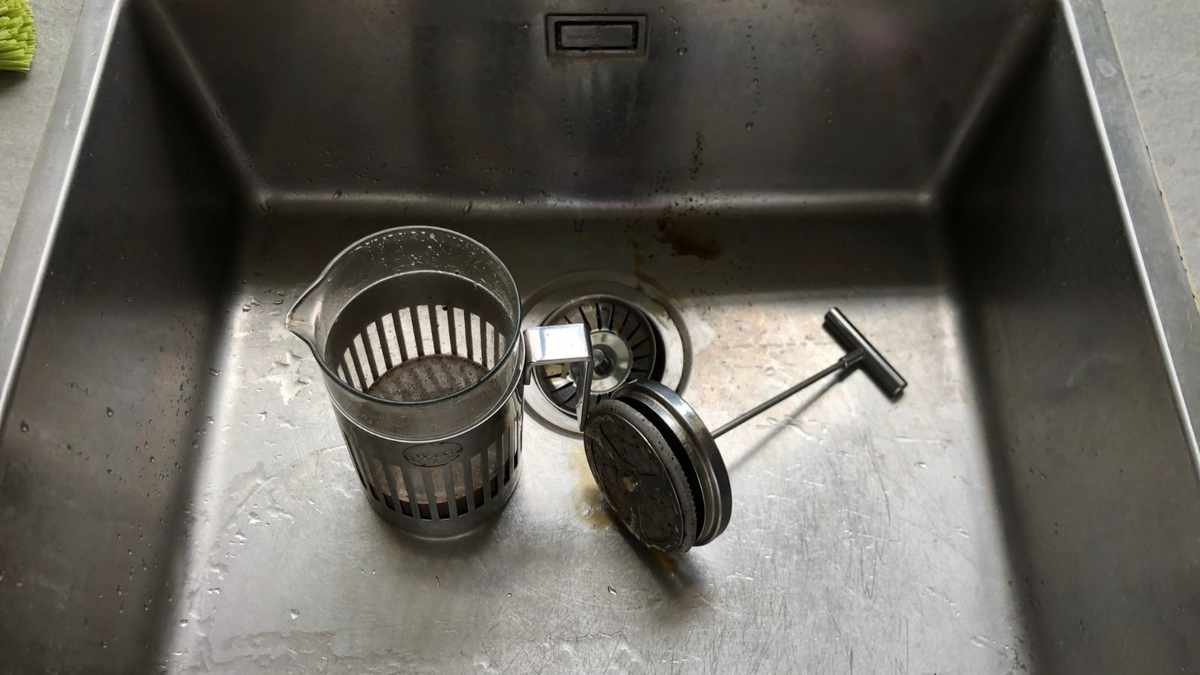
Soaking the French press in the sink with the plunger removed.
After enjoying your coffee, you'll find grounds at the bottom of the carafe. Contrary to popular belief, pouring these down the sink isn't advisable as it can lead to clogs. Instead, dispose of them in the compost or waste bin.
Use a wooden or plastic spatula to loosen the grounds. Most should shake out easily. If a few remain, that's usually fine.
If you prefer a cleaner method, I recommend using a fine sieve. After enjoying your coffee, fill the carafe halfway with warm water. While the plunger drains in the sink, pour the watery grounds into the sieve for easier disposal. It's a bit more time-consuming but far less annoying than scraping inside the carafe.
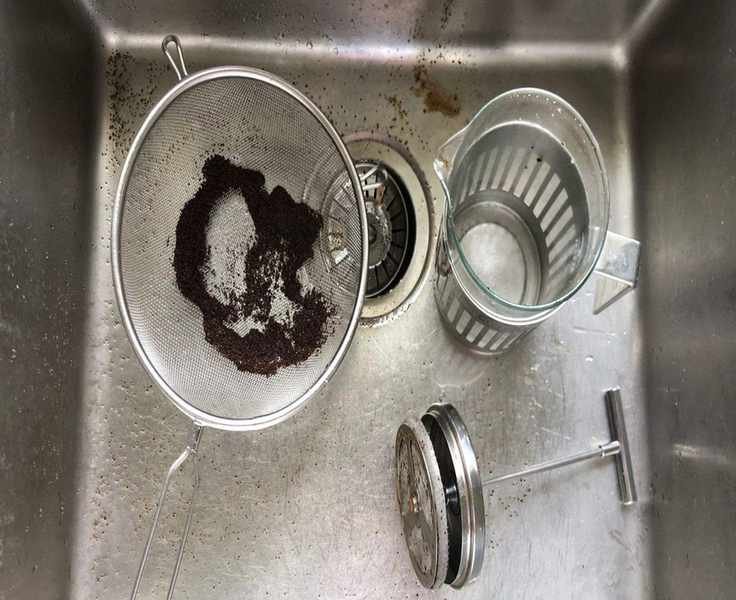
Most grounds are in the sieve, with a few leftover in the sink. This isn't an issue, as the bulk of them were removed.
Next, use hot water and dish soap (I recommend a brand available on Amazon) and a soft cloth or sponge to clean any remaining coffee residue from the carafe.
Fill the carafe with warm water and plunge as if brewing coffee. This helps dislodge any stubborn grinds. Afterward, rinse the carafe thoroughly. Let the parts air dry or use a microfiber cloth to dry them gently, avoiding scratches on glass or metal.
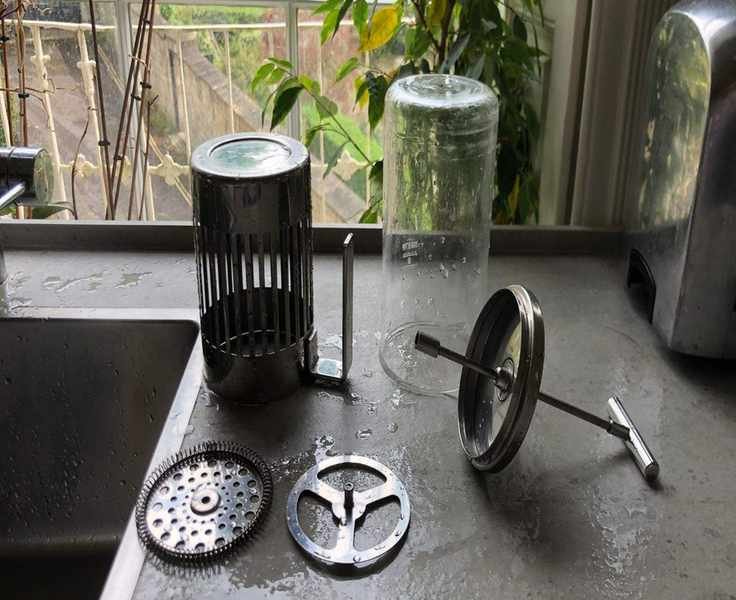
Allowing my French press parts to air dry, although a microfiber cloth can help reduce countertop clutter.
Can I Put My French Press in the Dishwasher?
Check your manufacturer's guidelines, but many French presses are dishwasher-safe. As with hand washing, be sure to empty the coffee grounds first. Separate the components and place them on the top rack of your dishwasher to avoid scratches. If your press is too tall, the bottom rack is acceptable.
Deep Cleaning Your French Press
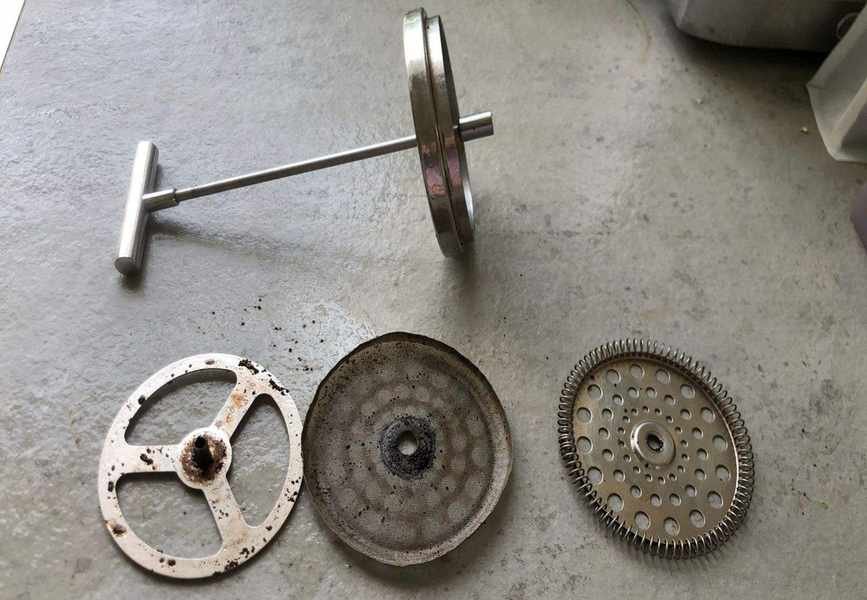
This is how my French press looks after daily cleaning but could use a deep clean after a week.
For excess grounds and oils, aim for a deep clean weekly. Disassemble your French press by removing the cross plate, mesh filter, and spiral plate. Some rods may even unscrew from the lid. Clean these parts with warm soapy water, but be cautious with the filter to prevent fraying. Soaking the filter and plunger in a water and vinegar solution (4 parts water to 1 part vinegar) for a few hours or overnight can yield excellent results. After soaking, rinse with warm soapy water and allow the parts to dry before reassembling.
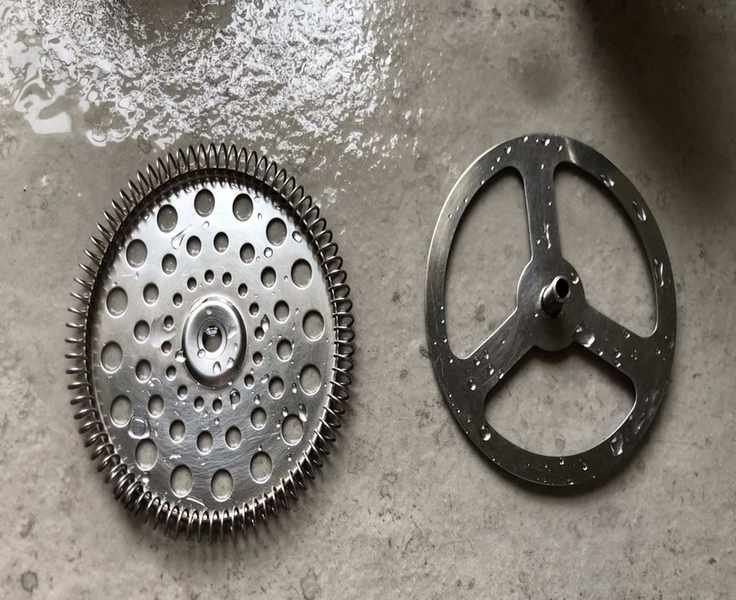
After cleaning, my French press looks much better. The scratches are from over a decade of use.
Tips for Stubborn Stains

I consulted the coffee community for effective methods to tackle persistent stains and odors. Most recommendations included warm soapy water or a vinegar solution, but some suggested using brown rice and shredded banana. While I'm skeptical about those, there are other great ideas.
One expert suggested adding coarse salt to hot water and scrubbing the French press's interior with it. This technique can effectively remove tough stains without damaging the surface.

Another option is mixing a tablespoon of baking soda with a cup of hot water, letting it sit for at least 30 minutes before rinsing. This is a popular alternative to vinegar.
Additionally, wiping the inside of the carafe with a lemon slice or baking soda can help. Both ingredients are common in traditional cleaning methods.

Storing Your French Press
For optimal storage, separate the parts to prevent moisture buildup. Personally, I keep mine assembled with the lid on and the plunger down, as I use it frequently.
Maintaining Your French Press
Be gentle with your sponge and cloth during cleaning to minimize scratches. Avoid allowing coffee residue to settle, as it'll become harder to clean. Clean your French press regularly and thoroughly to ensure it continues to produce great coffee.
Regular hand cleaning is key to minimizing damage. If cleaning your French press feels overwhelming, consider alternatives like pour-over coffee makers, which are easier to clean. Still, the rich flavor of French press coffee makes the effort worthwhile.