Thatch is a natural layer in your lawn, often indicating robust turf health. However, when it builds up excessively, it can impede grass growth and may even cause unsightly dead patches.
Understanding how to properly dethatch your lawn is an important aspect of lawn care that every gardener should master. Fortunately, recognizing when to dethatch your lawn is straightforward; your lawn will often show signs of distress. A spongy feel underfoot or a noticeable layer of brown, spongy material visible from the side indicates that thatch may be a concern.
'While some thatch is acceptable and even beneficial, an excess can suffocate your lawn, restricting access to moisture, sunlight, and nutrients,' says lawn care expert David Truby, Managing Director of Greensleeves. 'Moreover, too much thatch can become a breeding ground for pests and diseases. Scarifying your lawn is an effective method to remedy this situation.'
Below, experts share effective methods for eliminating excessive thatch and rejuvenating your lawn.
Steps to Dethatch Your Lawn
'Dethatching can be a manageable fall lawn care task if the thatch layer is less than two inches deep,' Rachel Crow, a garden editor, explains. 'If the thatch exceeds two inches, it's advisable to consult a professional to prevent damage to the grassroots and avoid harming your lawn.'
'Thatch is broken down by beneficial fungi that occur naturally. If your lawn is healthy and has the right fungal balance, it should resist thatch buildup,' states Jonathan Hill from Rolawn. 'However, if your lawn is struggling, or if you cannot introduce these fungi, then scarifying may be necessary,' he adds.
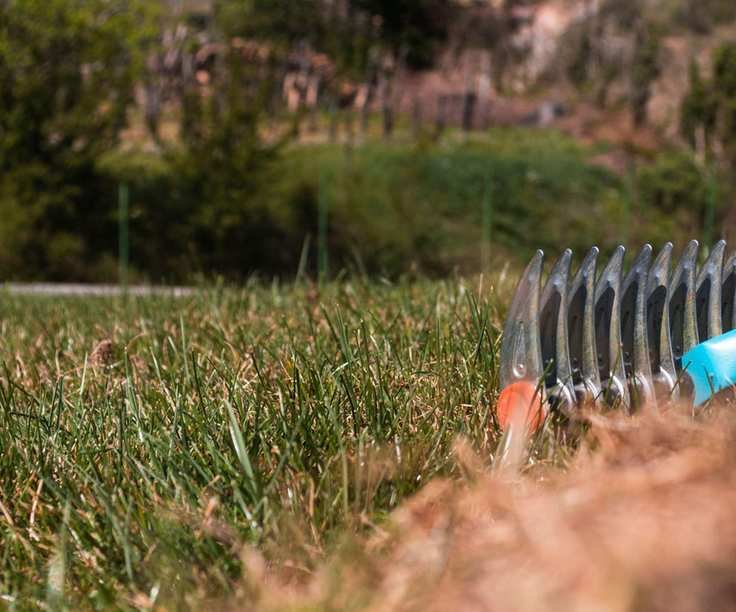
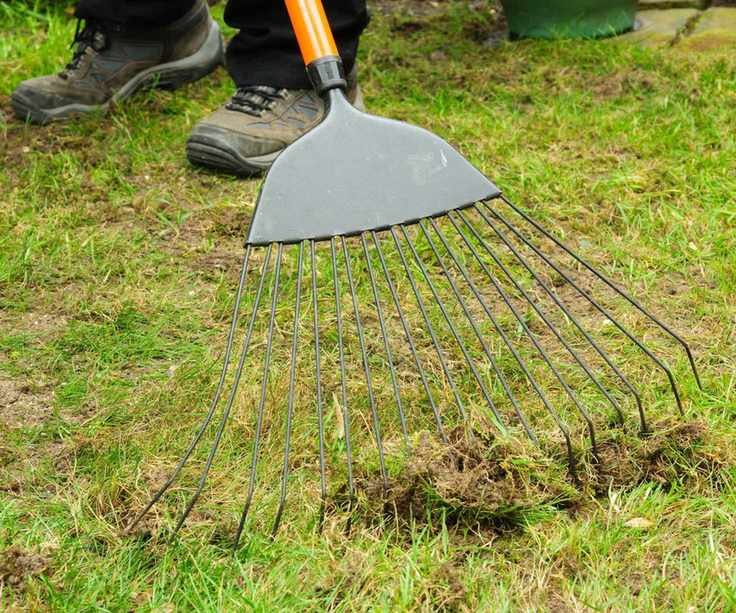
'Scarification is a traditional technique for dethatching and can be accomplished in a few ways: manually with a spring-tine rake or a similar tool to pull through the grass, or for larger areas, consider renting or purchasing a power rake or powered scarifier from a local garden center or tool supplier.'
Lawn dethatchers and scarifiers can also be found on Amazon.
1. Manual Dethatching
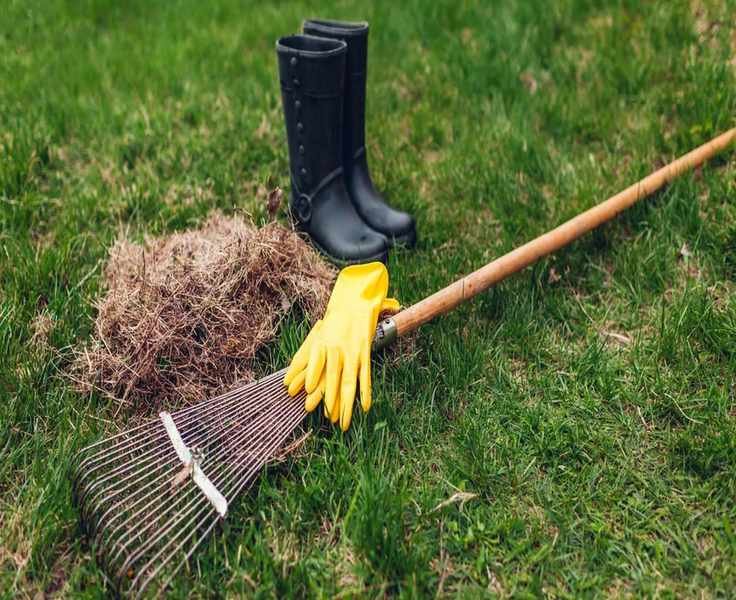
Manually dethatching your lawn can be labor-intensive, yet it primarily uses tools you likely already possess.
'Employing a dethatching rake, such as this one available on Amazon is ideal for light thatch and general maintenance,' Rachel Crow suggests. 'Guide the rake tines through the grass until they reach the thatch layer beneath. Rake the grass much like you would rake leaves, loosening and tearing apart the thatch as you go.'
A regular leaf rake can also be utilized, but it may not be as effective. Nonetheless, any raking is better than none, especially if you consistently dethatch your lawn.
2. Dethatching with a Power Rake
Power rakes resemble mowers fitted with rotating tines that dig into the thatch layer with less effort than manual rakes. However, they should only be used on resilient grass types that can tolerate vigorous raking.
3. Using a Vertical Mower for Severe Cases
'For lawns with a significant thatch problem, a vertical mower may be necessary to break apart and lift the thatch,' notes Rachel Crow. 'These mowers feature vertical blades that penetrate deeply into the soil, effortlessly bringing thatch to the surface.'
It's important to note that these machines may also uproot grass roots, so you may need to overseed your lawn or understand how to plant grass seed to revitalize your lawn afterward. These tools are best suited for lawns in significant need of restoration.
Post-Dethatching Care
'The best times to dethatch your lawn are early spring or fall, allowing you to reseed and prepare it for summer,' Rachel recommends. 'After dethatching, reseed the area to mend any damaged grass roots.'
Moreover, learning how to aerate a lawn post-dethatching is beneficial as it helps restore nutrients, improve water drainage, and enhance airflow to the affected soil. Although many people question why aerate a lawn after dethatching when the soil has already been disturbed, coring or scarifying the soil allows air and water to penetrate deeper layers of compacted soil — which is crucial after thatch has deprived the lower levels of essential nutrients.
Understanding Thatch
'Thatch is a natural component of healthy turf and is generally beneficial in small quantities,' explains Jonathan Hill from Rolawn. 'A thin thatch layer promotes lawn health, but if it becomes too thick, it can inhibit water and air from reaching the soil, leading to a tired-looking lawn.'
Thatch consists of organic debris, including both dead and live plant and animal matter. It accumulates around the base of grass where stems meet the soil. While some materials break down quickly, others take longer to decompose, gradually building up until they can suffocate the grassroots and block water and air from accessing the soil and roots. Most grass lawns maintain a thatch layer of less than half an inch, but once it exceeds one inch, it can harm your grass.
Inadequate knowledge of how to fertilize a lawn can contribute to an excessive thatch problem, Jonathan notes: 'Thatch is composed of dead turf material and is not merely the result of grass clippings left after mowing, as some believe. Thatch accumulates for various reasons, but the main cause is improper fertilization. When grass is healthy, it produces new roots, stems, and leaves as the old ones die. If the new growth occurs at a rate parallel to the old material's decomposition, no thatch will accumulate. However, if the grass grows faster than the old material can break down, thatch builds up.'
Over-fertilizing or using inappropriate fertilizers can lead to an increase in surface debris, harming your lawn instead of helping it.
Preventing Lawn Thatch
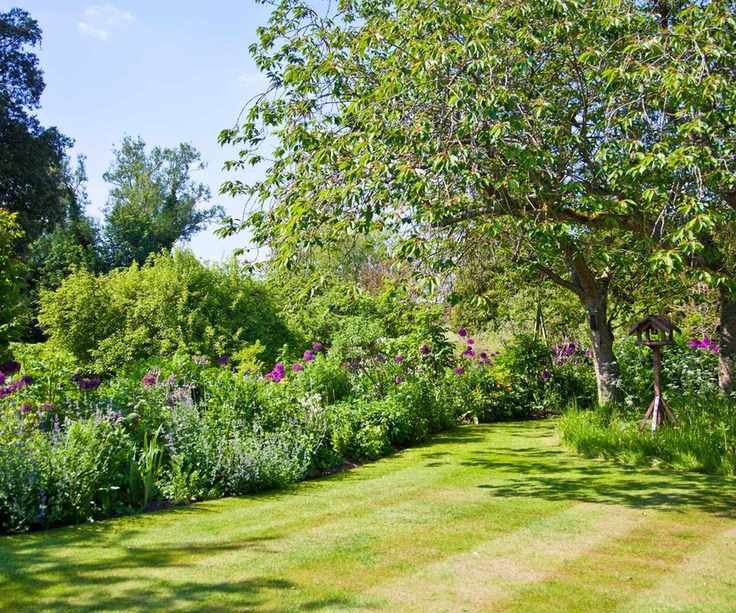
'To avoid developing a thatch problem, steer clear of gardening practices that could lead to organic matter buildup. This includes overwatering, using fertilizers that are excessively high in nitrogen, and neglecting to rake up organic debris like fallen leaves,' advises garden editor Rachel Crow. 'Encouraging beneficial organisms such as worms can also help reduce excessive thatch, as they aid in the decomposition process. Additionally, minimizing the use of pesticides whenever possible will give your lawn a better chance to thrive.'
Dethatching vs. Aerating: Which is Better?
For optimal lawn care, it's best to perform dethatching and aerating together. Dethatching before aerating allows for improved penetration of air, nutrients, and water — particularly during the winter months.