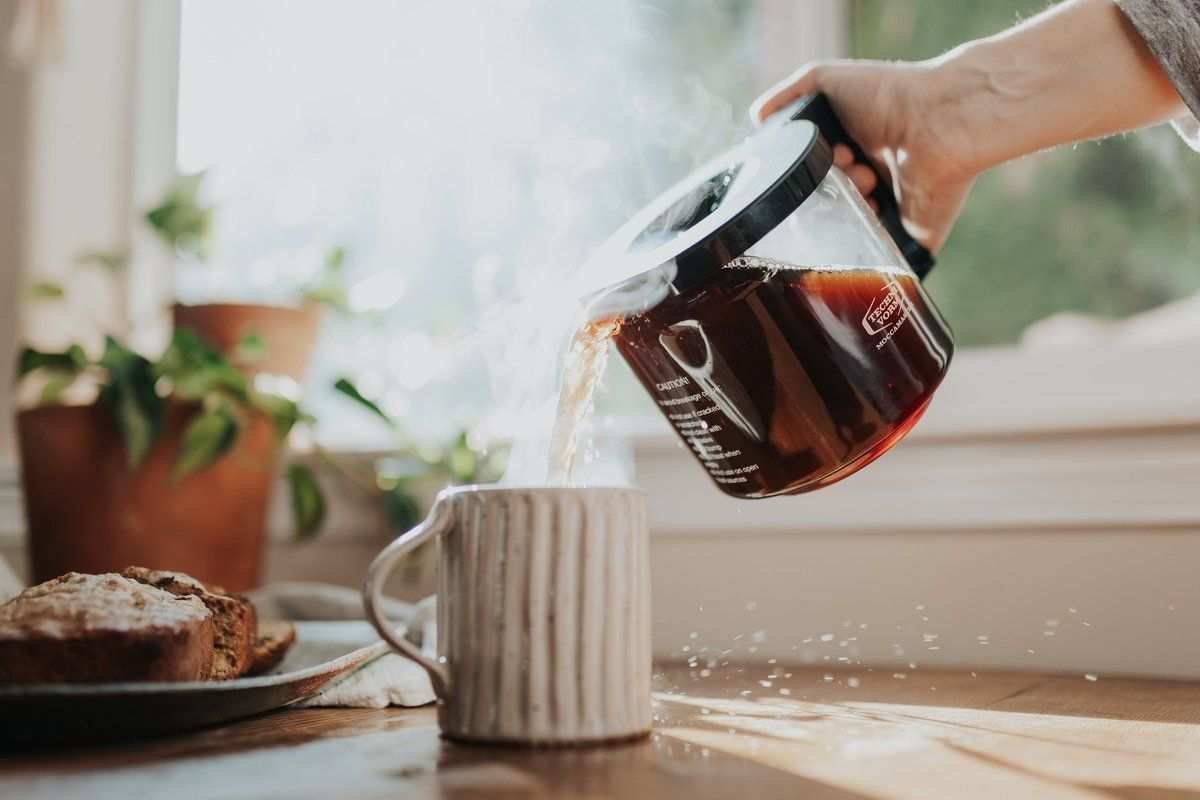
Many of us find that the best coffee comes from skilled baristas who have mastered the craft using sophisticated machines. However, you don't need to be a professional to enjoy fantastic coffee in your own kitchen. With the right equipment, you can create amazing coffee at home.
Before diving into the details, it's crucial to invest in a quality coffee maker that aligns with your coffee preferences. While cafés may utilize high-end espresso machines, a reliable drip coffee maker is often perfectly sufficient for home brewing.
Combine your coffee maker with the right beans, a good grinder, and expert advice, and you'll be well on your way to brewing the perfect cup. Let's get started!
Brewing Coffee at Home

The first step is determining your preferred brewing method. Each coffee maker has a unique way of extracting flavor from the grounds, so choose one that fits your taste. For more detailed advice, check out my guide on choosing the best coffee makers.
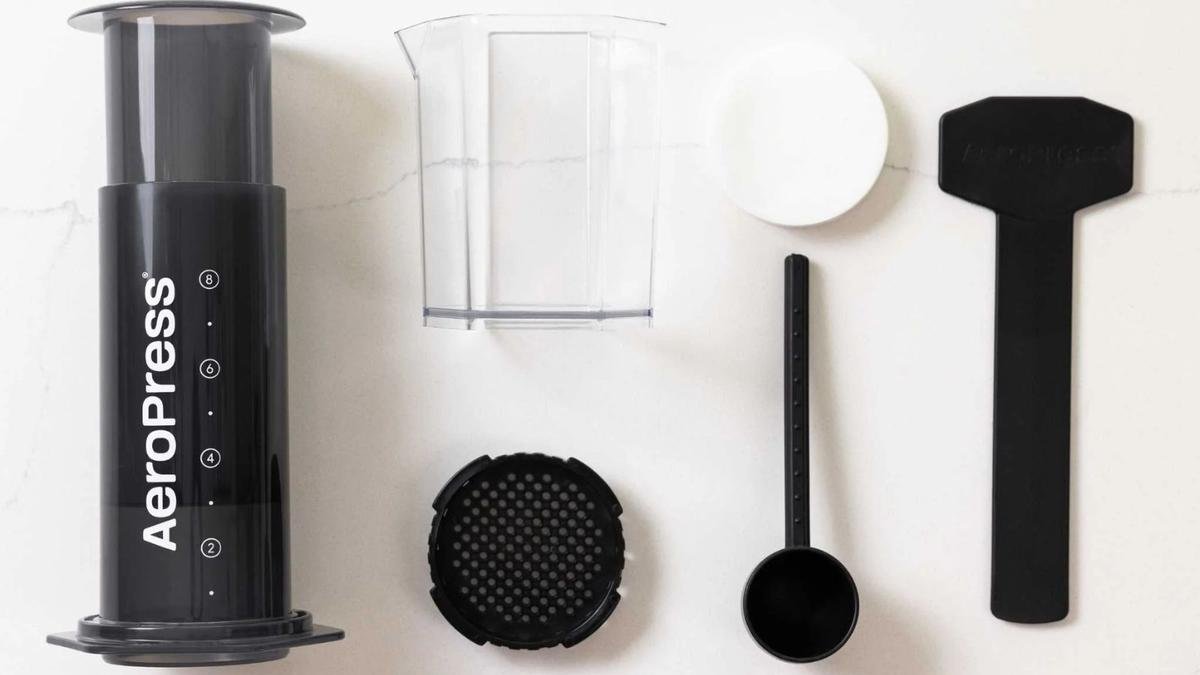
- If you enjoy café-style coffee, look into an espresso machine, moka pot, or an AeroPress. These methods use high temperatures and pressures for rich, bold flavors.
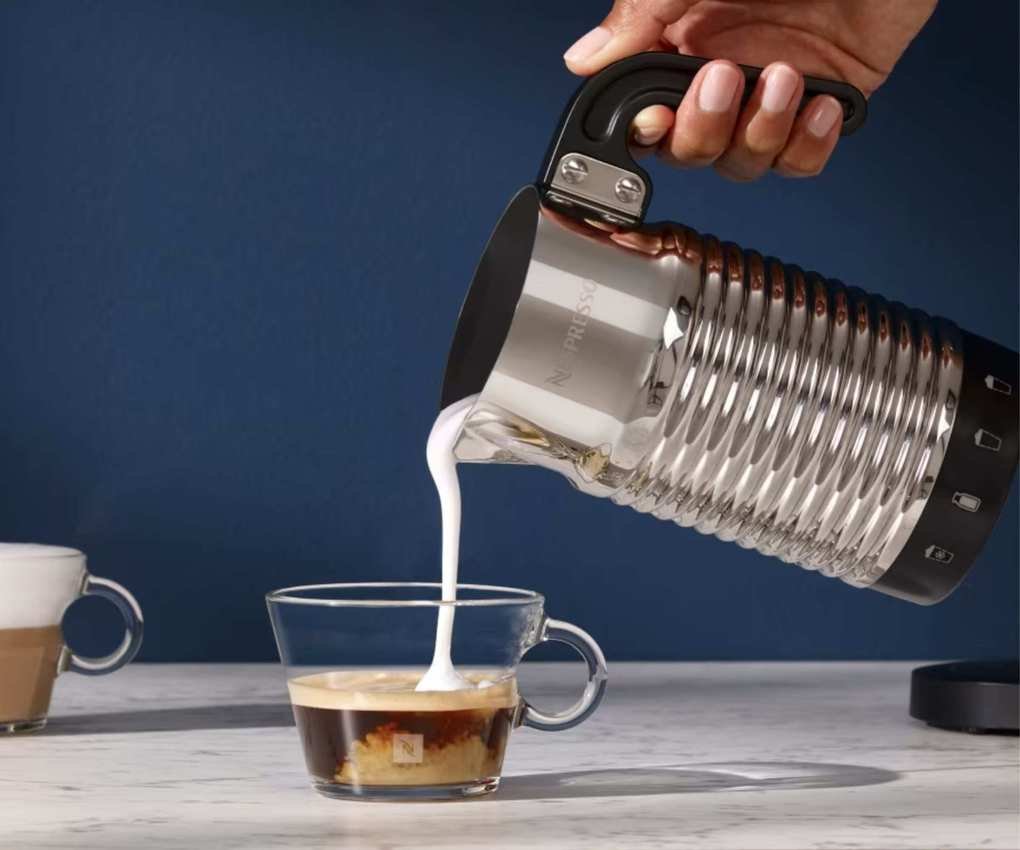
- For creamy, frothy coffee drinks, an espresso machine is ideal. Some models froth and add milk automatically, while others have a steam wand for manual frothing. Alternatively, consider a single-serve machine paired with a separate milk frother.
- If you prefer classic black coffee bursting with flavor, options like a French press offer more acidity, while pour-over coffee makers create lighter brews. Drip coffee makers and espresso machines are also great for flavorful black coffee.
- For those who need large quantities of light coffee, a drip coffee maker is the most popular and hassle-free choice.
Next, it's essential to use a good grinder and select coffee beans that match your flavor preferences. You can find detailed advice on choosing coffee beans here, but always consider what flavors you enjoy. Quality beans are vital; as James Hoffmann famously said, 'You can give me bad anything, but don't give me bad coffee beans.'
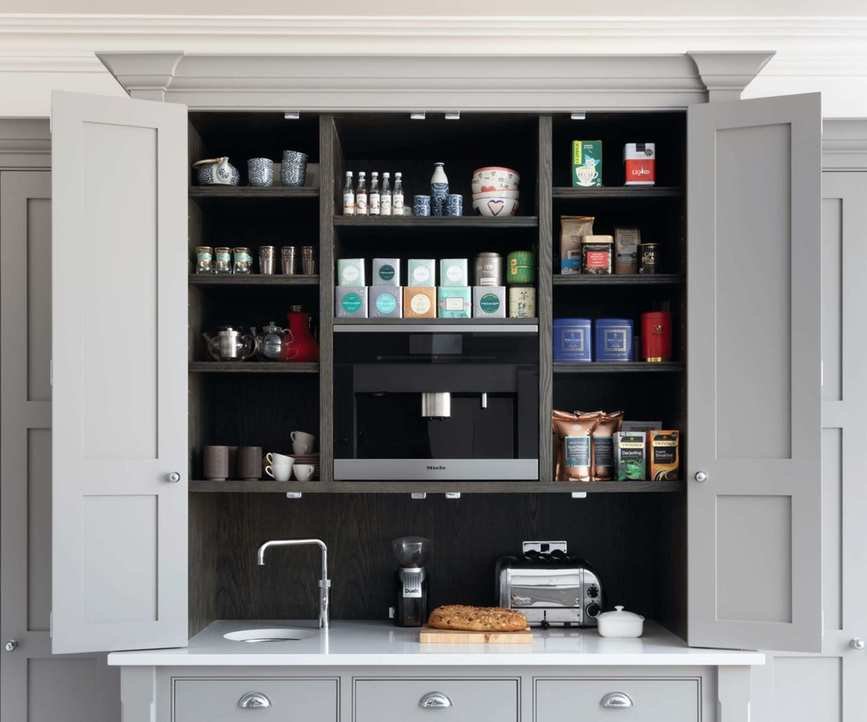
Now that you have your essentials, let's explore how to brew coffee at home. I'll cover methods for a drip coffee maker, an espresso machine, and a French press, as these are the most common.
Brewing Coffee with a Drip Coffee Maker
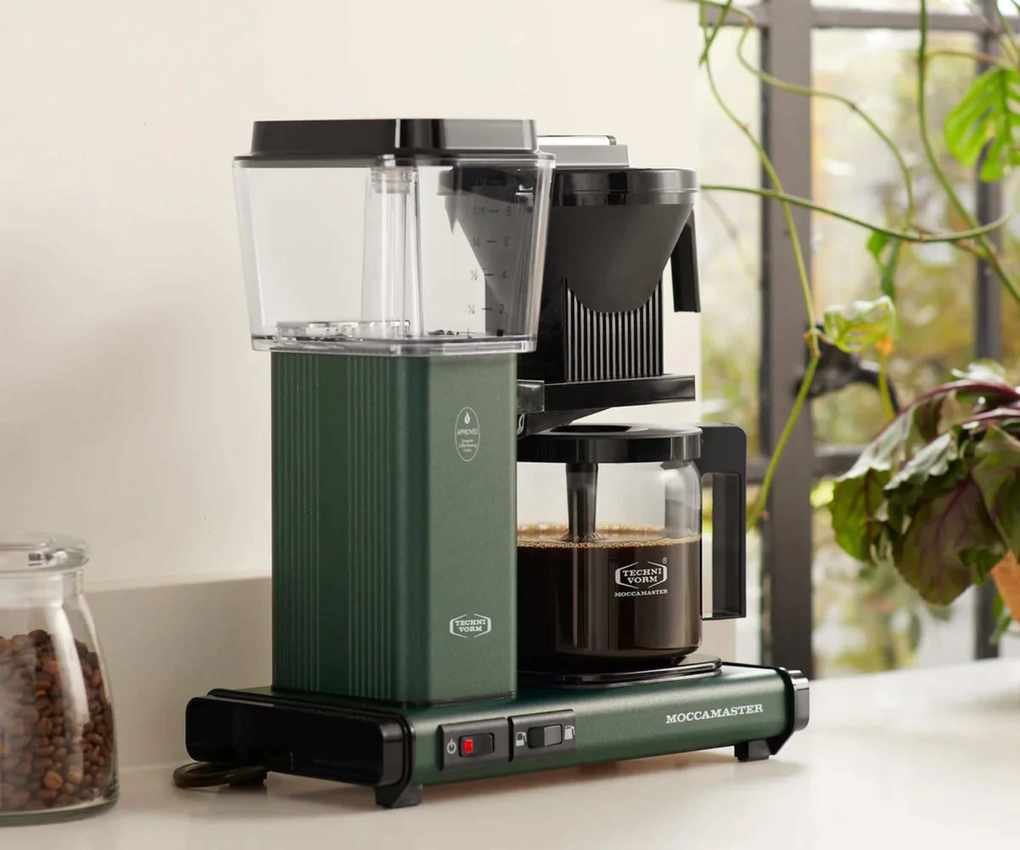
Drip coffee is a favorite home brewing method. James Gray, founder of Barista & Co, states, 'Drip is one of the most affordable ways to achieve excellent coffee. The key is consistency, which starts with a good grinder or having your coffee ground at a local roaster.'
'Store-bought filter ground coffee is often too coarse, leading to weak, flavorless coffee. Weighing your coffee is also beneficial; a general guideline is half an ounce of coffee for every 11 ounces of water. Use water just off boiling if you're using a regular kettle.'
'Start by pouring a little water through the paper filter to eliminate any residue. Discard that water once it filters through. Then, add your filter ground coffee, which should be finer than French press grounds but coarser than espresso. Gently tap the brewer to level the coffee bed, ensuring even water distribution.'
'After that, pour just enough water to saturate the coffee and let it bloom for about 30 seconds. You'll notice bubbling as gas escapes. Another gentle tap on the cup will help level the coffee bed again.'
'Finally, slowly add the rest of the water and let it filter through. If the grind is correct, it should take 2-4 minutes to complete. If it's faster, your grind is too coarse, and you might want to try another brewing method like the French press.'
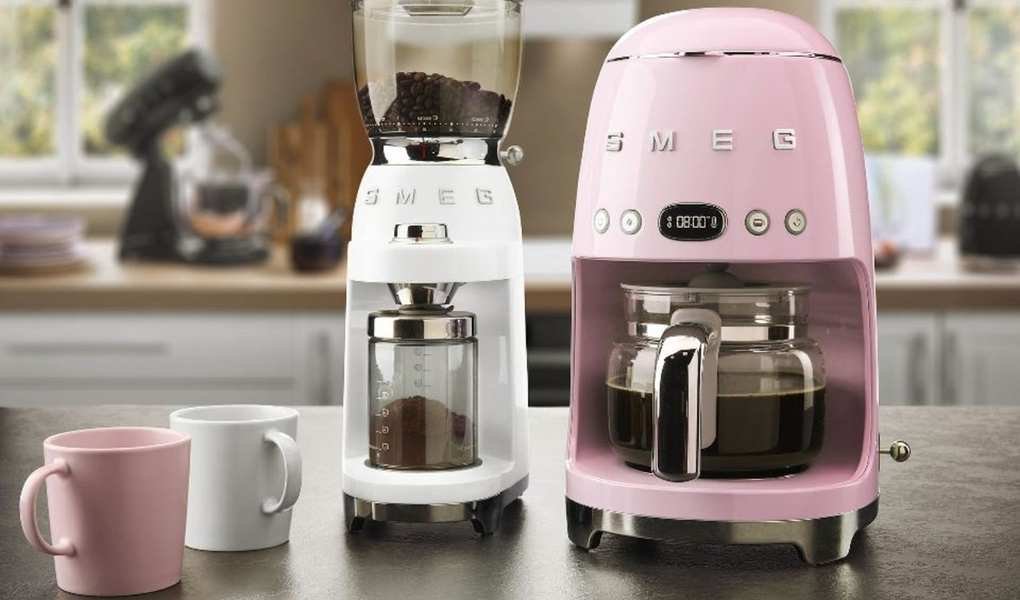
If you're considering an upgrade, here are three top drip coffee makers:
OXO Brew 8 Cup Coffee Maker
This model is praised for its reasonable price and meets the Gold Cup Standard from the SCA.
Breville Precision Thermal Brewer
A great option for those who enjoy customizing their coffee settings.
De'Longhi All-in-One Combination Coffee Maker
This versatile machine combines both espresso and drip coffee-making capabilities.
Making Coffee with an Espresso Machine

For a rich latte or a robust shot of espresso, here's how to replicate café-quality coffee at home.
For more detailed instructions on making espresso, remember to use half an ounce of ultra-fine coffee grounds in your portafilter, tamping them down firmly. If you lack a tamper, consider this stainless steel tamper from Walmart. Lock the portafilter in place and follow your machine's instructions to brew.
For an Americano, just add hot water to the espresso, or create a latte by adding steamed milk. Mastering the steaming process is essential; aerate the milk first, then stretch it until it reaches 150 degrees Fahrenheit, or when the carafe is too hot to hold comfortably.
If you're in the market for an espresso machine, check out these top picks:
Breville The Barista Pro Machine
This machine allows for precise customization, making it perfect for aspiring home baristas.
De'Longhi La Specialista Maestro
Offers unique features like auto-tamping and is suitable for both beginners and experts.
KitchenAid Artisan Machine
Simple to use and available in a variety of colors, this model is reliable and effective.
Creating a Latte Without an Espresso Machine

If you adore lattes but lack an espresso machine, don't fret; you can still create delightful milky coffee at home.
James Gray notes that authentic lattes require espresso as a base, but you can still achieve a creamy drink with a good milk foam. Consider using a Bialetti Moka stovetop coffee maker for a strong shot, or adjust the amount of coffee when using a French press for a richer flavor.
A latte typically consists of 2/3 steamed milk, so your coffee shot should be about 1/3 of the total drink.
For frothy milk without a steam wand, a milk frother is essential. Here are three top choices:
Breville The Milk Cafe
This frother has a large capacity, allowing you to prepare ample milk for multiple lattes at once.
Nespresso Aeroccino 4
Ideal for quickly frothing milk, whether hot or cold, and compatible with various coffee makers.
Illy Electric Milk Frother
This compact frother is efficient and perfect for creating hot foam, cold foam, and hot chocolates.
Brewing Coffee with a French Press

The French press is a classic and straightforward way to enjoy delicious coffee at home. Here's a quick guide to using one effectively.
For a standard brew, use 14-16 grams of coarsely ground coffee and pour 12 oz of hot water over it. Follow a 1:15 coffee-to-water ratio for best results. Let it steep for 6-8 minutes before plunging. Simple!
If you're looking for quality French presses, consider these options:
Espro P7
Although pricier, it features a double-walled carafe to keep coffee hot and smooth.
Bodum Chambord
This iconic French press combines classic design with affordability and availability.
Fellow Clara
This elegant model offers a luxury feel and exceptional brewing capabilities.
FAQs
Is Grinding Coffee Necessary?
Not necessarily. You can request your local roaster to grind your coffee for you. Although supermarket grinds are available, they may not be ideal for every brewing method.
James Gray explains that many home espresso machines use pressurized baskets requiring coarser grind sizes, while premium machines need finer grinds for optimal extraction.
Investing in a quality grinder allows for tailored grinding for your brewing method, which can significantly improve your coffee. Avoid blade grinders as they produce inconsistent grinds.
Why Choose Whole Beans?
Buying whole beans is recommended, but only if you have a good grinder. If not, pre-ground coffee may be a better option. Commercial grinders provide better consistency, crucial for great-tasting coffee, even if it sacrifices some freshness.
With a quality burr grinder, buying whole beans is the best choice. When stored properly in airtight containers, they can remain fresh longer.
Do You Need a Milk Frother for Lattes?
Using a manual frother is recommended. Froth your milk cold before heating it in the microwave for better results. This typically yields a light, fluffy milk body with a foam layer.
How to Select Coffee Grounds for Brewing Methods?
The grind size directly relates to brewing time, with finer grinds suited for short brewing methods and coarser ones for longer methods.
James highlights that espresso requires fine grounds, while cold brew needs a very coarse grind. Here's a quick reference for grind sizes:
Espresso – fine grind.
Filter/Pour Over – medium grind.
Cafetiere – coarse grind.
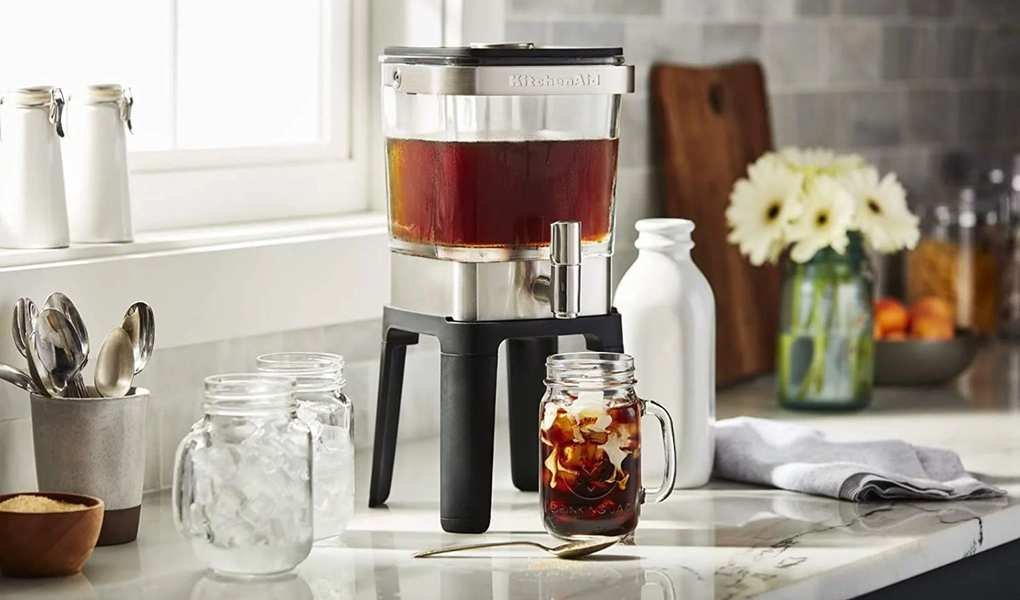
Cold Brew – very coarse grind.
Additionally, opting for lighter roasts with quality beans reveals more complex flavors than traditional darker roasts, which often mask lower quality.
Mastering coffee at home is all about understanding the basics. Once you choose the right beans and equipment for your preferred coffee style, you can enjoy a barista-quality brew each time.