
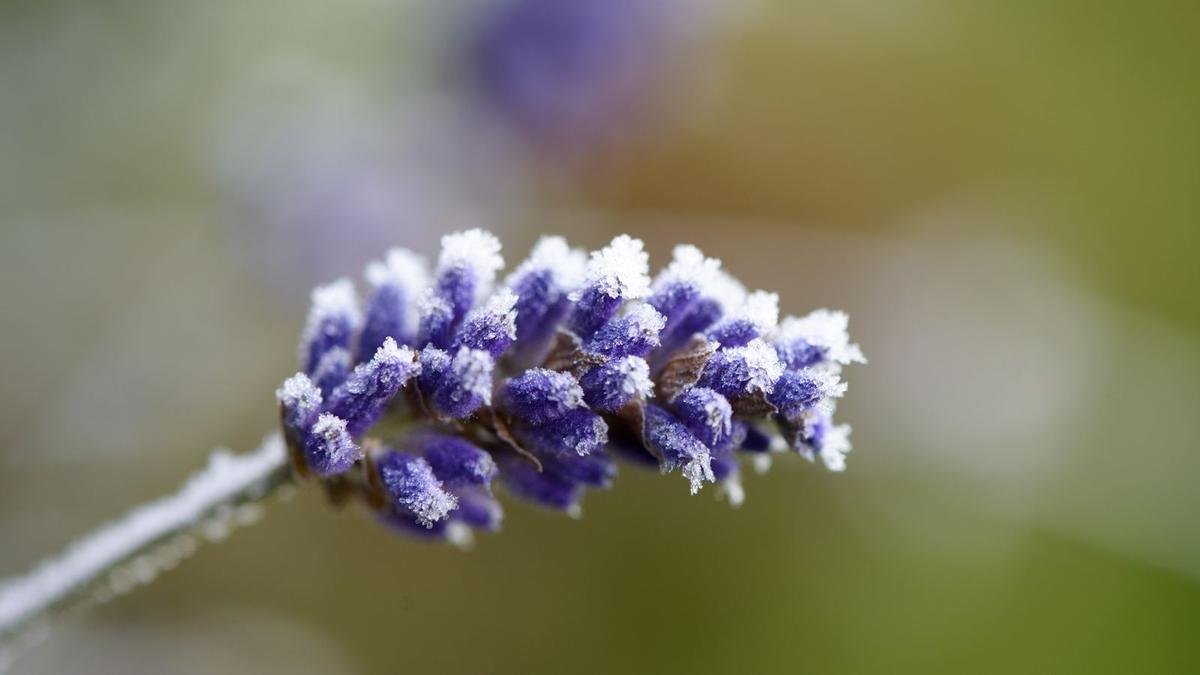
Lavender is the star of summer gardens, known for its delightful aroma and stunning flowers that bloom from May. However, preparing your lavender for winter is essential to ensure its survival and health during the chilly months.
Winterizing lavender isn't difficult, but doing it right will give your plants the best chance against the frost and cold of December through February.
If you're familiar with growing lavender, our straightforward guide will show you how to care for your aromatic plants so they thrive with beautiful flowers when spring arrives.
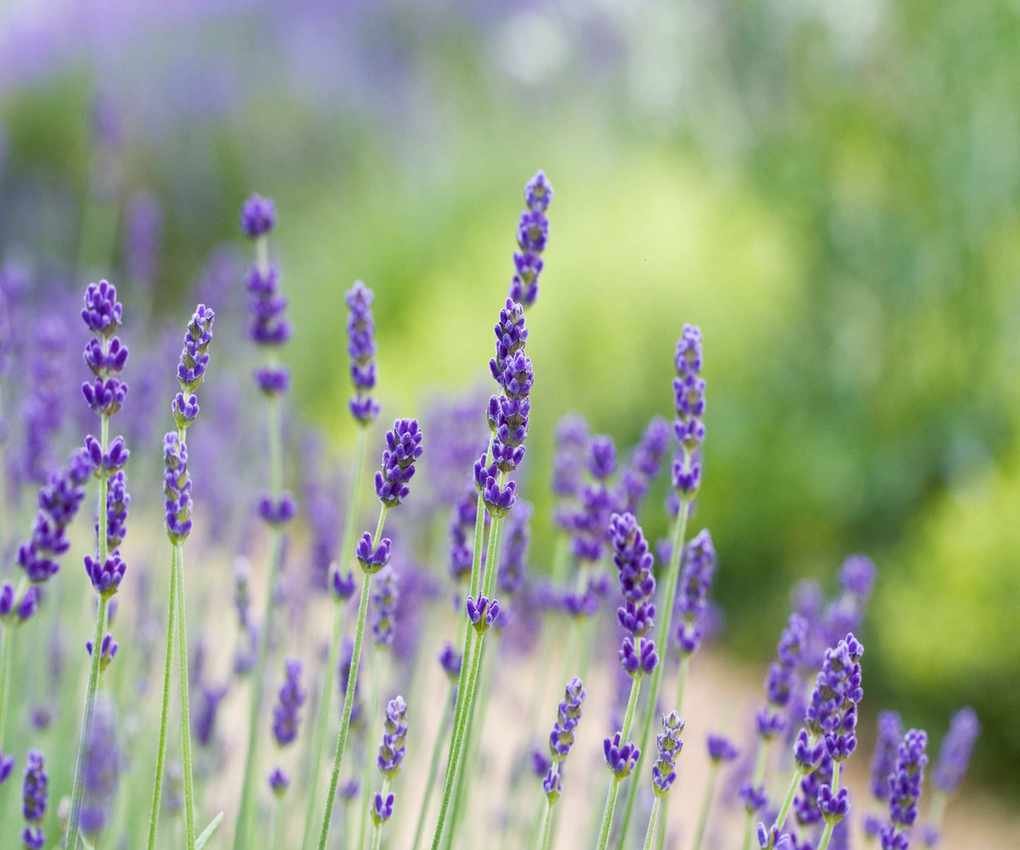
Steps to Winterize Lavender
Lavender can thrive in US hardiness zones 5 to 9, but this can vary by species and variety. Follow these tips to effectively winterize your lavender this season.
1. Cease Watering Lavender in Winter
'During fall and winter, natural rainfall should be enough,' advises Jen McDonald, a gardening expert. 'Lavender thrives in drier conditions, so let nature handle it while the plants rest.'
'Overwatering can lead to rot or frost damage if the soil freezes,' Jen adds. 'If your soil is heavy or clay-like, consider applying mulch to enhance drainage and soil structure. Use organic materials like straw, pine needles, or leaves to insulate the roots during winter.' Mulch can be found at Walmart.
2. Prune Your Lavender Before Winter

Trim your lavender in late summer or early fall if you reside in a colder area. Cut back about one-third after flowering to prevent excessive woodiness, maintaining a compact shape.
Pruning earlier allows for one to two inches of growth before frost sets in, providing added protection for the plant.
Harvesting lavender at this time is simple, and you can use the cut stems for autumn and winter table arrangements.
Avoid pruning during winter, as open cuts can be vulnerable to frost. If you miss the opportunity, wait until spring.
3. Relocate Potted Lavenders in Winter

Understanding growing lavender in containers can enhance your herb garden and potted displays. However, potted plants are at risk of frost and waterlogging, so take extra care.
If your potted lavender is outside and temperatures drop below 40°F, consider moving it indoors to a shed or garage during the coldest months.
If moving indoors isn't an option, group pots together to shield them from harsh winds and place them near the house for added warmth.
Can Lavender Survive Winter in the Ground?
Yes, lavender can remain in the ground throughout winter. However, as Mediterranean plants, they struggle with cold, damp soil. In areas with severe winters, like US hardiness zone 3, growing lavender in pots for indoor protection during frosts is advisable.
If you plan to transplant your lavender, it's crucial to know when to do so to minimize risk of damage. Avoid lifting or transplanting during winter; wait until early spring when temperatures rise.
If winter cold is a concern, consider planting hardy lavender species. For example, English lavender, Lavandula angustifolia, tolerates cold down to zone 5, making it ideal for northern climates like New York and Chicago.
On the other hand, Spanish or French lavender, Lavandula stoechas, is only hardy to US hardiness zone 8, better suited for warmer regions such as Texas and California. For more ideas and details, check out our selection of the best lavender varieties to cultivate this year.


