When browsing store shelves or exploring online options, the variety of fertilizers can feel overwhelming. With so many choices available, how do you determine the best one for achieving beautiful blooms each season?
Every plant needs essential nutrients to thrive, produce abundant flowers, and resist pests and diseases. As a professional gardener responsible for maintaining flower beds and borders in historic gardens, I've found that nurturing soil health along with proper feeding is crucial for keeping plants vibrant for visitors.
To help you cut through the confusion, we'll explore various types of fertilizers and insights from experts on what they recommend for their flowering borders.
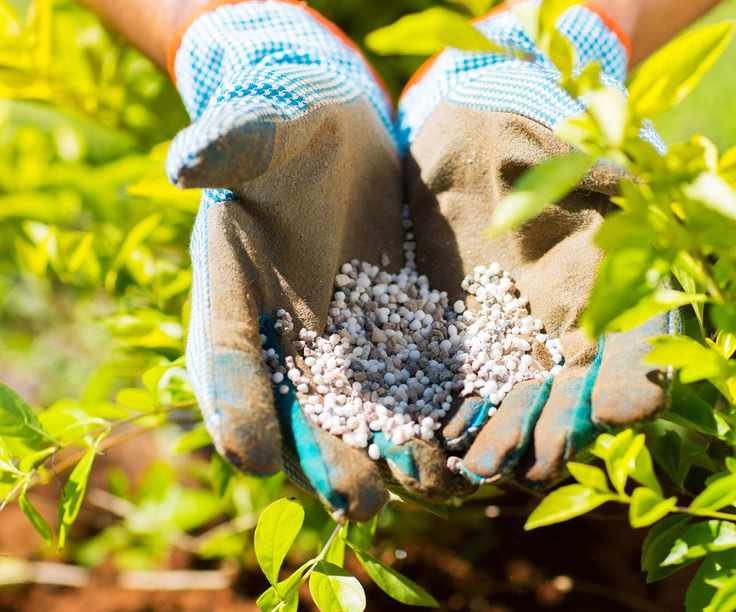
Fertilizers for flowers should contain essential nutrients in varying ratios
Feeding Schedule Tips for Flowering Plants
The initial step is knowing when to fertilize your flower beds, ensuring that plants receive nutrients at the optimal stages of their growth cycle. Spring is often the ideal time to provide nutrients as plants emerge from dormancy and begin to grow again.
A second feeding in the summer is also beneficial to encourage continued blooming. Before you start any fertilizing regimen, it's wise to test your soil first to identify any specific deficiencies that may need addressing.
How to Fertilize Flowers: Selecting the Right Feeds

Fertilizers for flowers can be found in both granular and liquid forms
When considering how to fertilize your flower beds and plants, there are several options to evaluate. Different types of fertilizers present their own advantages and disadvantages, so your choice will depend on your preferences, the time you have available, and what your flowers specifically require.
You can opt for organic or synthetic fertilizers, as well as granular or liquid formulations. Organic products, derived from natural sources, are excellent for enhancing soil health, though they often come at a higher price. Synthetic fertilizers offer a range of NPK formulas tailored for specific plants, such as those designed for roses.
Granular fertilizers are slow-release options mixed into the soil that gradually release nutrients over time. In contrast, liquid fertilizers are diluted with water and applied during your regular watering sessions. These fast-acting solutions can deliver a quick nutrient boost during critical growth stages, particularly when flowers are in bloom.
Amy Enfield from ScottsMiracle-Gro recommends slow-release fertilizers for those who are short on time and prefer a low-maintenance feeding option. Regarding liquid feeds, she suggests that if you enjoy regularly caring for your flowers and want more precise control over feeding, you should look for water-soluble fertilizers. Since these nutrients are readily available to plants, they generally need to be applied every one to two weeks.
Your watering setup may also influence which type of fertilizer works best for you. Enfield notes that slow-release fertilizers are particularly effective if you have automatic irrigation systems in place, while water-soluble fertilizers are suitable for manually watered beds.
It's essential to research the specific needs of your plants to ensure they receive proper feeding. Understanding the NPK ratios on fertilizer packaging is also critical, as these numbers indicate the proportions of nitrogen, phosphorus, and potassium. Each nutrient plays a vital role in plant growth: nitrogen supports leaf and stem development, phosphorus aids root growth, and potassium is essential for bud and flower production.
An effective feeding strategy often involves a combination of organic and inorganic fertilizers applied at different times throughout the year. For instance, incorporating organic matter and mulching can enhance all soil types and improve fertility, in addition to using specific fertilizers to promote robust growth in spring and prolific flowering in summer.

Amy Enfield has over 25 years of experience in the Lawn & Garden industry and has been with ScottsMiracle-Gro for 11 years. She holds a BS and MS in Horticulture from Michigan State University and a PhD in Plant & Environmental Sciences from Clemson University.
Recommended Fertilizers for Flowering Plants

Granular fertilizers can nourish flowers for an extended period
Consider feeding your new flowering plants right from the moment you plant them in your backyard. Applying a slow-release fertilizer at planting time helps them establish a strong foundation.
Using a product like bonemeal from Burpee is an excellent choice for planting flowers, as its high phosphorus content promotes healthy root development and helps the plants settle into their new environment. This product can be sprinkled around the base after planting and should be well watered in.
Established flowering plants in borders benefit from feeding in the spring, as they begin their active growth each season. During this time, Rosebie Morton, founder of The Real Flower Company, suggests using a balanced general fertilizer with an NPK ratio of approximately 5-5-5 or 10-10-10.
'I recommend using a natural slow-release fertilizer sprinkled around the base of the plant, preferably on damp soil, and then lightly hoeing it in,' says Morton. 'A layer of compost over the fertilizer will help suppress weeds, retain moisture, and improve soil health.'
Liquid fertilizers can provide an excellent nutrient boost to flowering plants, particularly annuals that strive to produce a stunning array of blooms. These feeds are often higher in phosphorus to encourage flowering and are commonly used for crops like tomatoes to enhance yield.
There is a variety of liquid fertilizers you can select from, and Harriet Worsley of Worsley Design & Consultancy shares a couple of her favorites. She states: 'In my view, the best fertilizer for flowers in borders is a liquid organic seaweed fertilizer, which can significantly boost plants during the growing season. I suggest applying a liquid feed every two weeks from March to September, as this is when flowering plants thrive.'
Worsley also mentions: 'The ultimate fertilizer is the liquid produced by a wormery. This liquid is a magical elixir for plant growth. It should be diluted significantly and used during the growing season as a liquid fertilizer.'
Perennial flowers, annuals, and bedding plants generally respond well to a balanced fertilizer. However, certain flowering plants, like roses, may require more specialized feeds, such as a rose fertilizer available on Amazon that is specifically formulated to support healthy growth and vibrant blooms.

Rosebie Morton is the founder of The Real Flower Company. She began growing garden roses in her family farm's walled garden in 1995. The Real Flower Company, founded in 1999, specializes in English-grown scented roses and flowers.
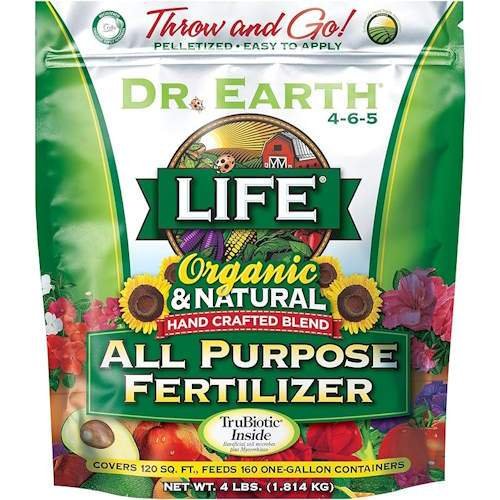
All Purpose Fertilizer
A 100% organic balanced fertilizer to apply to flower beds, keeping your plants healthy and thriving.

Liquid Seaweed Plant Food
A liquid organic seaweed fertilizer to apply to your flowering plants throughout the growing season.
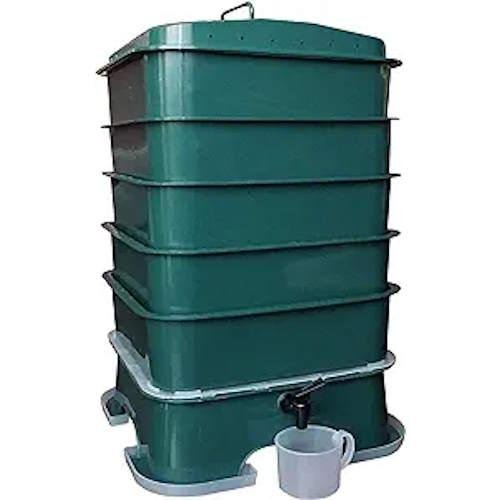
Worm Compost Bin
A 5-tray worm bin that can house 10 lbs of worms to convert kitchen waste into organic compost.
Frequently Asked Questions
What is the best homemade fertilizer for plants?
There are numerous natural methods for creating plant fertilizers. The top choices include using homemade compost or comfrey fertilizer, which is nutrient-rich and excellent as a liquid feed for promoting flowering.
What is the best natural fertilizer for flowers?
Compost serves as an outstanding natural fertilizer for flower beds and borders. It releases nutrients gradually while also enhancing soil health. Manure is another excellent nutrient source, provided it is well-rotted to prevent plant damage. You can also find processed pellets, such as this bag of organic chicken manure from Walmart.
Are coffee grounds beneficial for fertilizing plants?
Coffee grounds are beneficial for plants and act as a slow-release fertilizer. They are particularly high in nitrogen, while also containing phosphorus and potassium. The grounds can be sprinkled around plants or brewed to create a liquid feed that can be diluted with water and applied directly to the soil.
Are banana peels useful for plants?
Leftover banana peels can be beneficial for plants because they are rich in potassium and calcium. You can use banana peels as fertilizer by soaking them in water and using that to water your plants, or by burying them in the soil where they will decompose and enrich the earth.
If you grow flowers from seeds to enhance your beds and borders in summer, consider fertilizing seedlings when you transplant them. Adding a balanced slow-release fertilizer to the soil mix while potting up seedlings can supply essential nutrients for their development until they are ready to be planted in the garden.