To transform your garden into a thriving paradise, grasping the concept of soil types is essential. While it may seem scientific, it's quite straightforward.
Choosing the right plants for your specific soil is vital. If your garden isn't flourishing, it might be due to a mismatch between your plants and the existing soil type. For instance, planting moisture-loving crops in dry soil can lead to disappointing results.
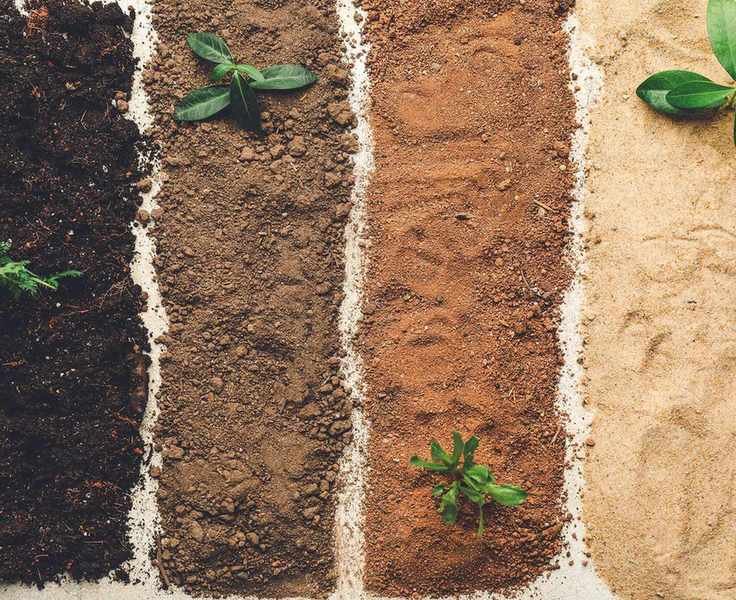
Soil types are categorized based on color, particle size, organic content, and mineral composition. The proportions of sand, silt, and clay are also significant. Generally, gardeners refer to the top 40cm of soil where planting occurs.
Additionally, conducting a pH test is necessary to assess your soil's acidity or alkalinity for a comprehensive understanding of its composition.
What Are the Main Soil Types?
Soil types vary greatly depending on geography, but they can be broadly classified into main categories.
In the US, the primary soil types are sand, silt, and clay, alongside various subcategories like 'sandy clay loam' and 'silty clay'. Meanwhile, the UK recognizes four main soil types: clay, sandy, chalky, and loamy, with silty and peaty soils being less common.

How to Identify Soil Types
Identifying soil types can be simple. Often, you can visually assess the soil, especially if it's sandy or clayey.
You can also dig some up and feel its texture. Alternatively, consult a local gardening group for insights.
If still uncertain, try the 'mudshake' test to determine your soil type.

Performing the 'Mud Shake' Test
Fill a clear jar two-thirds with water, then add your garden soil to the top. Shake the jar well and let it settle for a couple of days.
As the soil settles, heavier particles like sand will appear at the bottom, while organic matter may float.
Clay and silty soils will result in cloudy water with sediment at the bottom.
Sandy soils will leave clear water with sediment at the bottom.
Peaty soils will have particles floating on the surface and slightly cloudy water.
Chalky soils will show white fragments on the bottom and pale grey water.
Loamy soils will have clear water and layered particles at the bottom, with finer particles on top.
Once you identify your soil type, assess if improvements are needed and select suitable plants for those conditions.

Improving Soil Types
Every soil type can be enhanced, regardless of its composition. Here's what to consider:
- Feed your soil as you do your plants, ensuring adequate nutrients (nitrogen, phosphorus, potassium) through fertilizers.
- Incorporate organic materials like compost or manure to enhance texture.
- Use 'green manure' crops such as clover or buckwheat to enrich soil nitrogen and improve structure.
- Introduce beneficial organisms like earthworms and mycorrhizal fungi to accelerate composting and nutrient distribution.
- Aerate heavy clay soils to improve structure and drainage.
- Add organic matter to chalky soils for better growing conditions.

The 6 Common Soil Types
1. Clay Soil
Clay soil is dense and sticky when wet, becoming hard when dry, making it challenging to work with. It drains slowly, but when improved, it can be nutrient-rich. This soil warms up slowly in spring, and preparation can be labor-intensive.
How to Improve Clay Soil:
In fall, mix in bulky organic matter like compost or well-rotted manure to enhance workability.
Leave the soil in clumps during fall digging; the winter frost will help break it down.
Most clay soils are acidic; test for acidity and apply lime to neutralize it and promote beneficial microbes.
Composted seaweed can also improve drainage.
Plants That Thrive in Clay Soil:
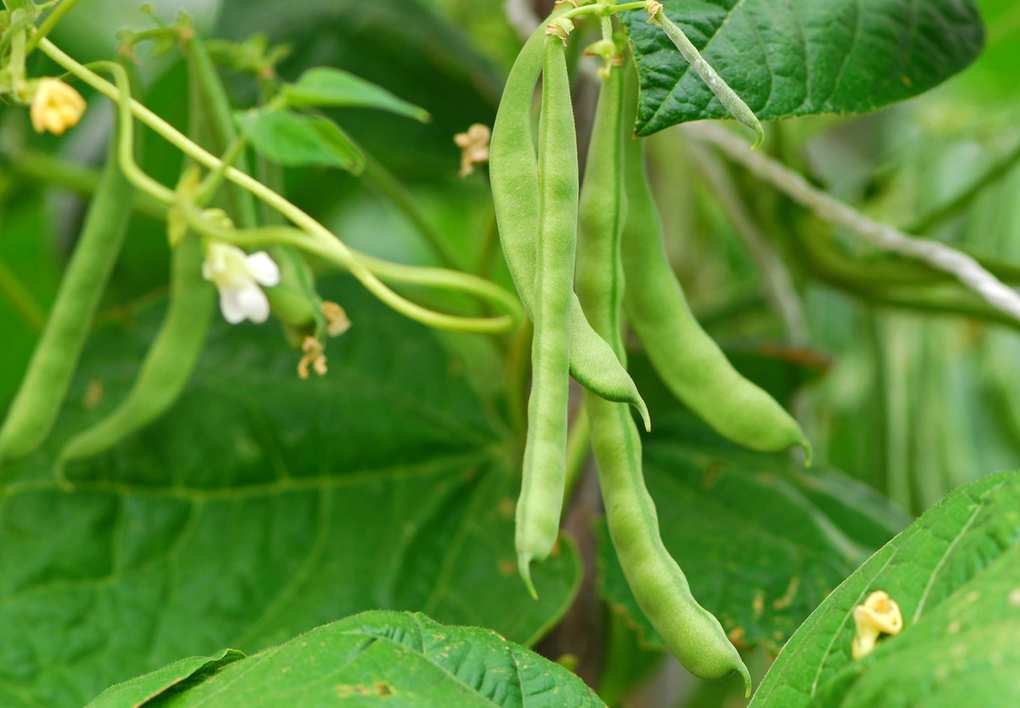
Potatoes excel in breaking up heavy clay. Summer vegetables like beans and peas also yield well, along with soft fruits and flowering trees.

2. Sandy Soil
Sandy soil is gritty, well-drained, and dries out quickly, making it easy to cultivate but low in nutrients. It warms rapidly in spring.
How to Enhance Sandy Soil:
Incorporate organic matter to create a sponge-like quality that retains moisture. Avoid fall digging to prevent further breakage.
Groundcover plants can stabilize the soil and help retain moisture.
Plants That Thrive in Sandy Soil:
Choose drought-resistant plants like lavender, rosemary, and root vegetables such as carrots and potatoes.

3. Silty Soil
Silty soil is nutrient-rich and holds moisture well. It's light and easy to cultivate but can easily become compacted.
How to Improve Silty Soil:
Mixing compost helps enhance drainage while adding nutrients. Ensure it's planted to prevent erosion.
Plants That Thrive in Silty Soil:
Shrubs, grasses, and most vegetables flourish here, provided drainage is adequate.

4. Peaty Soil
Peaty soil is rich in organic material, moisture-retentive, and dark in color. It's less common in gardens.
Improving Peaty Soil:
Blend with compost and lime to reduce acidity for optimal plant growth.
Plants That Thrive in Peaty Soil:
Heather, camellia, and various vegetable crops grow well in well-drained peat soils.

Camellias like this 'Anticipation' variety thrive in peat soil.
5. Chalky Soil
Chalky soils are typically shallow and free-draining, often stony. Nutrient levels may be higher with clay present.
Enhancing Chalky Soil:
Add organic matter regularly to maintain fertility and moisture retention.
Mulching can help conserve moisture.
Plants That Thrive in Chalky Soil:
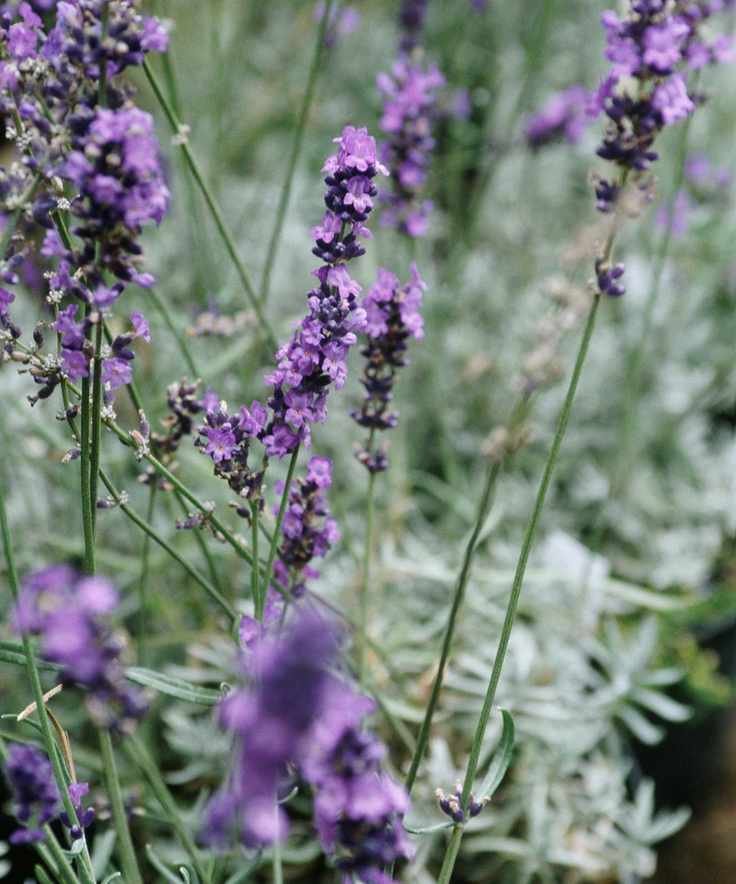
Many shrubs and perennials thrive here, including clematis and lavender.
6. Loamy Soil
Loamy soil is ideal for gardeners, combining clay, sand, and silt for fertility and ease of cultivation. It retains moisture well without drying out quickly.
Improving Loamy Soil:
Regularly add organic matter to maintain its nutrient balance.
Plants That Thrive in Loamy Soil:
Most vegetables and berries grow exceptionally well in loamy soil.