

When grabbing a missing ingredient from your fridge while preparing a meal, it's easy to forget about the germs on the door handles. These high-traffic areas can harbor harmful bacteria, especially during food prep.
Experts emphasize that fridge handles are often neglected in cleaning routines, yet they play a crucial role in preventing illness, particularly in warm weather.
Here's why keeping this area clean is essential and how to effectively sanitize it without using harsh chemicals, helping you maintain a safer living environment.
Rosa Picosa, a cleaning authority, notes, 'We frequently visit the fridge, and in our busy lives, we can unknowingly transfer germs to our hands. Touching our face or food afterward can spread those germs, which is risky.'
This cross-contamination is a significant risk, particularly if you're handling raw meat or unwashed produce before opening the fridge. A study highlighted that 'practicing good hygiene in the kitchen is vital for minimizing foodborne illness risks.'
To mitigate this risk, Rosa suggests, 'I always finish cleaning by wiping down frequently touched areas like fridge handles, cabinet knobs, and faucets. These quick tasks don't take long but help maintain a clean kitchen and reduce germ spread.'
Why We Overlook Fridge Handles
Even though fridge handles see a lot of use, they're commonly neglected, with cleaning professionals often pointing this out in their clients' kitchens.
Rosa explains, 'People usually focus on cleaning visible, high-traffic spots like countertops and sinks. I recommend dedicating 10-15 minutes daily to tackle one area, setting a timer for efficiency. This includes wiping counters, cleaning cabinet fronts, or refreshing appliances like the fridge.'
'The goal is to clean regularly to prevent the accumulation of grime and fingerprints, making deep cleaning tasks less daunting. These small efforts contribute to keeping the kitchen tidy and manageable.'
Establishing a consistent cleaning schedule is beneficial. However, washing your hands thoroughly after handling raw foods and before touching handles is the most effective way to prevent contamination.
Maintaining Fridge Hygiene During Busy Times
Regular, small cleaning efforts are key to ensuring your kitchen remains hygienic. You don't have to tackle everything at once; instead, address tasks methodically to avoid feeling overwhelmed.
Rosa emphasizes, 'The main principle is consistency rather than perfection. My best advice is to start small and stick with it.'
'Manage daily cleaning by doing a bit each day and schedule deeper cleans that fit your routine—whether weekly, biweekly, or monthly. Consistency helps establish what's necessary.'
To keep your fridge in top shape:
- Make it a habit to clean handles during countertop wipes. If they become contaminated during meal prep, sanitize them immediately. Clorox wipes available at Amazon effectively eliminate bacteria.
- Wipe down fridge shelves as items are used up or before adding new groceries.
- Clean the inside of the fridge door shelves every week or two, especially if they hold drinks and opened jars.
- Don't ignore your produce drawers; leftover items can create mold and bacteria even in a fridge. Use hot soapy water with a microfiber cloth, drying the drawer thoroughly. These can also be removed and washed in the sink with dish soap like Dawn from Walmart.
- Sanitize your water dispenser weekly to prevent 'pink mold', a common bacterium thriving in damp areas.
Sanitizing Without Harsh Chemicals
While commercial cleaners may work faster, studies affirm that natural cleaning products can be effective when used correctly and at the right concentrations.
A 2020 study from BMC Microbiology found that vinegar at a minimum of 10% concentration combined with 1.5% citric acid can kill various household germs, including some E. coli strains. Both vinegar and citric acid can be purchased at Walmart.
For households with someone ill, it's wise to use a stronger disinfectant like Clorox wipes, available at Amazon, which kill 99.9% of germs.
What to Consider When Shopping
Cleaning, sanitizing, and disinfecting serve different purposes, and it's possible to use gentler, natural products effectively if given enough time to work.
Here are some essential items to help you clean without resorting to harsh chemicals.
All prices were accurate at the time of publication.
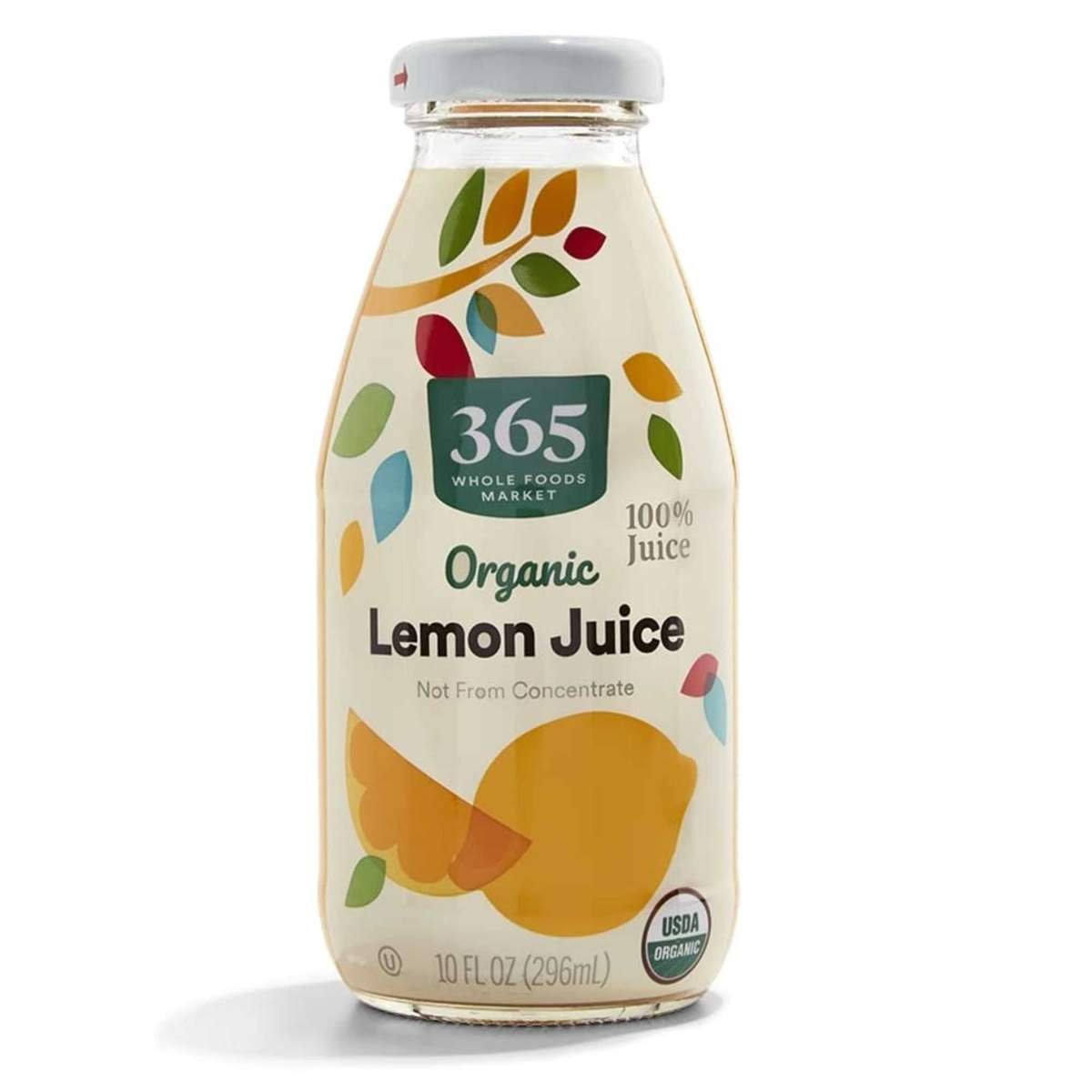 Clean with lemon
Pure lemon juice is naturally acidic, effectively breaking down kitchen grease while leaving a pleasant scent and repelling pests.
 Clean with vinegar
Vinegar is a safe cleaner, effective in killing bacteria, including E. coli strains, and neutralizing odors without harsh chemicals. It dries without leaving a scent.
 Clean with baking soda
Baking soda is a natural deodorizer and abrasive that effectively tackles tough stains without scratching surfaces, making it safe for most home areas.
 Editor's pick
This seven-in-one steam mop features attachments for versatile use throughout your home, cleaning with heated water that kills bacteria and viruses instantly.
 Washable and reusable
Utilizing color-coded microfiber cloths for various cleaning tasks helps prevent cross-contamination. Wash them on high heat and skip fabric softeners to maintain their absorbency.
Method All Purpose Antibacterial Cleaner Wildflower
This gentle antibacterial cleaner effectively keeps food prep areas and frequently touched surfaces, like fridge handles, hygienic. It's crafted from non-toxic ingredients.
About the Expert
Rosa PicosaHaving grown up with a monthly deep clean, Rosa developed a more systematic approach for her household. She shares her cleaning wisdom with a community eager to manage mess and maintain sanitation without stress.
Fridge handles aren't the only neglected areas; there are several other spots in your home that require regular attention for sanitation.


