
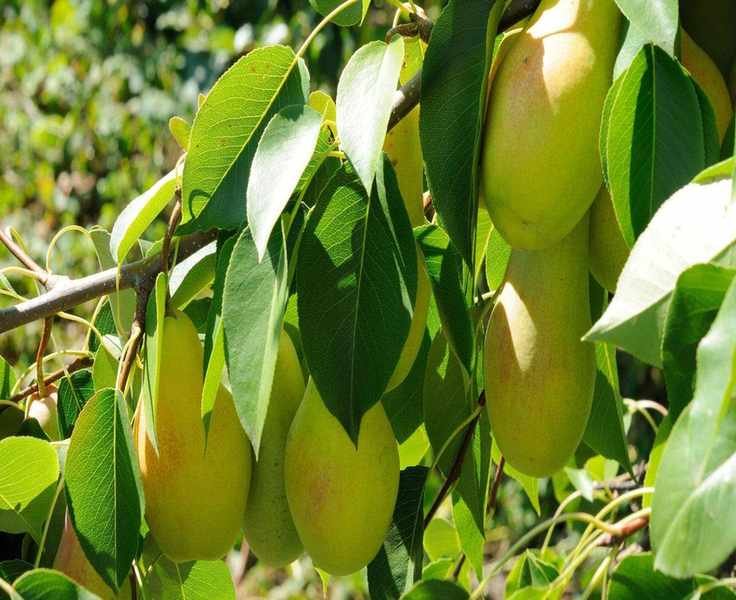
Want to grow your own fruit? These essential tips on when to plant fruit trees will help kickstart your homegrown garden.
Creating space for fruit trees not only gives you fresh produce but also adds beauty to your outdoor area. Typically, these trees are planted in the fall and attract beneficial wildlife and pollinators in spring and summer. While popular choices include cherry, pear, apple, and plum trees, consider lesser-known varieties like medlars, quince, and damsons for unique flavors perfect for jams and desserts. Why not make room to plant fruit trees in your garden?
Success starts with understanding the right timing for planting fruit trees. There are straightforward guidelines for planting bare-root and container-grown trees to ensure optimal growth.
Timing for Bare-Root Fruit Trees
Most bare-root fruit trees are shipped during late fall and winter, with bare roots exposed but wrapped for protection.
According to an expert, Richard Borrie, “The best time for planting bare-root trees is when they are dormant and have shed their leaves, which usually falls between November and February, depending on the weather.”
He adds, “The concept is that the tree remains dormant while in the nursery and wakes up in your garden come spring.”
Richard also emphasizes the need to plant these trees promptly upon arrival. Prepare the planting area ahead of time, loosening the soil to help the roots establish quickly when spring arrives. In contrast, potted trees can remain in their containers for a few weeks, but should be planted before spring arrives.
Steve Cummins from a well-known nursery notes, “Newly planted trees can withstand temperatures down to 20℉ (-6℃). However, extreme cold shortly after planting can be harmful, especially for delicate varieties like peaches.”
He further explains, “Heat can also stress a tree. Ideally, plant on a cloudy day when temps are below 80°F (26.6℃). It’s generally better to plant trees directly in the ground rather than potting them for later.”
Best Time for Container-Grown Fruit Trees
Fruit trees from stores are often sold in plastic containers, allowing for easier transportation and care. These trees can thrive year-round with a well-established root system.
Jen Olenick of a gardening blog shares, “Container trees can be planted throughout the year, experiencing less root shock. However, they are typically heavier and more costly to plant.”
Container Planting for Fruit Trees
You don’t need a large area to cultivate fruit trees. Many varieties can flourish in a sizable pot on a patio or near an entrance. Choosing a ‘family tree’ variety allows you to grow multiple types of fruit from one container.
Sarah Cossom advises, “Container size influences tree growth, so opt for the largest size possible—at least 24 x 24 inches (60cm x 60cm). Make sure to include drainage holes and elevate the pot for better water flow. Choose varieties grafted onto adaptable rootstocks like M26 or MM106 for less water stress, and select slower-growing options for container gardening.”
What Month is Best for Planting Fruit Trees?
December through March is generally the best time to plant fruit trees, aligning with their availability in nurseries and optimal conditions for growth.


