Selecting the right bulbs for naturalizing in your lawn can truly enhance your outdoor space. Witnessing a vibrant floral display in spring or fall transforms any grassy area into a stunning spectacle, while also providing vital nectar for pollinators.
Various flower bulbs work well for naturalizing, from early snowdrops and winter aconites to the taller Poet's Daffodil and drumstick allium Allium sphaerocephalon. These bulbs create a colorful haze amidst the grass.
Fall is the prime time for bulb planting, so if you're eager to create a floral oasis, let's explore 11 top bulb varieties perfect for naturalizing in lawns.
1. Snowdrops

Snowdrops are excellent for areas with partial to full shade. Their bell-shaped flowers bring brightness to darker spots beneath trees and shrubs, although they can be somewhat tricky to establish.
'Ensure the soil is well-draining, steering clear of overly wet or dry conditions,' suggests horticultural expert Katie Sunderlage. 'Plant holes should be 2-3 inches deep with bulbs spaced 2-3 inches apart. Grouping 3-5 bulbs per hole creates a fuller look in spring.' Alternatively, consider planting snowdrops in the green.
For enhanced growth, apply a balanced fertilizer such as 10-10-10 or 8-8-8 in late fall or early spring at the first signs of sprouting. 'Avoid mowing until foliage completely dies back,' advises Katie.
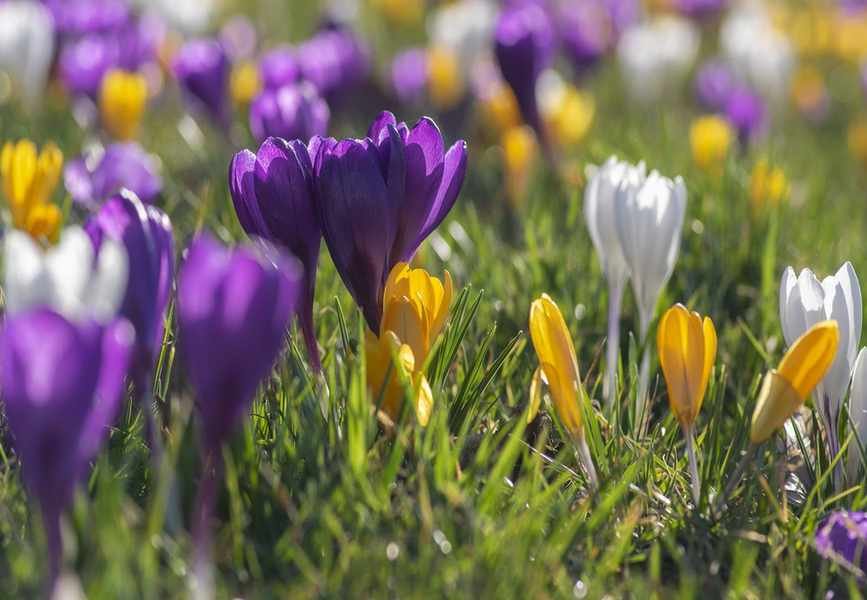
2. Crocus

These goblet-shaped blooms boast colors ranging from white and cream to bold yellow and rich purple, creating a cheerful display when planted en masse.
'Crocus are among the first flowers to bloom in early spring,' notes Katie. 'For a vibrant show, select a sunny spot with 4-6 hours of light and good drainage. Use a bulb auger like this one from Walmart or a spade to plant 2 inches deep, spacing 10-15 bulbs per square foot for maximum impact.'
Apply an all-purpose fertilizer in the fall when bulbs initiate root growth before winter. Allow crocus foliage to remain for four to six weeks post-bloom before mowing, ensuring they gather energy.

Operations Manager at Holland Group, Katie has worked in the green industry since 2005, earning her Horticulture degree in 2008.
3. Glory of the Snow
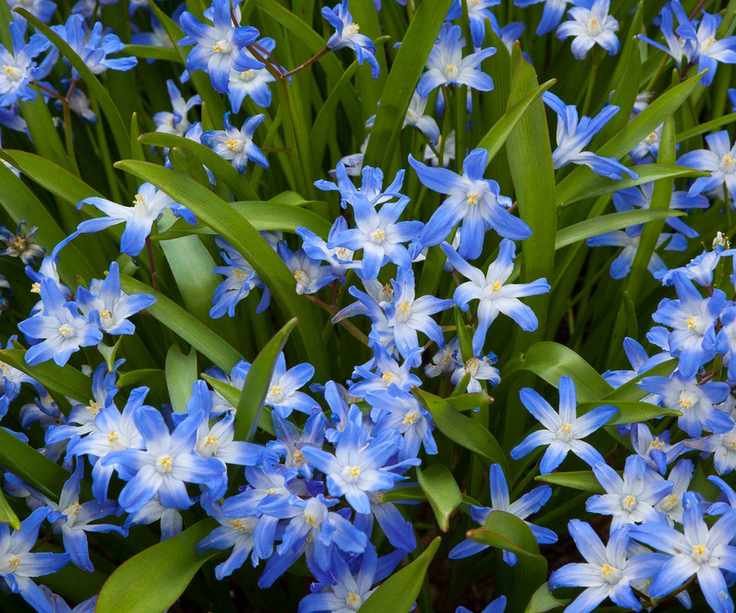
As an early spring bloomer, glory of the snow or Chionodoxa flourishes in lawns. With starry white or blue flowers, they look stunning when planted in clusters. They prefer well-drained soil but can adapt to slightly damp areas.
Plant these small bulbs at a depth of two to three times their height, in sunny to partially shaded spots. They self-seed and multiply, enhancing displays year after year. 'Once blooms fade and foliage yellows, it's safe to cut the lawn,' adds Katie.
This long-handled bulb planter makes planting easier, measuring 45.6 inches (3.8 feet) with a serrated edge for quick digging.
4. Snake's Head Fritillary

This enchanting flower grows up to 12 inches (30cm) tall, featuring nodding bells that blend beautifully with grass. The plum or white petals showcase intricate patterns.
'This Eurasian species Fritillaria meleagris is a unique choice in the US, known for its various evocative names,' says bulb expert Megan Foster. 'Its delicate leaves integrate seamlessly into lawns. Allow the foliage to die back naturally to ensure bulbs receive enough nourishment.'
Plant in well-draining soil that remains moist but not soggy.
5. Botanical Tulips

Known as species tulips, these charming flowers bloom earlier than their larger counterparts. Their natural elegance makes them less ostentatious.
'Crucially, botanical tulips are perennial and will naturalize, unlike many hybrids,' explains horticulturist Peggy Anne Montgomery. 'They grow 5-10 inches tall and can withstand spring storms. I adore my Tulipa sylvestris in the bulb lawn for its fragrance.'
These flowers attract pollinators and thrive in sunnier, drier spots, making them perfect for rock gardens.

Peggy Anne has over 30 years of US and international garden marketing experience and represents Dutch Royal Anthos.
6. Poet's Daffodils

These charming daffodils are perfect for naturalizing. Their simple yet striking blooms have a wild, unrefined quality. Linked to Greek mythology, they have a rich history.
Opt for varieties like Old Pheasant's Eye, known for its delightful fragrance and graceful petals. Pair with other spring bulbs for a wildflower look.
'Actaea' is an heirloom ideal for naturalizing. 'These delicate flowers thrive in various soils, forming perennial colonies that return year after year,' says master gardener Tabar Gifford. 'Plant them 4-6 inches deep in the fall for vibrant blooms in late spring.'

Tabar, a Master Gardener, is dedicated to fostering connections in gardening and has a background in environmental studies.
7. Autumn Crocus

Autumn crocus
Blooming from September to November, this Crocus speciosus presents violet-blue flowers with golden anthers. They thrive in sunny spots, providing late-season color and attracting butterflies.
These bulbs multiply quickly in poor soil, growing just 5 inches (15cm) tall. Ideal for undisturbed areas, they create a stunning display.
Crocus can be a favorite among squirrels, so take measures to protect them after planting.
This auger drill accessory simplifies bulb planting without straining your back. It easily attaches to standard drills and can be used for various gardening tasks.
8. Thalia Daffodils
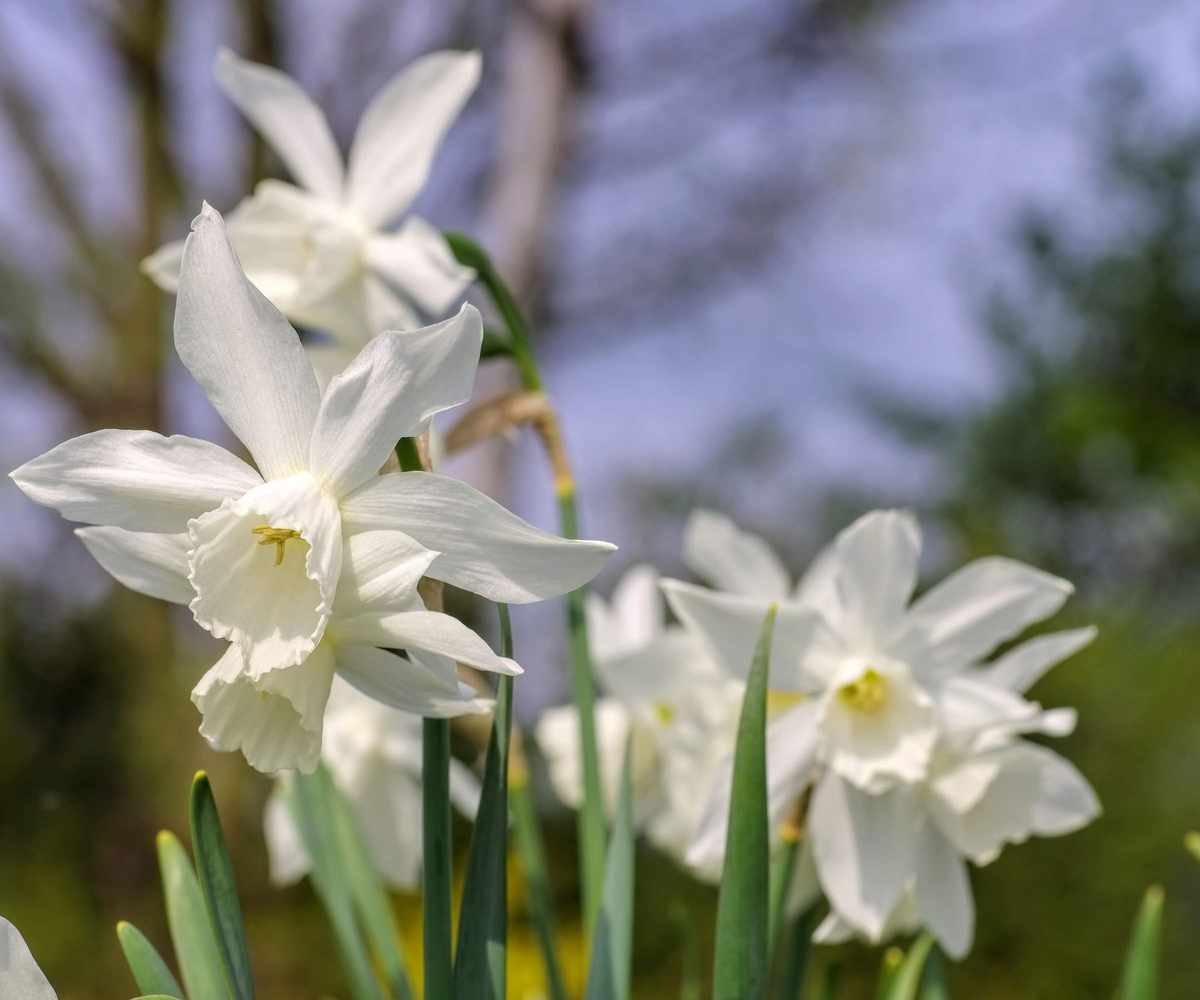
These daffodils bloom in mid-spring with gracefully twisted petals. Growing to 13 inches (35cm), they thrive in full sun or partial shade.
'Thalia Daffodils -Narcissus triandrus Thalia - enhance any naturalized bulb lawn,' says Tabar Gifford. 'With multiple blooms per stem, they make a striking show.'
They flourish in well-draining soil and are perfect for mass plantings, seamlessly integrating with wildflower meadows. Let the foliage die back before mowing.

Megan oversees perennials and bulbs for American Meadows, curating gardens and spring bulb assortments.
9. Sicilian Honey Garlic

With striking, fireworks-like flower heads, Nectaroscordum siculum offers delicate yellow flowers accented with rust red. These blooms grace 27-31 inch (70-80cm) tall stems from May to June.
As part of the allium family, they prefer full sun but can handle some shade. Ensure well-drained soil, adding horticultural grit for heavy soils. Consider using organic vermiculite granules from Amazon.
Overcrowded bulbs can reduce blooms. After flowering, lift and separate clumps, replanting the healthiest bulbs.
10. Winter Aconite

These vibrant golden blooms, nestled in green, are among the first to appear in gardens, typically in February. They thrive under deciduous trees and shrubs, making them ideal for shady areas. As part of the buttercup family, they prefer damp but well-draining soil.
Growing from rhizomes rather than bulbs, they can be challenging to establish but will quickly spread once settled. Instead of planting dormant, try planting them while still green, shortly after blooming.
11. Grape Hyacinth

Blooming in April and May, these resilient bulbs create stunning carpets of flowers in just a few years. They shine when planted in clumps beneath trees or shrubs and can also flourish in grass, reaching heights of 2 to 4 inches (5-10cm).
'These charming blue flowers can form a stunning river of color in lawns or along garden borders,' says Megan Foster. 'In a lawn, scatter them to achieve a natural look. They'll continue to multiply each spring, provided the soil drains well and they aren't mowed too soon.'
FAQs
Where Should I Position a Bulb Lawn?
Choosing the right location for a bulb lawn is essential before you plant.
'Consider planting in a low-traffic area to avoid disturbing blooms,' advises bulb expert Peggy Anne Montgomery. 'Ensure the site receives plenty of sunlight, as most bulbs thrive in full sun, though some tolerate shade.'
For a polished look, leave a 2-3 foot strip of lawn around your bulb lawn to maintain a neat appearance.
If you're excited about planting a lawn with naturalized bulbs, try these ideas for spring planters and window boxes for a splash of color. Avoid these bulb planting mistakes for guaranteed success!