

Rose gardens have captured hearts for generations, showcasing a dazzling array of colors, shapes, and fragrances. These beloved blooms are a staple in many gardens.
Although rose garden concepts are often tied to traditional designs—be it formal arrangements or classic cottage settings—they seamlessly fit into contemporary and naturalistic gardens.
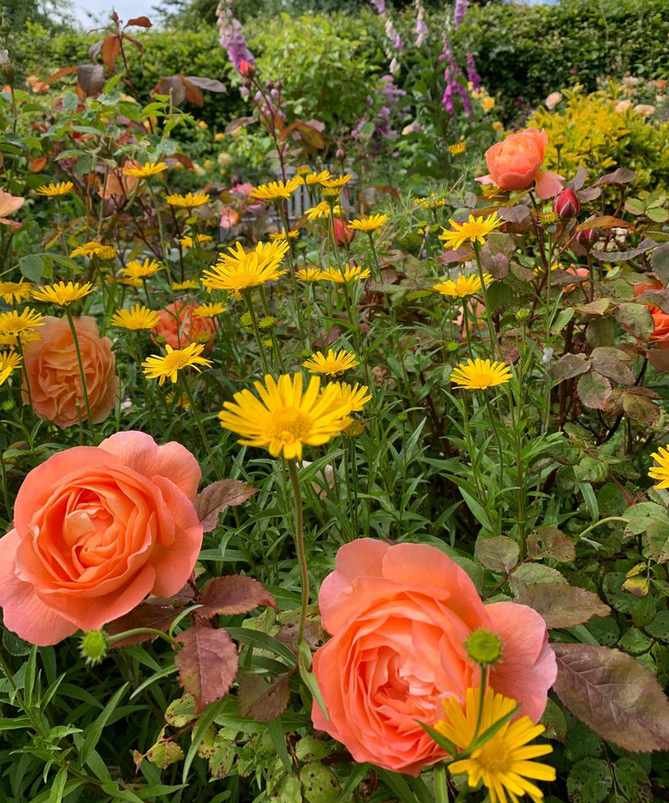
Formal vs. Informal Rose Garden Design
When planning your rose garden, think about whether you prefer a formal or informal look, as this choice affects rose selection and overall design,” says Michael Marriott, a renowned rosarian.
Don't let the idea of cultivating roses intimidate you. “Roses are merely flowering shrubs; treat them as such,” advises rose expert Paul Zimmerman.
Your rose garden's style should reflect the larger garden design and its location relative to your home. Assess your garden's conditions to ensure optimal planting for success.
“Areas near the house often have a more structured appearance, allowing for traditional arrangements surrounded by low hedges, similar to a parterre garden,” suggests garden designer David Stevens.
“In modern settings, asymmetrical patterns can extend from terraces or patios, linking beautifully with the house,” he adds.
“Many roses are hardy and bring extended seasonal beauty, making them ideal for contemporary, low-maintenance designs,” shares award-winning garden designer Colm Joseph.
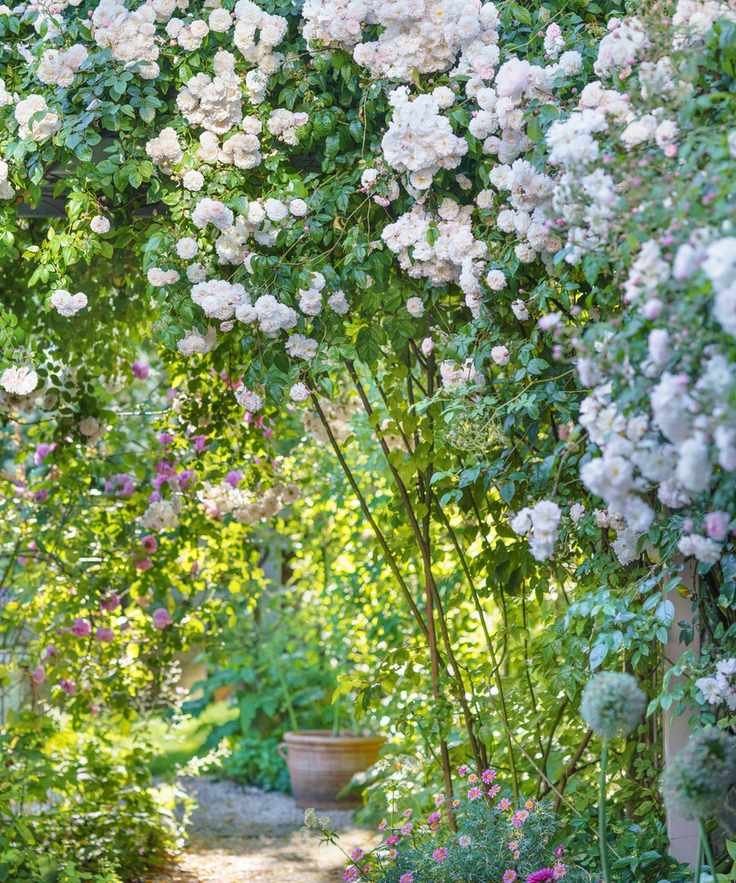
How to Arrange a Rose Garden
For an enchanting atmosphere, surround yourself with roses at all levels, including climbing varieties on walls and overhead, along with shrubs and tree roses at ground level,” advises designer Jo Thompson.
A formal rose garden typically features symmetrical beds with neatly arranged roses like Hybrid Teas and Floribundas,” explains Michael Marriott.
Conversely, an informal garden might showcase irregularly shaped beds filled with shrub varieties, including old roses and hybrid musks, or even species roses planted in a meadow setting,” he adds.
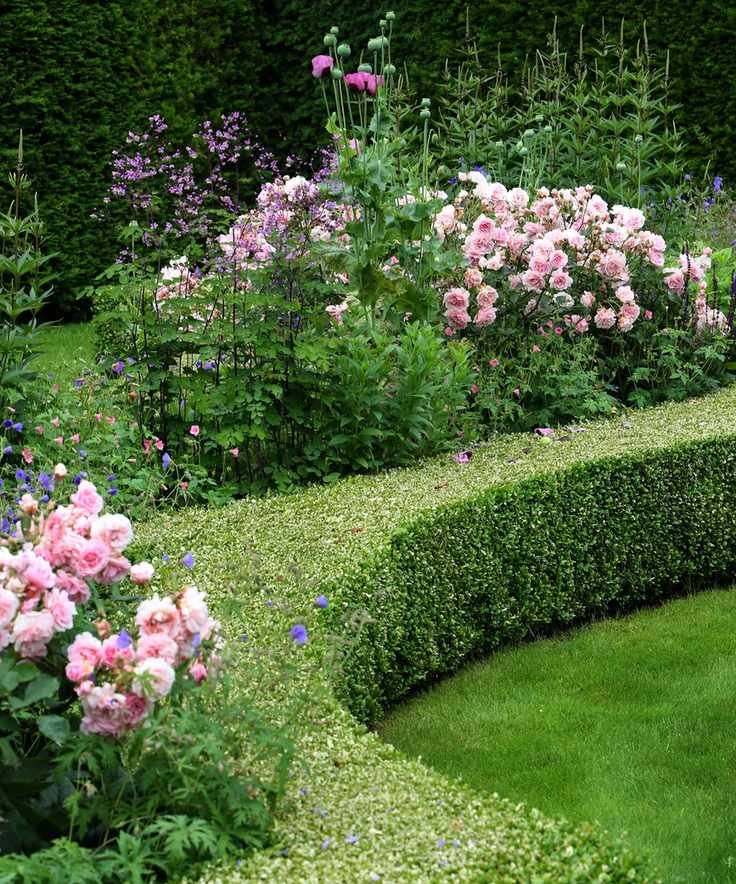
As a practical note, avoid making flower beds too wide. “You need to be able to approach the roses for admiration and care without stepping on the underplanting,” advises designer Richard Miers.
“Roses can thrive in all garden aspects, but south, east, and west exposures yield the most variety. Aim to plant them within sight of your home,” Richard adds.

Creating a Naturalistic Rose Garden
“To design a naturalistic rose garden, combine roses with ornamental grasses and perennials, allowing them to coexist harmoniously,” suggests designer Colm Joseph.
Here are tips for integrating roses into a natural planting scheme:
- Select roses with simpler, open blooms akin to wild or hedgerow varieties, avoiding overly ornate types. Consider wild roses like Rosa virginiana or Rosa glauca, which are resilient and produce attractive hips for fall and winter interest.
- Opt for a muted color palette with whites, soft pinks, and purples rather than vibrant hues.
- Choose roses that generate hips to enhance seasonal interest and minimize maintenance. Allow flowers to fade naturally to enjoy their hips later in the year.
- When selecting perennials and grasses, focus on those that provide continuous structural interest or blooms from spring through winter, steering clear of plants that may die back in late summer or fall. Grasses like Sesleria autumnalis and Calamagrostis varieties pair well with roses. Consider perennials like Salvia nemorosa or Aster ‘Little Carlow’ as great companions.
- Smaller modern rambling roses fit perfectly into naturalistic designs. Let them arch freely among adjacent grasses and perennials. These varieties can be pruned back each year, simplifying maintenance.

Choosing Rose Varieties
“One of the joys of roses is their incredible variety, from compact plants to towering specimens, and flowers ranging from tiny to enormous,” notes Michael Marriott.
“They encompass nearly every color except blue, with many scents, so vary your selections,” he adds.
When selecting roses, consider the space they will occupy and the surrounding environment.

“Most gardeners prefer plants that offer long-lasting interest, and varieties like floribundas, Hybrid Teas, and climbers bloom from April or May through to Christmas,” explains David Stevens, who shares some favorites:
- Patio roses are compact and perfect for smaller spaces. Try Rosa 'Pretty Polly' in lovely pink, or 'Bella Rosa,' a delightful lemon with pink edges.
- For floribundas, consider the stunning red 'Balmoral.'
- Hybrid Tea roses are known for their larger blooms and taller stature.
- Climbing roses often bloom repeatedly, while ramblers typically have a single spectacular flowering phase.
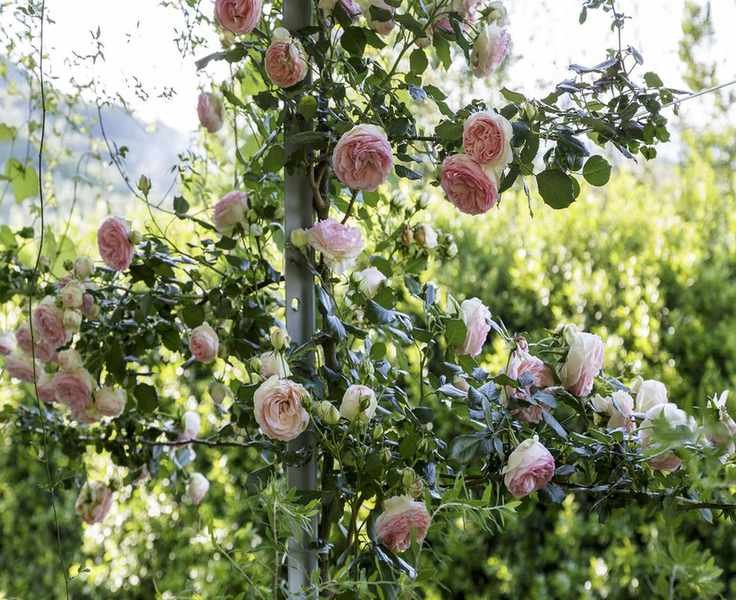
While many roses offer continuous blooms, incorporating some once-flowering old roses adds unique character.
“Varying heights in a border is essential. In formal gardens, use tree roses or climbers on supports like obelisks or arches. In informal settings, many tall varieties can enhance the back of the border,” explains Michael Marriott.

Mixing Rose Colors
In formal rose gardens, colors are often organized for maximum visual impact, while informal designs provide more freedom for experimentation.
“Most roses blend well, except for Hybrid Teas, which have strong colors and upright growth that clash with older and English roses,” says Michael Marriott.
Choose a monochromatic palette or a diverse one, but consider rose placement in your garden.
“Warm colors attract attention, while cool tones recede. For instance, placing vibrant reds, oranges, or yellows at a distance draws the eye, whereas softer pastels can be kept closer to the house,” advises David Stevens.
“Color selection is crucial. For an all-pink theme, ensure the shades harmonize well,” adds Jo Thompson.

Companion Plants for Roses
Numerous companion plants complement roses beautifully.
Include biennials and annuals alongside perennials to create a vibrant ensemble.
“Let your creativity shine when selecting companion plants. Some great options include clematis, astrantia, salvias, and asters,” notes designer Richard Miers.
“Consider the backdrop for your roses to enhance their visual appeal. Yew works wonderfully in larger gardens, while roses and box are a classic pairing. Lavender also makes a great companion,” suggests designer Claire Merriman.
Jo Thompson recommends hardy geraniums, Alchemilla mollis, and alliums as excellent companions.

Sun and Shade Requirements for Roses
“Roses generally thrive in sunlight for at least half the day. While some varieties tolerate shade better than others, more sun typically leads to more blooms. Shelter is also crucial for many types,” explains Claire Merriman.
In warmer regions, shade from the afternoon sun can be beneficial.
Plants to Avoid Around Roses
Steer clear of planting trees or large hedges near roses.
“Roses struggle in shaded areas due to reduced sunlight and root competition. It’s essential to minimize root competition, especially from large hedges,” notes Michael Marriott.
Avoid invasive plants that could overtake the rose's space and hinder access to water and nutrients,” he adds.


