

Drift roses are a delightful blend of miniature and groundcover roses, typically reaching about two feet in height. Despite their compact size, they offer vibrant splashes of color, making them perfect for various backyard ideas.
Available in shades like red, yellow, pink, and white, drift roses are versatile and thrive as low-maintenance, long-blooming plants. They can either stand alone in a rose garden or enhance a mixed flower bed.
If you’re seeking new varieties of roses to cultivate, drift roses are ideal for U.S. hardiness zones 5-10 and require minimal upkeep. Here’s a closer look at when and how to prune them for a healthy, vibrant bloom display.

Drift roses may be small, but they create a striking impact.
Best Spots for Drift Roses in Your Backyard
Drift roses are excellent choices for landscaping if you prefer a beautiful, low-growing, and hardy option. Ideally, they need a sunny area receiving 6-8 hours of sunlight daily.
These roses also adapt well to container gardening on sunny patios or decks. Check out the full selection of drift roses available at Perfect Plants.
Optimal Timing for Pruning Drift Roses
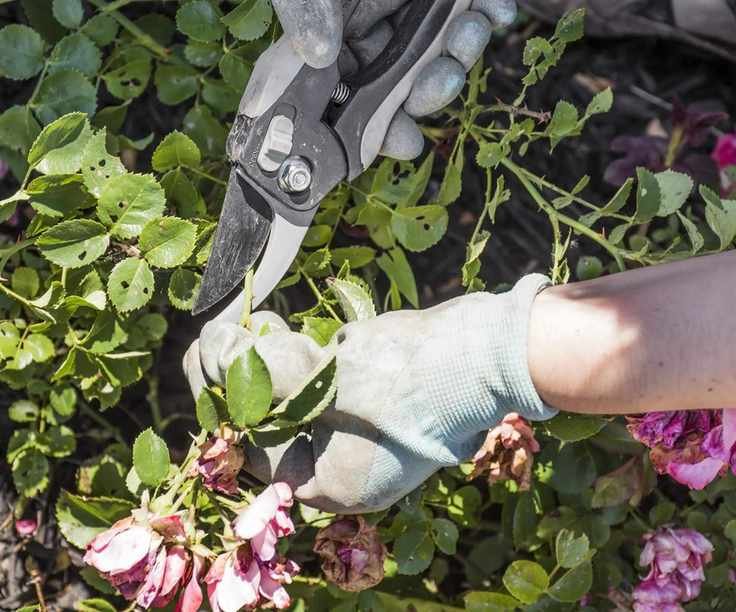
Regular pruning and deadheading are vital for drift rose care.
While drift roses don’t absolutely need pruning, they significantly benefit from it. Pruning helps maintain their size, promotes health, and encourages a fantastic bloom display each season.
The best time to prune is late winter or early spring, just before new growth appears. If you notice the first leaves starting, it’s time to grab your tools.
According to Alex Kantor from Perfect Plants Nursery, “Ideal months are usually March or April,” although this can vary based on your US hardiness zone. This timing allows for the removal of dead or diseased wood while shaping the plant for a compact look as the growing season begins.
Pruning after early spring is acceptable for deadheading or to remove any dead or damaged branches throughout summer. Avoid pruning during extreme heat or cold, as this can stress the plant. Late fall pruning is also a pruning mistake since it triggers new growth that winter can damage, increasing the risk of disease.

Steps to Prune Drift Roses Effectively

Prepare to prune drift roses during late winter or early spring.
Pruning drift roses is straightforward and requires minimal tools. You’ll need pruning shears and thick gardening gloves, such as these rose pruning gloves available at Amazon to shield yourself from thorns. Ensure your tools are clean and sharp to avoid spreading rose diseases.
- Start by cutting away any damaged or dead branches to promote healthier growth and prevent disease spread.
- Next, thin out the center by removing some older canes to enhance air circulation and light penetration, reducing fungal infection risks.
- Trim the remaining canes back by about one-third, cutting just above an outward-facing bud. This promotes outward growth and a fuller look.
- Trimming long stems helps maintain the natural compact form of drift roses. Step back occasionally while pruning to ensure the shrub appears balanced.
- Consider the potential regrowth when deciding how much to prune. Experts from Star Roses and Plants, the creators of drift roses, state they can triple in size by season's end after pruning.
- How much you trim off is up to how large you want the shrub to grow. Drift roses can handle a hard annual cut back to around 6-8 inches to stay compact.
- After pruning, apply a layer of mulch around the base to retain moisture, suppress weeds, and enrich the soil as it decomposes.
Common Questions
Should You Deadhead Drift Roses?
Yes, deadheading is a beneficial practice that extends the blooming season and maximizes flower production. Gabie DeSiena, a lead horticulturist, advises cutting spent flower heads at the base of the stem. Stop deadheading two months before your area's average first frost date.
Drift roses are a modern blend of miniature and groundcover roses, with original miniature types growing only up to 18 inches tall. They’re perfect for small backyard ideas or container gardening on decks or balconies.



