Fountain grass, or pennisetum, refers to various warm-season deciduous grasses popular in gardens. These plants are admired for their elegant feathery flower spikes, which come in diverse colors and sizes, making them easy to cultivate and care for.
Although fountain grass is relatively low-maintenance, it needs annual pruning. Trimming back old foliage is essential to promote fresh growth and maintain plant health.
All ornamental grasses benefit from yearly cutting, whether they are evergreen or deciduous. Fountain grass, being deciduous, dies back each winter and requires significant pruning.

Fountain grass is cherished for its delicate plumes
Is Pruning Fountain Grass Necessary?
Absolutely! Regular pruning is vital for fountain grass to thrive and look its best. To ease the task of trimming, we’ll explore the optimal times and methods for cutting back your plants.
Purple Fountain Grass showcases stunning burgundy-red foliage throughout the seasons, complemented by fluffy purple flower spikes.
Best Times to Prune Fountain Grass
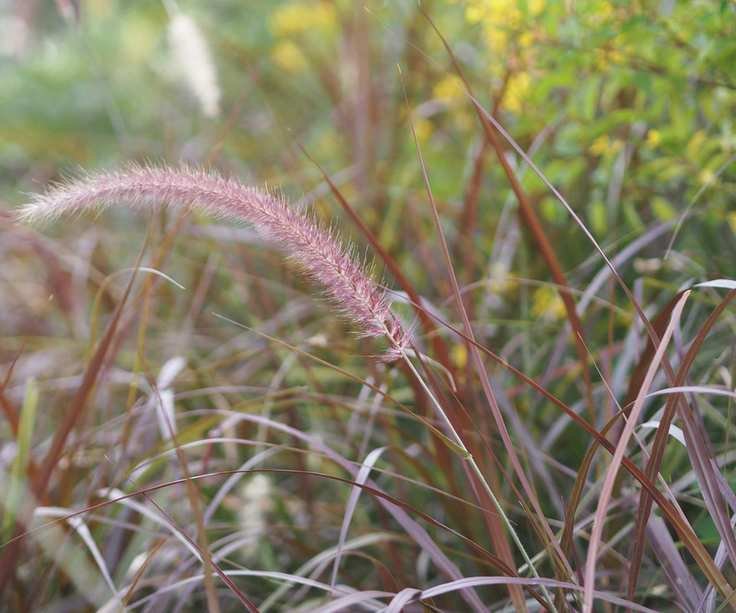
Trimming fountain grass encourages new growth
There are two main times to prune fountain grass, depending on your climate and garden preferences.
As a warm-season grass, fountain grass turns brown as winter sets in. While it may appear lifeless, it can still add structure and movement to a winter garden. Many gardeners choose to prune in spring, starting from February, to retain the aesthetic appeal during colder months.
However, in colder climates, autumn may be a better time for pruning. Cutting back in fall can safeguard the plant’s crown from winter damage, such as crown splitting or excess moisture from snow or rain. Some prefer to tackle this task in fall for a cleaner winter landscape.
“Late fall is ideal for cutting back fountain grass in colder regions as the crown will go dormant and the snow cover will insulate it,” advises a plant expert. “In warmer areas, early spring is suitable if you enjoy the seed heads and fall colors through winter.”
It’s crucial to prune fountain grass before it begins to actively grow again in mid-to-late spring. Delaying this can lead to challenges in distinguishing old growth from new shoots, potentially harming this year's growth.
Steps for Pruning Fountain Grass
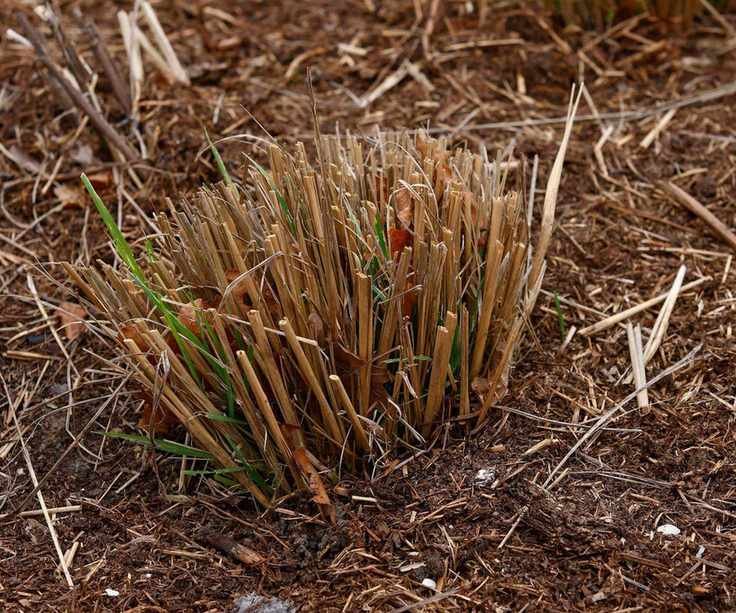
Fountain grass should be pruned annually
Pruning fountain grass is quick and straightforward, contributing to its popularity in landscaping.
You'll need a few essential gardening tools for this task, such as sharp pruning shears. Remember to wear gloves and long sleeves to protect against sharp blades.
Start by gathering the foliage together and securing it with string. This method simplifies the process of cutting the dead stems, making cleanup easier.
“Remove all dead growth up to six inches from the plant’s base to create space for new growth and shape the plant for the upcoming season,” suggests an expert. “Avoid cutting too low, as this can damage the crown responsible for new growth.”
You only need to ensure the grass is trimmed before the new season starts, allowing for healthy growth.
If you’re managing fountain grass in winter, it’s a resilient ornamental plant suitable for US hardiness zones 5-11. In colder zones, consider lifting and cutting back the plant, placing it in a container to keep it alive during dormancy until spring.
For those with evergreen grasses, the pruning method differs. Instead of cutting them back, gently comb through to remove dead stems and leaves.