
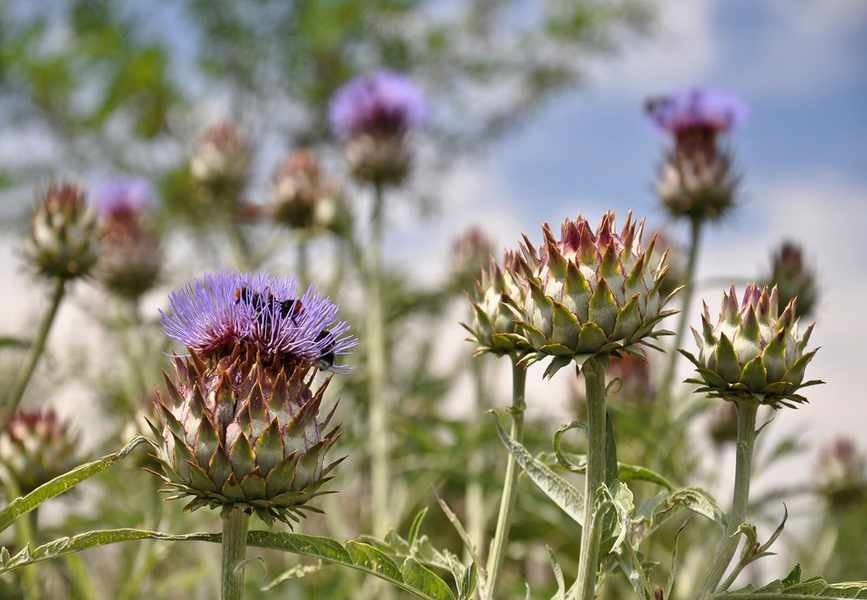
Incorporating giant plants into your landscape can significantly enhance visual interest. Landscape designers have long favored these towering specimens, which expand growing spaces and seamlessly blend with the environment, bringing a polished look to your yard.
Not only do giant plants make practical design sense, but they’re also trending now. This bold, high-impact style mirrors the current trend in maximalist interior design, bringing vibrant energy to our gardens.
If you're aiming to elevate your garden’s appeal, explore how to craft a maximalist border with these standout oversized plants.
9 Giant Plants to Create Living Sculptures in Your Yard
Selecting larger plants to introduce drama and sculptural appeal can seem overwhelming, but there are many reliable options to consider.
Globe Artichoke
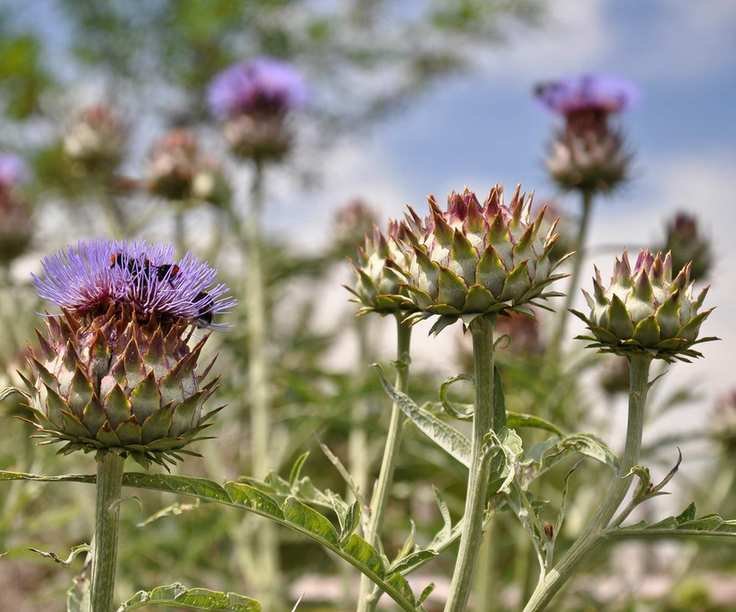
This striking perennial features jagged silver foliage and plump buds that bloom into vibrant purple thistle-like flowers. Globe artichokes, or Cynara cardunculus Scolymus Group, reach heights of 3-5ft (1.5m) and make an impressive backdrop for borders or vegetable patches.
The buds atop sturdy stems provide a stunning summer display, and they’re edible too! Thriving in USDA hardiness zones 7-10, they require a sunny spot with well-drained soil. Divide clumps every four to five years for optimal growth.
Look for the 'Violet de Provence' seeds at Eden Brothers and 'Green Globe' seeds from Walmart.
Pride of Madeira
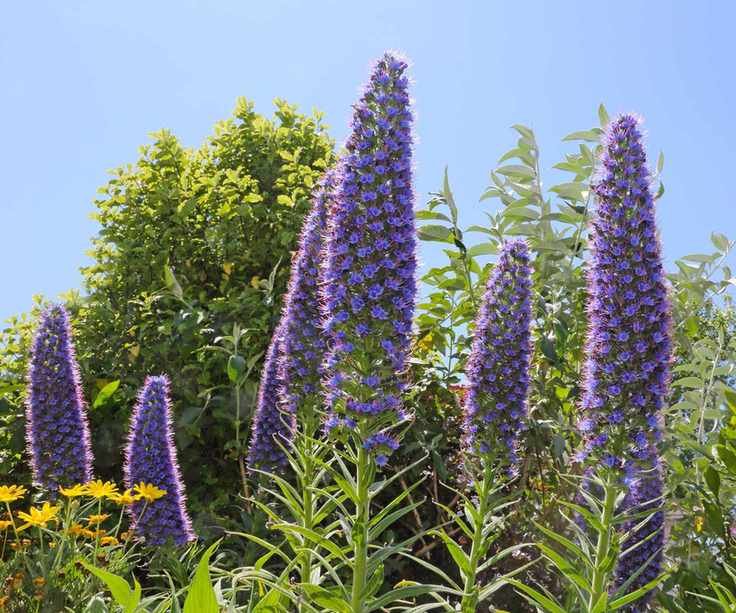
You may recognize Echium candicans, or pride of Madeira, from coastal vacations. This plant, adorned with tall floral spires covered in blue blooms, can reach heights of 4’9” to 8’2” (1.5 - 2.5m), making it a stunning addition to any garden.
These sun-loving perennials thrive in USDA zones 3a-10b, provided they’re not waterlogged. Their flower spikes, growing up to 20” long (50.8cm), attract pollinators like bees and hummingbirds, making it a perfect centerpiece for a butterfly garden.
Russian Sage
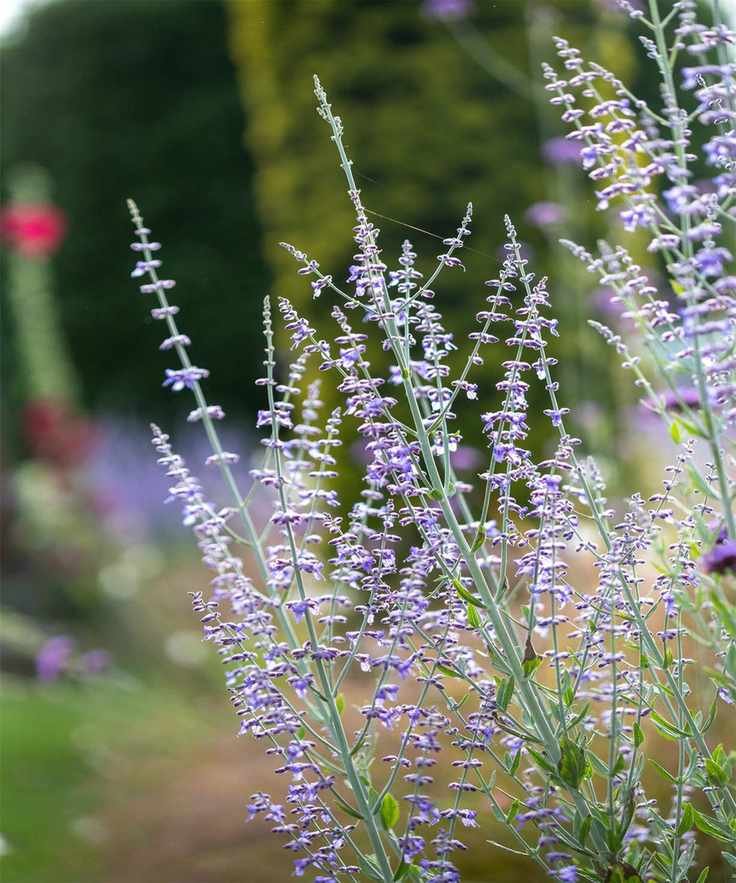
Russian Sage, or Perovskia atriplicifolia, is a tall, airy perennial ideal for the back of herbaceous borders. With slender silver-white stems and violet-blue flowers, it offers a striking contrast to flowering plants.
Plant in clusters for a lush effect, spacing them about 2 feet apart. This hardy plant grows 3-5 feet tall (91cm-152cm) and thrives in full sun with well-drained soil, making it suitable for USDA zones 4-9.
Giant Sea Holly

Giant Sea Holly, or Eryngium giganteum, showcases silvery branching stems and spiny rosettes topped with thistle-like flowers. This striking plant grows up to 2’3” (70cm) and is a magnet for bees.
Blooming from June to September, it thrives in USDA zones 4 to 9, tolerating poor, dry soil. Add it to your drought-tolerant garden for a unique architectural feature.
Giant Black Eyed Susan
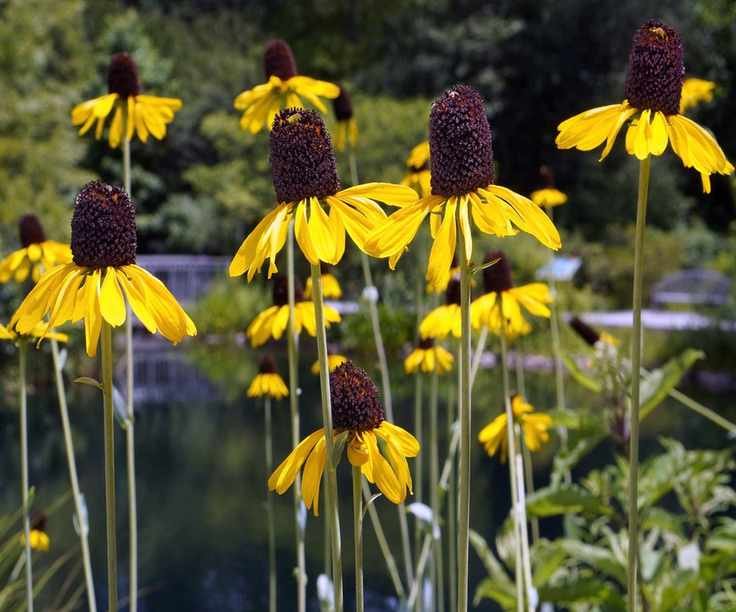
Giant Black Eyed Susan, or Rudbeckia Maxima, towers up to 6 feet and boasts striking blue-tinged leaves. Its golden flowers with prominent black centers attract pollinators and birds alike.
This spectacular plant, best suited for USDA zones 4 to 9, flourishes in sunny, moist soil. Even post-bloom, the dried seed heads provide winter sustenance for birds.
Canna Lily

Canna lilies, known for their vibrant flowers and large leaves, are often found at the back of borders or in pots. These plants can grow up to 6ft (1.8m) tall, showcasing fiery blooms in red, orange, and yellow.
Thriving in USDA zones 8 to 11, they’re best grown as annuals in cooler areas. Starting canna from rhizomes is recommended, using a pot with good drainage.
Joe-Pye Weed

Joe-Pye Weed, or Eupatorium perfoliatum, is a native perennial perfect for back borders. This low-maintenance plant reaches about 4ft (1.2m) and attracts late summer pollinators with its billowy clouds of pink-purple flowers.
Thriving in damp conditions, it prefers USDA zones 2-10. Keep the soil moist and cut back in late fall or early spring for fresh growth.
Giant Scabious
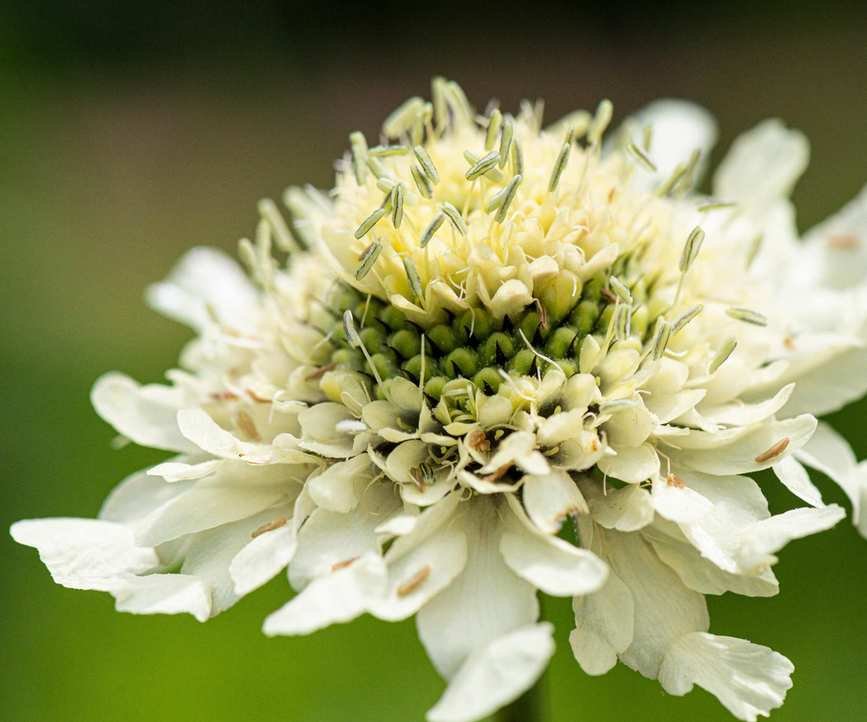
Giant Scabious, or Cephalaria gigantea, features ruffled cream flowers atop tall stems, reaching an impressive 5ft 9” (180cm). These blooms are a delight for pollinators and create stunning seed heads for winter interest.
Well-suited for USDA zones 3 to 7, this plant flourishes in sun or part shade, adding texture and form to any garden.
Cleyera
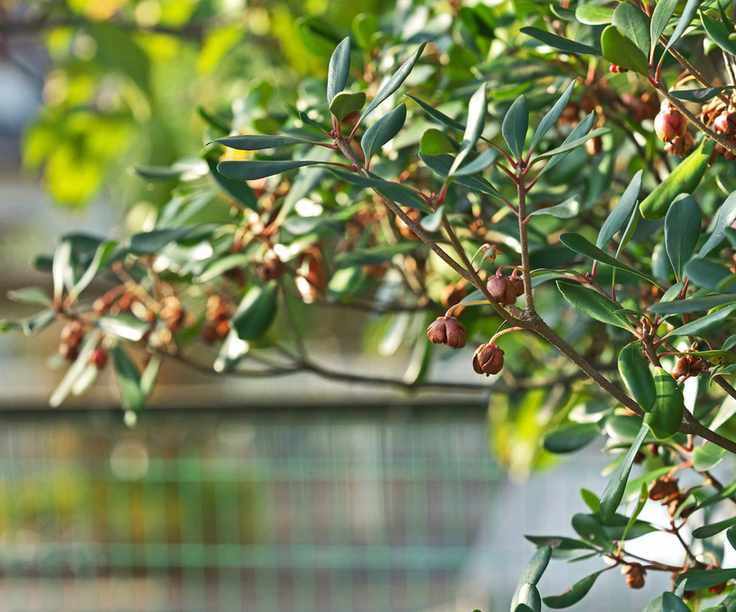
Ternstroemia gymnanthera 'Sotall', commonly known as Cleyera, is a fast-growing evergreen shrub that can reach 15-20ft (4.5-6m) tall. This resilient plant thrives in USDA zones 7a to 10b, preferring full sun or partial shade.
Linda Vater, a garden design expert, emphasizes the grandeur of these plants for creating lush backdrops. Cleyera's dense foliage can be pruned and shaped, making it an excellent choice for gardeners looking to make a statement.
If you adore bold plant choices, consider incorporating giant houseplants for a stunning indoor display.



