What does it really cost to operate a dehumidifier? With rising energy prices, understanding the expenses associated with essential appliances is crucial. Despite their advantages, it's wise to evaluate how to minimize your dehumidifier's running costs.
After selecting the ideal dehumidifier for your space, you'll want to make the most of its benefits. If you're looking to eliminate window condensation or combat mold and bacteria, a dehumidifier is a smart choice. Fortunately, there are strategies for maintaining a dry environment without overspending.
Here's a breakdown of the costs involved in running a dehumidifier and tips from experts to help you save money.
What is the cost of running a dehumidifier?
According to finance expert Matt Shirley, the monthly expense averages around $25 for a standard 500W dehumidifier. However, costs can vary based on the device's size, its energy consumption, your usage habits, and local electricity rates.
For instance, a robust 700W dehumidifier operating continuously in an area with a $0.20 per kWh electricity rate could lead to monthly bills of approximately $100, Matt notes.
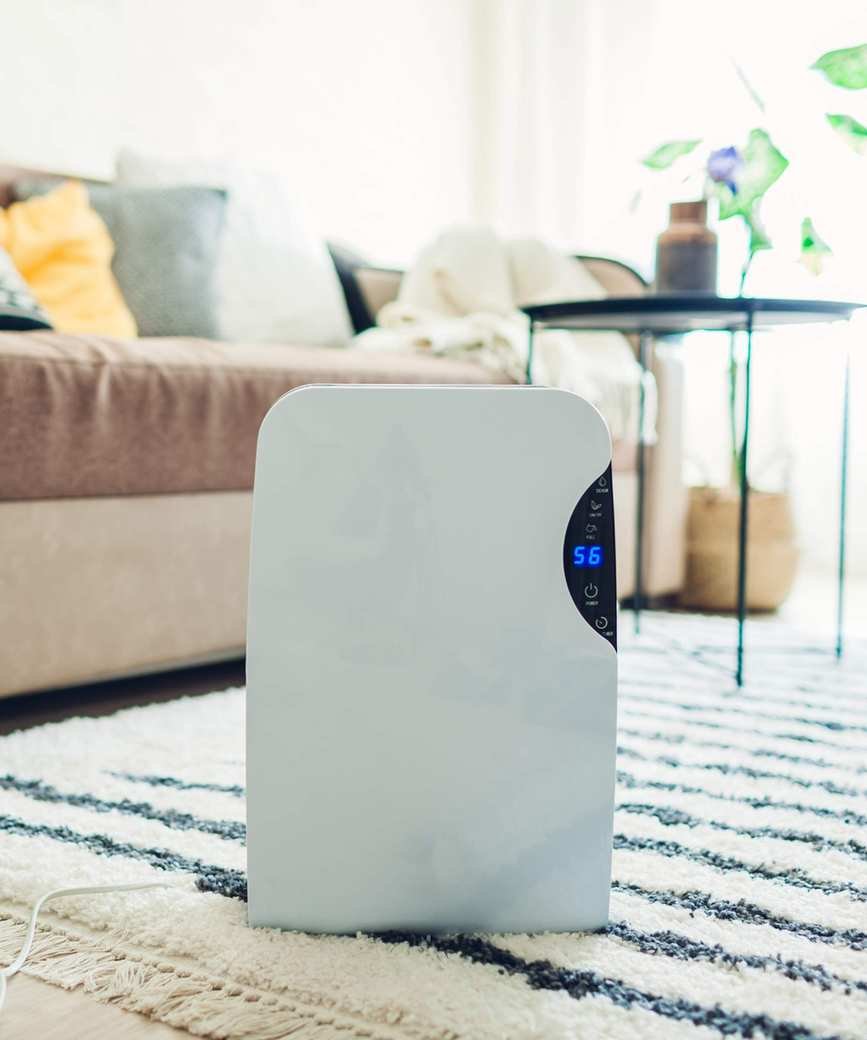
Sarah Levine adds that if humidity levels reach 45% in a Florida home, the dehumidifier may run non-stop, increasing energy costs. However, she points out that many modern dehumidifiers are energy-efficient and carry Energy Star certifications, adhering to strict energy performance standards.
Do dehumidifiers consume a lot of electricity?
Kerry Sherin, a consumer advocate, explains that dehumidifiers can vary significantly in their energy usage, with some models using up to 250 watts per hour. To determine the exact wattage of your unit, check the manual or the specifications listed on the device.
She notes that Energy Star-rated units are generally more efficient than older models, while whole-home dehumidifiers tend to use more energy than portable versions.
Ways to reduce dehumidifier expenses
Even though winter is approaching, keeping your space cool can still be a concern. A dehumidifier can help with this. Here are expert recommendations for minimizing your costs.
1. Choose an Energy Star dehumidifier
Opt for dehumidifiers with Energy Star ratings, as they offer superior energy efficiency. Kerry advises considering the long-term operating costs when selecting a model. An Energy Star dehumidifier will likely result in lower expenses over time.
2. Utilize your dehumidifier in winter
While winterizing your home, don't overlook your dehumidifier. Running it in conjunction with your heating system can make your space feel warmer, allowing you to lower your thermostat settings and ultimately reduce electrical bills.
As Kerry explains, maintaining lower humidity makes the air feel warmer, helping you save energy during the colder months.
3. Manage humidity levels naturally
One effective way to decrease dehumidifier costs is by minimizing humidity levels before using the appliance. Kerry suggests ensuring that kitchen and bathroom exhaust fans are operational. Additionally, opening windows after showers and while cooking can help, as can keeping lids on pots while cooking.
Should you operate a dehumidifier in winter?
Absolutely! Kerry recommends using a dehumidifier in winter, as it can help lower energy costs. Running it alongside your heating system will create a warmer atmosphere, contributing to energy savings.