
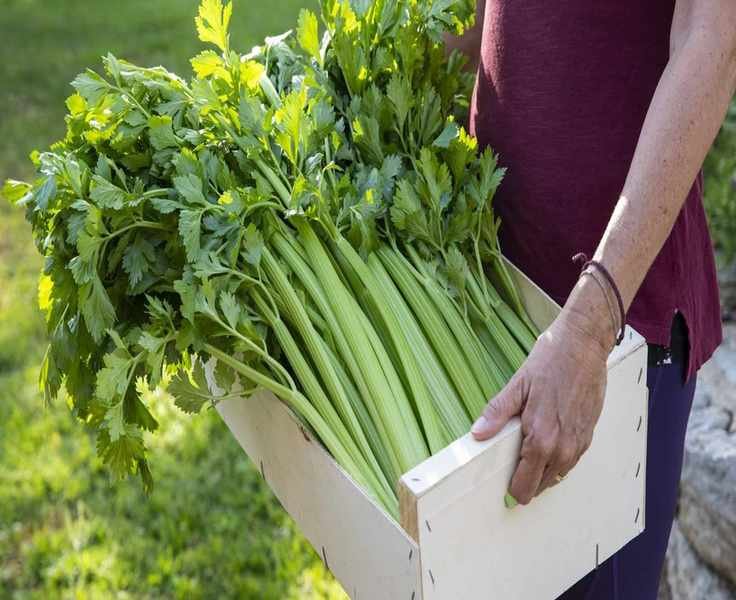
Celery, known for its crunchy texture, is a cool-season vegetable often used in salads and for flavoring dishes. You can easily regenerate it by sprouting its base, allowing you to harvest fresh plants at no cost.
These rejuvenated plants, often derived from kitchen scraps, can be cultivated indoors or outdoors, guaranteeing a bountiful harvest.
Learning how to regrow celery means you can enjoy a plentiful supply of stems, which can be harvested and then re-sprouted for future crops.
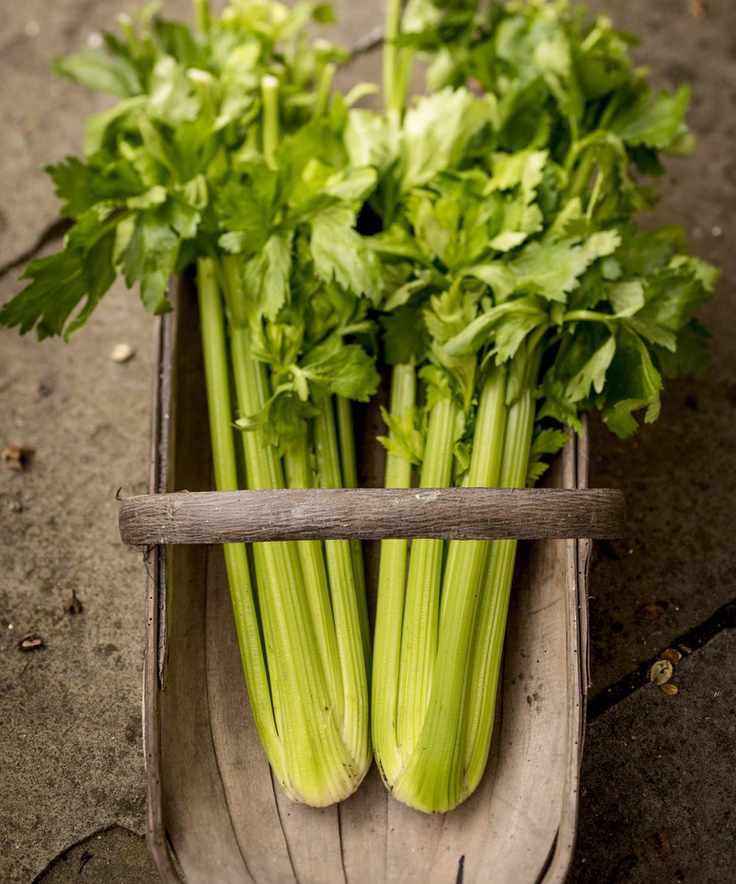
Harvest celery stalks once they reach a minimum height of six inches.
Essential Tips for Regrowing Celery from Scraps
While celery is typically grown from seeds, it can also be effortlessly regrown from scraps indoors with minimal equipment. It sprouts rapidly and can thrive in various settings.
You can grow celery in a pot indoors, in containers outdoors, or in the garden soil, all of which can yield a rewarding harvest. This project is a wonderful way to engage young families in gardening.
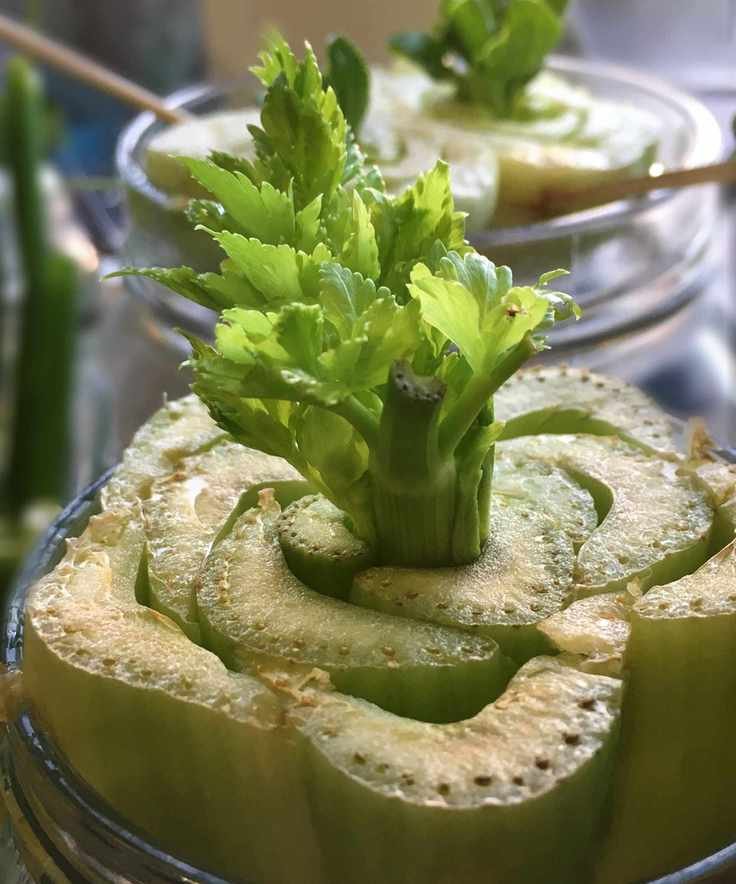
Celery bases will begin sprouting quickly in water.
Steps to Sprout Celery in Water
To sprout celery in water, follow these straightforward steps:
- Cut the root base of a celery bunch about two inches from the bottom.
- Place the base in a shallow dish with one inch of water.
- Set the dish on a windowsill that receives ample sunlight—aim for at least five hours a day.
- Change the water every two days.
- Within a few days, small leaves will appear, followed by stems and roots within a week.
- Once roots reach one inch long, transplant the sprouted celery into a container or garden soil.
For optimal growth conditions, Bryan Tan, a gardening expert, suggests placing the sprouting celery in a well-lit, ventilated area. Use a grow light if necessary, and maintain temperatures between 65-75°F.
You can also skip the water sprouting phase and plant the celery base directly into moist soil. John Stephens, a gardening editor, notes that both methods can produce excellent results, but require sufficient sunlight, moisture, and warmth.
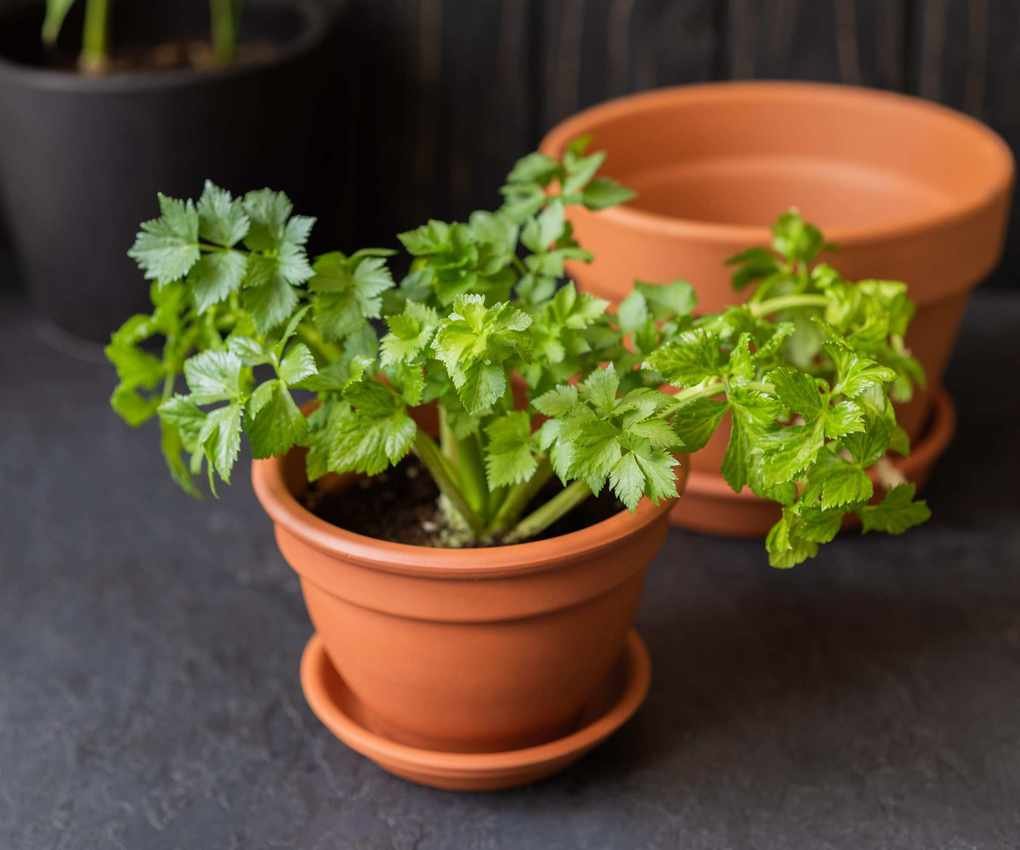
A single celery plant thrives well in a 12-inch pot.
Transplanting a Sprouted Celery Stalk
Once the celery stalk has sprouted roots of about one inch, transfer it to a container or the garden. Leaving it in water too long may cause rot.
You have two options for planting:
1. Container Planting
For container planting, select a pot that is at least 12 inches wide with drainage holes. Fill it with high-quality potting compost mixed with a slow-release fertilizer, as celery requires nutrients. Create a hole in the compost, insert the sprouted celery base, and pack more compost around it. Water thoroughly and position it in a sunny location.
Lindsey Hyland, another gardening expert, emphasizes the need for adequate sunlight to ensure even growth. Celery can grow well in shaded areas, which helps retain moisture and produces tender stalks.
For optimal growth, plant celery from scraps in early spring to mid-summer when soil temperatures range from 60-70°F. If growing indoors, ensure it receives six hours of direct sunlight daily and keep the soil consistently moist.
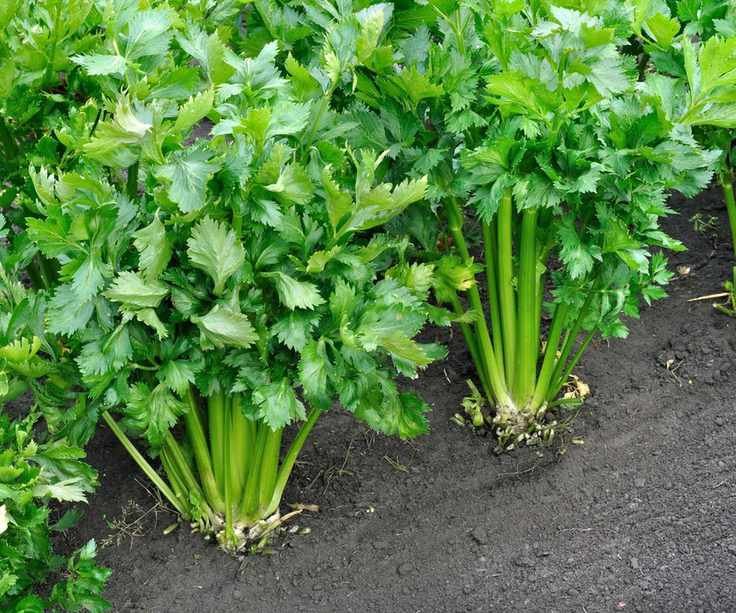
Celery thrives with ample water during its growing season.
2. Outdoor Planting
You can transplant the sprouted celery directly into your yard. Wait until the danger of frost has passed and nighttime temperatures are consistently above 40°F. The soil temperature should be at least 50°F for healthy outdoor growth.
Celery is best planted outdoors in early spring or summer, though you can start earlier if using a greenhouse or polytunnel.
Ensure the soil retains moisture and is slightly alkaline. Check the soil pH and make necessary amendments to raise it if acidic. Enrich the planting area with well-rotted manure or compost before planting the sprouted celery.
Zeeshan Haider, an expert, advises that the soil should be nutrient-rich and well-draining, with plenty of sunlight.
When planting in the garden, space seedlings 8-12 inches apart, water regularly, and provide consistent sunlight. Celery is a heavy feeder, so fertilization should be regular. With patience, you'll soon enjoy homegrown celery!
Consistent watering is crucial for celery, which should never dry out. Plan your watering schedule wisely, especially before dry spells. Celery requires substantial water throughout its growth phase and should be fertilized every two weeks during summer if planted in pots.
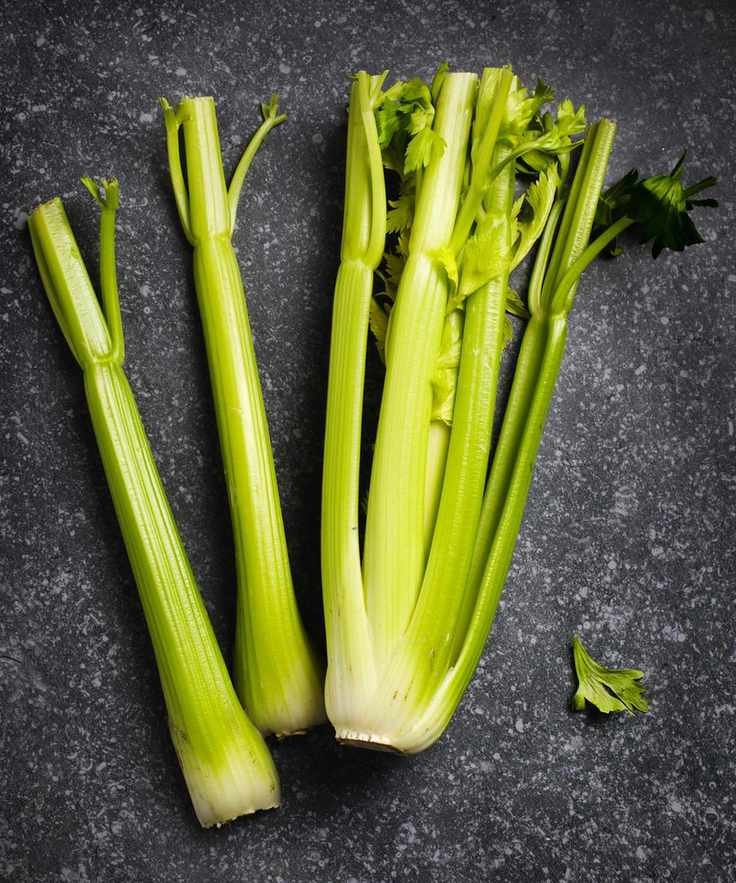
Celery adds flavor and crunch to your favorite dishes.
Duration for Growing Celery from a Stalk
Growing celery from a stalk is faster than from seeds, typically taking 3-5 months from placing the cut-off base in water to harvesting a bunch. The desired stalk size may vary by preference. Celery grown from scraps might be thinner and tougher than store-bought varieties but is still suitable for cooking.
You can harvest the entire clump at ground level or take individual stalks as needed, encouraging new growth. Continue harvesting smaller stalks or allow them to mature fully before re-sprouting the base after use.



