
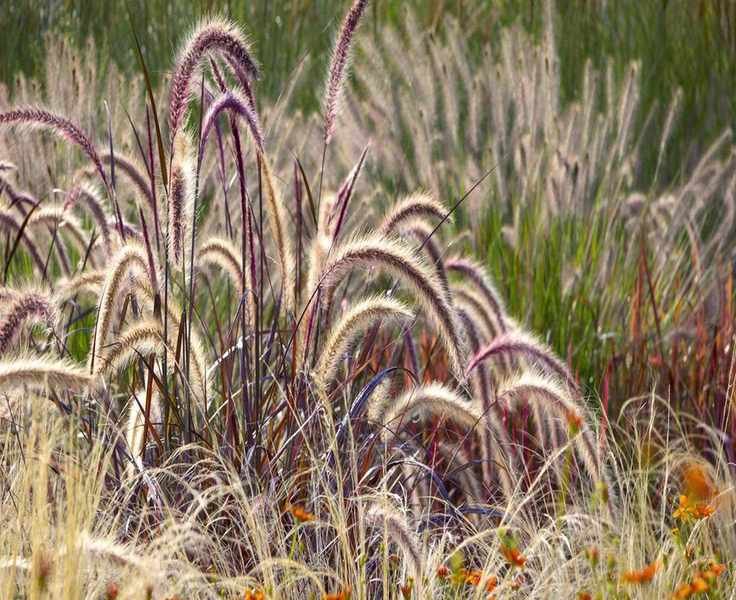
Add beauty and structure to your garden with various ornamental grasses, each offering unique sizes and colors. Regular maintenance is essential to ensure they thrive and look their best.
February is often the perfect month to tidy your ornamental grasses as winter transitions to spring. The pruning process is generally straightforward, depending on the grass type.
Deciduous grasses require annual pruning, while evergreen varieties typically need a lighter touch. Here's a look at popular ornamental grasses and their February trimming needs.

Essential Tools for Trimming Ornamental Grasses
To effectively prune ornamental grasses, gather a few basic gardening tools. A pair of sharp and clean pruning shears or a sharp garden knife, along with gloves, are imperative.
Due to the potential for sharp blades, gloves are a must. If you're tackling a larger area, using shears or a hedge trimmer can speed up the process.
FELCO F-2 Pruning Shears
Top-quality pruning shears featuring hardened steel blades, perfect for trimming ornamental grasses.
Hori Hori Garden Knife
A versatile Japanese hori hori knife suitable for various garden tasks, including cutting grasses.
OZERO Garden Gloves
Keep your hands safe while trimming with robust yet flexible leather gloves.
1. Calamagrostis

Also known as feather reed grass, Calamagrostis is a cool-season deciduous grass that boasts tall stems in summer, adding visual interest in fall and winter. The popular 'Karl Foerster' cultivar features stunning yellow flower heads.
Pruning Calamagrostis is straightforward. Gather the grass and trim it to about 10-12 inches above the ground. For safety, wearing long sleeves and gloves is wise due to the sharp blades.
Karl Foerster Feather Reed Grass
This popular ornamental grass captivates with its striking blonde flower spikes.
2. Chasmanthium

Chasmanthium is a native grass featuring vibrant foliage that can reach two feet tall and is marked by flat seed spikes in late summer. This deciduous grass thrives in sunny locations but also adapts well to shade.
In February, cut Chasmanthium back to around three inches tall. Avoid cutting too low to prevent damaging the crown and emerging shoots.
3. Miscanthus

Renowned for their grand summer plumes, Miscanthus varieties come in shades of silver, white, and pink. These deciduous grasses thrive in prairie gardens and can grow up to four feet tall, often with toothed leaves, so wear gloves while pruning.
Prune Miscanthus when you notice new growth at the base, bundling the grass together and trimming it to 10-12 inches above the ground.
4. Panicum

Panicum, or panic grass, is a native switchgrass with green or blue-green leaves that provide stunning fall colors of red and purple.
Depending on your hardiness zone, trim Panicum in the fall or late winter. If heavy snow is common, prune it in fall. If snow isn't an issue, consider waiting until February to cut it back to about six inches from the ground.
5. Festuca

Festuca is a fast-growing grass known for its striking silvery-blue foliage, reaching heights of up to 12 inches. Its low growth makes it a suitable ground cover option.
As an evergreen, Festuca requires minimal trimming in February. Simply tidy up by removing dead foliage and spent flower stalks. If winter damage occurs, you can cut it back to a few inches, and it will regenerate quickly.
6. Carex

Carex is a popular evergreen grass available in a variety of colors. With thousands of species, Carex is a versatile choice for many backyard designs, being hardy and adaptable to various conditions.
In February, tidy Carex by removing old foliage by hand, or cut back more severely every few years to promote healthy growth.
7. Pennisetum
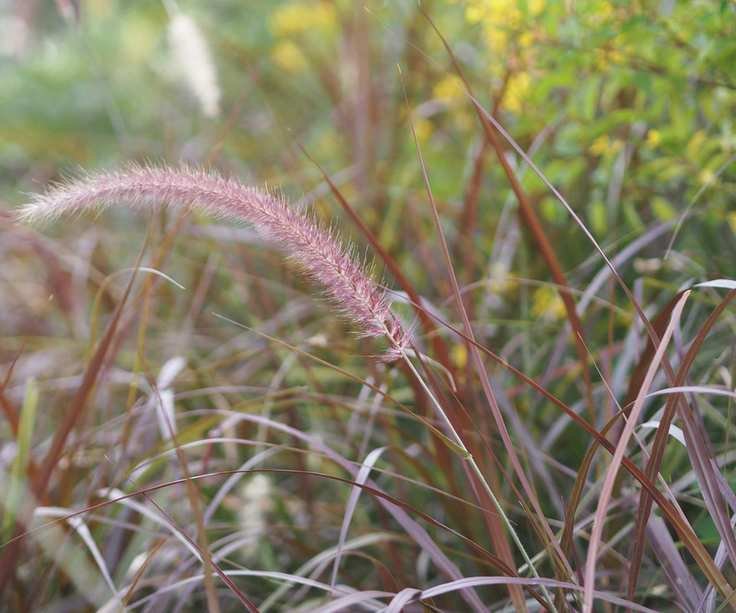
Pennisetum, commonly known as fountain grass, features tall stems adorned with red or white flower spikes. This deciduous grass forms attractive mounded clumps and can have beautifully striped leaves.
While Pennisetum can be left standing during winter for visual interest, prune it in late winter or early spring to about six inches above the ground, being cautious not to disturb the crown.
FAQs
Do grasses require winter pruning?
Both deciduous and evergreen grasses benefit from late winter attention, but only deciduous types need annual cutting back to manage size and encourage new growth in spring.
Should evergreen grasses be pruned?
Evergreen grasses don't need yearly pruning; simply removing old material can refresh them. However, a more significant trim every few years can help maintain their appearance.
After pruning ornamental grasses, you can add the trimmings to your compost pile. Chop or shred the cuttings for best results. If any disease is present, dispose of the material instead of composting.



