
Displaying your beloved art pieces, whether they are paintings or unique items, is essential to giving them the attention they deserve. Choose a focal point for your display, such as a mantelpiece, a prominent shelf, or at the end of a hallway.
Proper lighting is crucial for showcasing art. Since most pieces spend time in artificial light, ensuring they are well-lit enhances their beauty and reveals their true colors, similar to natural light. Uneven lighting can diminish their impact.
Explore our best tips for showcasing items at home.
- See: How to select art for your space – curate a stunning collection
Showing Off Pictures
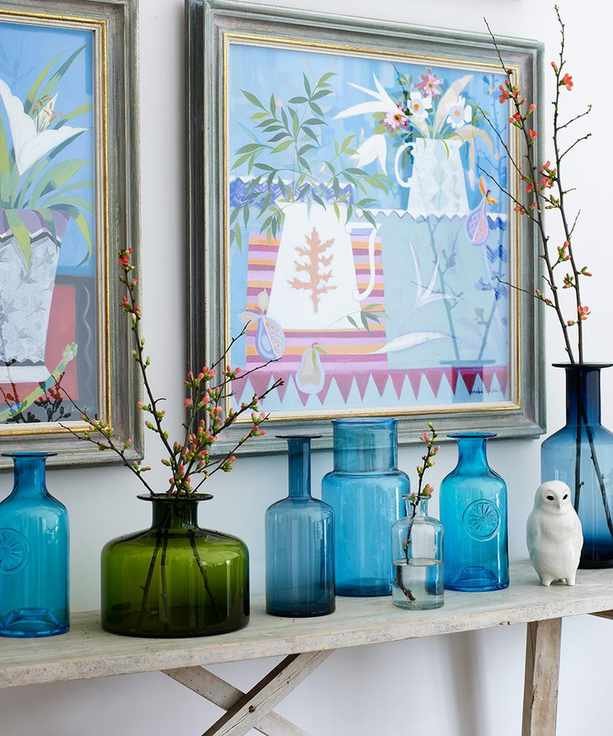
There are various methods to hang pictures, predominantly on walls.
Interior designer Kit Kemp illustrates how grouping pictures can be a powerful way to display art, although it takes some skill to perfect the arrangement.
Wall-mounted paintings can be paired with complementary objets. These colored glass bottles were chosen to harmonize with the colors and theme of the artworks above. Glass ornaments are ideal as they don't overshadow the main attraction.
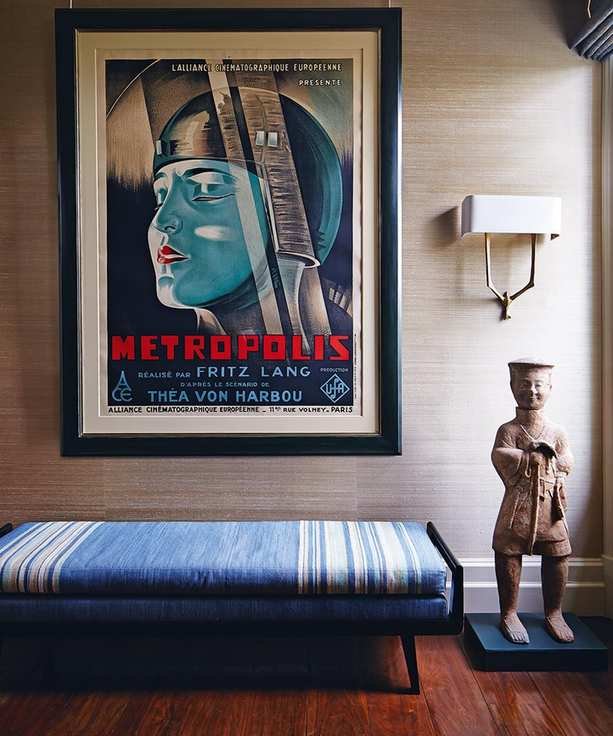
Before hanging pictures, lay them out on the floor. Precise measurements aren't necessary since the spacing may vary when hung. Trust your instincts, but a helpful tip is to place the most impactful image at the top.
Avoid hanging pictures too high – we call it the Cape Canaveral syndrome, where you find yourself looking up as if the pictures might launch into the sky. In spaces with fewer images, consider hanging them lower. Don't forget, not everything needs a frame.

Select frames that complement the artwork (see above); a frame that matches the art will look much better than one that merely matches the room's decor, which may come off as forced.
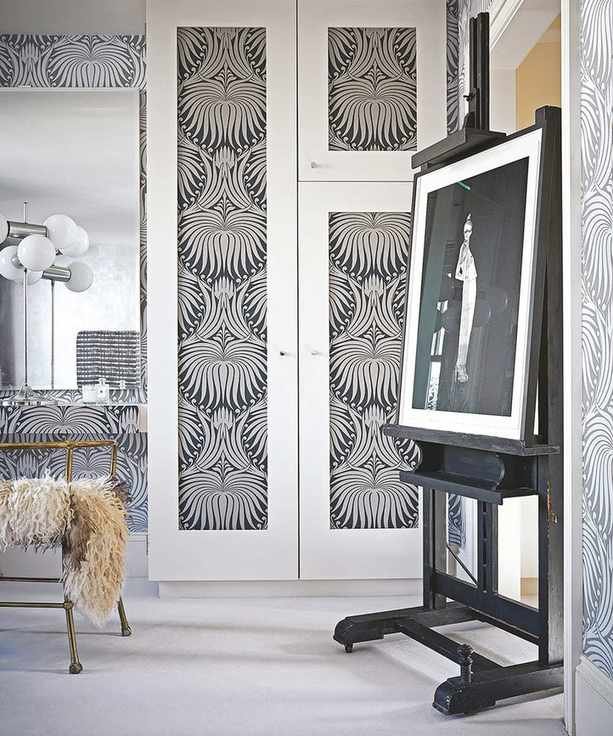
If you have a standout piece you want to feature, displaying it alone is most effective. This screen print by Joanna Ham from Nelly Duff Gallery (above) gets special attention with a large artist's easel. Table-top and floor easels are great for moving artworks around.
Presenting Objects
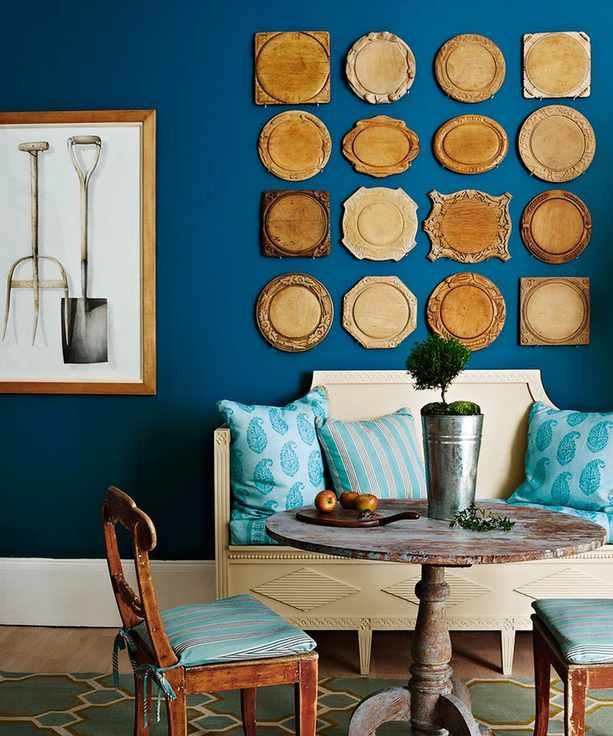
A charming option for a rustic vibe, a collection of vintage chopping boards arranged symmetrically stands out against a deep blue wall, with the wood tones tying in beautifully with the farmhouse aesthetic.
To successfully display objects, keep these tips in mind:
1. Center the display on a wall if hung, or on a shelf or windowsill if standing alone.
2. Mind the background color – a strong contrast enhances visibility.
3. Hang items at eye level – similar to pictures, objects like breadboards, hats, or books look best when the display's focal point is at eye level.
4. Establish a theme – while not every piece needs to serve the same purpose, linking your display through color or material creates cohesion.
5. Ensure adequate lighting – spotlighting or backlighting can significantly enhance the display's appeal.

6. Utilize unexpected spaces for displays – even areas like under the stairs (above) can provide unique display opportunities and create delightful surprises. When grouping items, look for ways they can connect through theme, medium, or origin, as demonstrated with this curated selection of African artifacts.

7. Use tabletops for decorative arrangements – a seldom-used dining table makes a perfect display area, as does a console table in a hallway or an accent table in a living room. When arranging a display of plants, establish a clear size hierarchy among both the plants and their pots for a neat, natural appearance, perfect for a hallway or bright corner.
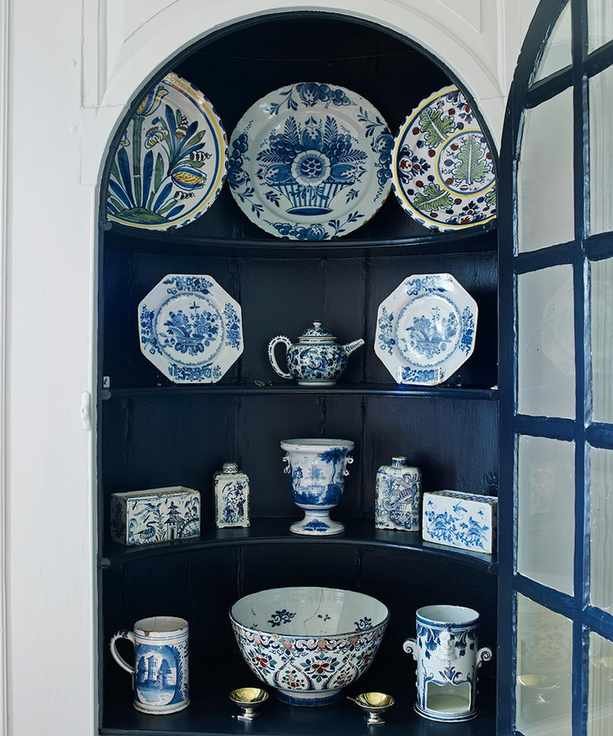
8. Incorporate patterns into your display. Classic blue and white china displays remain timeless. For a relaxed, modern feel, mix various pieces and patterns from different sets. A dark blue backdrop allows their shapes to stand out.


