
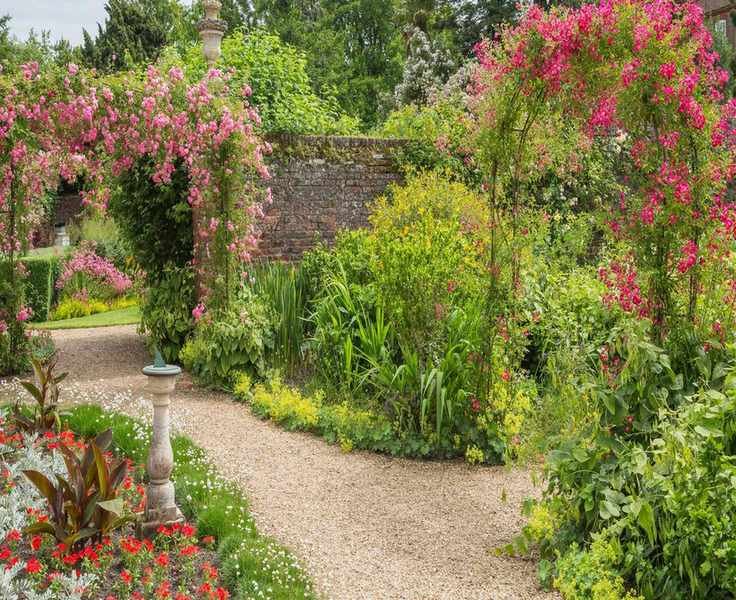
Incorporating key elements of Victorian garden design can transform any modern backyard, regardless of size or location.
Draw inspiration from the innovative spirit of Victorian gardeners to enrich your outdoor space.
Here, experienced gardeners share essential features to consider when planning a garden with a classic touch.
Victorian Garden Design
Victorian garden design showcases a passion for plants, exploration, and creativity. 'These interests merged to create vibrant gardens that celebrated newly discovered plants from around the globe,' explains an expert.
As indoor gardening gained popularity, the use of glass structures became a fashionable way to cultivate plants.
The late 19th century marked the emergence of cottage gardens, featuring lush borders with self-seeding flowers.
1. Create Shaped Beds Filled with Colorful Plants

Thanks to plant exploration and breeding, Victorian gardeners had access to an expanding variety of plants. 'The era saw a surge in vibrant bedding plants,' notes a gardening authority.
This trend led to striking displays in centrally located island beds, which can be adapted to smaller gardens with unique shapes as part of your flower bed concepts.
Common designs included circles, stars, and hearts, incorporating plants like calceolarias, lobelias, pelargoniums, petunias, verbenas, and violas.
2. Construct a Rockery in Victorian Style
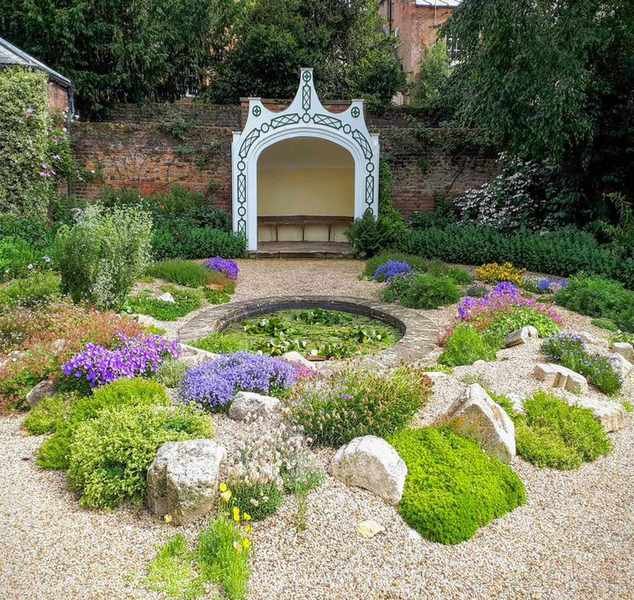
With the influx of plants from mountainous regions, Victorian gardens often featured rockeries.
Gardeners created artificial landscapes that were both naturalistic and accommodating to newly discovered alpine plants.
Inspiration can be drawn from the two rockeries at Peckover House & Gardens.
Utilizing locally sourced stone and brick to blend with the surroundings is key. 'It doesn't need to be expansive, but it should evoke the feel of a rocky area found in nature,' a senior gardener advises.
When selecting plants for your rockery, consider:
- Sun or shade exposure.
- Winter hardiness.
- A mix of compact and low-growing plants, as suggested.
A rockery can bring a unique texture to your garden.
3. Cultivate Exotic Plants Under Glass
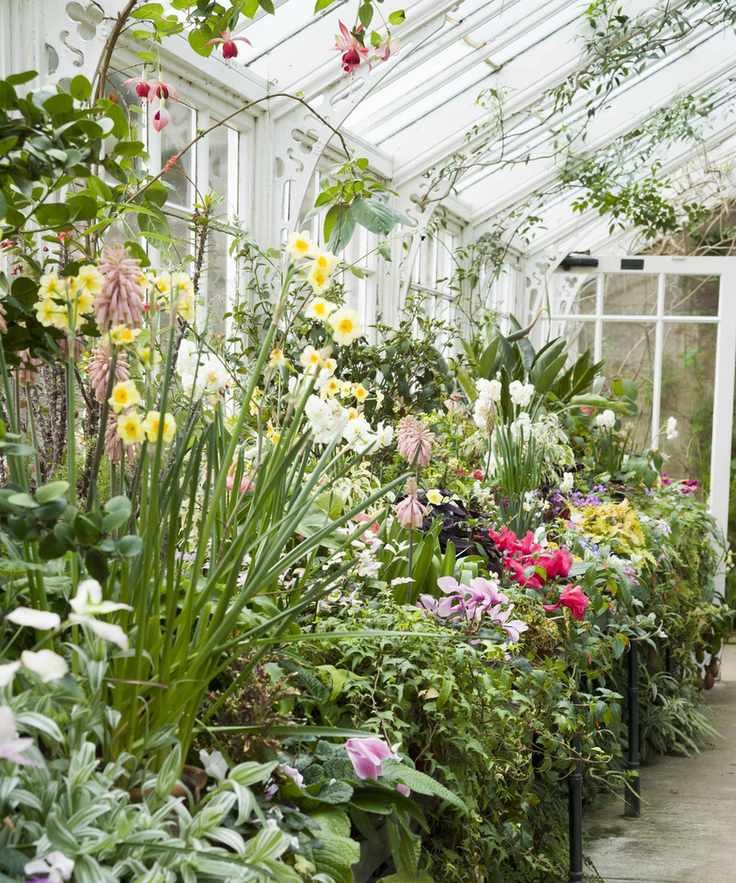
Victorians were pioneers in growing exotic plants under glass. 'They popularized this method, showcasing plants returned by explorers,' an expert explains.
If you live in cooler climates, consider incorporating these plants into greenhouses, summerhouses, or conservatories.
The conservatory at Wallington Garden features stunning floral displays.
A gardener emphasizes the importance of filling the space with vibrant colors and suggests using rich tones like burgundy, deep blue, and gold, while avoiding pastels.
Consider growing from seed and incorporating these exotic plants:
- Heliotropes.
- Coleus.
- Salpiglossis.
- Cleome.
- Large plants like senna.
- Lemon verbena.
- Burgundy abutilon.
- Fuchsias.
4. Embrace Cottage Garden Style

Victorian cottage gardens were known for their romanticized view of rural life, filled with abundant blooms.
A defining characteristic is the dense, informal planting of flowers over foliage, according to an expert.
For an ideal example, Hardy's Cottage exemplifies this style.
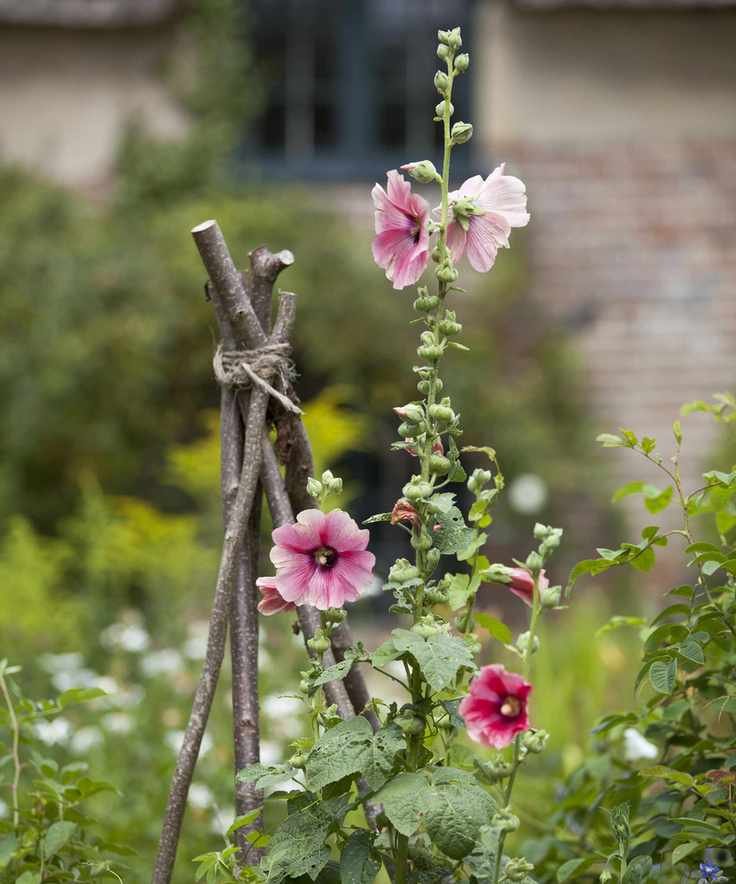
Expert Caps Browning Smith notes that cottage gardens thrive on densely packed plants that spill over paths. Let plants self-seed naturally for a charming look.
Key plants to consider include foxgloves, hollyhocks, sedums, and romantic roses.
5. Feature Various Types of Pelargoniums

Victorians valued pelargoniums for their vibrant blooms and resilience. 'They became staples in Victorian gardens,' an authority remarks.
Consider using scented varieties if you have space indoors for winter. They thrive outdoors from spring to fall.
Learning to overwinter geraniums can also save money and extend your enjoyment of these plants.
At Peckover House & Gardens, cuttings are used to propagate pelargoniums for bedding displays.
Incorporate various pelargonium types in your garden; they can be used as table centerpieces or along walls. Recommended varieties include:
- Pelargonium sidoides.
- P. 'Ashby'.
- P. 'Prince of Orange'.
- P. 'Attar of Roses'.
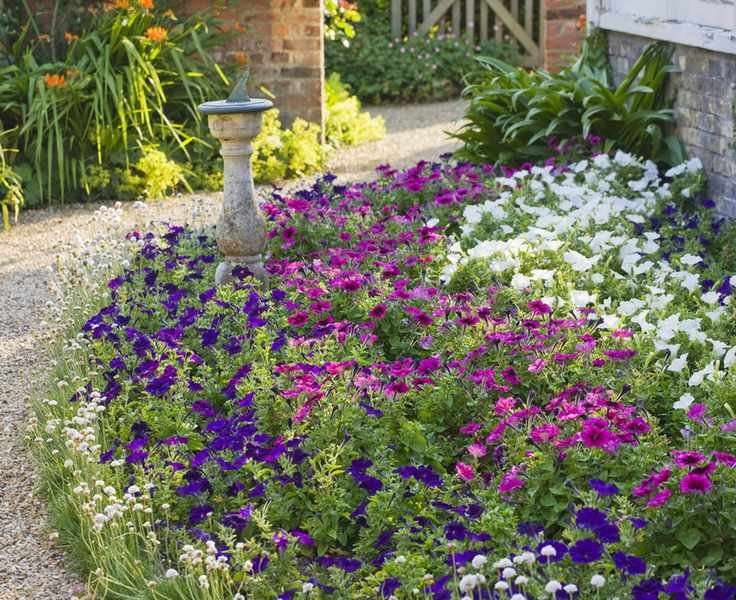
What Flowers Were Popular in Victorian Gardens?
Victorian gardens featured a variety of beloved flowers, including:
- Dahlias, with countless cultivars.
- Chrysanthemums, which gained popularity around 1800.
- Vibrant rhododendrons, particularly from Asia.
- Petunias, especially white and purple varieties.
- Roses, which were extensively bred by the 1840s.
- Ferns, which became fashionable in the later Victorian period.
- Hardy perennials like aquilegia and cardiocrinum.
- Camellias, especially those with unique patterns.
- Tender indoor plants like African violets.
- Orchids, often used in drawing room decor.
- Azaleas, especially fragrant types.
- Lobelias, initially used in conservatories.
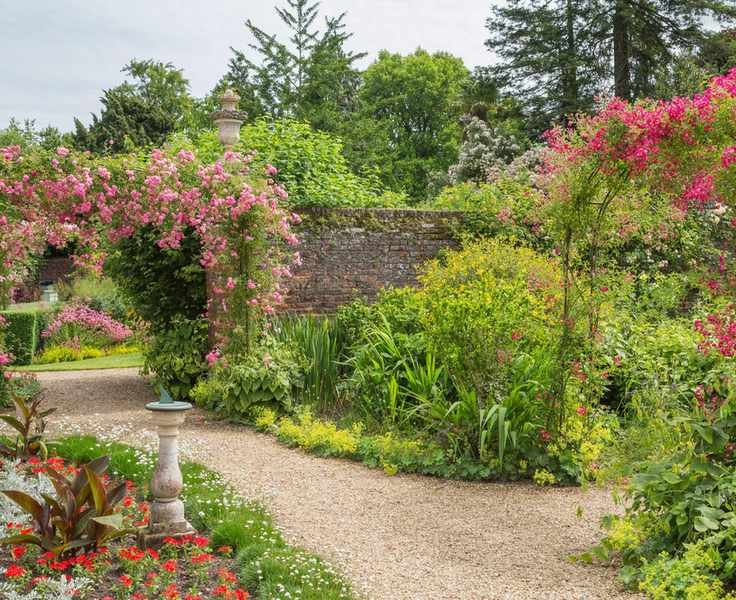
What Characterizes a Victorian Garden?
A Victorian garden is a vibrant space that highlights the 'new' plant varieties of the era. Expect to see a return to a more structured garden design, with colorful flowerbeds filled with exotic plants.
Key features of Victorian gardens included:
- Plants collected from across the world.
- Bright, colorful beds and borders.
- Displays featuring exotic plants.
- Expanded kitchen gardens with glass structures.
- Rockeries simulating alpine environments.
As the 1800s drew to a close, a shift towards wilder, more naturalistic gardens began, reflecting a reaction to industrialization.
Explore various gardens for inspiration and incorporate Victorian design elements into your backyard.



