
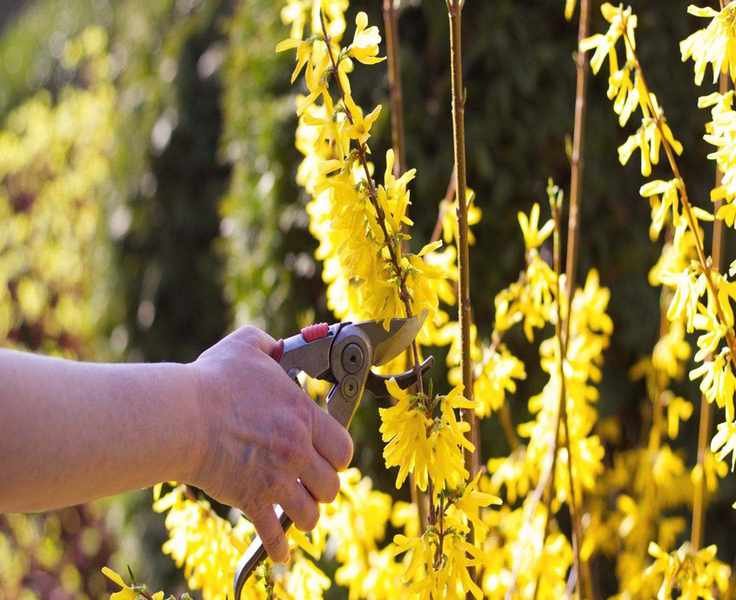
Taking forsythia cuttings in summer is an effective method to increase your shrub collection without spending a dime. While softwood cuttings are typically harvested in spring, semi-ripe cuttings can be taken from midsummer onward, with August being particularly favorable.
Having cultivated forsythias for years, I regularly prune several large specimens in South Wales. Though they require annual trimming after blooming to maintain their shape, these low-maintenance shrubs offer a stunning display every spring. Who doesn't appreciate that bright yellow burst of color as the growing season begins?
If you've got a forsythia in your yard, whether as a focal point or as part of a hedge, discover how to take cuttings this summer. Here's an easy-to-follow guide for collecting semi-ripe cuttings in the coming weeks.

Steps for Taking Forsythia Cuttings
Forsythia, native to eastern Asia, comprises around 13 species that thrive in USDA zones 5 through 9.
Dwarf varieties are available, including the 'Gold Tide' forsythia, which you can find at various nurseries.
As long as these flowering shrubs receive ample sunlight, they will put on a captivating show in spring.
Here's how to properly take forsythia cuttings during the summer months.
Timing for Forsythia Cuttings
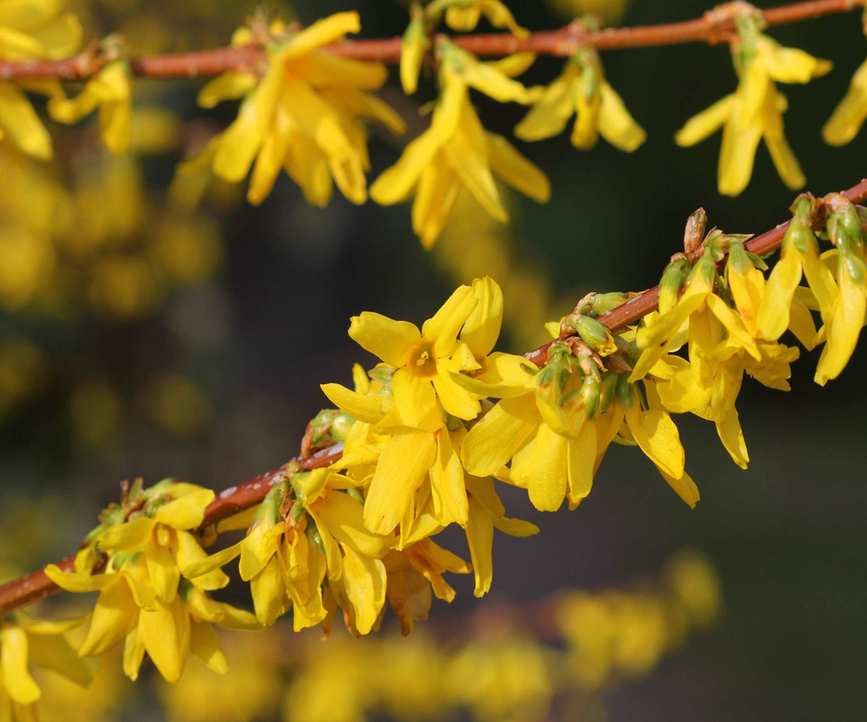
For optimal propagation, collect semi-ripe cuttings in summer when the new growth is still pliable but not fully hardened. The best months are August and September for this task.
Choose a cool, mild morning to take cuttings, as plants are better hydrated then. Avoid heatwaves to prevent stress on the plants, which can lead to unsuccessful propagation.
Gathering Forsythia Cuttings
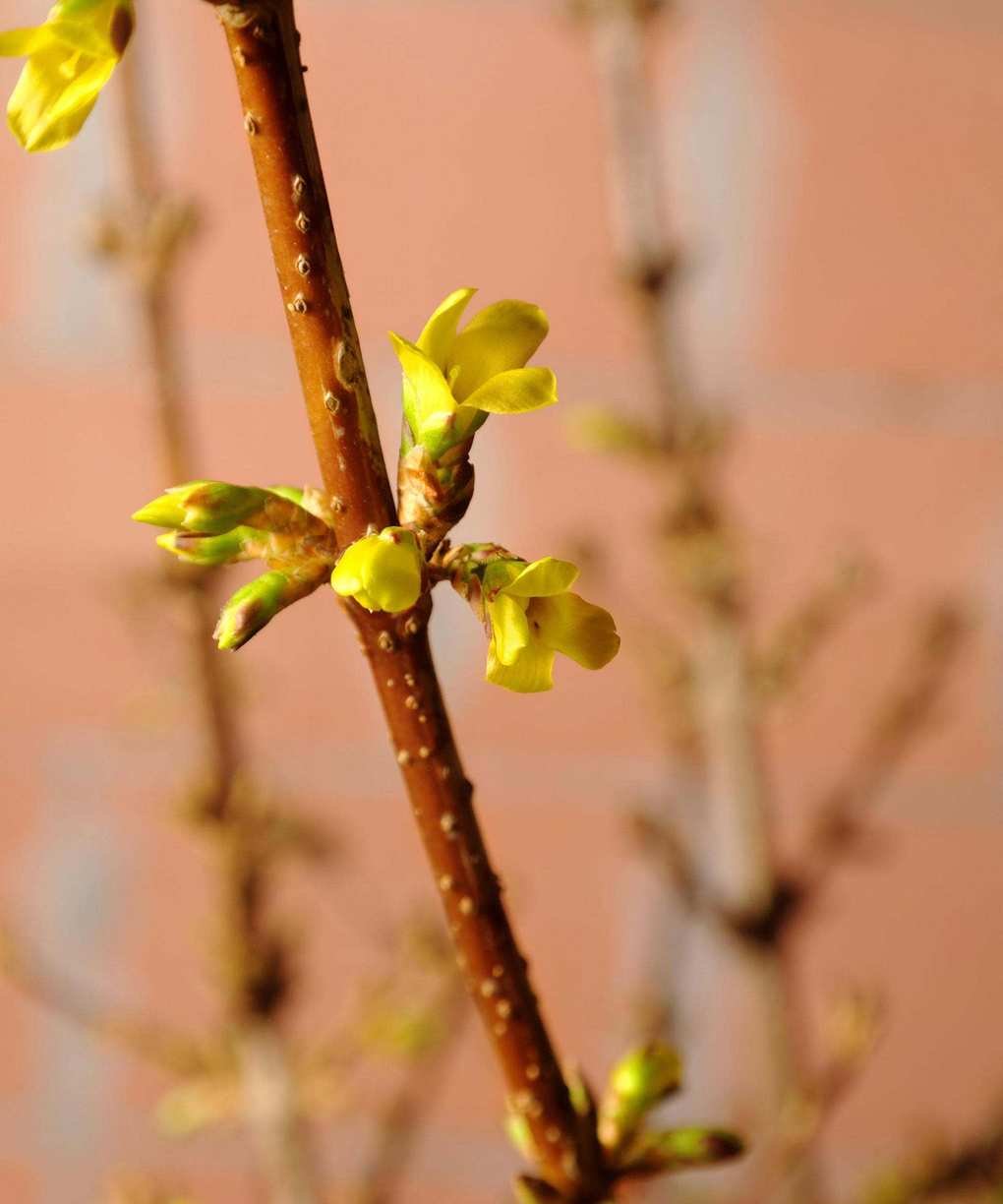
- Before starting, gather clean, sharp tools like pruning shears. Select healthy stems from your shrub, avoiding those with yellow flowers. Cut 6-8 inch stems that are flexible yet slightly firm; place them in water as you work.
- Take your collected stems to a potting area. Remove the leaves from most of the cutting, keeping just a couple at the top. Make a diagonal cut just below a leaf joint, where roots are likely to emerge. A pocket knife can make this easier.
- While optional, using rooting hormone can enhance root growth. Dip the cut end into water, then into rooting hormone powder, shaking off any excess.
- Plant the bottom two inches of each cutting in small pots filled with well-draining potting mix. Adding grit to the mix improves drainage. You can place multiple cuttings in one pot, ensuring they do not touch.
- Water the pots thoroughly, either from above or by soaking them from below. Keep them in a cool place away from direct sunlight.
- Check the soil every few days for moisture, especially since it can dry out quickly in August.
- Root development varies, but you should see roots forming in about four weeks. At that point, carefully transfer each cutting into its own pot, allowing them to establish before planting them in the yard next spring or summer.
Common Questions
Can I Root Forsythia Cuttings in Water?
Yes, forsythia cuttings can be rooted in water, although this is typically done in late winter around February. This period is ideal for hardwood cuttings, as the plant focuses energy on root growth rather than leaf production. Place 6-inch stems in a vase, and you should see small roots forming within weeks.
Other plants like honeysuckle and lantana are also great for summer cuttings. Just remember to keep an eye on their moisture levels, as small pots can dry out quickly.
If your cuttings don't take, there's no need to worry. Forsythia plants are widely available at nurseries and online.
Recommended Propagation Tools
Rooting Powder: This simple rooting powder aids in developing roots for your forsythia cuttings.
Felco Pruning Shears: These high-quality pruners are ideal for taking cuttings from your established forsythia.
Organic Seed Starter: This premium potting mix helps give your cuttings the best start during summer.


