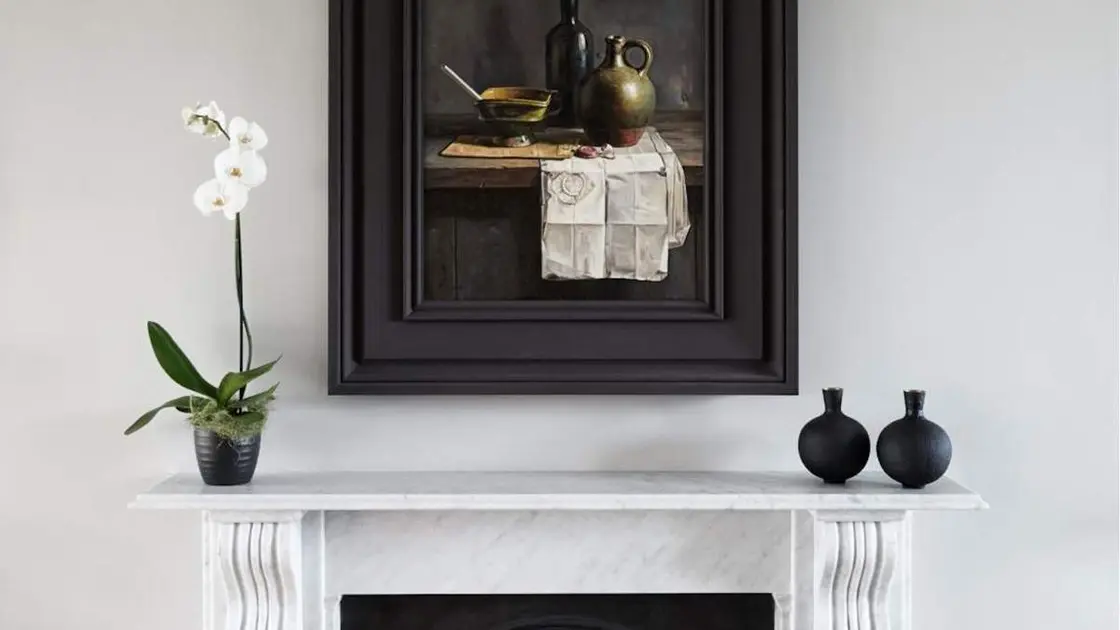
I absolutely love the moth orchids in my collection. Their stunning tropical blooms never fail to impress my guests. However, I've faced challenges in keeping them healthy.
Maintaining orchids is quite tricky. These plants require a stable environment to flourish and produce consistent blooms. Specifically, they thrive in higher humidity and need careful watering. Thus, there are certain areas in your home that are unsuitable for growing orchids, and steering clear of these spots is crucial for their success.
If you're just starting with orchids or have struggled in the past, experts recommend avoiding the following locations.

5 Areas to Avoid When Growing Orchids
If your orchid flowers are dropping, the stem is turning yellow, or you're dealing with root rot, it might be due to their location.
Here's a rundown of places where growing orchids is a bad idea:
1. In a Room with Low Humidity

Orchids are tropical plants that need high humidity to thrive, typically between 40-70%.
'Keeping orchids in a dry environment can lead to issues like dehydration, wrinkled leaves, and stunted growth,' explains Carmela de Castro from Orchid Republic Floral Boutique.
She adds that dry air can lead to increased moisture loss, making it hard to keep the plant hydrated.
Rooms with low humidity may stunt growth and inhibit flowering, often causing wrinkled leaves. Additionally, dry environments promote pests and fungal growth.
If maintaining humidity is a struggle, think about placing your orchids in a bathroom or using a humidifier (available on Amazon) nearby.

2. Close to a Radiator

A radiator is another poor choice for orchid placement. It quickly dries the air and can create temperature issues.
'Radiators emit hot, dry air that significantly lowers surrounding humidity. Since orchids prefer humid conditions, this can harm their health,' Carmela notes.
Though orchids enjoy warm temperatures between 60-80°F, the heat from a radiator can be excessive and may lead to leaf scorch.
3. In a Dark Corner
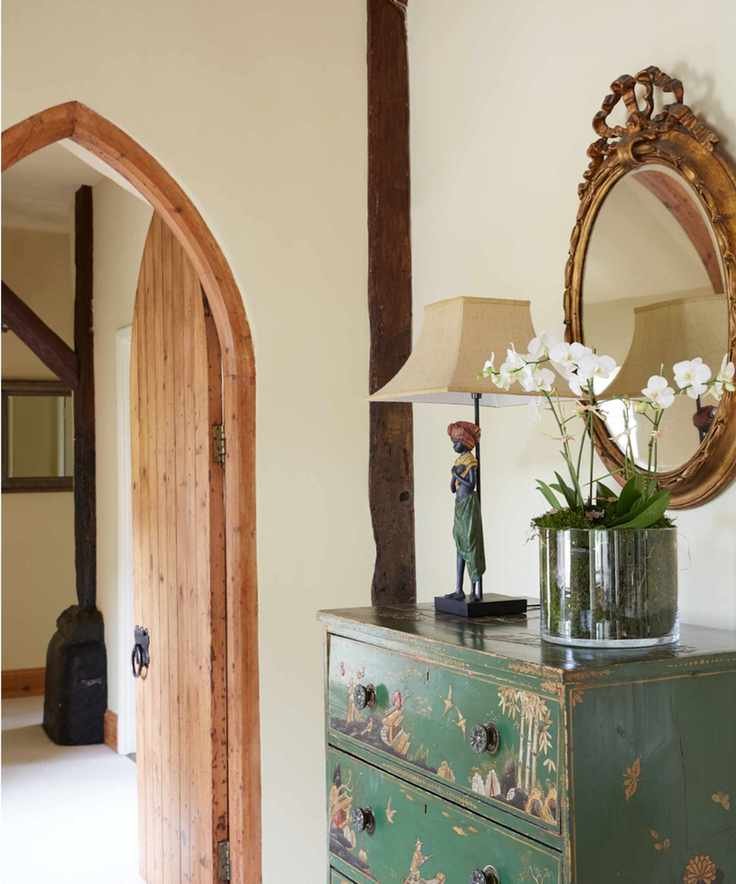
Orchids don't thrive in low light. They need adequate light to produce healthy foliage and flowers.
'While they don't require bright light, a dark corner won't support their growth,' says Julie Bawden-Davis, an expert from Healthy Houseplants.
If your orchid isn't blooming, check its light exposure and move it if necessary. If your home lacks natural light, consider using a grow light. This grow light from Amazon features a timer to help regulate light exposure.

4. On a South-Facing Windowsill

While it's essential to avoid too little light, you also need to steer clear of intense sunlight. Thus, south-facing windowsills are not ideal for orchids.
'Most orchids used as houseplants originate from the rainforest understory, where they enjoy moderate light. A south-facing windowsill offers too much brightness, which can scorch foliage and inhibit flowering,' Julie explains.
Direct sunlight can cause leaf scorch, as both leaves and flowers are sensitive to strong light. This stress can stunt growth and reduce blooming potential.
To mitigate harsh light, consider options like adding a window screen or sheer curtains (available at Wayfair) to diffuse light.
5. In a Drafty Area
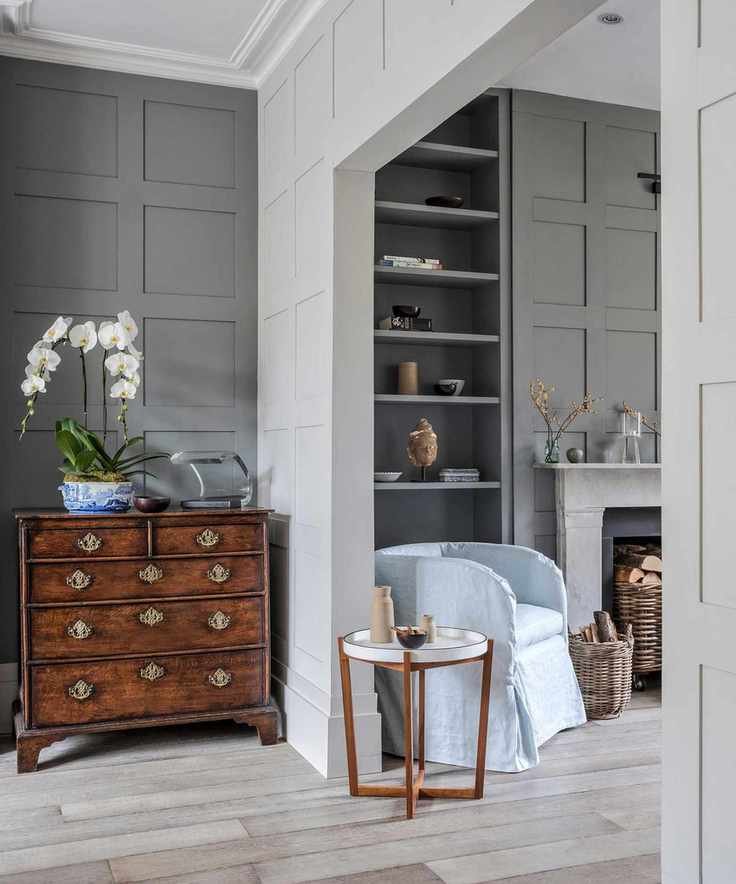
Orchids are particularly sensitive to sudden changes in their environment, which can cause them to wilt rapidly. Therefore, growing them in drafty areas is not advisable.
'Cold drafts, like those from an open window, can stress orchids by causing extreme temperature shifts, upsetting their balance,' Carmela explains.
If exposed to drafts, you may notice flower petals dropping prematurely.
Instead, opt for a location that offers a stable environment, meeting all temperature, humidity, and light needs.
Can Orchids Be Grown Outdoors?
Yes, certain types of orchids can be grown outdoors in specific climates. Hardier orchids like Cymbidium and Miltoniopsis are suitable for milder regions.
For tropical areas, varieties such as Phalaenopsis and Vanda thrive outside. Always protect them from strong winds and select spots with ample light but not direct sunlight.
Once you find a suitable spot for your orchid, it's best to leave it undisturbed. Discovering the right environment involves knowing not just where to avoid placing them but also the best spots for growth.
Additionally, consider the best positions for Feng Shui as orchids symbolize beauty and balance in this practice.
Shop Orchid Care Essentials
Miracle-Gro Orchid Plant Food
This easy-to-use mist formula is perfect for regular application. Just spray the roots and leaves every few weeks during their growing season.
Terracotta Orchid Pots
These pots are ideal for orchids, allowing aerial roots to grow freely while ensuring good airflow.
Organic Orchid Potting Bark
This potting mix provides a loose structure for orchids, allowing excess moisture to drain effectively.