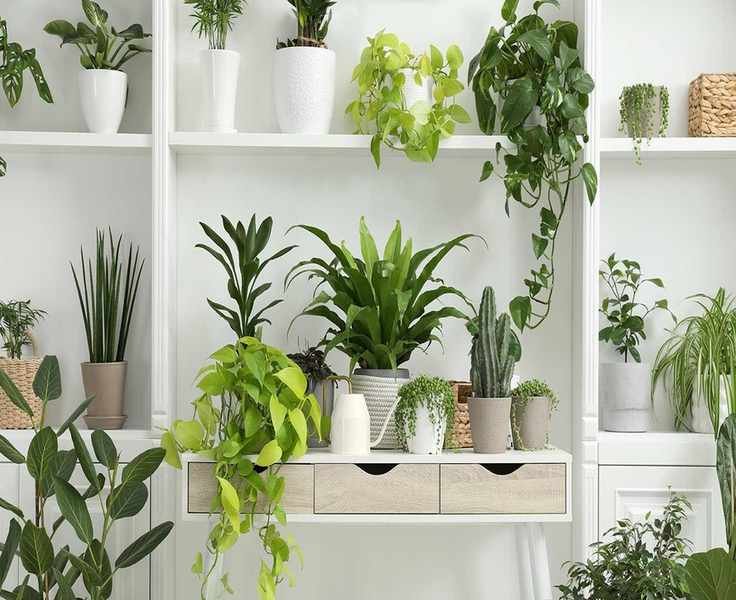
With shorter days and diminishing natural light, many indoor plants may struggle to receive the necessary illumination for healthy growth. Supplementing with a grow light is an effective way to care for houseplants in winter, ensuring they stay vibrant and continue to flourish.
Light plays a vital role in photosynthesis, the process through which plants convert light into energy. Insufficient lighting can hinder growth and lead to leggy, less colorful plants. The light needs vary by species, as some houseplants cope with winter conditions better than others.
This is where grow lights become beneficial. LED grow lights can provide a light spectrum that closely resembles natural sunlight, supplying the essential wavelengths your plants need to grow effectively.
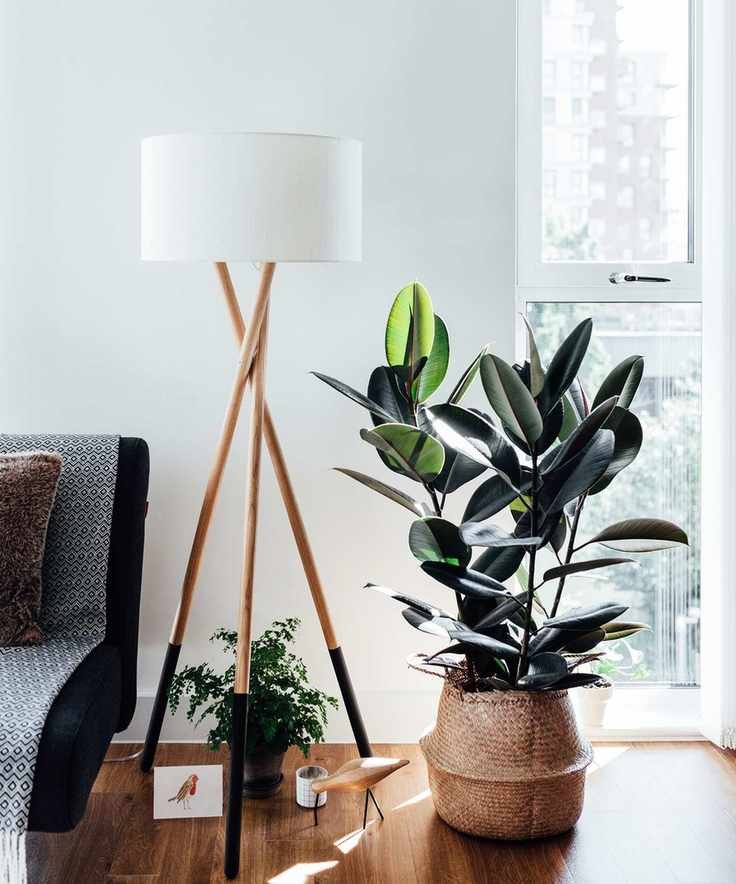
Do I Need a Grow Light for My Indoor Plants in Winter?
Experts shed light on the advantages of using grow lights and how they can enhance light conditions for your indoor plants during winter.
The Significance of Grow Lights
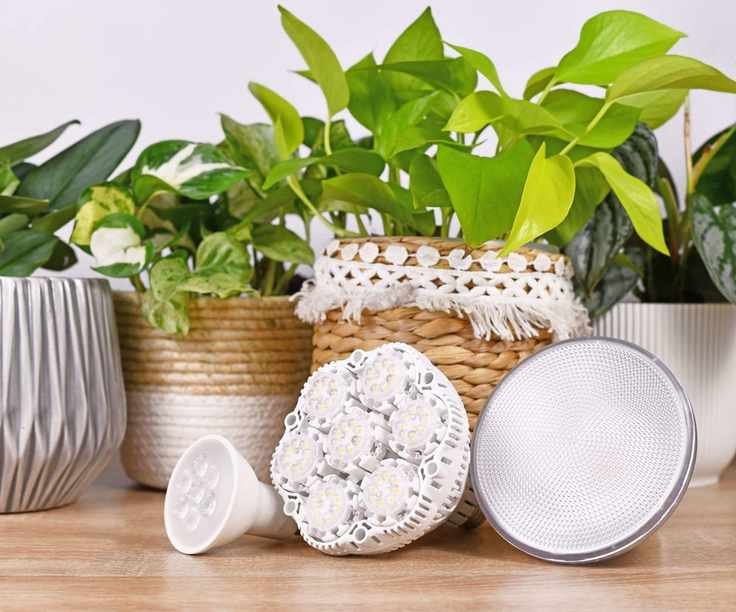
During the winter months, when natural daylight is limited, providing extra light can be crucial for houseplants.
While not every plant needs grow lights, those that require more light, such as succulents and tropical varieties, will greatly benefit from the added brightness.
Investing in full-spectrum LED grow lights can replicate natural sunlight, supporting plant growth throughout the darker days.
Selecting the Right Grow Light
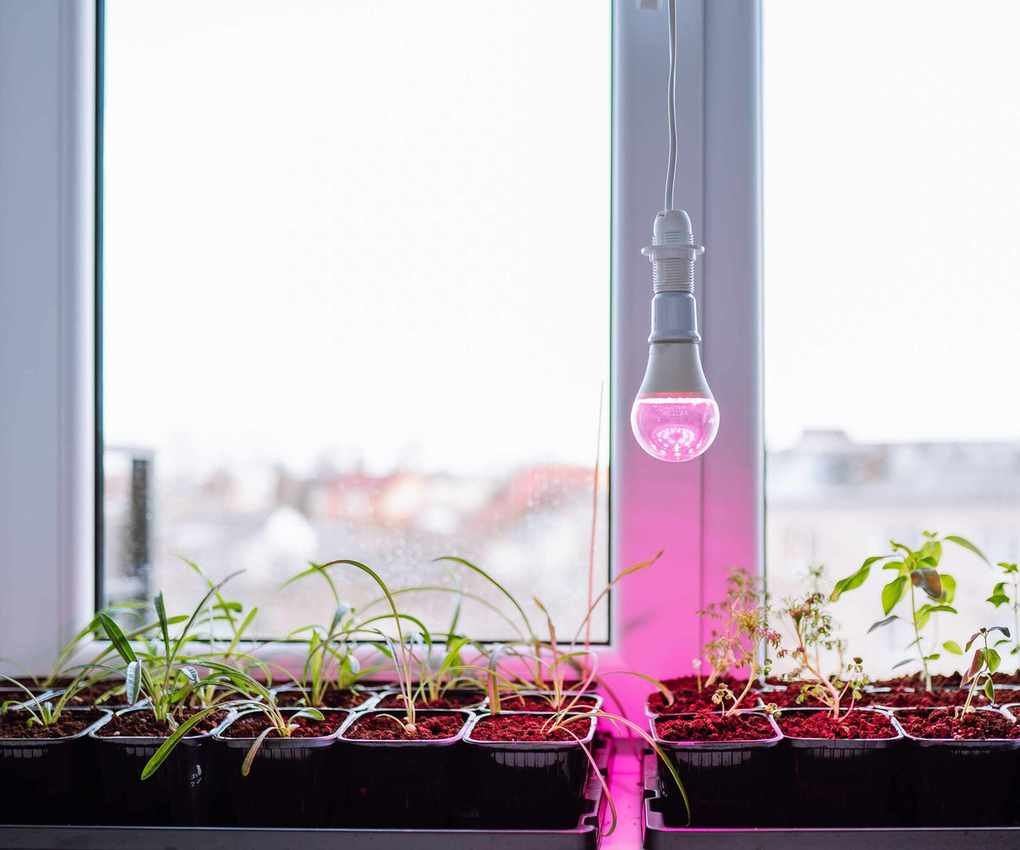
Choose LED grow lights that have a color temperature around 6500K, like the GooingTop Grow Light LED Gooseneck Lamp available on Amazon, which emits a light similar to natural daylight when turned on.
For optimal results, position the light 12-18 inches above your plants. Be mindful of the wattage based on the size of your plant collection and each species' specific light needs.
Consistency is essential when using grow lights, says Morag Hill, Co-Founder of The Little Botanical.
She recommends providing 12-16 hours of light daily to simulate longer daylight hours. Utilizing timers can help automate the lighting schedule, ensuring your plants receive the appropriate amount of light without disrupting their natural cycles.
Pay Attention to Watering While Using a Grow Light
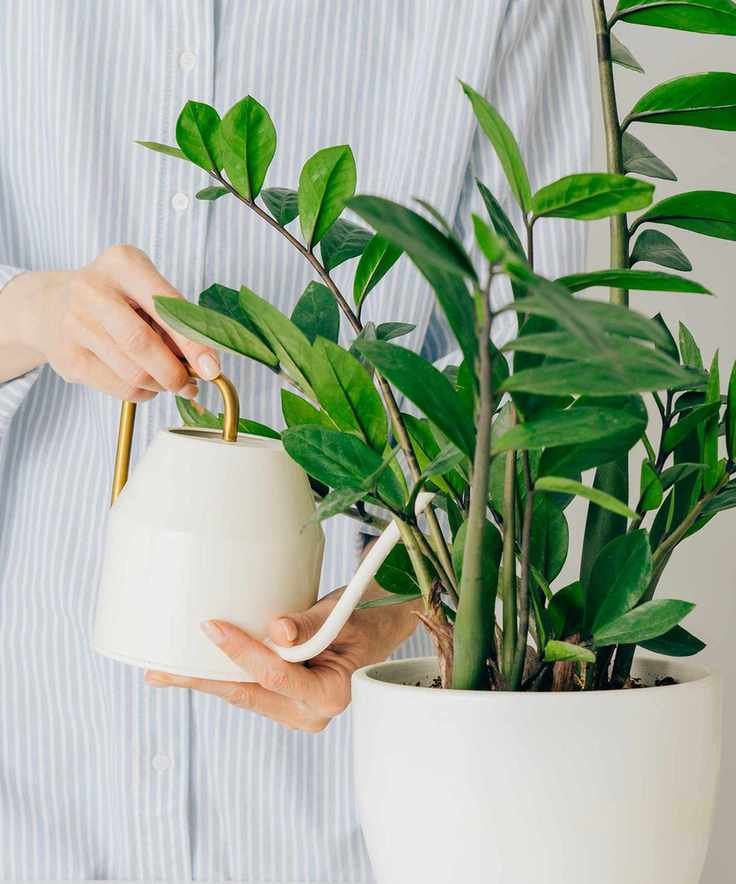
Be cautious about overwatering when using grow lights. While these lamps can generate a slight amount of heat that may dry out the topsoil faster, the roots could still be adequately moist. Test the soil by inserting your finger up to the second knuckle; if it's dry, it's safe to water.
According to Kayla Gajdascz, co-founder of Mental Houseplants, plants typically need less water in winter as their growth slows down.
'Be mindful of your plant's individual watering needs, allowing the top inch of soil to dry out before watering,' advises Kayla. 'Overwatering during winter can cause root rot, so finding a balance is crucial.'
Ensure your plants are in well-draining compost, as compacted and overly wet soil can be detrimental. Materials like sand, pea gravel, crushed lava, and pumice can help promote proper drainage.

Consider Boosting Humidity
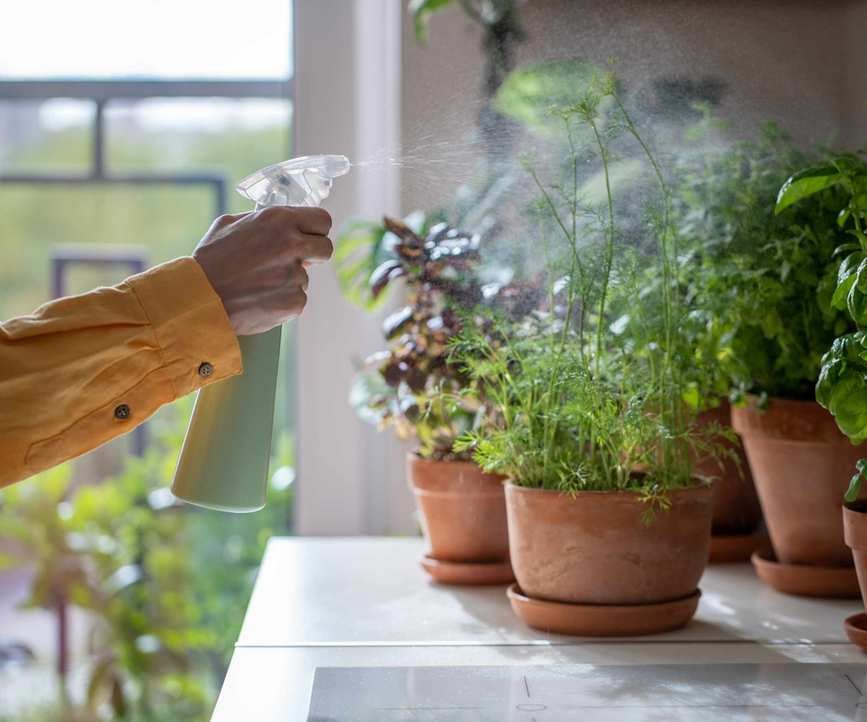
Indoor environments during winter can become quite dry due to heating systems. The heat from the grow lamp can also contribute to this dryness, so it's important to monitor the humidity levels around your plants. If you think it might help, you could place a tray filled with water and pebbles nearby to increase humidity.
Grouping your plants together can also create a microenvironment with higher humidity levels.
Shop for Grow Lights
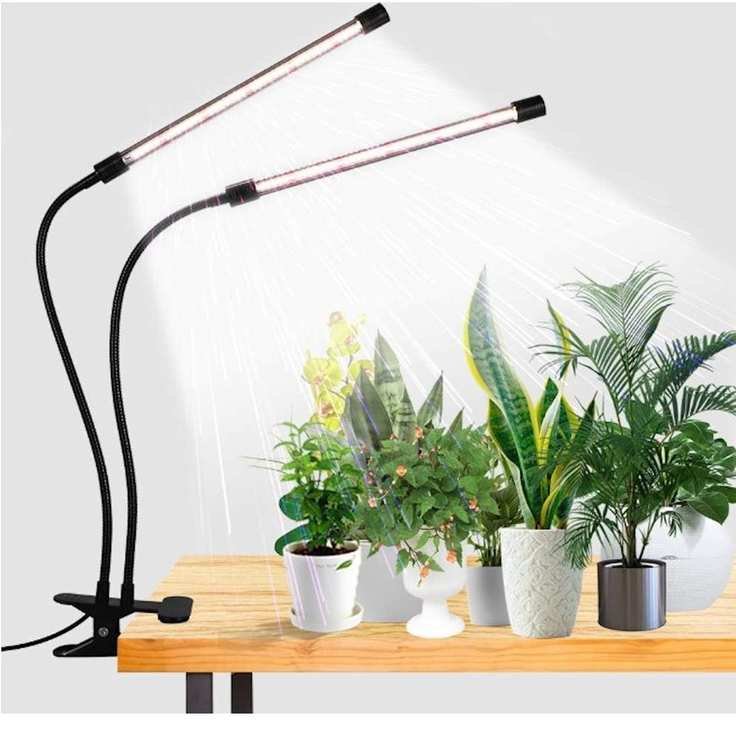
This grow lamp mimics full-spectrum sunlight found at noon and is specially designed for indoor garden plants.
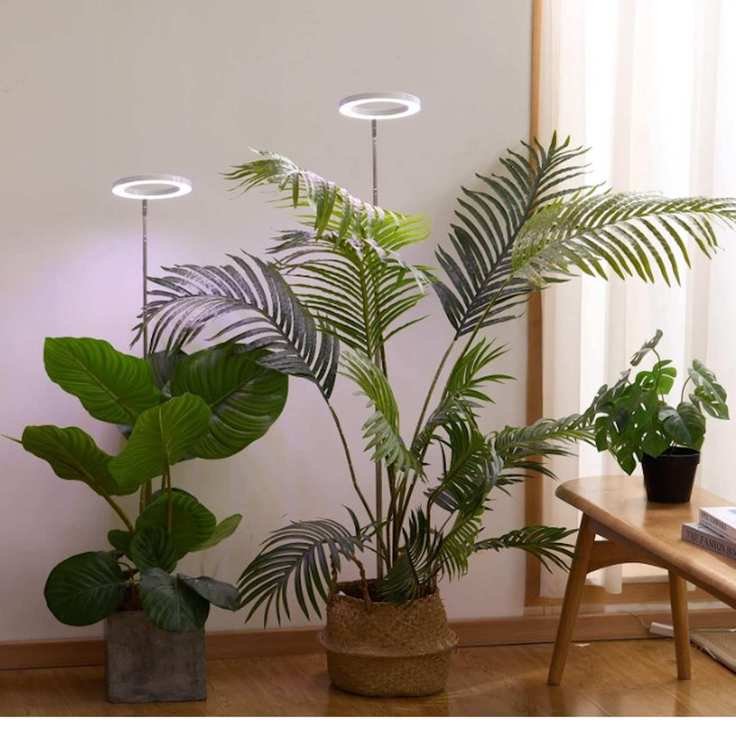
The telescopic poles on this pair of LED grow lights make them perfect for larger tropical houseplants during winter.
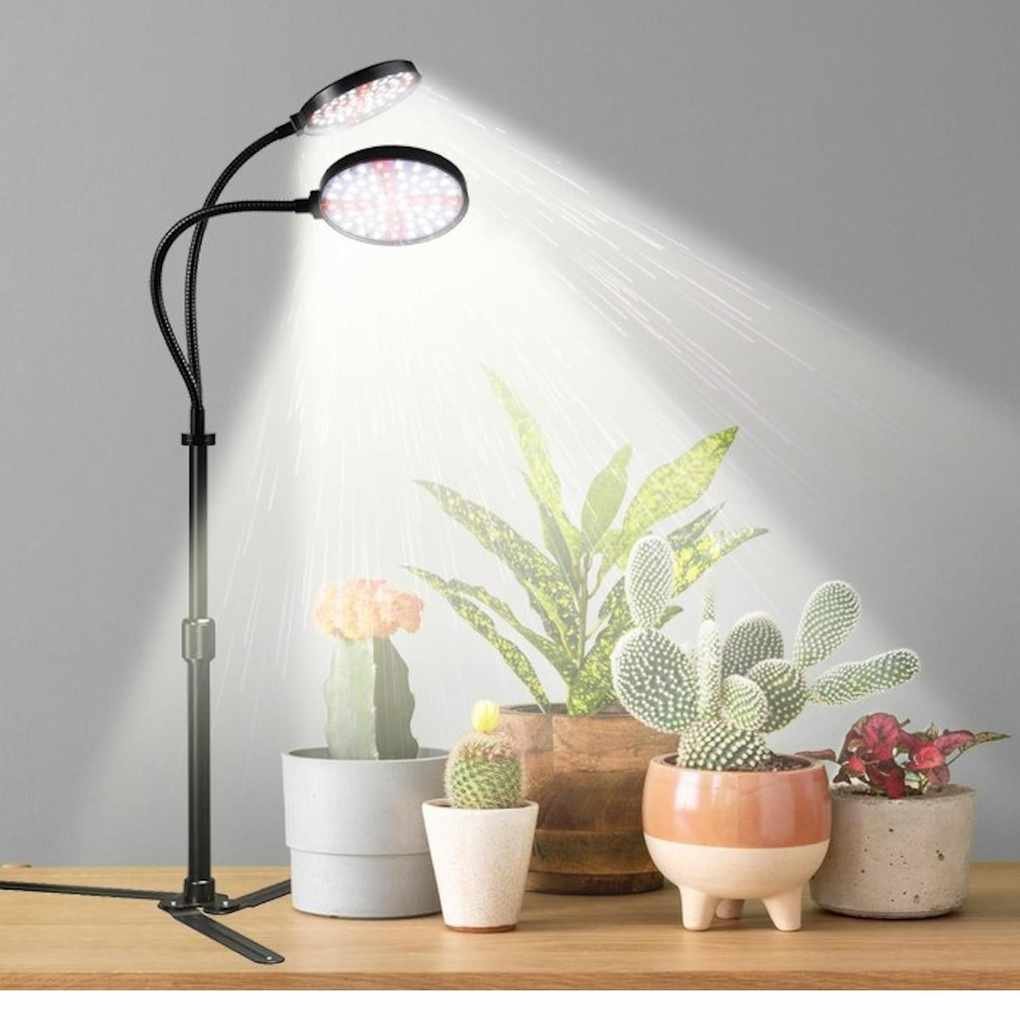
This LED grow light is ideal for a desk garden, especially if you have several plants clustered together. It features adjustable height and five dimming options.
FAQs
Do LED grow lights consume a lot of electricity?
LED lights are significantly more energy-efficient than traditional incandescent bulbs. They can use up to 75% less energy and last up to 25 times longer.
LED grow lights are energy-efficient and produce less heat than conventional lighting, making them a safe and effective option for indoor plants.
While it's easy to cultivate sprouts and microgreens during winter, grow lights can also assist leafy greens, herbs, and fruit-bearing plants. It's a modest investment that yields lush, thriving houseplants even in the challenging winter months.