
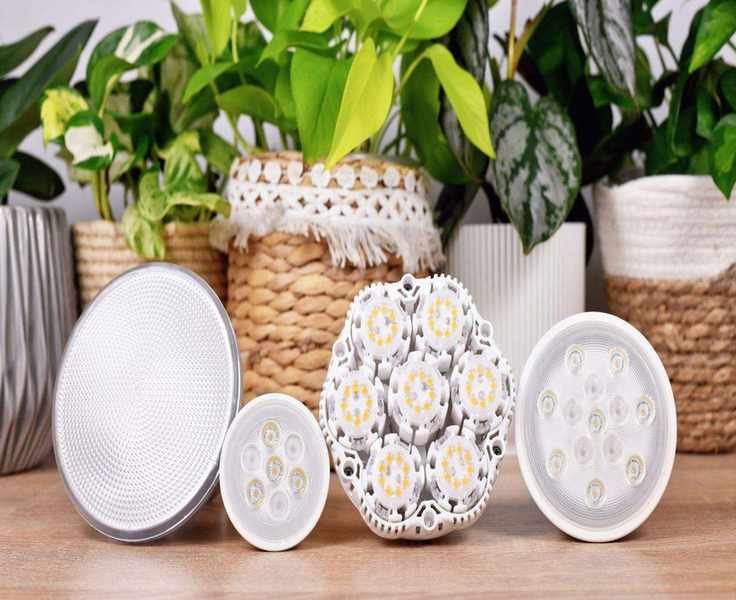
As houseplants gain popularity, so do grow lights—LED systems designed to enhance indoor plant growth. However, questions often arise about their proper usage and duration for effective results.
For indoor gardening, it's essential to create optimal conditions for plant growth. If you're contemplating a grow light to ensure your indoor plants get enough illumination, understanding how to use them correctly is vital.
We've consulted experts to guide you on when to use grow lights for plants and how long to operate them effectively.

When to Utilize Grow Lights
Grow lights serve as supplemental lighting for indoor plants. There are specific scenarios where their use is particularly beneficial.
For Seedling Development
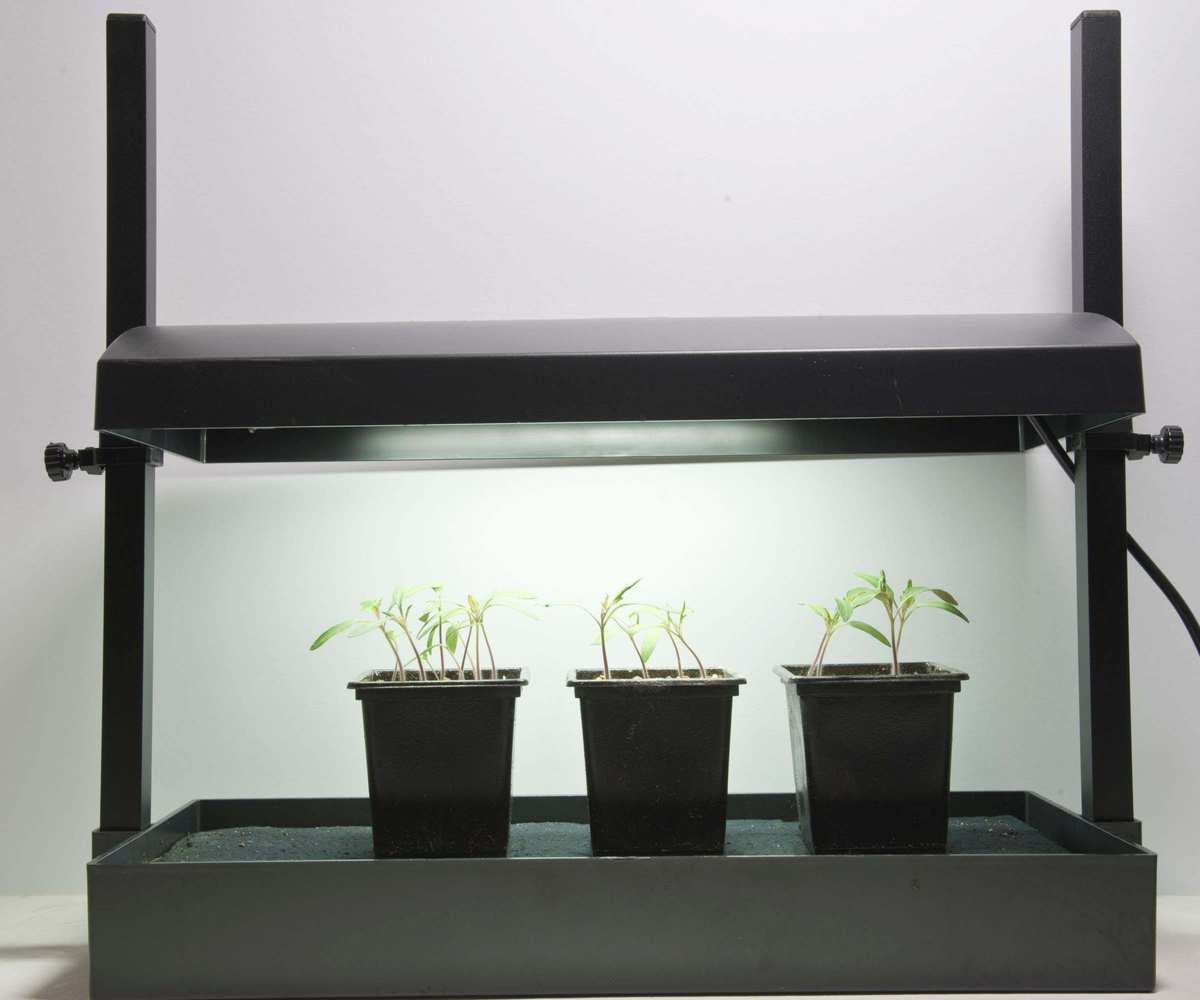
A primary reason to employ grow lights is during the seedling phase.
'Using grow lights for young seedlings is a reliable method,' says a plant expert.
'Position the lights directly above the seedlings to promote even growth, prevent shadowing, and avoid stretching,' the expert advises. 'Once seedlings emerge, maintain the lights 6–7 inches above to prevent leaf burn and ensure proper lighting,' they add.
As your seedlings grow, remember to adjust the height of the grow lights accordingly.
Many indoor growing systems, such as hydroponic kits, integrate grow lights to support healthy plant growth at home.
Enhancing Houseplants' Growth

Another reason to incorporate grow lights is to assist houseplants, especially on dim days, particularly if your collection lacks low-light varieties.
'Limited window space or insufficient natural light may necessitate grow lights to help your plants flourish,' the expert points out.
'These lights not only supplement but can replace natural light. An experiment at Purdue University demonstrated that LED lights could effectively replace sunlight, successfully growing leaf lettuce with red and blue LED bulbs,' they add.
Position grow lights above your houseplants to provide necessary illumination and promote growth.
'Keeping the lights a few feet above the plants is ideal. This distance prevents legginess and supports even growth,' the expert suggests.
Duration for Using Grow Lights

The duration for which you should keep a grow light on depends on the type of plants and the purpose of usage.
'Aim for 8 to 10 hours daily to mimic natural sunlight,' the expert states. 'However, always consider the specific needs of each plant,' they recommend.
Many grow lights include timers for convenience.
If you're cultivating an indoor herb garden or fruits and vegetables, timing the grow light exposure is crucial for a successful yield.
'For short-day plants, which need darkness, limit light exposure to 10–12 hours daily. Exceeding this can hinder blooming and fruit production,' they explain.
'Long-day plants thrive with at least 13 hours of light, ideally 14–16 hours per day,' they add.
On particularly gloomy days, it's fine to keep the grow lights on for longer periods. Just ensure to switch them off at night to allow for darkness. Conversely, reduce usage during bright, sunny days.
Stylish Grow Light Options
This full spectrum grow light supports indoor plant growth with adjustable height, brightness, and timer settings.
Another option, this red and blue spectrum grow light, features adjustable settings and multiple prongs to maximize light output.
This hydroponic growing system includes a smart water pump and integrated grow light for optimal plant conditions.
Frequently Asked Questions
What Type of Grow Light is Best?
Numerous grow light types exist, depending on your goals. For seed starting and nurturing seedlings indoors, a hydroponic system may be ideal, combining a smart water supply with grow lights for optimal growth.
To boost houseplants, consider a tall, adjustable grow light that stands above the foliage. Many models emit various spectrums, like red and blue, catering to plants' energy needs.
Grow lights are valuable tools for successful indoor gardening, offering extra light during darker days and aiding young plants' growth. Always research your plants' specific care guidelines to utilize grow lights effectively.
You may also find our insights on the future of indoor gardening intriguing, as they explore innovative ways to garden indoors.



