
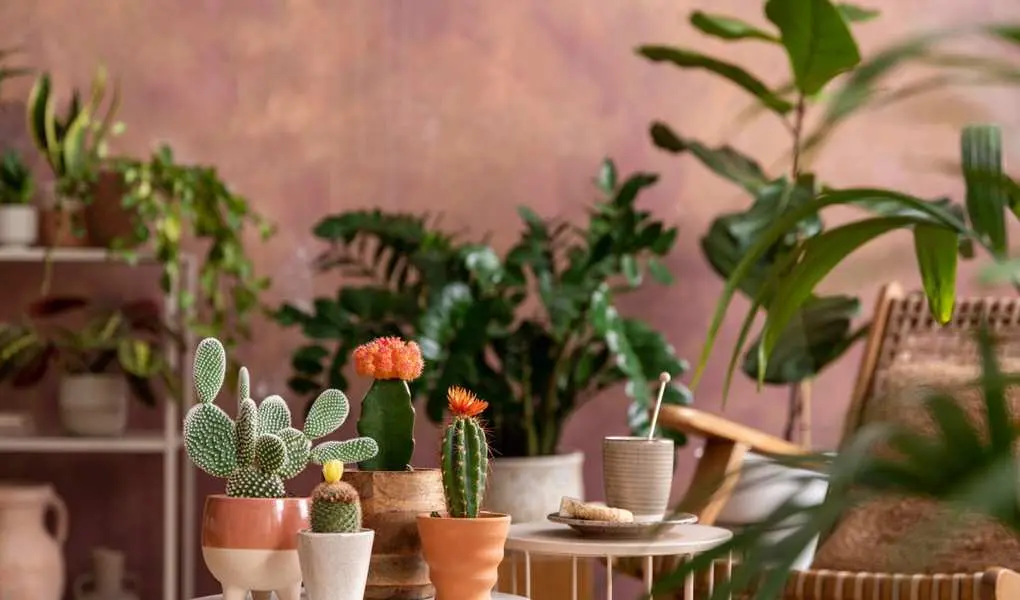
Are you searching for indoor garden ideas to infuse more greenery into your home? There's truly nothing like a lush display of vibrant foliage to invigorate your living space.
While some of us enjoy spacious outdoor gardens, many urban dwellers have to rely on indoor or small balcony gardening. Regardless of your space limitations, you can cultivate a plant-filled retreat indoors — it's always a good time to incorporate more of the best houseplants into your life.
No matter your environment, plants and their containers can be styled to complement your space's aesthetic, and there are numerous indoor growing systems you can experiment with. Imagine filling your shelves with succulents, hanging vines from your ceilings, lining windows with herbs, or even growing a tree inside. Let's explore how to bring your indoor garden dreams to life.
Getting Started with Indoor Gardening
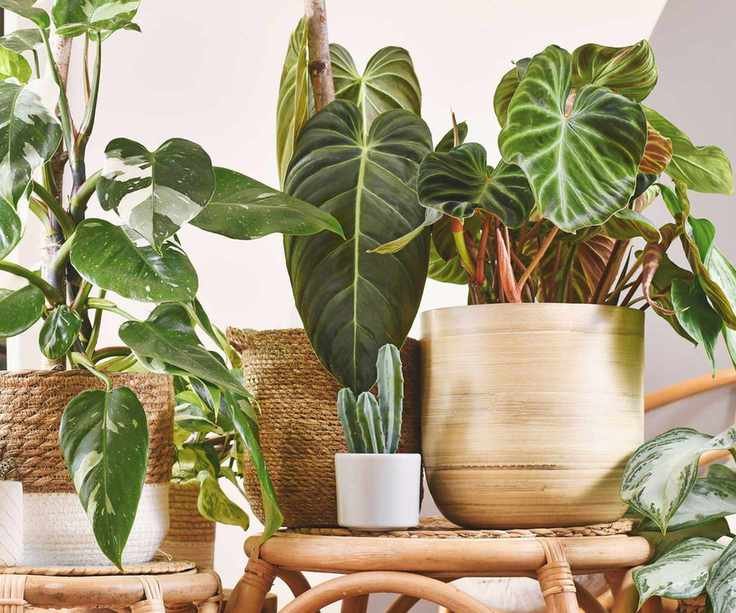
As a beginner, it's wise to start small. Indoor gardening can seem overwhelming, so consider selecting one or two easy indoor plants as a manageable introduction.
Houseplant expert Vladan Nikolic recommends that you choose plants suited to your lifestyle. 'If you travel frequently, opt for plants that can tolerate some neglect and don't need constant watering,' he advises.
Additionally, assessing the lighting in your home is crucial. 'Light is essential for houseplant growth,' Vladan explains. 'Think of light as plant food. Identify whether your space receives bright, medium, or low light, and select your initial plants accordingly.'
A great starter plant is the Pilea peperomioides, commonly known as the Chinese money plant. Other low-maintenance indoor plants include the snake plant (Sansevieria), pothos (Epipremnum aureum), spider plant (Chlorophytum comosum), and ZZ plant (Zamioculcas zamiifolia), available at Perfect Plants. As you gain confidence, you can gradually expand your collection.
Look for plants with similar requirements, like a Monstera deliciosa, and keep them on the same watering schedule. Over time, you will learn which plants flourish in your indoor environment, considering factors such as natural light, temperature, and how much space you have available.

Vladan Nikolic, also known as Mr. Houseplant, has over a decade of experience as a houseplant expert. He runs the houseplant care blog MrHouseplant.com and helps newcomers become successful plant parents.

9 Indoor Gardening Ideas for City Living
Who says you need outdoor space to be a gardener? We believe these ideas will inspire you to create a lush indoor sanctuary, no matter where you reside.
1. Design a Living Shelf in Your Bathroom

Imagine relaxing in a bubble bath while enjoying a refreshing green view!
Ferns are excellent choices for bathrooms due to their love of humidity, and their long, delicate fronds can flow down from shelves, adding a soft touch to tiled walls.
Trailing plants like string of pearls, string of hearts, and golden pothos, available at Perfect Plants, would also enhance this aesthetic. Gather several to maximize the greenery!
2. Fill Your Kitchen with Fresh Herbs

Herbs add delightful fragrance to dishes — picture chives sprinkled over new potatoes, mint in a mojito, or basil blended into pesto, all within easy reach in your kitchen.
Don't reserve them for outdoor gardens. Learning how to grow herbs indoors allows you to enjoy culinary delights while enhancing the visual appeal of your kitchen with colorful pots.
While there are common pitfalls to avoid when growing herbs indoors, with adequate light and water, you can maintain thriving pots for months. You might even start with store-bought herbs to kick things off.
3. Introduce a Tropical Flair to Your Living Area

A large potted palm can dramatically change the atmosphere of a room. Its expansive, fan-shaped leaves create intriguing textures and fascinating shadow patterns when sunlight filters through.
Plants like Monstera, known as the Swiss cheese plant, can also contribute to a jungle-like vibe, along with flowering anthuriums and smaller orchids.
Vladan Nikolic suggests a bird of paradise (Strelitzia reginae) for a standout feature in any room. 'Its large, banana-like leaves and tall growth add elegance and a touch of the exotic, instantly transforming a space,' he notes.
Choose a stylish pot to match your decor, such as a chic woven basket, like this one from Walmart, a weathered terracotta pot, or a sleek black iron planter.
4. Construct a Living Wall

If you're short on space, consider planting vertically.
A living wall, even on a smaller scale, always impresses. You can purchase pre-made vertical planter systems available from various retailers. Ferns, peace lilies, and philodendrons thrive in these systems. Have fun creating a living canvas with diverse textures and shapes.
Consider painting the supporting wall a bold green and matching it with luxurious textiles for a striking look.
5. Embrace a Maximalist Approach to Planting

If you have the space — perhaps a spare dresser, table, or desk — go all out by filling it with a variety of plants. Select plants of different heights and shapes to create visual interest.
Add hanging pots or let air plants cascade from various holders. The result? A stunning indoor garden that draws admiration from everyone.
Top Care Tip: Learn to mix your own potting soil. 'Many store-bought mixes retain too much moisture, leading to root rot,' Vladan advises. 'Instead, combine 2 parts potting mix with 1 part perlite for a well-aerated mix that promotes healthy root development.'
6. Cultivate an Indoor Vegetable Patch

You don't need an outdoor garden to grow certain vegetables. Microgreens, chilies, tomatoes, and even some brassicas can thrive indoors.
Here are some tips to get you started:
- Use a heat pad beneath your seed trays to mimic the warmth of outdoor soil in spring, which is especially beneficial for heat-loving vegetables like chilies and tomatoes. Seed starter kits with trays and heat mats are available on Amazon.
- Since light is crucial for winter vegetable growth, consider investing in LED grow lights if your home lacks sufficient natural light.
- If you're feeling hesitant, start small with easy-to-grow alfalfa sprout kits available on Amazon, which are simple to cultivate.
7. Add a Splash of Spring Color with Indoor Bulbs

Understanding how to force bulbs indoors allows you to create a seasonal garden just in time for the holidays.
Plant in a large pot or clear glass vase for a striking centerpiece on your kitchen table. In addition to lovely paperwhite narcissus with their delightful fragrance, consider grape hyacinths, amaryllis, snake's head fritillary, or even tulips.
8. Grow Trees Inside Your Home

There are several indoor trees suitable for smaller spaces, provided they receive ample natural light. The results can be stunning.
Try cultivating citrus trees like the calamondin orange tree. Its tiny, bitter fruits add a bright pop of orange, complemented by wonderfully fragrant white flowers.
The rubber tree (Ficus elastica) features large, dark green leaves and can grow quite tall, making it an elegant addition to your indoor environment, according to Vladan.
'Schefflera arboricola, known as the umbrella tree, is another popular indoor tree with attractive foliage. It's relatively easy to care for and can thrive in various lighting conditions.'
The fiddle leaf fig boasts large, lush leaves and adds sophistication to any room. 'However, it can be challenging for beginners, so wait until you gain some experience before attempting one,' Vladan advises.
If you're short on space, consider a bonsai tree — these miniature plants can bring a magical, forest-like ambiance to your home.
9. Create a Terrarium

Terrariums have become a popular way to showcase and care for an indoor garden.
You can fill them with various succulents, cacti, ferns, and colorful plants like fittonias. They offer a low-maintenance gardening option, as once set up, they require minimal care — they almost take care of themselves.
However, be mindful of common terrarium care mistakes to keep your creation healthy and thriving. Pay attention to your plants' light requirements and research proper watering techniques before you start.
FAQs
What is the best location for an indoor herb garden?
Herbs generally thrive in bright light, so place them where they can receive plenty of sunlight and avoid cold drafts. A sunny windowsill is ideal.
Mint is quite forgiving, making it a great beginner herb. It has many fun varieties, such as chocolate mint and apple mint, and can be easily propagated from cuttings.
A reliable way to determine when to water is to touch the soil; when it no longer sticks to your finger, it's time for a drink.
Remember, every home is unique, so you may need to adjust your care routines according to your specific lighting, temperature, and humidity levels.



