
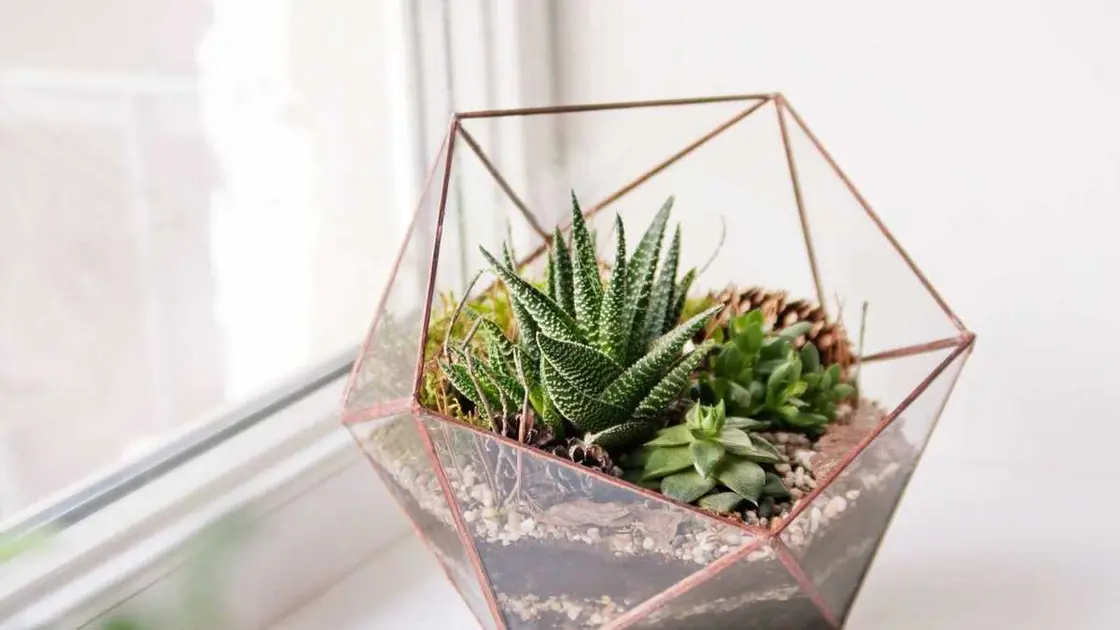
While terrariums are known for being low-maintenance, they still need some attention to flourish. Steering clear of common mistakes is essential for maintaining their vibrant appearance.
Once established, terrariums can largely care for themselves, especially closed ones that create a self-sustaining environment. However, avoid planting succulents in closed designs, as the humidity will be too high for their growth.
The location of your terrarium plays a crucial role in its success. It's important to understand the light needs of your chosen plants to create a thriving combination.
5 Common Mistakes in Terrarium Care and How to Fix Them
You've invested time and resources into your terrarium, so it's vital to know what pitfalls to avoid to keep it looking its best.
1. Incorrect Placement of the Terrarium

Choosing the right spot for your terrarium is key. Closed terrariums thrive in bright, indirect light, while open ones prefer bright areas away from direct sun. Always check the lighting needs of your plants.
'Plants in closed terrariums recycle air,' says a horticulturist. 'Sunlight during the day enables photosynthesis, converting carbon dioxide into oxygen within the terrarium.' Occasionally, removing the lid from a closed terrarium allows for fresh air circulation.
2. Inappropriate Watering Techniques

Watering strategies depend on the number and type of plants, as well as whether your terrarium is open or closed. Remember, terrariums retain moisture longer than most houseplants.
They typically need less watering compared to other indoor plants. 'Plants in terrariums are often hardy and don't require frequent watering,' the horticulturist explains. 'Their greenhouse-like environment recycles moisture instead of losing it to evaporation.'
Closed terrariums usually need little to no watering; condensation should appear up to one-third of the height. If condensation is minimal, consider adding a tablespoon of water.
For completely dry soil and wilting leaves, it's time to water. Generally, closed terrariums may need watering about once a month, but it's better to err on the side of caution.
'Open terrariums should be watered every 3-6 weeks,' notes the expert. 'Instead of sticking to a schedule, check the soil moisture to determine actual needs.'
If your terrarium is heavily planted, it may need more frequent watering, and be mindful of not placing it in direct sunlight, as that can dry out the soil. A terrarium water bottle with a flexible nozzle can help direct water precisely where it's needed.
3. Neglecting Plant Trimming
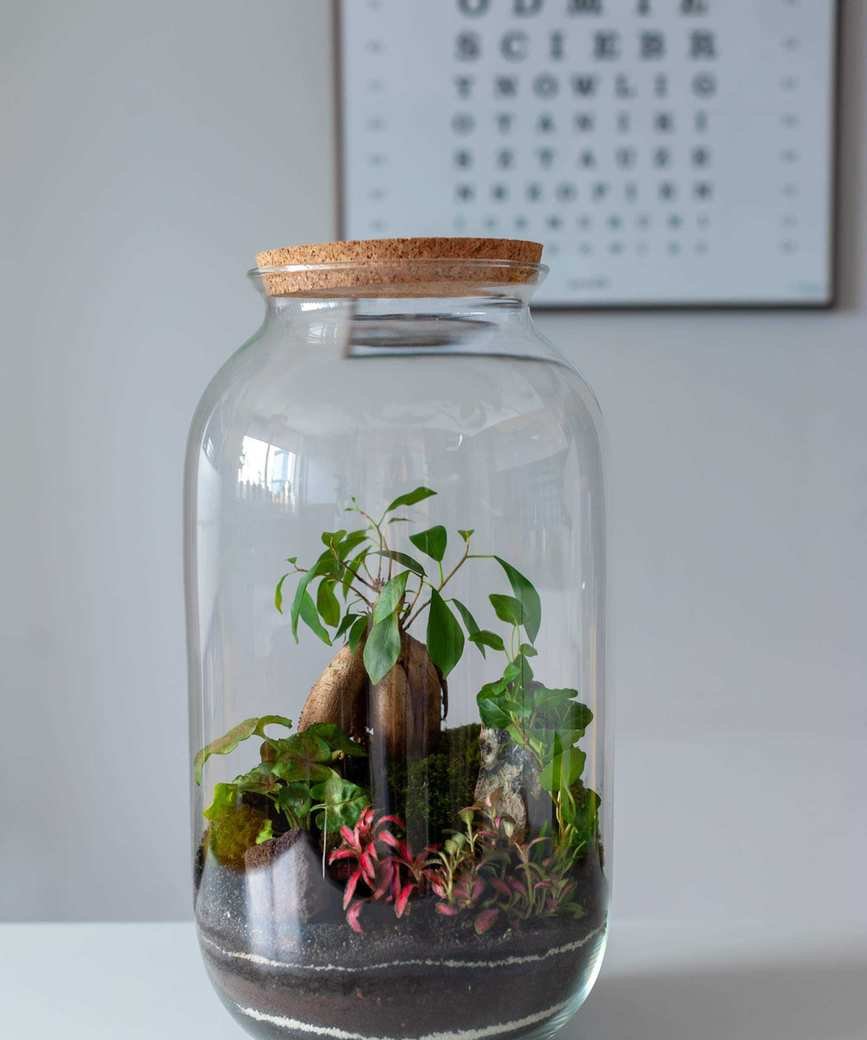
Trimming plants in a terrarium can be challenging due to limited space and dense growth. Regularly cut back any plants that touch the glass or grow too tall. Investing in long aquarium tools can make this easier.
Use these tools to manage leggy plants that crowd the terrarium sides or top. Trim down to a healthy leaf joint to promote fuller growth.
Remove any yellowing or dead leaves regularly to keep your terrarium attractive. If your decorative moss appears dull, adding a tablespoon of water can help revive it.
Should you notice a struggling plant, it's wise to remove it to prevent disease from spreading. Be cautious to avoid disturbing the roots of neighboring plants. If you introduce a replacement, ensure it matches the size of your existing plants.
4. Dirty Glass Surfaces
Dirty or foggy glass can block light, affecting plant health.
Regularly dusting the exterior is crucial, as it allows light in and showcases your plants. Use a damp paper towel or soft cloth to clean the glass; avoid harsh cleaners that might harm your plants.
For the interior, use distilled or rainwater on a lint-free cloth for cleaning. Just a small amount is sufficient, and avoid any cleaning solutions that may contain harmful chemicals.
5. Delaying Action Against Pests
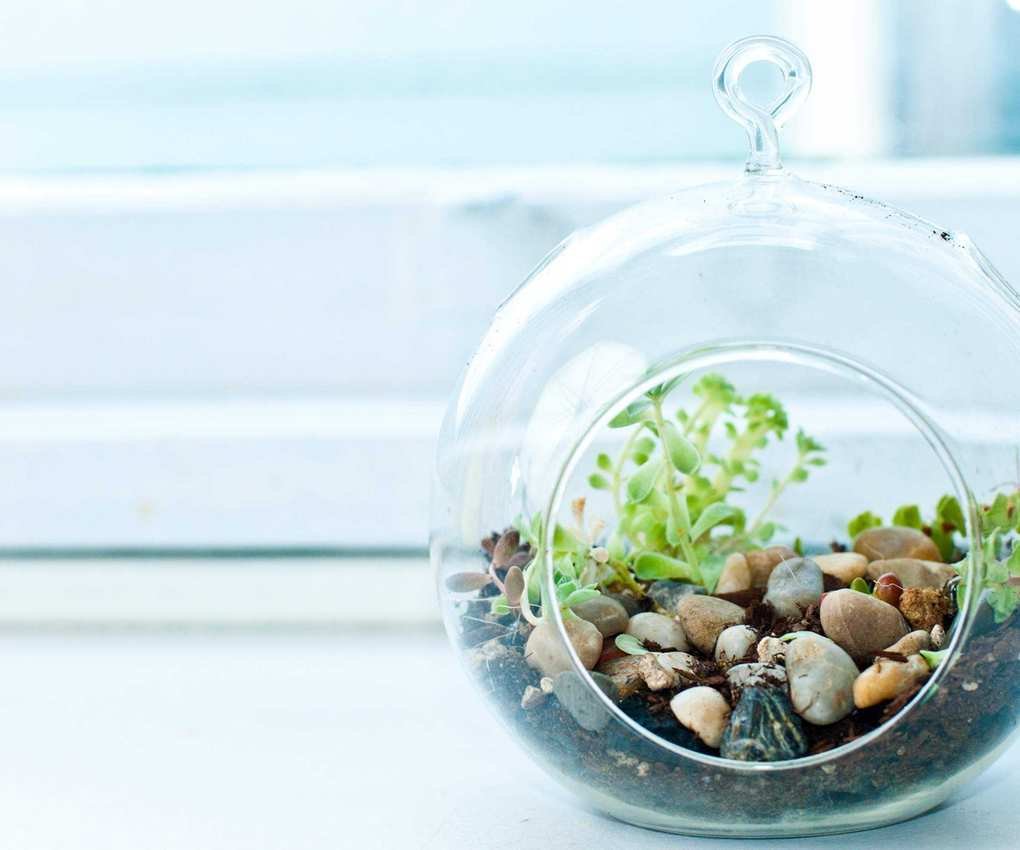
If you have an open terrarium, regularly check for pests as part of your care routine. 'Gnats, mites, and mealybugs can enter through plants and soil,' warns a plant expert.
Act swiftly if you suspect an issue. Keeping infested plants can lead to wider problems. 'Consider using insecticidal soap to treat infested plants,' the expert suggests. 'Using pebbles can help deter gnats, and avoid overwatering.' Check with your local gardening expert for further advice.
If all else fails and the infestation persists, it's best to remove the affected plant. This principle applies to all indoor plants—don't let a single unhealthy plant ruin your arrangement.
Are Terrariums Simple to Maintain?
Terrariums can be easy to care for with a few essential considerations to ensure they remain a healthy part of your indoor space.
'Regular monitoring and care, including watering, pruning, and ensuring proper light and ventilation, are vital,' emphasizes a horticulture expert. 'As long as you provide the right conditions, plants often thrive in terrariums.'



