
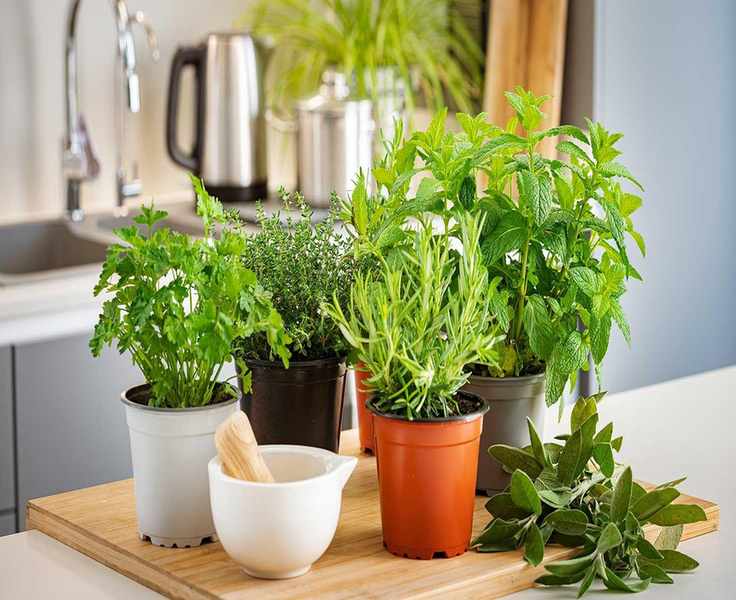
Have you ever purchased a potted herb from the grocery store? They add a lovely touch to your kitchen and enhance your dishes, but they often don’t last long. While they outlive pre-packaged herbs, most wither after about a week.
This short lifespan occurs because store shelves lack ideal growing conditions. To ensure your herbs thrive at home, they need extra attention and care.
Though nursery-grown herbs usually fare better in an indoor garden, these tips can help you maximize the lifespan of your grocery store finds. With some luck and effort, you can enjoy fresh herbs for weeks or even months.

With proper care, store-bought herbs can last much longer than expected.
5 Tips to Keep Your Store-Bought Herbs Thriving
Nurture these kitchen plants wisely, and you may enjoy a flavorful harvest for an extended period.

Basil is a favorite herb, perfect for pasta and pizza dishes.
1. Select Healthy Plants
Choosing healthy herbs starts before you even purchase them.
Inspect your options carefully to select those most likely to survive. Steer clear of plants with brown or wilting leaves, or those that appear overly leggy. These indicators suggest they may struggle to thrive.
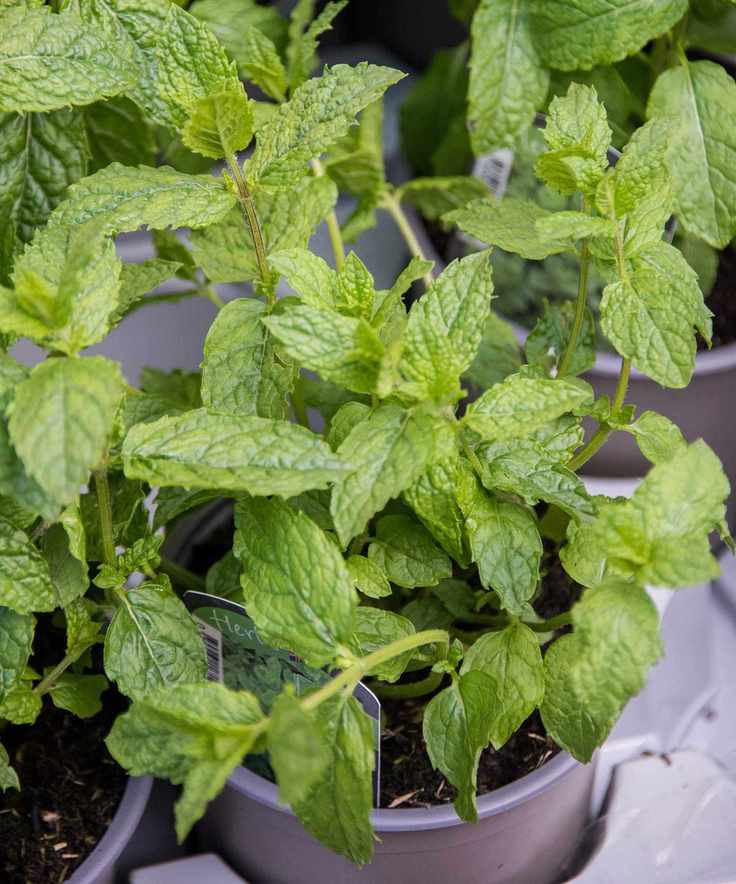
Carefully choose your herbs to ensure success.
2. Separate Herbs into Smaller Pots
If you want to keep your store-bought herbs alive, consider repotting them into smaller containers,” suggests a gardening expert. Many of these herbs come overcrowded, which can hinder their growth.
Gently pull them apart, ensuring each piece has a strong root system. Then, repot them in individual containers filled with suitable potting soil for herbs.
This method significantly increases their chances of thriving.

3. Harvest Wisely
It’s tempting to harvest generously right away, but doing so can shorten your herbs’ lifespan. While frequent harvesting promotes new growth, it must be done correctly.
A horticulture specialist recommends snipping only the top growth and avoiding the removal of more than one-third of the plant at any one time.
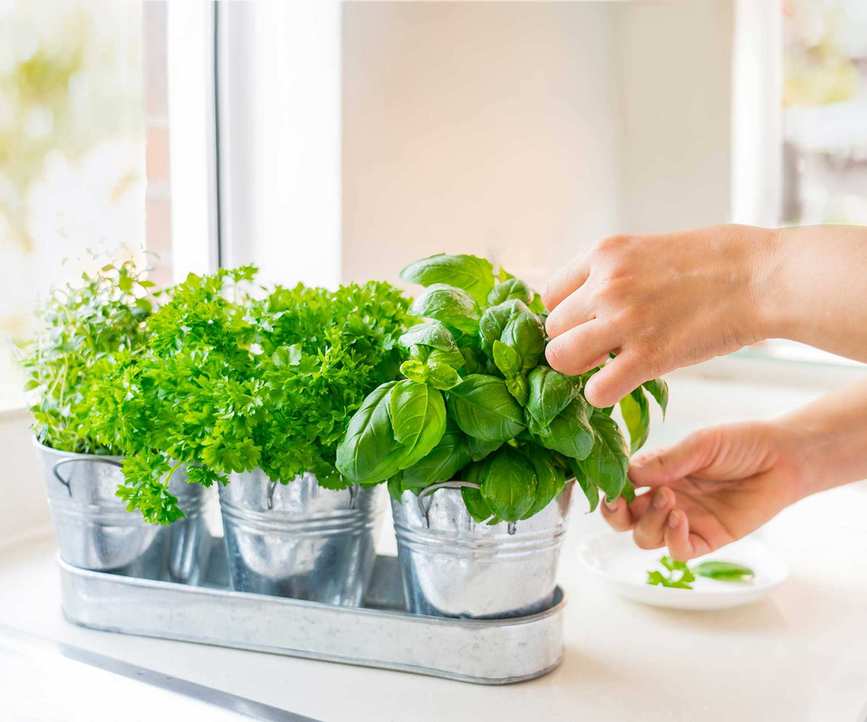
When you harvest, ensure enough foliage remains for continued growth.
4. Water Carefully
Overwatering can be detrimental to indoor plants, including herbs.
When you first repot your herbs, give them light watering, as they likely haven’t had enough moisture in the store. Afterward, water only when the top inch of soil feels dry.
“Avoid overwatering, as excess moisture can cause root rot,” advises a gardening pro. Ensure the soil drains well and that your pots have drainage holes.

Watering is crucial, but be cautious not to oversaturate the soil.
5. Position in Sunlight
Your indoor herbs, whether rosemary, mint, basil, or others, require adequate sunlight. A sunny windowsill is ideal.
If natural light is insufficient, consider using full-spectrum LED grow lights positioned 6-12 inches above your herbs. A suggested option is the GooingTop LED Grow Light available on Amazon.
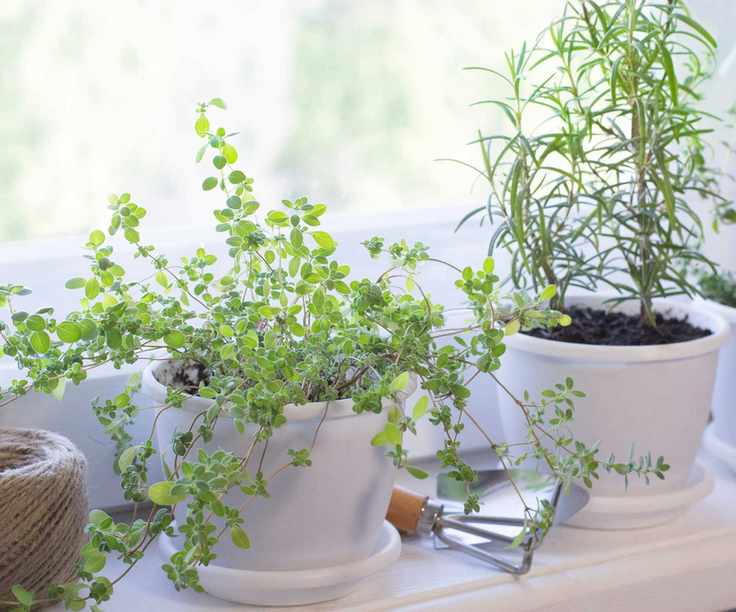
For optimal growth, herbs need plenty of bright light.
FAQs
Can you propagate store-bought herbs?
Yes, cuttings from herbs like basil and mint can be propagated. To do this, snip a healthy stem, remove the lower leaves, and place it in water until roots form. They can then be potted or planted directly into soil.
Can you plant grocery store herbs outdoors?
Absolutely! You can plant store-bought herbs outdoors. Start by separating and repotting them indoors, then gradually acclimate them to outdoor conditions. However, if winter is approaching, wait for warmer weather, as cold and wet conditions can be harmful.
If you enjoy fresh herbs, consider trying to grow some from seeds as well! There’s a wide range to choose from, and seed packets are quite affordable.



