

Ultrasonic pest repellers have gained popularity as a means to keep insects and rodents at bay in residential spaces.
Many homeowners appreciate these devices and other natural pest control techniques due to their non-toxic nature, ensuring safety for pets and children.
These gadgets emit high-frequency sound waves, typically ranging from 20-65 kHz, which most pests find uncomfortable, prompting them to steer clear. They often outperform homemade insect sprays in repelling rodents like mice and rats, as well as a variety of insects including cockroaches, fleas, and bed bugs, especially in confined areas. However, their success hinges on various factors.
Are Ultrasonic Pest Repellers Effective?
While ultrasonic repellers can be beneficial for certain pests, their effectiveness largely depends on the specific frequency utilized and how correctly they are positioned.
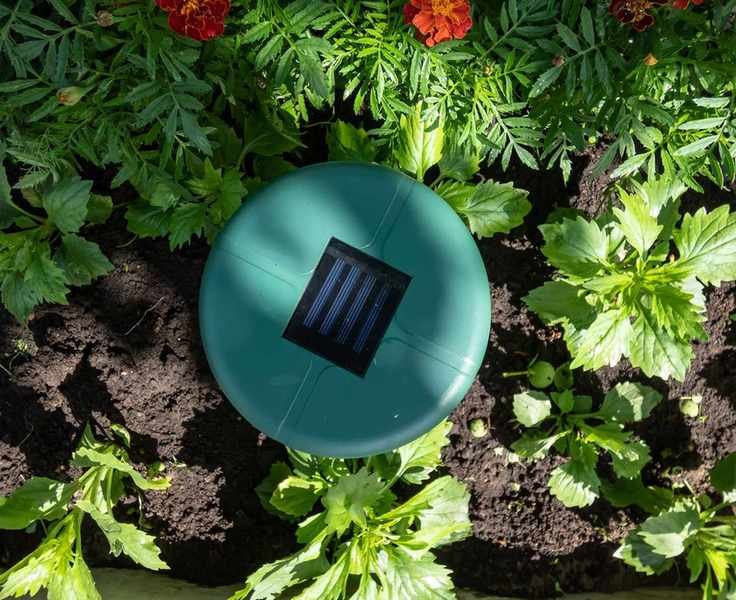
Understanding How Ultrasonic Pest Repellers Function
Devices like the Haycone Indoor Ultrasonic Repellent from Amazon emit sound waves at frequencies higher than the human ear can detect, usually above 20 kHz.
According to Nicole Carpenter, CEO of Black Pest Prevention, these sound waves are designed to disrupt the auditory and nervous systems of pests, causing them discomfort and driving them away. The range of the sound waves is typically limited to a specific area, influenced by the device's power and its placement.

Nicole Carpenter began her journey at Black Pest Prevention during high school. She continued her work there while attending N.C. State University and eventually became the CEO. Black Pest Prevention is dedicated to assisting with pest control in Charlotte, serving both North and South Carolina.
Pests Targeted by Ultrasonic Repellers
Rodents: Ultrasonic pest repellers are particularly effective for eliminating mice and rats. For rodent control, selecting a device that operates on a frequency between 32-62 kHz is crucial.
Insects: Some ultrasonic devices also repel insects such as mosquitoes, spiders, ants, and cockroaches. The sound disrupts their communication and mating calls, preventing them from gathering. This effect tends to increase over time, so it's advisable to use these devices consistently for a few weeks to fully eliminate an established pest population. The optimal frequency range for targeting insects is between 30-50 kHz.
Bats: Occasionally, these devices can assist in removing bats from attics or eaves.
Maximizing Effectiveness
To enhance the performance of ultrasonic pest repellents, A.H. David, a pest control expert and writer, offers several recommendations:
Proper Placement: Position the ultrasonic pest repellent in an open area, avoiding furniture, curtains, and walls that could absorb or obstruct the sound waves.
Multiple Units: For larger areas or multiple rooms, consider using several devices. Pests can easily escape to regions that are not covered by the ultrasonic waves.
Continuous Use: Keep the device running at all times. Intermittent operation may allow pests to get used to the noise.
Supplementary Methods: Combine ultrasonic repellents with other pest control strategies, such as traps, sealing entry points, and maintaining cleanliness, to improve overall effectiveness.

A.H. David is the co-founder and editor-in-chief of Pest Control Weekly. He enjoys gardening as a hobby and has extensive experience managing various types of pests in backyard gardens. His mission is to provide well-researched information about pests based on his experiences.
Limitations and Considerations
Adaptation: Pests may adapt to the sound over time, which can diminish the long-term efficacy of ultrasonic repellents.
Limited Range: The sound waves do not penetrate walls, necessitating the use of multiple units, such as a 6-Pack Ultrasonic Pest Repeller from Amazon for larger or multi-room areas.
Safety Concerns: There may be safety concerns associated with ultrasonic pest repellents. The ultrasonic frequencies can interfere with other electronic devices in your home, such as alarm systems, phone calls, or hearing aids.
If you have pets like guinea pigs or rabbits, the high frequencies could potentially distress them.

FAQs
How can I tell if my ultrasonic pest repeller is effective?
To determine if your ultrasonic pest repeller is working, keep an eye on pest activity. If you notice a steady level or even an increase in pest encounters, the repeller might not be functioning effectively.
Ultrasonic pest repellents provide a non-toxic and humane approach to managing pests. However, their effectiveness can vary. For optimal results, they should be part of an integrated pest management plan, which includes sealing entry points, eliminating food sources, and using traps or pesticides for significant infestations. Regular monitoring and combining various pest control methods can lead to improved outcomes.



